Other wood musical instruments
CN → US| HS编码 | 关税税率 | 原产国 | 目的国 | 文档 |
|---|---|---|---|---|
| 9202906000 | 14.6% | CN | US | 官方文档 |
| 9209926000 | 17.5% | CN | US | 官方文档 |
| 9202100000 | 13.2% | CN | US | 官方文档 |
| 9201900000 | 21.0% | CN | US | 官方文档 |
| 9209928000 | 22.1% | CN | US | 官方文档 |
商品图片
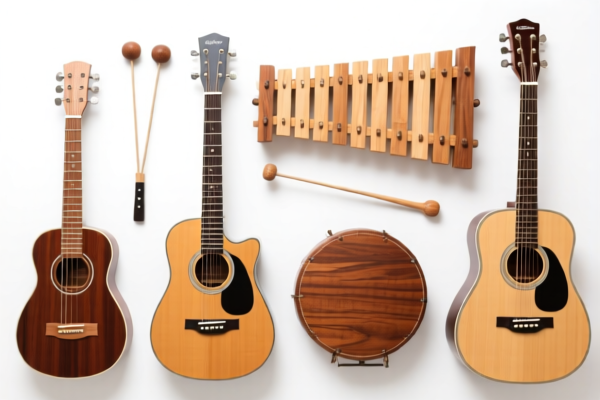
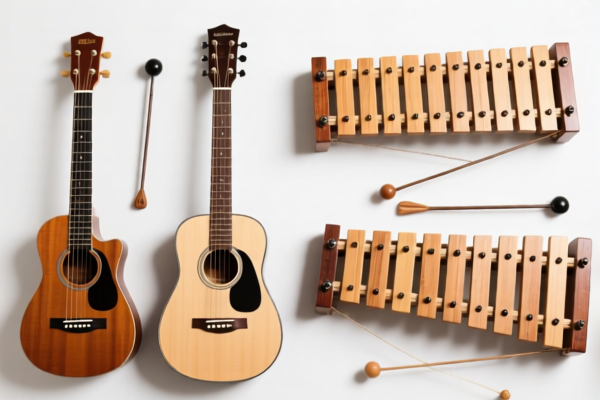
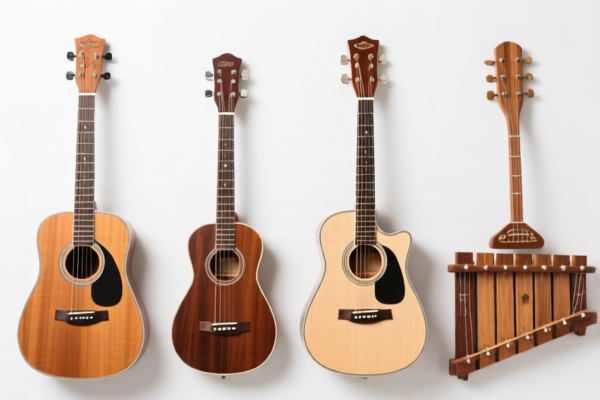
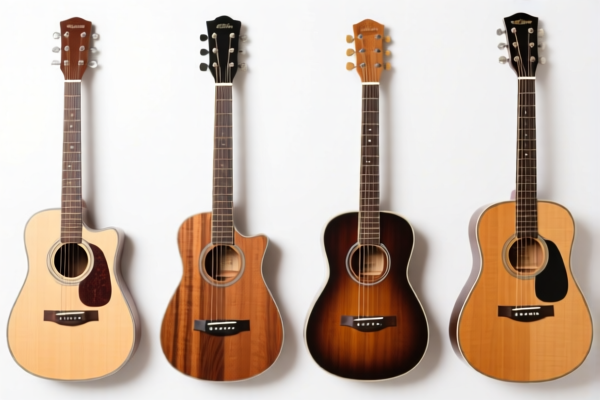
AI分析
🎻 Wood Musical Instruments (Other)
🌐 HS Code Reference & Customs Clearance Guide | 2024 Latest Tariff Analysis | Professional-Level Strategy
📌 I. Product Definition & Classification: What Exactly Are "Other Wood Musical Instruments"?
In international trade, wood musical instruments are broadly categorized by their function (chordophones/strings, keyboard instruments, accessories) and material composition. The term "Other Wood Musical Instruments" is a collective descriptor that falls under Chapter 92 of the Harmonized System. These are distinct from metal, plastic, or electronic-only instruments.
The classification depends heavily on whether the item is: 1. A complete String Instrument (e.g., violins, cellos, guitars made of wood). 2. A Complete Keyboard Instrument with wooden string components (e.g., pianos, harpsichords). 3. Wooden Accessories/Parts (e.g., bows, chin rests, pegs).
⚠️ Key Distinction Point:
- If it is a complete string instrument (like a violin) → Typically grouped under 9202 or 9201 depending on type.
- If it is a wooden accessory/part (like a bow or chin rest) → Grouped under 9209 (Parts and Accessories).
- Material Note: The wood must not conflict with prohibited species (e.g., CITES-restricted woods require additional permits).
📦 II. HS Code Classification Details (2024 Latest Tariff Data)
| HS Code | Product Description | Applicable Scenario | Key Characteristics |
|--------|--------------------------|-----------------------------|
| 9202.90.60.00 | Other stringed instruments (Wooden) | Wooden violins, cellos, violas, double basses where the wood does not conflict with specific restricted material clauses. | Complete String Instrument |
| 9209.92.60.00 | Parts and accessories of musical instruments (Wooden) | Wooden bows, chin rests, endpins, or other matched accessories for string instruments. | Accessory/Part Only |
| 9202.10.00.00 | Other stringed instruments (Wooden) | General wooden string instruments (e.g., guitars, lutes) not falling under electric or specific keyboard categories. | General String Instrument |
| 9201.90.00.00 | Pianos; harpsichords and other keyboard stringed instruments (Other) | Wooden parts of pianos or harpsichords, or complete wooden keyboard string instruments not listed elsewhere (e.g., historical harpsichords). | Keyboard String Instrument |
| 9209.92.80.00 | Parts and accessories of musical instruments (Other) | General wooden parts and accessories for any instrument, used as a residual category when specific part codes don't apply. | General Part/Accessory |
🔍 Focus Reminder:
- 9202 Codes are for complete string instruments. - 9209 Codes are strictly for parts and accessories (no complete instruments). - 9201 Codes are reserved for pianos and keyboard string instruments. - Misclassification Risk: Declaring a wooden bow as "Musical Instrument" (9202) instead of "Accessory" (9209) may lead to duty discrepancies and customs delays.
💰 III. 2024 Latest Tariff Rate Details (Including Surcharge & Policy Surcharges)
✅ Applicable Country: United States (US)
✅ Country of Origin: China (CN)
✅ Effective Date: Current as of 2024 Trade Data
🎯 1. 9202.90.60.00 —— Other Stringed Instruments (Wooden)
| Item | Content |
|---|---|
| Base Tariff | 4.6% (ad valorem) |
| Section 301 Surcharge | 0.0% (No additional 301 tariff for this specific subheading under current review) |
| Section 122 Tariff | +10% (Specific duty on certain Chinese goods) |
| Total Tax Rate | 14.6% |
| Tax Calculation | CIF Value × 14.6% |
| De Minimis Eligibility | ❌ No (Deny de minimis for Section 122 items) |
| Legal Basis Path | Section 122:10% → HS:9202.90.60.00 |
📌 Explanation:
- The 14.6% rate is driven primarily by the 10% Section 122 tariff, which applies to certain imported goods regardless of the base rate.
- Unlike many electronics, this specific wooden instrument subheading has a 0% Section 301 surcharge, making it cheaper than tech goods but still subject to Section 122.
🎯 2. 9209.92.60.00 —— Wooden Parts/Accessories for String Instruments
| Item | Content |
|---|---|
| Base Tariff | 0.0% |
| Section 301 Surcharge | +7.5% |
| Section 122 Tariff | +10% |
| Total Tax Rate | 17.5% |
| Tax Calculation | CIF Value × 17.5% |
| De Minimis Eligibility | ❌ No |
| Legal Basis Path | Section 122:10% → Section 301:7.5% → HS:9209.92.60.00 |
📌 Note:
- Even though the base tariff is 0%, the combined surcharges make it 17.5%.
- This highlights that accessories (9209) can sometimes be taxed higher percentage-wise than the instrument itself (9202) due to different 301 applicability.
🎯 3. 9202.10.00.00 —— Other Stringed Instruments (General Wooden)
| Item | Content |
|---|---|
| Base Tariff | 3.2% |
| Section 301 Surcharge | 0.0% |
| Section 122 Tariff | +10% |
| Total Tax Rate | 13.2% |
| Tax Calculation | CIF Value × 13.2% |
| De Minimis Eligibility | ❌ No |
| Legal Basis Path | Section 122:10% → HS:9202.10.00.00 |
📌 Insight:
- This is the lowest effective rate among complete string instruments.
- Common for general wooden guitars or lutes. The 0% Section 301 is a key benefit here.
🎯 4. 9201.90.00.00 —— Pianos & Keyboard Stringed Instruments (Other)
| Item | Content |
|---|---|
| Base Tariff | 3.5% |
| Section 301 Surcharge | +7.5% |
| Section 122 Tariff | +10% |
| Total Tax Rate | 21.0% |
| Tax Calculation | CIF Value × 21.0% |
| De Minimis Eligibility | ❌ No |
| Legal Basis Path | Section 122:10% → Section 301:7.5% → HS:9201.90.00.00 |
📌 Critical:
- Pianos and keyboard instruments face the highest rate (21.0%) because they are subject to both Section 301 (7.5%) and Section 122 (10%) surcharges.
- Do not misdeclare a piano as a "guitar" (9202) to avoid this; customs will verify construction.
🎯 5. 9209.92.80.00 —— General Wooden Parts/Accessories (Residual)
| Item | Content |
|---|---|
| Base Tariff | 4.6% |
| Section 301 Surcharge | +7.5% |
| Section 122 Tariff | +10% |
| Total Tax Rate | 22.1% |
| Tax Calculation | CIF Value × 22.1% |
| De Minimis Eligibility | ❌ No |
| Legal Basis Path | Section 122:10% → Section 301:7.5% → HS:9209.92.80.00 |
📌 Warning:
- This is the highest effective rate (22.1%).
- It applies to wooden parts that do not fit the specific "string instrument accessory" category (9209.92.60).
- Always try to classify under the more specific 9209.92.60 (7.5% + 10%) if possible, rather than the residual 9209.92.80 (7.5% + 10% + higher base).
🛠️ IV. Customs Clearance Practical Advice (Avoid Pitfalls)
✅ 1. Required Documentation Checklist (Non-Negotiable)
| Document | Mandatory? | Explanation |
|---|---|---|
| ✅ Product Specifications | ✔️ | Material composition (type of wood), dimensions, string type (if applicable). |
| ✅ Photo of Label/Marking | ✔️ | Must show brand, model, and "Made in China". |
| ✅ Commercial Invoice | ✔️ | Clearly state "Wooden String Instrument" or "Wooden Part for Musical Instrument". Avoid vague terms like "Musical Tool". |
| ✅ Packing List | ✔️ | Detail items to prove if it's a complete instrument or just parts. |
| ✅ CITES Permit (if applicable) | ✔️ | If using endangered woods (e.g., Rosewood, Ebony), CITES documents are mandatory or the shipment will be seized. |
| ✅ Proof of Origin | ✔️ | Required to calculate Section 301/122 surcharges accurately. |
✅ 2. Declaration Tips (Key Mantras)
🔥 "Complete Instrument vs. Part: Define Clearly, Tax Differently!"
| Scenario | Correct Declaration | Incorrect Practice |
|---|---|---|
| Wooden Violin | 9202.90.60.00 |
Declaring as "Wooden Bow" (9209) → 17.5% instead of 14.6%? No, actually 9202 is correct. But declaring a bow as a violin is fraud. |
| Wooden Bow | 9209.92.60.00 |
Declaring as "String Instrument" (9202) → 14.6% vs 17.5%. Risk: Customs may inspect and find it's a part, leading to penalties. |
| Piano | 9201.90.00.00 |
Declaring as "Wooden Furniture" or "Other Instrument" → 21.0% + potential audits. |
| Wooden Pegs/Sticks | 9209.92.80.00 or 9209.92.60.00 |
Declaring as "Wooden Sticks" → Misclassification risk. Be specific. |
✅ 3. Special Circumstances Handling
| Situation | Handling Advice |
|---|---|
| CITES-Restricted Woods | If the instrument uses Rosewood (Dalbergia) or Ebony (Diospyros), you must provide a CITES Pre-Convention or Post-Convention certificate. Otherwise, customs will detain and possibly destroy the goods. |
| OEM Custom Instruments | Provide design drawings to prove the item is an "instrument" and not just "wooden carving" (which might fall under Chapter 44 or 97). |
| Kit Instruments (DIY) | If sold as a kit (unassembled), it may still be classified under 9202 if the principal character is an instrument. Document the assembly instructions. |
| Mixed Shipment | If shipping 100 violins and 100 bows, declare separately. Do not lump them into one "Miscellaneous Musical Goods" line. |
🌍 V. Global Market Comparison (2024 Overview)
| Country/Region | Recommended HS Code | Tariff (China Origin) | Certification | Note |
|---|---|---|---|---|
| 🇺🇸 USA | 9202.90.60.00 |
14.6% (Section 122) | None | High compliance focus on material. |
| 🇪🇺 EU | 9202.90 |
~0-3% | CE (if electronic parts) | Generally low duty, but strict CITES. |
| 🇨🇳 China | 9202.90 |
~0-3% | N/A | Import duty low for finished instruments. |
| 🇬🇧 UK | 9202.90 |
~0-3% | UKCA | Post-Brexit rules similar to EU. |
| 🇨🇦 Canada | 9202.90 |
0% (if CUSMA eligible) | None | Check for CUSMA preferential rates. |
📌 Conclusion:
- The USA is the most complex market due to Section 122 and potential Section 301 tariffs.
- EU/UK/Canada generally have lower duties but strict environmental/CITES regulations.
- Always verify wood species for CITES compliance before shipping to any market.
📌 VI. Common Errors & Pitfall Guide (Lessons Learned)
❌ Error 1: Declaring a complete violin as "Wooden Parts" (9209.92.60.00)
👉 Consequence: You pay 17.5% instead of 14.6%. Small difference, but if volume is high, it adds up. Worse, it triggers suspicion of misdeclaration.
❌ Error 2: Shipping Rosewood instruments without CITES Documents
👉 Consequence: Seizure and Destruction by customs. Fines can exceed the value of the goods.
❌ Error 3: Grouping Pianos with Guitars under one HS Code
👉 Consequence: Pianos are taxed at 21.0%, Guitars at 13.2% or 14.6%. Misclassification leads to back taxes and penalties.
❌ Error 4: Using vague descriptions like "Musical Toy" for real instruments
👉 Consequence: Customs may reclassify under different chapters (e.g., Chapter 95 for toys) with different duty rates and regulatory requirements.
✅ Correct Approach:
"Acoustic Violin, Solid Spruce Top, Maple Back/Sides, Complete, Made in China, CITES Exempt (No Rosewood/Ebony)"
🎯 VII. Conclusion: Professional Classification Saves Money!
🎯 Remember the Mantra:
🔹 "String vs. Part: Check the Code.
🔹 "Pianos Pay More (21%).
🔹 "Check CITES for Wood.
🔹 "Section 122 Applies (10%)."
📌 Pro Tip:
If you are exporting to the US, ensure your Commercial Invoice explicitly states:
"Wooden String Instrument, HS Code 9202.90.60.00. No CITES Restricted Species Used."
This pre-empts questions and speeds up clearance.
📣 Immediate Action:
📞 Consult a licensed customs broker for CITES verification.
🚀 Accurate HS Codes = Faster Clearance = Lower Costs!
✨ Professional Customs Clearance Starts with Precise Classification!
💼 Every percentage point of tax matters in global trade!
用户评价
关于 HS 编码归类
协调制度(HS)是由世界海关组织(WCO)制定的国际贸易商品分类标准。全球 200 多个国家采用 HS 系统作为海关关税、贸易统计和进出口监管的基础。
每个 HS 编码遵循以下层级结构:
- 章(2 位)——商品大类(例如:第 84 章:机器和机械设备)
- 品目(4 位)——章内的更具体分类
- 子目(6 位)——国际通用细分,所有 WCO 成员国统一使用
- 本国细分(8-10 位)——各国自行扩展的细分编码,如美国 HTSUS 10 位编码
正确的 HS 编码归类对于顺利通关、准确缴纳关税和遵守贸易法规至关重要。错误归类可能导致海关延误、多缴关税或罚款。
从CN进口到US时,适用的关税税率可能包括:
- 最惠国(MFN)税率——适用于 WTO 成员国的标准关税税率
- 普通税率——适用于无贸易协定国家
- 贸易救济关税——附加关税,如 301 条款(反倾销)、232 条款(国家安全)或反补贴税
本页内容仅供参考。如需正式归类,请咨询当地海关或持牌报关代理。