Other wood musical instruments
CN → US| HS Code | Tariff Rate | Origin | Destination | Doc |
|---|---|---|---|---|
| 9202906000 | 14.6% | CN | US | Official Doc |
| 9209926000 | 17.5% | CN | US | Official Doc |
| 9202100000 | 13.2% | CN | US | Official Doc |
| 9201900000 | 21.0% | CN | US | Official Doc |
| 9209928000 | 22.1% | CN | US | Official Doc |
Product Images
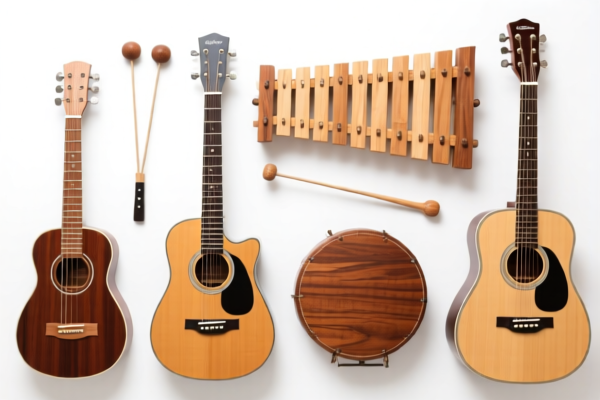
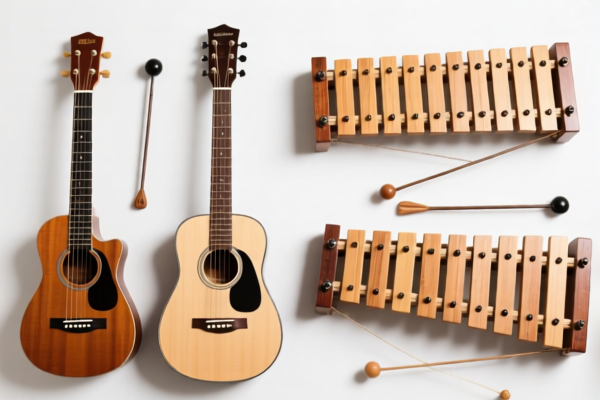
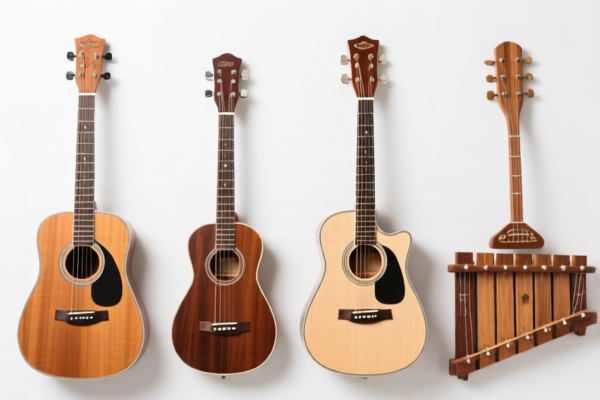
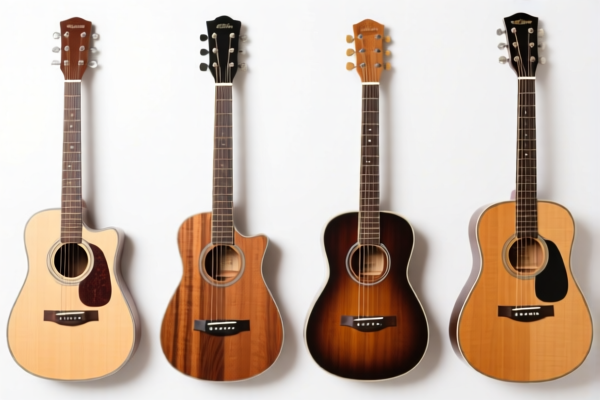
AI Analysis
🎻 Wood Musical Instruments (Other)
🌐 HS Code Reference & Customs Clearance Guide | 2024 Latest Tariff Analysis | Professional-Level Strategy
📌 I. Product Definition & Classification: What Exactly Are "Other Wood Musical Instruments"?
In international trade, wood musical instruments are broadly categorized by their function (chordophones/strings, keyboard instruments, accessories) and material composition. The term "Other Wood Musical Instruments" is a collective descriptor that falls under Chapter 92 of the Harmonized System. These are distinct from metal, plastic, or electronic-only instruments.
The classification depends heavily on whether the item is: 1. A complete String Instrument (e.g., violins, cellos, guitars made of wood). 2. A Complete Keyboard Instrument with wooden string components (e.g., pianos, harpsichords). 3. Wooden Accessories/Parts (e.g., bows, chin rests, pegs).
⚠️ Key Distinction Point:
- If it is a complete string instrument (like a violin) → Typically grouped under 9202 or 9201 depending on type.
- If it is a wooden accessory/part (like a bow or chin rest) → Grouped under 9209 (Parts and Accessories).
- Material Note: The wood must not conflict with prohibited species (e.g., CITES-restricted woods require additional permits).
📦 II. HS Code Classification Details (2024 Latest Tariff Data)
| HS Code | Product Description | Applicable Scenario | Key Characteristics |
|--------|--------------------------|-----------------------------|
| 9202.90.60.00 | Other stringed instruments (Wooden) | Wooden violins, cellos, violas, double basses where the wood does not conflict with specific restricted material clauses. | Complete String Instrument |
| 9209.92.60.00 | Parts and accessories of musical instruments (Wooden) | Wooden bows, chin rests, endpins, or other matched accessories for string instruments. | Accessory/Part Only |
| 9202.10.00.00 | Other stringed instruments (Wooden) | General wooden string instruments (e.g., guitars, lutes) not falling under electric or specific keyboard categories. | General String Instrument |
| 9201.90.00.00 | Pianos; harpsichords and other keyboard stringed instruments (Other) | Wooden parts of pianos or harpsichords, or complete wooden keyboard string instruments not listed elsewhere (e.g., historical harpsichords). | Keyboard String Instrument |
| 9209.92.80.00 | Parts and accessories of musical instruments (Other) | General wooden parts and accessories for any instrument, used as a residual category when specific part codes don't apply. | General Part/Accessory |
🔍 Focus Reminder:
- 9202 Codes are for complete string instruments. - 9209 Codes are strictly for parts and accessories (no complete instruments). - 9201 Codes are reserved for pianos and keyboard string instruments. - Misclassification Risk: Declaring a wooden bow as "Musical Instrument" (9202) instead of "Accessory" (9209) may lead to duty discrepancies and customs delays.
💰 III. 2024 Latest Tariff Rate Details (Including Surcharge & Policy Surcharges)
✅ Applicable Country: United States (US)
✅ Country of Origin: China (CN)
✅ Effective Date: Current as of 2024 Trade Data
🎯 1. 9202.90.60.00 —— Other Stringed Instruments (Wooden)
| Item | Content |
|---|---|
| Base Tariff | 4.6% (ad valorem) |
| Section 301 Surcharge | 0.0% (No additional 301 tariff for this specific subheading under current review) |
| Section 122 Tariff | +10% (Specific duty on certain Chinese goods) |
| Total Tax Rate | 14.6% |
| Tax Calculation | CIF Value × 14.6% |
| De Minimis Eligibility | ❌ No (Deny de minimis for Section 122 items) |
| Legal Basis Path | Section 122:10% → HS:9202.90.60.00 |
📌 Explanation:
- The 14.6% rate is driven primarily by the 10% Section 122 tariff, which applies to certain imported goods regardless of the base rate.
- Unlike many electronics, this specific wooden instrument subheading has a 0% Section 301 surcharge, making it cheaper than tech goods but still subject to Section 122.
🎯 2. 9209.92.60.00 —— Wooden Parts/Accessories for String Instruments
| Item | Content |
|---|---|
| Base Tariff | 0.0% |
| Section 301 Surcharge | +7.5% |
| Section 122 Tariff | +10% |
| Total Tax Rate | 17.5% |
| Tax Calculation | CIF Value × 17.5% |
| De Minimis Eligibility | ❌ No |
| Legal Basis Path | Section 122:10% → Section 301:7.5% → HS:9209.92.60.00 |
📌 Note:
- Even though the base tariff is 0%, the combined surcharges make it 17.5%.
- This highlights that accessories (9209) can sometimes be taxed higher percentage-wise than the instrument itself (9202) due to different 301 applicability.
🎯 3. 9202.10.00.00 —— Other Stringed Instruments (General Wooden)
| Item | Content |
|---|---|
| Base Tariff | 3.2% |
| Section 301 Surcharge | 0.0% |
| Section 122 Tariff | +10% |
| Total Tax Rate | 13.2% |
| Tax Calculation | CIF Value × 13.2% |
| De Minimis Eligibility | ❌ No |
| Legal Basis Path | Section 122:10% → HS:9202.10.00.00 |
📌 Insight:
- This is the lowest effective rate among complete string instruments.
- Common for general wooden guitars or lutes. The 0% Section 301 is a key benefit here.
🎯 4. 9201.90.00.00 —— Pianos & Keyboard Stringed Instruments (Other)
| Item | Content |
|---|---|
| Base Tariff | 3.5% |
| Section 301 Surcharge | +7.5% |
| Section 122 Tariff | +10% |
| Total Tax Rate | 21.0% |
| Tax Calculation | CIF Value × 21.0% |
| De Minimis Eligibility | ❌ No |
| Legal Basis Path | Section 122:10% → Section 301:7.5% → HS:9201.90.00.00 |
📌 Critical:
- Pianos and keyboard instruments face the highest rate (21.0%) because they are subject to both Section 301 (7.5%) and Section 122 (10%) surcharges.
- Do not misdeclare a piano as a "guitar" (9202) to avoid this; customs will verify construction.
🎯 5. 9209.92.80.00 —— General Wooden Parts/Accessories (Residual)
| Item | Content |
|---|---|
| Base Tariff | 4.6% |
| Section 301 Surcharge | +7.5% |
| Section 122 Tariff | +10% |
| Total Tax Rate | 22.1% |
| Tax Calculation | CIF Value × 22.1% |
| De Minimis Eligibility | ❌ No |
| Legal Basis Path | Section 122:10% → Section 301:7.5% → HS:9209.92.80.00 |
📌 Warning:
- This is the highest effective rate (22.1%).
- It applies to wooden parts that do not fit the specific "string instrument accessory" category (9209.92.60).
- Always try to classify under the more specific 9209.92.60 (7.5% + 10%) if possible, rather than the residual 9209.92.80 (7.5% + 10% + higher base).
🛠️ IV. Customs Clearance Practical Advice (Avoid Pitfalls)
✅ 1. Required Documentation Checklist (Non-Negotiable)
| Document | Mandatory? | Explanation |
|---|---|---|
| ✅ Product Specifications | ✔️ | Material composition (type of wood), dimensions, string type (if applicable). |
| ✅ Photo of Label/Marking | ✔️ | Must show brand, model, and "Made in China". |
| ✅ Commercial Invoice | ✔️ | Clearly state "Wooden String Instrument" or "Wooden Part for Musical Instrument". Avoid vague terms like "Musical Tool". |
| ✅ Packing List | ✔️ | Detail items to prove if it's a complete instrument or just parts. |
| ✅ CITES Permit (if applicable) | ✔️ | If using endangered woods (e.g., Rosewood, Ebony), CITES documents are mandatory or the shipment will be seized. |
| ✅ Proof of Origin | ✔️ | Required to calculate Section 301/122 surcharges accurately. |
✅ 2. Declaration Tips (Key Mantras)
🔥 "Complete Instrument vs. Part: Define Clearly, Tax Differently!"
| Scenario | Correct Declaration | Incorrect Practice |
|---|---|---|
| Wooden Violin | 9202.90.60.00 |
Declaring as "Wooden Bow" (9209) → 17.5% instead of 14.6%? No, actually 9202 is correct. But declaring a bow as a violin is fraud. |
| Wooden Bow | 9209.92.60.00 |
Declaring as "String Instrument" (9202) → 14.6% vs 17.5%. Risk: Customs may inspect and find it's a part, leading to penalties. |
| Piano | 9201.90.00.00 |
Declaring as "Wooden Furniture" or "Other Instrument" → 21.0% + potential audits. |
| Wooden Pegs/Sticks | 9209.92.80.00 or 9209.92.60.00 |
Declaring as "Wooden Sticks" → Misclassification risk. Be specific. |
✅ 3. Special Circumstances Handling
| Situation | Handling Advice |
|---|---|
| CITES-Restricted Woods | If the instrument uses Rosewood (Dalbergia) or Ebony (Diospyros), you must provide a CITES Pre-Convention or Post-Convention certificate. Otherwise, customs will detain and possibly destroy the goods. |
| OEM Custom Instruments | Provide design drawings to prove the item is an "instrument" and not just "wooden carving" (which might fall under Chapter 44 or 97). |
| Kit Instruments (DIY) | If sold as a kit (unassembled), it may still be classified under 9202 if the principal character is an instrument. Document the assembly instructions. |
| Mixed Shipment | If shipping 100 violins and 100 bows, declare separately. Do not lump them into one "Miscellaneous Musical Goods" line. |
🌍 V. Global Market Comparison (2024 Overview)
| Country/Region | Recommended HS Code | Tariff (China Origin) | Certification | Note |
|---|---|---|---|---|
| 🇺🇸 USA | 9202.90.60.00 |
14.6% (Section 122) | None | High compliance focus on material. |
| 🇪🇺 EU | 9202.90 |
~0-3% | CE (if electronic parts) | Generally low duty, but strict CITES. |
| 🇨🇳 China | 9202.90 |
~0-3% | N/A | Import duty low for finished instruments. |
| 🇬🇧 UK | 9202.90 |
~0-3% | UKCA | Post-Brexit rules similar to EU. |
| 🇨🇦 Canada | 9202.90 |
0% (if CUSMA eligible) | None | Check for CUSMA preferential rates. |
📌 Conclusion:
- The USA is the most complex market due to Section 122 and potential Section 301 tariffs.
- EU/UK/Canada generally have lower duties but strict environmental/CITES regulations.
- Always verify wood species for CITES compliance before shipping to any market.
📌 VI. Common Errors & Pitfall Guide (Lessons Learned)
❌ Error 1: Declaring a complete violin as "Wooden Parts" (9209.92.60.00)
👉 Consequence: You pay 17.5% instead of 14.6%. Small difference, but if volume is high, it adds up. Worse, it triggers suspicion of misdeclaration.
❌ Error 2: Shipping Rosewood instruments without CITES Documents
👉 Consequence: Seizure and Destruction by customs. Fines can exceed the value of the goods.
❌ Error 3: Grouping Pianos with Guitars under one HS Code
👉 Consequence: Pianos are taxed at 21.0%, Guitars at 13.2% or 14.6%. Misclassification leads to back taxes and penalties.
❌ Error 4: Using vague descriptions like "Musical Toy" for real instruments
👉 Consequence: Customs may reclassify under different chapters (e.g., Chapter 95 for toys) with different duty rates and regulatory requirements.
✅ Correct Approach:
"Acoustic Violin, Solid Spruce Top, Maple Back/Sides, Complete, Made in China, CITES Exempt (No Rosewood/Ebony)"
🎯 VII. Conclusion: Professional Classification Saves Money!
🎯 Remember the Mantra:
🔹 "String vs. Part: Check the Code.
🔹 "Pianos Pay More (21%).
🔹 "Check CITES for Wood.
🔹 "Section 122 Applies (10%)."
📌 Pro Tip:
If you are exporting to the US, ensure your Commercial Invoice explicitly states:
"Wooden String Instrument, HS Code 9202.90.60.00. No CITES Restricted Species Used."
This pre-empts questions and speeds up clearance.
📣 Immediate Action:
📞 Consult a licensed customs broker for CITES verification.
🚀 Accurate HS Codes = Faster Clearance = Lower Costs!
✨ Professional Customs Clearance Starts with Precise Classification!
💼 Every percentage point of tax matters in global trade!
Customer Reviews
About HS Code Classification
The Harmonized System (HS) is an internationally standardized nomenclature developed by the World Customs Organization (WCO) to classify traded products. Over 200 countries use the HS system as the basis for customs tariffs, trade statistics, and import/export regulations.
Each HS code follows a hierarchical structure:
- Chapter (2 digits) — Broad category of goods (e.g., Chapter 84: Machinery and Mechanical Appliances)
- Heading (4 digits) — More specific grouping within the chapter
- Subheading (6 digits) — Internationally standardized breakdown, used by all WCO member countries
- National subdivisions (8-10 digits) — Country-specific extensions for further classification, such as US HTSUS 10-digit codes
Correct HS code classification is essential for smooth customs clearance, accurate duty payment, and compliance with trade regulations. Misclassification can lead to customs delays, overpayment of duties, or penalties.
When importing from CN to US, the applicable tariff rates may include:
- Most-Favored-Nation (MFN) rate — The standard duty rate applied to WTO members
- General rate — Applied to countries without trade agreements
- Trade remedy duties — Additional tariffs such as Section 301 (anti-dumping), Section 232 (national security), or countervailing duties
The information provided on this page is for reference purposes only. For official classification, please consult with your local customs authority or a licensed customs broker.