Outdoor Stove
CN → US| HS编码 | 关税税率 | 原产国 | 目的国 | 文档 |
|---|---|---|---|---|
| 8416200080 | 17.5% | CN | US | 官方文档 |
| 7321111030 | 90.7% | CN | US | 官方文档 |
| 8416200040 | 17.5% | CN | US | 官方文档 |
| 7321111060 | 90.7% | CN | US | 官方文档 |
| 7321111060 | 90.7% | CN | US | 官方文档 |
商品图片
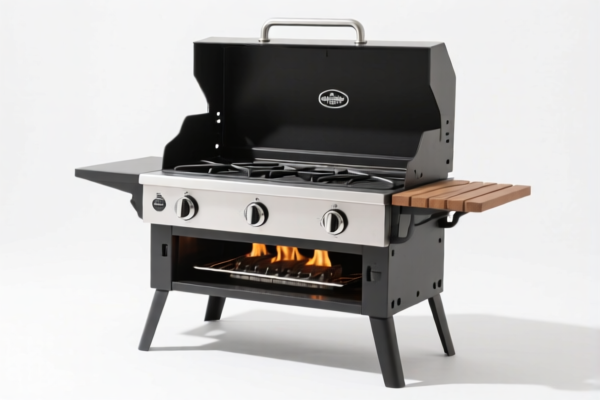
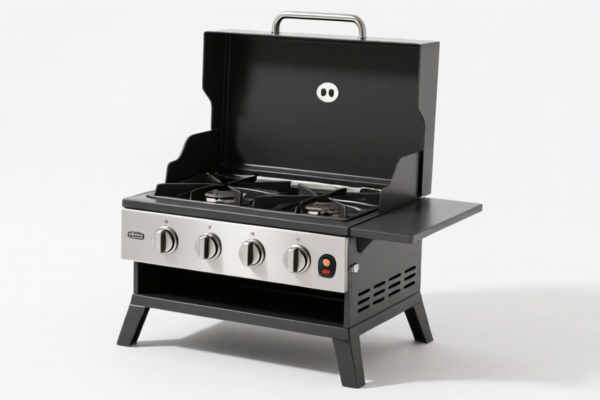
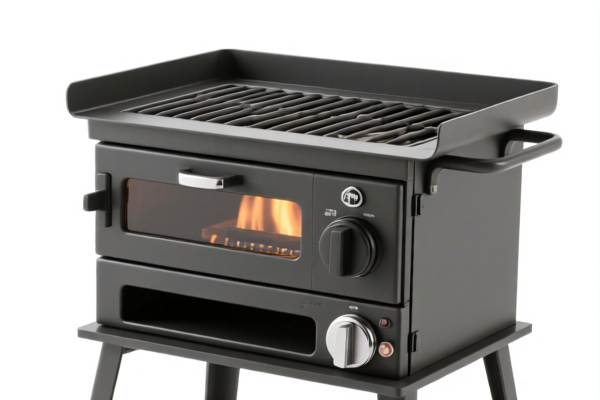
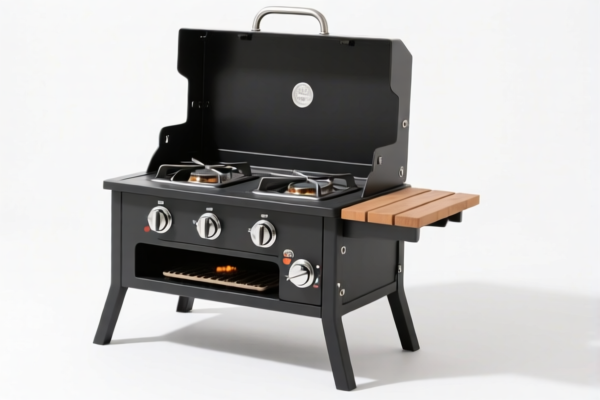
AI分析
🔥 Outdoor Stove (Portable Camping Gas Burners)
🌐 HS Code Reference & Customs Clearance Guide | 2026 Latest Tariff Analysis | Professional Clearance Strategy
📌 1. Product Definition & Classification: Do You Really Understand the "Outdoor Stove"?
An "Outdoor Stove" is a broad term in international trade, typically referring to portable cooking appliances used for camping, hiking, or backyard picnics. In customs classification, the key differentiator is function vs. form: * Gas Burners/Components: If the item is primarily a burner unit (gas supply/combustion component) without a full body/housing for a pot, it may be classified as a Burner. * Complete Cooking Utensils: If it is a complete, self-contained portable stove with a stand, pot support, and housing, it is classified as a Cooking Stove. * Material Conflict: The presence of steel, iron, or aluminum can trigger additional "Steel, Aluminum, Copper" tariffs in the US market.
⚠️ Key Distinction:
- If it functions primarily as a gas burner component (e.g., for RVs or outdoor heaters) → Go with 8416 series.
- If it is a portable cooking stove made of metal (steel/iron) → Go with 7321 series (high risk of high tariffs).
📦 2. HS Code Classification Details (Based on Provided Data)
| HS Code | Product Description | Applicable Scenario | Tax Rate (Total) | Key Features |
|---|---|---|---|---|
| 8416.20.00.80 | Outdoor Picnic Stove; classified as a Burner | Functional match with "Other stoves" burners | 17.5% | No material conflict; focuses on combustion function. |
| 7321.11.10.30 | Outdoor Picnic Stove; Metal (Iron/Steel) | Cooking appliance made of steel/iron | 90.7% | High Tariff: Subject to 50% Steel/Al/Cu surcharge. |
| 8416.20.00.40 | Outdoor Picnic Stove; Gas Burner | Gas supply/combustion component function | 17.5% | Matches "Gas Burner" usage; no material conflict. |
| 7321.11.10.60 | Portable Outdoor Camping Gas Stove | Portable, metal body, non-electric household cooking | 90.7% | Portable form factor; iron/steel material; high tariff risk. |
🔍 Critical Note:
- Items classified under 7321.11.10.30 and 7321.11.10.60 face a devastating 90.7% total tax rate due to the 50% "Steel, Aluminum, Copper Products" surcharge on top of base and Section 301 tariffs.
- Items classified under 8416 (Burners) have a significantly lower 17.5% rate, assuming they are not deemed "complete stoves" made of steel.
💰 3. Detailed 2026 Tariff Breakdown (Including Surcharges)
✅ Applicable Country: United States (US)
✅ Origin: China (CN)
✅ Effective Date: Post-2025 policy environment
🎯 1. 8416.20.00.80 & 8416.20.00.40 —— Gas Burners / Stove Burners
| Item | Content |
|---|---|
| Base Tariff | 0.0% (Ad valorem) |
| Section 301 Surcharge | +7.5% (Specific to HS 8416) |
| Section 122 Tariff | +10% |
| Total Tariff Rate | 17.5% |
| Tax Calculation | CIF Value × 17.5% |
| De Minimis Exemption | ❌ Not Applicable (Denied for this category) |
| Legal Basis Path | Section 301 → Section 122 → USITC 8416.20.00 |
📌 Explanation:
- These codes classify the product as a burner rather than a complete stove.
- The 17.5% rate is relatively low compared to steel articles.
- Strategy: Emphasize the "burner" function and "gas combustion" aspect in documentation to support this classification.
🎯 2. 7321.11.10.30 & 7321.11.10.60 —— Metal Cooking Stoves (Steel/Iron)
| Item | Content |
|---|---|
| Base Tariff | 5.7% |
| Section 301 Surcharge | +25.0% |
| Section 122 Tariff | +10% |
| Steel/Al/Cu Surcharge | +50% (Critical!) |
| Total Tariff Rate | 90.7% |
| Tax Calculation | CIF Value × 90.7% |
| De Minimis Exemption | ❌ Not Applicable (Denied for this category) |
| Legal Basis Path | Section 301 → Section 122 → Steel Surcharge → USITC 7321 |
📌 Explanation:
- The 50% Steel/Aluminum/Copper Surcharge is the primary driver of the 90.7% rate.
- This applies if the stove is considered a steel or iron cooking appliance.
- Risk: Misclassifying a steel camping stove as a burner (8416) when it is clearly a stove (7321) can lead to severe penalties and back taxes.
🛠️ 4. Customs Clearance Practical Advice (Avoiding Pitfalls)
✅ 1. Documentation Checklist (Mandatory)
| Document | Required | Description |
|---|---|---|
| Product Specifications | ✔️ | Must clearly state function (Burner vs. Stove), fuel type (Gas), and material composition. |
| Photos (Labeled) | ✔️ | Show the entire unit, labels, and any distinguishing features (e.g., "Gas Burner Assembly"). |
| Commercial Invoice | ✔️ | Use precise descriptions: "Gas Burner Unit" vs. "Portable Cooking Stove." Avoid vague terms like "Outdoor Item." |
| Material Certificate | ✔️ | Specify if the body is Steel, Iron, Aluminum, or Plastic. This is critical for the 50% surcharge determination. |
| Packing List | ✔️ | Detailed breakdown of contents (e.g., "1x Burner Kit," "1x Complete Stove with Pot Support"). |
✅ 2. Classification Strategy & Tips
🔥 "Function Over Form, Material Matters!"
| Scenario | Recommended Classification | Risk Level |
|---|---|---|
| Gas Burner Only (No stand/pot support, used for heating/combustion) | 8416.20.00.80 / 8416.20.00.40 | 🟢 Low (17.5%) |
| Complete Portable Stove (With stand, pot support, housing) made of Steel/Iron | 7321.11.10.30 / 7321.11.10.60 | 🔴 High (90.7%) |
| Stove with Aluminum Body | Check if Aluminum Surcharge applies | 🔴 High (Similar to Steel) |
| Plastic/Non-Metal Stove | Potentially different code (not in provided data) | 🟢 Verify with Customs |
💡 Pro Tip:
- If the product is primarily a burner component for larger systems (e.g., RV heaters, outdoor heaters), argue for 8416.
- If it is a standalone cooking appliance, it will likely fall under 7321. Do not attempt to misclassify a complete stove as a burner to avoid tariffs; the risk of audit and penalties is too high.
✅ 3. Special Circumstances
| Situation | Handling Advice |
|---|---|
| OEM Custom Burners | Provide design drawings showing it is a "burner assembly" rather than a complete cooking unit. |
| Mixed Materials | If the stove is primarily steel with plastic parts, it is still likely subject to the steel surcharge. Be transparent. |
| Portability | Highlighting "portable" does not exempt it from the 7321 classification if it is a cooking stove. |
🌍 5. Global Market Comparison (2026 Update)
| Country/Region | Recommended HS Code | Estimated Tariff | Key Requirement | Notes |
|---|---|---|---|---|
| 🇺🇸 USA | 8416.20.00.40 (Burner) |
17.5% | FCC/UL (if electric components) | Best Option if function allows. Avoid 7321 due to 90.7%. |
| 🇺🇸 USA | 7321.11.10.60 (Stove) |
90.7% | No special exemptions | High Cost. Only use if product is definitely a stove. |
| 🇨🇳 China | 7321.11.10.00 |
~5-10% | CCC (if applicable) | No Section 301 or Steel Surcharge. |
| 🇪🇺 EU | 7321.11.00.00 |
4.5% | CE/RoHS | No additional surcharges like US. |
📌 Conclusion:
- The US market is the most challenging due to the 90.7% tariff on steel stoves.
- Strategic Choice: If your product can be technically defined as a gas burner (8416) rather than a cooking stove (7321), you save 73.2% in tariffs.
- Ensure your product design and labeling support this "burner" classification to avoid customs disputes.
📌 6. Common Mistakes & Pitfalls (Lessons Learned)
❌ Mistake 1: Calling a complete steel camping stove a "Burner" to save taxes.
👉 Consequence: Customs audit, classification correction, back taxes of ~73.2%, and potential fines.
❌ Mistake 2: Ignoring the "Steel/Aluminum/Copper" surcharge.
👉 Consequence: Unexpected 50% extra charge on top of standard tariffs, leading to massive cost overruns.
❌ Mistake 3: Vague descriptions like "Outdoor Kitchen Item."
👉 Consequence: Customs delays, requests for additional information, and potential detention of goods.
✅ Correct Approach:
"Portable Gas Burner Unit, Model XYZ, For Outdoor Heating/Cooking Support, Steel Body, Non-Electric."
🎯 7. Conclusion: Smart Classification Saves Money!
🎯 Key Takeaways:
🔹 "Burner vs. Stove" is the critical decision.
🔹 "Steel" is the enemy of low tariffs in the US.
🔹 17.5% vs. 90.7% is a huge difference.
📌 Action Plan:
1. Review Product Design: Can it be marketed/emphasized as a burner component rather than a complete stove?
2. Check Material: Is it Steel/Iron? If yes, expect the 50% surcharge if classified as a stove.
3. Document Precisely: Use "Gas Burner" terminology if applicable.
4. Consult a Broker: Get a pre-classification ruling if the product is borderline.
📣 Immediate Action:
📞 Contact your customs broker with product photos and material specs.
🚀 Choose the right HS Code to protect your margins!
✨ Professional Customs Clearance Starts with Accurate Classification!
💼 Every percentage point saved is pure profit!
用户评价
关于 HS 编码归类
协调制度(HS)是由世界海关组织(WCO)制定的国际贸易商品分类标准。全球 200 多个国家采用 HS 系统作为海关关税、贸易统计和进出口监管的基础。
每个 HS 编码遵循以下层级结构:
- 章(2 位)——商品大类(例如:第 84 章:机器和机械设备)
- 品目(4 位)——章内的更具体分类
- 子目(6 位)——国际通用细分,所有 WCO 成员国统一使用
- 本国细分(8-10 位)——各国自行扩展的细分编码,如美国 HTSUS 10 位编码
正确的 HS 编码归类对于顺利通关、准确缴纳关税和遵守贸易法规至关重要。错误归类可能导致海关延误、多缴关税或罚款。
从CN进口到US时,适用的关税税率可能包括:
- 最惠国(MFN)税率——适用于 WTO 成员国的标准关税税率
- 普通税率——适用于无贸易协定国家
- 贸易救济关税——附加关税,如 301 条款(反倾销)、232 条款(国家安全)或反补贴税
本页内容仅供参考。如需正式归类,请咨询当地海关或持牌报关代理。