Outdoor Stove
CN → US| HS Code | Tariff Rate | Origin | Destination | Doc |
|---|---|---|---|---|
| 8416200080 | 17.5% | CN | US | Official Doc |
| 7321111030 | 90.7% | CN | US | Official Doc |
| 8416200040 | 17.5% | CN | US | Official Doc |
| 7321111060 | 90.7% | CN | US | Official Doc |
| 7321111060 | 90.7% | CN | US | Official Doc |
Product Images
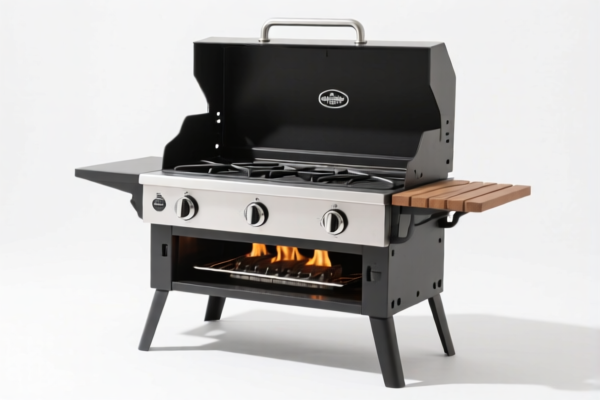
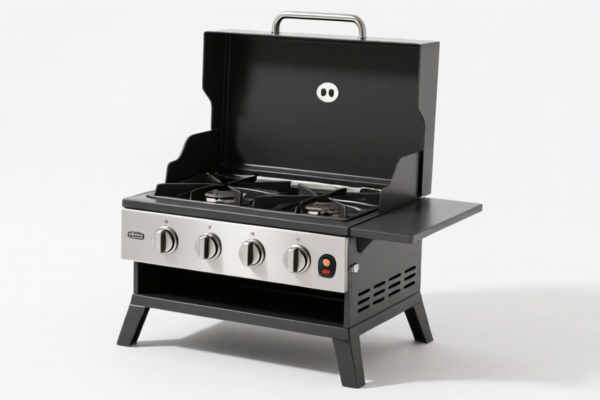
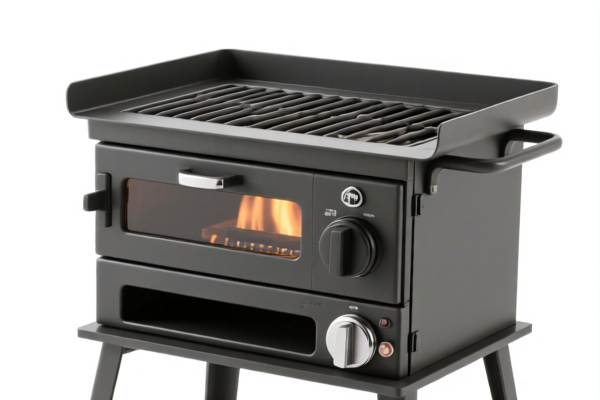
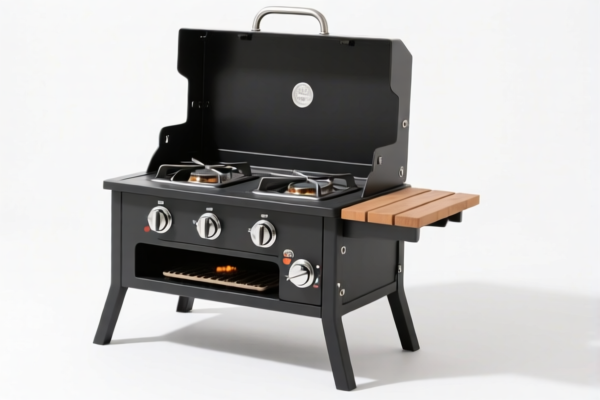
AI Analysis
🔥 Outdoor Stove (Portable Camping Gas Burners)
🌐 HS Code Reference & Customs Clearance Guide | 2026 Latest Tariff Analysis | Professional Clearance Strategy
📌 1. Product Definition & Classification: Do You Really Understand the "Outdoor Stove"?
An "Outdoor Stove" is a broad term in international trade, typically referring to portable cooking appliances used for camping, hiking, or backyard picnics. In customs classification, the key differentiator is function vs. form: * Gas Burners/Components: If the item is primarily a burner unit (gas supply/combustion component) without a full body/housing for a pot, it may be classified as a Burner. * Complete Cooking Utensils: If it is a complete, self-contained portable stove with a stand, pot support, and housing, it is classified as a Cooking Stove. * Material Conflict: The presence of steel, iron, or aluminum can trigger additional "Steel, Aluminum, Copper" tariffs in the US market.
⚠️ Key Distinction:
- If it functions primarily as a gas burner component (e.g., for RVs or outdoor heaters) → Go with 8416 series.
- If it is a portable cooking stove made of metal (steel/iron) → Go with 7321 series (high risk of high tariffs).
📦 2. HS Code Classification Details (Based on Provided Data)
| HS Code | Product Description | Applicable Scenario | Tax Rate (Total) | Key Features |
|---|---|---|---|---|
| 8416.20.00.80 | Outdoor Picnic Stove; classified as a Burner | Functional match with "Other stoves" burners | 17.5% | No material conflict; focuses on combustion function. |
| 7321.11.10.30 | Outdoor Picnic Stove; Metal (Iron/Steel) | Cooking appliance made of steel/iron | 90.7% | High Tariff: Subject to 50% Steel/Al/Cu surcharge. |
| 8416.20.00.40 | Outdoor Picnic Stove; Gas Burner | Gas supply/combustion component function | 17.5% | Matches "Gas Burner" usage; no material conflict. |
| 7321.11.10.60 | Portable Outdoor Camping Gas Stove | Portable, metal body, non-electric household cooking | 90.7% | Portable form factor; iron/steel material; high tariff risk. |
🔍 Critical Note:
- Items classified under 7321.11.10.30 and 7321.11.10.60 face a devastating 90.7% total tax rate due to the 50% "Steel, Aluminum, Copper Products" surcharge on top of base and Section 301 tariffs.
- Items classified under 8416 (Burners) have a significantly lower 17.5% rate, assuming they are not deemed "complete stoves" made of steel.
💰 3. Detailed 2026 Tariff Breakdown (Including Surcharges)
✅ Applicable Country: United States (US)
✅ Origin: China (CN)
✅ Effective Date: Post-2025 policy environment
🎯 1. 8416.20.00.80 & 8416.20.00.40 —— Gas Burners / Stove Burners
| Item | Content |
|---|---|
| Base Tariff | 0.0% (Ad valorem) |
| Section 301 Surcharge | +7.5% (Specific to HS 8416) |
| Section 122 Tariff | +10% |
| Total Tariff Rate | 17.5% |
| Tax Calculation | CIF Value × 17.5% |
| De Minimis Exemption | ❌ Not Applicable (Denied for this category) |
| Legal Basis Path | Section 301 → Section 122 → USITC 8416.20.00 |
📌 Explanation:
- These codes classify the product as a burner rather than a complete stove.
- The 17.5% rate is relatively low compared to steel articles.
- Strategy: Emphasize the "burner" function and "gas combustion" aspect in documentation to support this classification.
🎯 2. 7321.11.10.30 & 7321.11.10.60 —— Metal Cooking Stoves (Steel/Iron)
| Item | Content |
|---|---|
| Base Tariff | 5.7% |
| Section 301 Surcharge | +25.0% |
| Section 122 Tariff | +10% |
| Steel/Al/Cu Surcharge | +50% (Critical!) |
| Total Tariff Rate | 90.7% |
| Tax Calculation | CIF Value × 90.7% |
| De Minimis Exemption | ❌ Not Applicable (Denied for this category) |
| Legal Basis Path | Section 301 → Section 122 → Steel Surcharge → USITC 7321 |
📌 Explanation:
- The 50% Steel/Aluminum/Copper Surcharge is the primary driver of the 90.7% rate.
- This applies if the stove is considered a steel or iron cooking appliance.
- Risk: Misclassifying a steel camping stove as a burner (8416) when it is clearly a stove (7321) can lead to severe penalties and back taxes.
🛠️ 4. Customs Clearance Practical Advice (Avoiding Pitfalls)
✅ 1. Documentation Checklist (Mandatory)
| Document | Required | Description |
|---|---|---|
| Product Specifications | ✔️ | Must clearly state function (Burner vs. Stove), fuel type (Gas), and material composition. |
| Photos (Labeled) | ✔️ | Show the entire unit, labels, and any distinguishing features (e.g., "Gas Burner Assembly"). |
| Commercial Invoice | ✔️ | Use precise descriptions: "Gas Burner Unit" vs. "Portable Cooking Stove." Avoid vague terms like "Outdoor Item." |
| Material Certificate | ✔️ | Specify if the body is Steel, Iron, Aluminum, or Plastic. This is critical for the 50% surcharge determination. |
| Packing List | ✔️ | Detailed breakdown of contents (e.g., "1x Burner Kit," "1x Complete Stove with Pot Support"). |
✅ 2. Classification Strategy & Tips
🔥 "Function Over Form, Material Matters!"
| Scenario | Recommended Classification | Risk Level |
|---|---|---|
| Gas Burner Only (No stand/pot support, used for heating/combustion) | 8416.20.00.80 / 8416.20.00.40 | 🟢 Low (17.5%) |
| Complete Portable Stove (With stand, pot support, housing) made of Steel/Iron | 7321.11.10.30 / 7321.11.10.60 | 🔴 High (90.7%) |
| Stove with Aluminum Body | Check if Aluminum Surcharge applies | 🔴 High (Similar to Steel) |
| Plastic/Non-Metal Stove | Potentially different code (not in provided data) | 🟢 Verify with Customs |
💡 Pro Tip:
- If the product is primarily a burner component for larger systems (e.g., RV heaters, outdoor heaters), argue for 8416.
- If it is a standalone cooking appliance, it will likely fall under 7321. Do not attempt to misclassify a complete stove as a burner to avoid tariffs; the risk of audit and penalties is too high.
✅ 3. Special Circumstances
| Situation | Handling Advice |
|---|---|
| OEM Custom Burners | Provide design drawings showing it is a "burner assembly" rather than a complete cooking unit. |
| Mixed Materials | If the stove is primarily steel with plastic parts, it is still likely subject to the steel surcharge. Be transparent. |
| Portability | Highlighting "portable" does not exempt it from the 7321 classification if it is a cooking stove. |
🌍 5. Global Market Comparison (2026 Update)
| Country/Region | Recommended HS Code | Estimated Tariff | Key Requirement | Notes |
|---|---|---|---|---|
| 🇺🇸 USA | 8416.20.00.40 (Burner) |
17.5% | FCC/UL (if electric components) | Best Option if function allows. Avoid 7321 due to 90.7%. |
| 🇺🇸 USA | 7321.11.10.60 (Stove) |
90.7% | No special exemptions | High Cost. Only use if product is definitely a stove. |
| 🇨🇳 China | 7321.11.10.00 |
~5-10% | CCC (if applicable) | No Section 301 or Steel Surcharge. |
| 🇪🇺 EU | 7321.11.00.00 |
4.5% | CE/RoHS | No additional surcharges like US. |
📌 Conclusion:
- The US market is the most challenging due to the 90.7% tariff on steel stoves.
- Strategic Choice: If your product can be technically defined as a gas burner (8416) rather than a cooking stove (7321), you save 73.2% in tariffs.
- Ensure your product design and labeling support this "burner" classification to avoid customs disputes.
📌 6. Common Mistakes & Pitfalls (Lessons Learned)
❌ Mistake 1: Calling a complete steel camping stove a "Burner" to save taxes.
👉 Consequence: Customs audit, classification correction, back taxes of ~73.2%, and potential fines.
❌ Mistake 2: Ignoring the "Steel/Aluminum/Copper" surcharge.
👉 Consequence: Unexpected 50% extra charge on top of standard tariffs, leading to massive cost overruns.
❌ Mistake 3: Vague descriptions like "Outdoor Kitchen Item."
👉 Consequence: Customs delays, requests for additional information, and potential detention of goods.
✅ Correct Approach:
"Portable Gas Burner Unit, Model XYZ, For Outdoor Heating/Cooking Support, Steel Body, Non-Electric."
🎯 7. Conclusion: Smart Classification Saves Money!
🎯 Key Takeaways:
🔹 "Burner vs. Stove" is the critical decision.
🔹 "Steel" is the enemy of low tariffs in the US.
🔹 17.5% vs. 90.7% is a huge difference.
📌 Action Plan:
1. Review Product Design: Can it be marketed/emphasized as a burner component rather than a complete stove?
2. Check Material: Is it Steel/Iron? If yes, expect the 50% surcharge if classified as a stove.
3. Document Precisely: Use "Gas Burner" terminology if applicable.
4. Consult a Broker: Get a pre-classification ruling if the product is borderline.
📣 Immediate Action:
📞 Contact your customs broker with product photos and material specs.
🚀 Choose the right HS Code to protect your margins!
✨ Professional Customs Clearance Starts with Accurate Classification!
💼 Every percentage point saved is pure profit!
Customer Reviews
About HS Code Classification
The Harmonized System (HS) is an internationally standardized nomenclature developed by the World Customs Organization (WCO) to classify traded products. Over 200 countries use the HS system as the basis for customs tariffs, trade statistics, and import/export regulations.
Each HS code follows a hierarchical structure:
- Chapter (2 digits) — Broad category of goods (e.g., Chapter 84: Machinery and Mechanical Appliances)
- Heading (4 digits) — More specific grouping within the chapter
- Subheading (6 digits) — Internationally standardized breakdown, used by all WCO member countries
- National subdivisions (8-10 digits) — Country-specific extensions for further classification, such as US HTSUS 10-digit codes
Correct HS code classification is essential for smooth customs clearance, accurate duty payment, and compliance with trade regulations. Misclassification can lead to customs delays, overpayment of duties, or penalties.
When importing from CN to US, the applicable tariff rates may include:
- Most-Favored-Nation (MFN) rate — The standard duty rate applied to WTO members
- General rate — Applied to countries without trade agreements
- Trade remedy duties — Additional tariffs such as Section 301 (anti-dumping), Section 232 (national security), or countervailing duties
The information provided on this page is for reference purposes only. For official classification, please consult with your local customs authority or a licensed customs broker.