PE Composite Food Packaging Bag
CN → US| HS编码 | 关税税率 | 原产国 | 目的国 | 文档 |
|---|---|---|---|---|
| 4819400040 | 35.0% | CN | US | 官方文档 |
| 7607201000 | 13.7% | CN | US | 官方文档 |
| 7607205000 | 17.5% | CN | US | 官方文档 |
| 4819502000 | 35.0% | CN | US | 官方文档 |
商品图片
AI分析
🛍️ PE Composite Food Packaging Bags (Paper, Paperboard, & Aluminum Foil Composites)
🌐 HS Code Reference & Customs Clearance Guide | 2026 Latest Tariff Analysis | Professional Level Clearance Strategy
📌 1. Product Definition & Classification: Do You Really Understand "PE Composite Bags"?
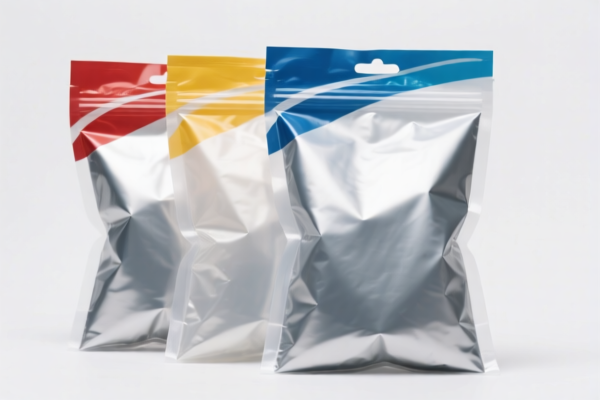
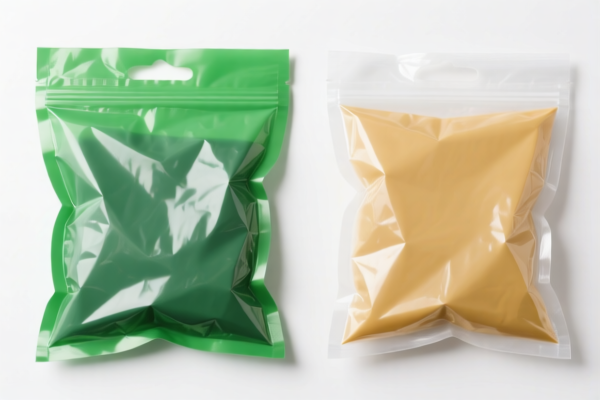
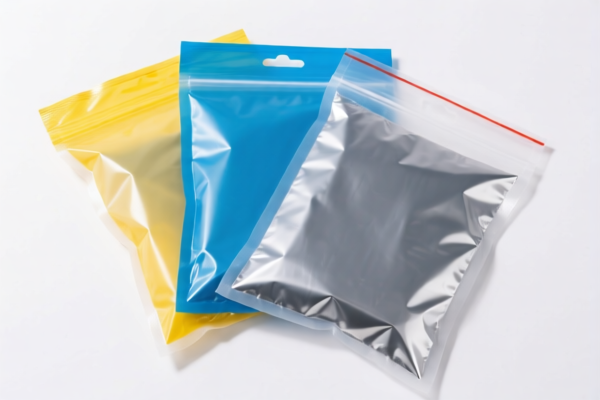
PE Composite Food Packaging Bags are multi-layered flexible packaging solutions widely used in the food industry. They typically combine materials like Paper/Paperboard and Aluminum Foil with Polyethylene (PE) layers to provide barrier properties (moisture, oxygen, light) and sealability.
In international trade, these are not a single unified code but are split based on material composition and end-use:
Paper/Cardboard-Based Bags (e.g., Coffee Bags, Flour Bags):
Composite bags where the structural material is paper or paperboard, coated or laminated with PE or aluminum foil.
- Key Feature: Stiffness, printability, structural integrity from paper.
Aluminum Foil-Based Bags (e.g., Vacuum Packs, Stand-up Pouches):
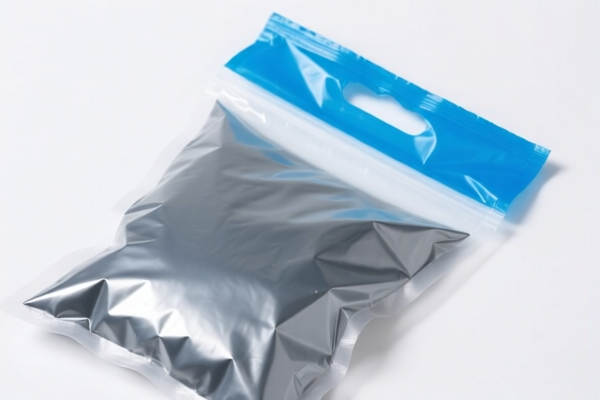
Composite bags where aluminum foil is the primary barrier material, often laminated with PE or paper.
- Key Feature: High barrier against light/oxygen, metallic appearance, thin profile.
⚠️ Key Distinction:
- If the bag is primarily paper/paperboard based (even with foil backing) → Look at Chapter 48.
- If the bag is primarily aluminum foil based (thickness ≤ 0.2mm) → Look at Chapter 76.
- Note: Pure plastic (PE-only) bags are excluded from this specific dataset and fall under Chapter 39.
📦 2. HS Code Classification Details (2026 Latest Tariff Authority Comparison)
| HS Code | Product Description | Application Scenario | Material Composition |
|---|---|---|---|
4819.40.00.40 |
Other sacks and bags (including cones), of paper/paperboard/cellulose wadding | Coffee bean bags, pet food bags, dry goods packaging | Paper/Paperboard + PE/Foil Lamination |
4819.50.20.00 |
Sanitary food and beverage containers (Other packing containers) | Liquid food cartons, beverage boxes, sanitary packaging | Paper/Paperboard + PE + Foil |
7607.20.50.00 |
Aluminum foil backed (Other) | Vacuum seal bags, stand-up pouches with foil layer | Aluminum Foil ≤0.2mm + PE/Paper Backing |
7607.20.10.00 |
Aluminum foil covered/decorated (Character, Design, Fancy Effect) | Branded snack bags, premium cosmetic food packaging | Printed/Decorated Aluminum Foil + PE |
🔍 Critical Reminder:
- If the packaging is rigid (box-like), it may fall under4819.50; if flexible (bag-like), it falls under4819.40.
- If the main barrier layer is aluminum foil, ensure thickness is ≤ 0.2mm to qualify for Chapter 76.
- "Food Grade" Claim: Customs may require additional declarations regarding FDA/LFGB compliance, but the HS code is determined by material structure, not content.
💰 3. 2026 Latest Tariff Rate Details (Including Surtaxes & Policy Surcharges)
✅ Applicable Country: United States (US)
✅ Country of Origin: China (CN)
✅ Effective Date: Post-November 2025 Importations
🎯 1. 4819.40.00.40 —— Other Sacks and Bags (Paper-based)
| Item | Content |
|---|---|
| Base Tariff Rate | 0% (ad valorem) |
| Section 301 Surcharge | +25.0% (List 3/4a items) |
| Total Tax Rate | 25.0% |
| Tax Calculation | CIF Value × 25% |
| De Minimis Exemption | ❌ Not Applicable (High tariff items excluded from $800 exemption in most cases) |
| Legal Basis Path | USITC:4819.40.00.40 → HTSUS Footnote: Section 301 |
📌 Explanation:
- Paper-based packaging is subject to the 25% surtax under US Trade Law Section 301.
- No base duty, but the 25% is significant for low-margin packaging goods.
🎯 2. 4819.50.20.00 —— Sanitary Food & Beverage Containers
| Item | Content |
|---|---|
| Base Tariff Rate | 0% |
| Section 301 Surcharge | +25.0% |
| Total Tax Rate | 25.0% |
| Tax Calculation | CIF Value × 25% |
| De Minimis Exemption | ❌ Not Applicable |
| Legal Basis Path | USITC:4819.50.20.00 → HTSUS Footnote: Section 301 |
📌 Note:
- Includes rigid or semi-rigid containers like gable-top juice cartons or laminated boxes.
- If the product is a flexible bag but declared as a "container," ensure the description matches the physical form to avoid misclassification.
🎯 3. 7607.20.50.00 —— Backed Aluminum Foil (Other)
| Item | Content |
|---|---|
| Base Tariff Rate | 0% |
| Section 301 Surcharge | +7.5% (Lower tier for some aluminum products) |
| Total Tax Rate | 7.5% |
| Tax Calculation | CIF Value × 7.5% |
| De Minimis Exemption | ❌ Not Applicable |
| Legal Basis Path | USITC:7607.20.50.00 → HTSUS Footnote: Section 301 |
📌 Explanation:
- Aluminum foil-based packaging enjoys a lower surtax (7.5%) compared to paper-based (25%).
- This applies to standard backed foil without specific decorative patterns.
🎯 4. 7607.20.10.00 —— Decorated/Covered Aluminum Foil
| Item | Content |
|---|---|
| Base Tariff Rate | 0% |
| Section 301 Surcharge | 0.0% |
| Total Tax Rate | 0.0% |
| Tax Calculation | N/A |
| De Minimis Exemption | ❌ Not Applicable (Due to 0% rate, exemption irrelevant) |
| Legal Basis Path | USITC:7607.20.10.00 |
📌 Critical Advantage:
- Decorated or printed aluminum foil (with characters, designs, fancy effects) is exempt from the 301 surtax in this specific subheading.
- This is a major cost-saving opportunity for premium branded packaging.
- Condition: The decoration must be integral to the foil product (printed/laminated during manufacturing).
🛠️ 4. Customs Clearance Practical Advice (Real-World Pitfall Guide)
✅ 1. Required Documentation Checklist (Non-Negotiable)
| Document | Mandatory | Description |
|---|---|---|
| ✅ Product Specification Sheet | ✔️ | Detail layers (e.g., PET/Al/PE), total thickness, barrier properties. |
| ✅ Material Composition Breakdown | ✔️ | % of paper, foil, plastic. Crucial for HS Code determination. |
| ✅ Product Photos | ✔️ | Show full bag, close-up of texture, and any printed designs. |
| ✅ FDA Compliance Statement | ✔️ | If intended for food contact, state compliance with 21 CFR 175.105 etc. |
| ✅ Commercial Invoice | ✔️ | Clearly describe as "Composite Food Packaging Bag," specify material. |
| ✅ Packing List | ✔️ | Net/Gross weight, number of rolls/pieces. |
✅ 2. Declaration Tips (Key Mantras)
🔥 "Material Defines Code, Decoration Lowers Tax, Be Specific, Avoid Penalties!"
| Scenario | Correct Declaration | Wrong Practice |
|---|---|---|
| Paper-based bag with foil lining | 4819.40.00.40 |
Declare as "Plastic Bag" → Misclassification risk |
| Liquid food box | 4819.50.20.00 |
Declare as "Bag" → Wrong category (Container vs Bag) |
| Printed snack bag (Alu-foil) | 7607.20.10.00 |
Declare as 7607.20.50.00 → Extra 7.5% Tax! |
| Plain foil roll for bag making | 7607.20.50.00 |
Declare as 7607.20.10.00 → Risk of audit if no print |
✅ 3. Special Case Handling
| Scenario | Handling Advice |
|---|---|
| OEM Custom Bags with Logo | Ensure the logo is printed on the foil layer. If printed on outer paper, it may still fall under 4819.40. |
| "Food Grade" Claims | Provide Migration Test Reports if requested. Customs may hold cargo for FDA sampling. |
| Mixed Shipments | If a shipment contains both 7607.20.10.00 (0%) and 4819.40.00.40 (25%), separate them in documentation. |
| Rolls vs. Pre-made Bags | "Rolls of foil" vs "Pre-made bags" might differ. 7607 is often for foil rolls; 4819 for finished bags. Confirm with supplier. |
🌍 5. Global Market Comparison (2026 Latest)
| Country/Region | Recommended HS Code | Tariff (China Origin) | Certification | Note |
|---|---|---|---|---|
| 🇺🇸 USA | 7607.20.10.00 |
0% | FDA + Prop 65 | Best for decorated foil bags |
| 🇺🇸 USA | 4819.40.00.40 |
25% | FDA + Prop 65 | High cost for paper-based |
| 🇨🇳 China | 4819.40 / 7607.20 |
0% - 5% | GB Standards | Low export duty, focus on importers |
| 🇪🇺 EU | 4819 / 7607 |
0% - 2.5% | REACH + LFGB | Strict food contact migration tests |
| 🇯🇵 Japan | 4819 / 7607 |
0% - 3.5% | JIS + Food Sanitation Act | High barrier requirements |
📌 Conclusion:
- USA: Decorated aluminum foil bags (7607.20.10.00) are the only zero-tariff option in this dataset.
- Paper-based bags face a steep 25% surcharge.
- Strategy: If possible, shift to printed aluminum foil composite bags to leverage the 0% tariff vs. 25%.
📌 6. Common Errors & Pitfall Guide (Blood & Tears Lessons)
❌ Error 1: Declaring a printed aluminum foil bag as 7607.20.50.00 ("Other")
👉 Consequence: Pay 7.5% extra tax unnecessarily.
👉 Fix: Provide proof of printing/design to claim 7607.20.10.00.
❌ Error 2: Declaring a paper-based bag as "Plastic Bag" (Chapter 39)
👉 Consequence: Misclassification, potential seizure, or back-taxes + penalties.
👉 Fix: Clearly state "Paper/Paperboard composite."
❌ Error 3: Ignoring Food Contact Material (FCM) Regulations
👉 Consequence: FDA holds cargo for testing, causing delays and demurrage fees.
👉 Fix: Include FDA compliance statement and test reports.
❌ Error 4: Mixing Rigid Boxes and Flexible Bags in one HS Code
👉 Consequence: Customs may reject the "Bag" code for box-like items.
👉 Fix: Use 4819.50 for boxes/cartons, 4819.40 for flexible sacks.
✅ Correct Declaration Example:
"Pre-made Flexible Packaging Bags, Composite Material (Outer: Printed Aluminum Foil 0.15mm, Inner: PE Layer), Food Grade, For Snack Packaging, Model: XYZ"
🎯 7. Conclusion: Professional Declaration, Cost Optimization!
🎯 Remember the Mantra:
🔹 "Foil Decorated = 0% Tax!"
🔹 "Paper Based = 25% Tax!"
🔹 "Material Defines Code, Documentation Saves Time!"🔹 "HS Code Determines Tax, Declaration Details Determine Clearance Speed!"
📌 Pro Tip:
If your supplier uses printed aluminum foil as the primary barrier, insist on the HS Code 7607.20.10.00. The 7.5% to 25% savings is substantial for high-volume packaging.
📣 Immediate Action:
📞 Confirm with your supplier: "Is the aluminum foil printed/laminated with a design?"
📄 Request FDA Compliance Docs for food contact.
🚀 Optimize your HS Code to save up to 25% in duties!
✨ Professional Customs Clearance Starts with Accurate Classification!
💼 Every Percent of Duty Saved is Pure Profit!
用户评价
关于 HS 编码归类
协调制度(HS)是由世界海关组织(WCO)制定的国际贸易商品分类标准。全球 200 多个国家采用 HS 系统作为海关关税、贸易统计和进出口监管的基础。
每个 HS 编码遵循以下层级结构:
- 章(2 位)——商品大类(例如:第 84 章:机器和机械设备)
- 品目(4 位)——章内的更具体分类
- 子目(6 位)——国际通用细分,所有 WCO 成员国统一使用
- 本国细分(8-10 位)——各国自行扩展的细分编码,如美国 HTSUS 10 位编码
正确的 HS 编码归类对于顺利通关、准确缴纳关税和遵守贸易法规至关重要。错误归类可能导致海关延误、多缴关税或罚款。
从CN进口到US时,适用的关税税率可能包括:
- 最惠国(MFN)税率——适用于 WTO 成员国的标准关税税率
- 普通税率——适用于无贸易协定国家
- 贸易救济关税——附加关税,如 301 条款(反倾销)、232 条款(国家安全)或反补贴税
本页内容仅供参考。如需正式归类,请咨询当地海关或持牌报关代理。