PE Composite Food Packaging Bag
CN → US| HS Code | Tariff Rate | Origin | Destination | Doc |
|---|---|---|---|---|
| 4819400040 | 35.0% | CN | US | Official Doc |
| 7607201000 | 13.7% | CN | US | Official Doc |
| 7607205000 | 17.5% | CN | US | Official Doc |
| 4819502000 | 35.0% | CN | US | Official Doc |
Product Images
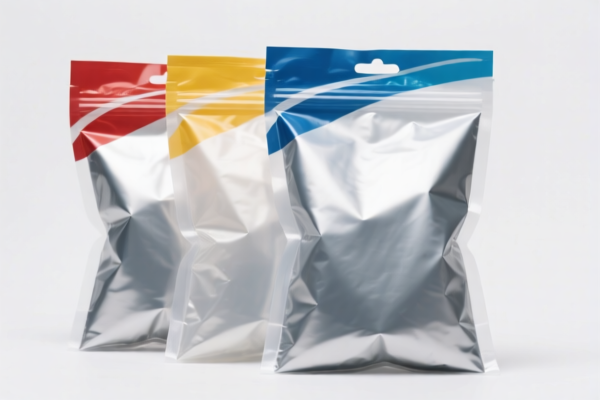
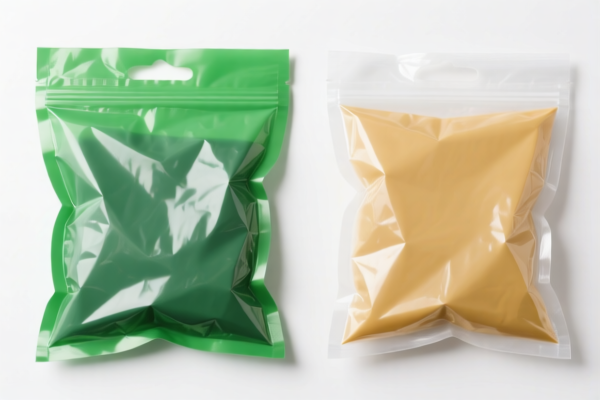
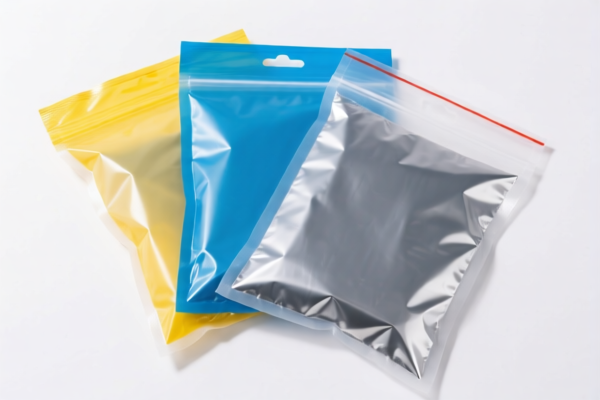
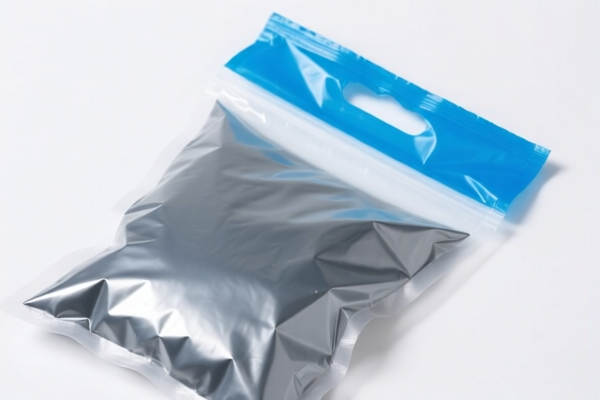
AI Analysis
🛍️ PE Composite Food Packaging Bags (Paper, Paperboard, & Aluminum Foil Composites)
🌐 HS Code Reference & Customs Clearance Guide | 2026 Latest Tariff Analysis | Professional Level Clearance Strategy
📌 1. Product Definition & Classification: Do You Really Understand "PE Composite Bags"?
PE Composite Food Packaging Bags are multi-layered flexible packaging solutions widely used in the food industry. They typically combine materials like Paper/Paperboard and Aluminum Foil with Polyethylene (PE) layers to provide barrier properties (moisture, oxygen, light) and sealability.
In international trade, these are not a single unified code but are split based on material composition and end-use:
Paper/Cardboard-Based Bags (e.g., Coffee Bags, Flour Bags):
Composite bags where the structural material is paper or paperboard, coated or laminated with PE or aluminum foil.
- Key Feature: Stiffness, printability, structural integrity from paper.
Aluminum Foil-Based Bags (e.g., Vacuum Packs, Stand-up Pouches):
Composite bags where aluminum foil is the primary barrier material, often laminated with PE or paper.
- Key Feature: High barrier against light/oxygen, metallic appearance, thin profile.
⚠️ Key Distinction:
- If the bag is primarily paper/paperboard based (even with foil backing) → Look at Chapter 48.
- If the bag is primarily aluminum foil based (thickness ≤ 0.2mm) → Look at Chapter 76.
- Note: Pure plastic (PE-only) bags are excluded from this specific dataset and fall under Chapter 39.
📦 2. HS Code Classification Details (2026 Latest Tariff Authority Comparison)
| HS Code | Product Description | Application Scenario | Material Composition |
|---|---|---|---|
4819.40.00.40 |
Other sacks and bags (including cones), of paper/paperboard/cellulose wadding | Coffee bean bags, pet food bags, dry goods packaging | Paper/Paperboard + PE/Foil Lamination |
4819.50.20.00 |
Sanitary food and beverage containers (Other packing containers) | Liquid food cartons, beverage boxes, sanitary packaging | Paper/Paperboard + PE + Foil |
7607.20.50.00 |
Aluminum foil backed (Other) | Vacuum seal bags, stand-up pouches with foil layer | Aluminum Foil ≤0.2mm + PE/Paper Backing |
7607.20.10.00 |
Aluminum foil covered/decorated (Character, Design, Fancy Effect) | Branded snack bags, premium cosmetic food packaging | Printed/Decorated Aluminum Foil + PE |
🔍 Critical Reminder:
- If the packaging is rigid (box-like), it may fall under4819.50; if flexible (bag-like), it falls under4819.40.
- If the main barrier layer is aluminum foil, ensure thickness is ≤ 0.2mm to qualify for Chapter 76.
- "Food Grade" Claim: Customs may require additional declarations regarding FDA/LFGB compliance, but the HS code is determined by material structure, not content.
💰 3. 2026 Latest Tariff Rate Details (Including Surtaxes & Policy Surcharges)
✅ Applicable Country: United States (US)
✅ Country of Origin: China (CN)
✅ Effective Date: Post-November 2025 Importations
🎯 1. 4819.40.00.40 —— Other Sacks and Bags (Paper-based)
| Item | Content |
|---|---|
| Base Tariff Rate | 0% (ad valorem) |
| Section 301 Surcharge | +25.0% (List 3/4a items) |
| Total Tax Rate | 25.0% |
| Tax Calculation | CIF Value × 25% |
| De Minimis Exemption | ❌ Not Applicable (High tariff items excluded from $800 exemption in most cases) |
| Legal Basis Path | USITC:4819.40.00.40 → HTSUS Footnote: Section 301 |
📌 Explanation:
- Paper-based packaging is subject to the 25% surtax under US Trade Law Section 301.
- No base duty, but the 25% is significant for low-margin packaging goods.
🎯 2. 4819.50.20.00 —— Sanitary Food & Beverage Containers
| Item | Content |
|---|---|
| Base Tariff Rate | 0% |
| Section 301 Surcharge | +25.0% |
| Total Tax Rate | 25.0% |
| Tax Calculation | CIF Value × 25% |
| De Minimis Exemption | ❌ Not Applicable |
| Legal Basis Path | USITC:4819.50.20.00 → HTSUS Footnote: Section 301 |
📌 Note:
- Includes rigid or semi-rigid containers like gable-top juice cartons or laminated boxes.
- If the product is a flexible bag but declared as a "container," ensure the description matches the physical form to avoid misclassification.
🎯 3. 7607.20.50.00 —— Backed Aluminum Foil (Other)
| Item | Content |
|---|---|
| Base Tariff Rate | 0% |
| Section 301 Surcharge | +7.5% (Lower tier for some aluminum products) |
| Total Tax Rate | 7.5% |
| Tax Calculation | CIF Value × 7.5% |
| De Minimis Exemption | ❌ Not Applicable |
| Legal Basis Path | USITC:7607.20.50.00 → HTSUS Footnote: Section 301 |
📌 Explanation:
- Aluminum foil-based packaging enjoys a lower surtax (7.5%) compared to paper-based (25%).
- This applies to standard backed foil without specific decorative patterns.
🎯 4. 7607.20.10.00 —— Decorated/Covered Aluminum Foil
| Item | Content |
|---|---|
| Base Tariff Rate | 0% |
| Section 301 Surcharge | 0.0% |
| Total Tax Rate | 0.0% |
| Tax Calculation | N/A |
| De Minimis Exemption | ❌ Not Applicable (Due to 0% rate, exemption irrelevant) |
| Legal Basis Path | USITC:7607.20.10.00 |
📌 Critical Advantage:
- Decorated or printed aluminum foil (with characters, designs, fancy effects) is exempt from the 301 surtax in this specific subheading.
- This is a major cost-saving opportunity for premium branded packaging.
- Condition: The decoration must be integral to the foil product (printed/laminated during manufacturing).
🛠️ 4. Customs Clearance Practical Advice (Real-World Pitfall Guide)
✅ 1. Required Documentation Checklist (Non-Negotiable)
| Document | Mandatory | Description |
|---|---|---|
| ✅ Product Specification Sheet | ✔️ | Detail layers (e.g., PET/Al/PE), total thickness, barrier properties. |
| ✅ Material Composition Breakdown | ✔️ | % of paper, foil, plastic. Crucial for HS Code determination. |
| ✅ Product Photos | ✔️ | Show full bag, close-up of texture, and any printed designs. |
| ✅ FDA Compliance Statement | ✔️ | If intended for food contact, state compliance with 21 CFR 175.105 etc. |
| ✅ Commercial Invoice | ✔️ | Clearly describe as "Composite Food Packaging Bag," specify material. |
| ✅ Packing List | ✔️ | Net/Gross weight, number of rolls/pieces. |
✅ 2. Declaration Tips (Key Mantras)
🔥 "Material Defines Code, Decoration Lowers Tax, Be Specific, Avoid Penalties!"
| Scenario | Correct Declaration | Wrong Practice |
|---|---|---|
| Paper-based bag with foil lining | 4819.40.00.40 |
Declare as "Plastic Bag" → Misclassification risk |
| Liquid food box | 4819.50.20.00 |
Declare as "Bag" → Wrong category (Container vs Bag) |
| Printed snack bag (Alu-foil) | 7607.20.10.00 |
Declare as 7607.20.50.00 → Extra 7.5% Tax! |
| Plain foil roll for bag making | 7607.20.50.00 |
Declare as 7607.20.10.00 → Risk of audit if no print |
✅ 3. Special Case Handling
| Scenario | Handling Advice |
|---|---|
| OEM Custom Bags with Logo | Ensure the logo is printed on the foil layer. If printed on outer paper, it may still fall under 4819.40. |
| "Food Grade" Claims | Provide Migration Test Reports if requested. Customs may hold cargo for FDA sampling. |
| Mixed Shipments | If a shipment contains both 7607.20.10.00 (0%) and 4819.40.00.40 (25%), separate them in documentation. |
| Rolls vs. Pre-made Bags | "Rolls of foil" vs "Pre-made bags" might differ. 7607 is often for foil rolls; 4819 for finished bags. Confirm with supplier. |
🌍 5. Global Market Comparison (2026 Latest)
| Country/Region | Recommended HS Code | Tariff (China Origin) | Certification | Note |
|---|---|---|---|---|
| 🇺🇸 USA | 7607.20.10.00 |
0% | FDA + Prop 65 | Best for decorated foil bags |
| 🇺🇸 USA | 4819.40.00.40 |
25% | FDA + Prop 65 | High cost for paper-based |
| 🇨🇳 China | 4819.40 / 7607.20 |
0% - 5% | GB Standards | Low export duty, focus on importers |
| 🇪🇺 EU | 4819 / 7607 |
0% - 2.5% | REACH + LFGB | Strict food contact migration tests |
| 🇯🇵 Japan | 4819 / 7607 |
0% - 3.5% | JIS + Food Sanitation Act | High barrier requirements |
📌 Conclusion:
- USA: Decorated aluminum foil bags (7607.20.10.00) are the only zero-tariff option in this dataset.
- Paper-based bags face a steep 25% surcharge.
- Strategy: If possible, shift to printed aluminum foil composite bags to leverage the 0% tariff vs. 25%.
📌 6. Common Errors & Pitfall Guide (Blood & Tears Lessons)
❌ Error 1: Declaring a printed aluminum foil bag as 7607.20.50.00 ("Other")
👉 Consequence: Pay 7.5% extra tax unnecessarily.
👉 Fix: Provide proof of printing/design to claim 7607.20.10.00.
❌ Error 2: Declaring a paper-based bag as "Plastic Bag" (Chapter 39)
👉 Consequence: Misclassification, potential seizure, or back-taxes + penalties.
👉 Fix: Clearly state "Paper/Paperboard composite."
❌ Error 3: Ignoring Food Contact Material (FCM) Regulations
👉 Consequence: FDA holds cargo for testing, causing delays and demurrage fees.
👉 Fix: Include FDA compliance statement and test reports.
❌ Error 4: Mixing Rigid Boxes and Flexible Bags in one HS Code
👉 Consequence: Customs may reject the "Bag" code for box-like items.
👉 Fix: Use 4819.50 for boxes/cartons, 4819.40 for flexible sacks.
✅ Correct Declaration Example:
"Pre-made Flexible Packaging Bags, Composite Material (Outer: Printed Aluminum Foil 0.15mm, Inner: PE Layer), Food Grade, For Snack Packaging, Model: XYZ"
🎯 7. Conclusion: Professional Declaration, Cost Optimization!
🎯 Remember the Mantra:
🔹 "Foil Decorated = 0% Tax!"
🔹 "Paper Based = 25% Tax!"
🔹 "Material Defines Code, Documentation Saves Time!"🔹 "HS Code Determines Tax, Declaration Details Determine Clearance Speed!"
📌 Pro Tip:
If your supplier uses printed aluminum foil as the primary barrier, insist on the HS Code 7607.20.10.00. The 7.5% to 25% savings is substantial for high-volume packaging.
📣 Immediate Action:
📞 Confirm with your supplier: "Is the aluminum foil printed/laminated with a design?"
📄 Request FDA Compliance Docs for food contact.
🚀 Optimize your HS Code to save up to 25% in duties!
✨ Professional Customs Clearance Starts with Accurate Classification!
💼 Every Percent of Duty Saved is Pure Profit!
Customer Reviews
About HS Code Classification
The Harmonized System (HS) is an internationally standardized nomenclature developed by the World Customs Organization (WCO) to classify traded products. Over 200 countries use the HS system as the basis for customs tariffs, trade statistics, and import/export regulations.
Each HS code follows a hierarchical structure:
- Chapter (2 digits) — Broad category of goods (e.g., Chapter 84: Machinery and Mechanical Appliances)
- Heading (4 digits) — More specific grouping within the chapter
- Subheading (6 digits) — Internationally standardized breakdown, used by all WCO member countries
- National subdivisions (8-10 digits) — Country-specific extensions for further classification, such as US HTSUS 10-digit codes
Correct HS code classification is essential for smooth customs clearance, accurate duty payment, and compliance with trade regulations. Misclassification can lead to customs delays, overpayment of duties, or penalties.
When importing from CN to US, the applicable tariff rates may include:
- Most-Favored-Nation (MFN) rate — The standard duty rate applied to WTO members
- General rate — Applied to countries without trade agreements
- Trade remedy duties — Additional tariffs such as Section 301 (anti-dumping), Section 232 (national security), or countervailing duties
The information provided on this page is for reference purposes only. For official classification, please consult with your local customs authority or a licensed customs broker.