PET Metallized Thin Film
CN → US| HS编码 | 关税税率 | 原产国 | 目的国 | 文档 |
|---|---|---|---|---|
| 7607201000 | 13.7% | CN | US | 官方文档 |
| 3926909989 | 22.8% | CN | US | 官方文档 |
| 7607205000 | 17.5% | CN | US | 官方文档 |
| 3926909400 | 35.0% | CN | US | 官方文档 |
| 7607201000 | 13.7% | CN | US | 官方文档 |
商品图片

AI分析
🎬 PET Metallized Thin Film (PET镀铝防静电膜)
🌐 HS Code Reference & Customs Clearance Guide | 2026 Latest Tariff Analysis | Strategic Classification Strategy
📌 I. Product Definition & Classification: Do You Truly Understand "PET Metallized Thin Film"?
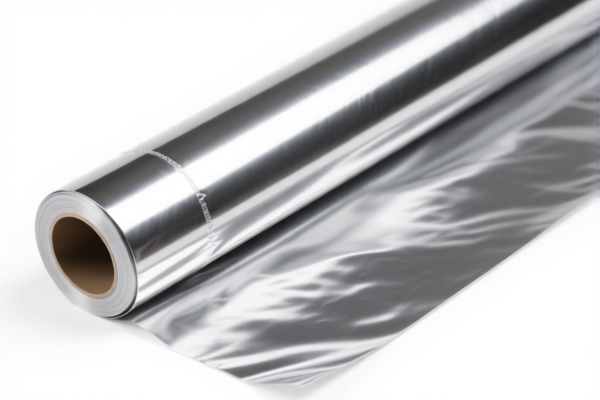
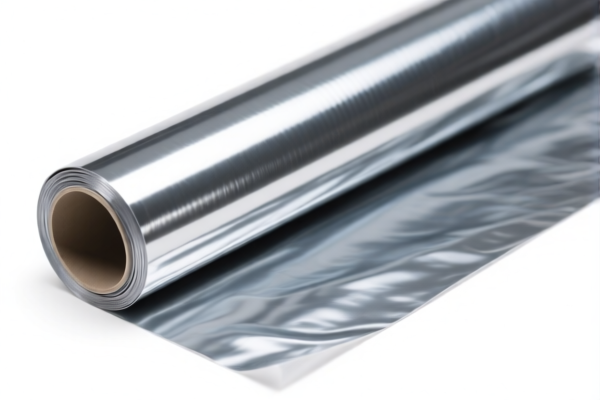
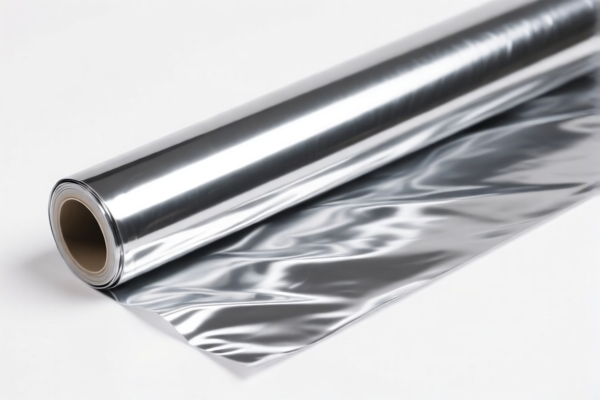
PET Metallized Thin Film, specifically the anti-static variant described in the data, is a composite material consisting of a Polyethylene Terephthalate (PET) plastic base coated with an aluminum layer. It is primarily used in electronics, packaging, and industrial applications to provide electromagnetic interference (EMI) shielding, static dissipation, and moisture barrier properties.
In international trade, classification depends heavily on structure (is it a metal foil with a plastic backing? or a plastic film with a metal coating?) and function (static control vs. general packaging).
⚠️ Key Classification Divergence:
- If classified as Aluminum Foil with Plastic Backing → Chapter 76 (Aluminum)
- If classified as Other Plastic Articles/Films → Chapter 39 (Plastics)
- The presence of "Anti-Static" functionality does NOT change the HS Code directly but influences the "Description" in customs declarations.
📦 II. HS Code Classification Details (Based on Provided Data)
| HS Code | Product Description | Classification Logic | Total Tax Rate (Approx.) |
|---|---|---|---|
| 7607.20.10.00 | Aluminum foil, with backing of paper, paperboard, plastics or textile materials; thickness of foil < 0.2mm; Plastic backing | ✅ Primary Recommendation: Fits "Aluminum foil with plastic backing." The PET is the backing, Al is the foil. | 13.7% |
| 7607.20.50.00 | Aluminum foil, with backing of paper, paperboard, plastics or textile materials; thickness of foil ≥ 0.2mm; Plastic backing | ✅ Alternative: Same structure but assumes different thickness criteria. | 17.5% |
| 3926.90.99.89 | Other articles of plastics; PET film with metal coating; No specific exclusion | ⚠️ Risk Classification: Treated as a generic plastic article due to the metallization process. | 22.8% |
| 3926.90.94.00 | Other articles of plastics; Plastic sheet/film; No metal/raw material conflict | ❌ Highest Risk: Treated as a pure plastic product, ignoring the aluminum layer's significance. | 35.0% |
🔍 Critical Analysis:
- 7607.20 codes are generally preferred for "foil with backing" because they reflect the metallic component's structural role.
- 3926.90 codes treat the product as a plastic good, often resulting in higher tariffs due to additional trade restrictions (see Tax Details below).
💰 III. 2026 Latest Tariff Rate Breakdown (Detailed)
✅ Applicable Country: United States (US)
✅ Origin: China (CN)
✅ Note: Rates include Base Tariff, Section 301 (Add-on), and Section 122 Tariff (10%).
🎯 1. 7607.20.10.00 – Aluminum Foil, Plastic Backing (<0.2mm)
| Item | Detail |
|---|---|
| Base Tariff | 3.7% (Ad Valorem) |
| Section 301 Add-on | 0.0% |
| Section 122 Tariff | +10.0% (Specific to this category in the provided data) |
| Total Effective Rate | 13.7% |
| Calculation | CIF Value × 13.7% |
| Legal Basis | Harmonized Tariff Schedule (HTS) 7607.20.10.00 |
📌 Interpretation:
- This is the most cost-effective classification among the options.
- The 122 Tariff is applied explicitly.
- Section 301 does NOT apply, saving significant costs compared to other codes.
🎯 2. 7607.20.50.00 – Aluminum Foil, Plastic Backing (≥0.2mm)
| Item | Detail |
|---|---|
| Base Tariff | 0.0% |
| Section 301 Add-on | +7.5% |
| Section 122 Tariff | +10.0% |
| Total Effective Rate | 17.5% |
| Calculation | CIF Value × 17.5% |
| Legal Basis | HTS 7607.20.50.00 |
📌 Interpretation:
- Even with a 0% base rate, the Section 301 (7.5%) and Section 122 (10%) drive the total to 17.5%.
- Still lower than plastic classifications.
🎯 3. 3926.90.99.89 – Other Plastic Articles
| Item | Detail |
|---|---|
| Base Tariff | 5.3% |
| Section 301 Add-on | +7.5% |
| Section 122 Tariff | +10.0% |
| Total Effective Rate | 22.8% |
| Calculation | CIF Value × 22.8% |
| Legal Basis | HTS 3926.90.99.89 |
📌 Interpretation:
- Classified as a plastic article, triggering Section 301.
- Higher base rate and add-ons make this ~67% more expensive than the best aluminum classification.
🎯 4. 3926.90.94.00 – Plastic Sheet/Film (No Metal Conflict)
| Item | Detail |
|---|---|
| Base Tariff | 0.0% |
| Section 301 Add-on | +25.0% (Higher Tier) |
| Section 122 Tariff | +10.0% |
| Total Effective Rate | 35.0% |
| Calculation | CIF Value × 35.0% |
| Legal Basis | HTS 3926.90.94.00 |
📌 Interpretation:
- HIGHEST RISK/TAX: Despite a 0% base rate, the 25% Section 301 tariff (likely due to broader plastic restrictions or specific trade actions) makes this the most expensive option.
- Avoid this code unless the product is definitively NOT considered "foil with backing."
🛠️ IV. Customs Clearance Practical Advice (Real-World Pitfall Guide)
✅ 1. Documentation Checklist (Non-Negotiable)
| Document | Required? | Purpose |
|---|---|---|
| Product Specification Sheet | ✅ | Must state: Material Composition (e.g., 12μm PET + Al Layer), Thickness of Aluminum Foil, Anti-Static Properties. |
| Certificate of Origin | ✅ | Essential for proving Chinese origin to apply/add Section 301/122 tariffs correctly. |
| Commercial Invoice | ✅ | Must clearly describe as "Aluminum Foil with Plastic Backing" or "Metallized PET Film" – avoid vague terms like "plastic sheet." |
| Bill of Lading | ✅ | Ensure weight and dimensions match the specification sheet. |
| Technical Data Sheet | ✅ | To prove the aluminum layer is integral to the "foil" structure, supporting Chapter 76 classification. |
✅ 2. Declaration Strategy (Critical Tips)
🔥 "Foil vs. Film: The 10% Tariff Trap!"
| Scenario | Recommended HS Code | Risk if Misclassified |
|---|---|---|
| Aluminum layer is dominant/structural | 7607.20.10.00 | ✅ Safe: Lowest tax (13.7%). |
| Plastic is dominant, aluminum is just coating | 3926.90.99.89 | ⚠️ High Tax: 22.8%. |
| Vague description ("Plastic Film") | 3926.90.94.00 | ❌ Punitive: 35.0%. |
📌 Expert Advice:
- Argument for 7607.20: Emphasize that the product is "Aluminum Foil" (the primary material of commerce) with a plastic backing for handling and anti-static purposes.
- Avoid: Describing it purely as a "plastic film" in the invoice description, as this invites Customs to classify it under 3926, triggering higher tariffs.
✅ 3. Special Cases & Anti-Static Feature
| Situation | Handling Advice |
|---|---|
| "Anti-Static" Function | This is a functional attribute, not a structural one. It does NOT justify a new HS Code. Ensure it’s mentioned in the spec sheet but not as the primary classifier. |
| Thickness Variation | If the aluminum foil thickness is <0.2mm, use 7607.20.10.00 (13.7%). If ≥0.2mm, use 7607.20.50.00 (17.5%). Verify this with your manufacturer! |
| Composite Goods | If the PET and Al are laminated inseparably, GRI 3(b) (essential character) applies. Aluminum usually provides the essential character (conductivity/shielding), supporting Chapter 76. |
🌍 V. Global Market Comparison (2026 Context)
| Country/Region | Recommended HS Code | Est. Total Tax (China Origin) | Key Consideration |
|---|---|---|---|
| 🇺🇸 USA | 7607.20.10.00 | 13.7% | Avoid 3926 codes due to high Section 301/122 tariffs. |
| 🇨🇳 China | 7607.20.10.00 | ~13-16% (Import Duty + VAT) | Domestic VAT (13%) applies on top. |
| 🇪🇺 EU | 7607.20.10.00 | 3.7% (No Section 301/122) | Standard MFN duty applies; no punitive US-style tariffs. |
| 🇮🇳 India | 7607.20.10.00 | ~20-25% (BASIC + SWS) | Check for specific anti-dumping duties on aluminum. |
📌 Conclusion:
- The USA market is the most complex due to Section 122 and Section 301 tariffs.
- Correct classification under Chapter 76 can save you up to 21.3% in tariffs compared to Chapter 39 misclassification.
📌 VI. Common Errors & Pitfalls (Lessons Learned)
❌ Error 1: Declaring as "Plastic Packaging Film"
👉 Result: Customs classifies as 3926.90.94.00 → 35% Tax.
✅ Fix: Use "Aluminum Foil with Plastic Backing" in description.
❌ Error 2: Ignoring Aluminum Thickness
👉 Result: Declaring as 7607.20.10.00 when foil is ≥0.2mm → Discrepancy & Audit.
✅ Fix: Verify technical specs for exact aluminum layer thickness.
❌ Error 3: Over-emphasizing "Anti-Static"
👉 Result: Customs looks for a functional code, may misclassify.
✅ Fix: Stick to structural classification (Metal + Plastic) as per GRI 1.
🎯 VII. Final Recommendation: Cost-Saving Strategy
🎯 Key Takeaway:
🔹 Classify as
7607.20.10.00if aluminum foil thickness < 0.2mm.
🔹 Total Tax: 13.7% vs. 35.0% (worst case).
🔹 Savings: Up to 21.3% on CIF Value.
✅ Action Plan:
1. Request Technical Data Sheet from supplier confirming aluminum thickness.
2. Draft Invoice as: "Aluminum Foil, with Plastic (PET) Backing, Anti-Static, for EMI Shielding."
3. Pre-clear with customs broker using HS 7607.20.10.00.
4. Keep Evidence of the aluminum layer's structural importance.
📣 Pro Tip:
If the aluminum layer is very thin (<0.005mm), some brokers may argue for Chapter 39. However, 7607 is generally safer for "foil" descriptions. Always seek a Binding Ruling if the value is high.
✨ Precision in Classification = Precision in Profit!
💼 Don’t let a misclassification cost you 20%+ in extra taxes.
用户评价
关于 HS 编码归类
协调制度(HS)是由世界海关组织(WCO)制定的国际贸易商品分类标准。全球 200 多个国家采用 HS 系统作为海关关税、贸易统计和进出口监管的基础。
每个 HS 编码遵循以下层级结构:
- 章(2 位)——商品大类(例如:第 84 章:机器和机械设备)
- 品目(4 位)——章内的更具体分类
- 子目(6 位)——国际通用细分,所有 WCO 成员国统一使用
- 本国细分(8-10 位)——各国自行扩展的细分编码,如美国 HTSUS 10 位编码
正确的 HS 编码归类对于顺利通关、准确缴纳关税和遵守贸易法规至关重要。错误归类可能导致海关延误、多缴关税或罚款。
从CN进口到US时,适用的关税税率可能包括:
- 最惠国(MFN)税率——适用于 WTO 成员国的标准关税税率
- 普通税率——适用于无贸易协定国家
- 贸易救济关税——附加关税,如 301 条款(反倾销)、232 条款(国家安全)或反补贴税
本页内容仅供参考。如需正式归类,请咨询当地海关或持牌报关代理。