PET Metallized Thin Film
CN → US| HS Code | Tariff Rate | Origin | Destination | Doc |
|---|---|---|---|---|
| 7607201000 | 13.7% | CN | US | Official Doc |
| 3926909989 | 22.8% | CN | US | Official Doc |
| 7607205000 | 17.5% | CN | US | Official Doc |
| 3926909400 | 35.0% | CN | US | Official Doc |
| 7607201000 | 13.7% | CN | US | Official Doc |
Product Images

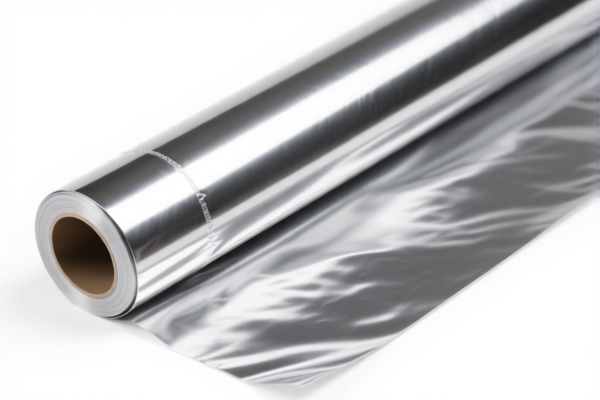
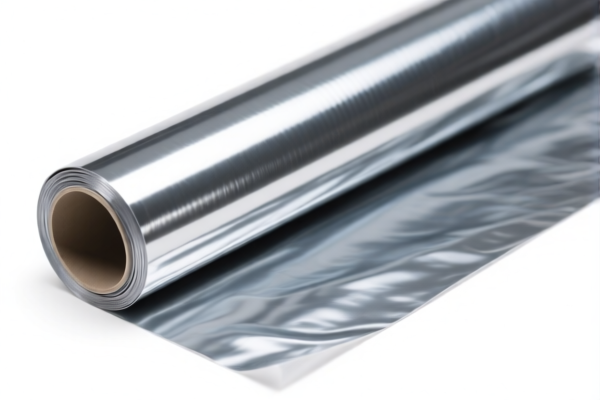
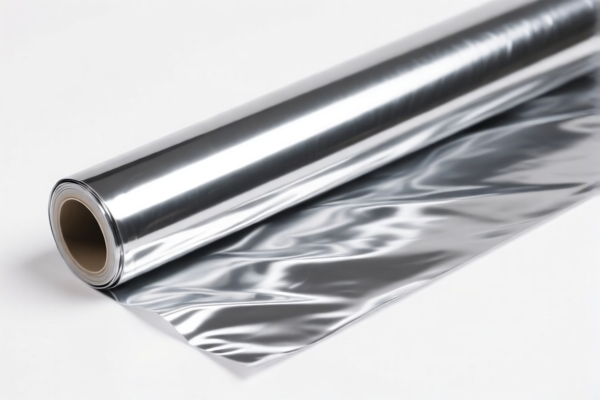
AI Analysis
🎬 PET Metallized Thin Film (PET镀铝防静电膜)
🌐 HS Code Reference & Customs Clearance Guide | 2026 Latest Tariff Analysis | Strategic Classification Strategy
📌 I. Product Definition & Classification: Do You Truly Understand "PET Metallized Thin Film"?
PET Metallized Thin Film, specifically the anti-static variant described in the data, is a composite material consisting of a Polyethylene Terephthalate (PET) plastic base coated with an aluminum layer. It is primarily used in electronics, packaging, and industrial applications to provide electromagnetic interference (EMI) shielding, static dissipation, and moisture barrier properties.
In international trade, classification depends heavily on structure (is it a metal foil with a plastic backing? or a plastic film with a metal coating?) and function (static control vs. general packaging).
⚠️ Key Classification Divergence:
- If classified as Aluminum Foil with Plastic Backing → Chapter 76 (Aluminum)
- If classified as Other Plastic Articles/Films → Chapter 39 (Plastics)
- The presence of "Anti-Static" functionality does NOT change the HS Code directly but influences the "Description" in customs declarations.
📦 II. HS Code Classification Details (Based on Provided Data)
| HS Code | Product Description | Classification Logic | Total Tax Rate (Approx.) |
|---|---|---|---|
| 7607.20.10.00 | Aluminum foil, with backing of paper, paperboard, plastics or textile materials; thickness of foil < 0.2mm; Plastic backing | ✅ Primary Recommendation: Fits "Aluminum foil with plastic backing." The PET is the backing, Al is the foil. | 13.7% |
| 7607.20.50.00 | Aluminum foil, with backing of paper, paperboard, plastics or textile materials; thickness of foil ≥ 0.2mm; Plastic backing | ✅ Alternative: Same structure but assumes different thickness criteria. | 17.5% |
| 3926.90.99.89 | Other articles of plastics; PET film with metal coating; No specific exclusion | ⚠️ Risk Classification: Treated as a generic plastic article due to the metallization process. | 22.8% |
| 3926.90.94.00 | Other articles of plastics; Plastic sheet/film; No metal/raw material conflict | ❌ Highest Risk: Treated as a pure plastic product, ignoring the aluminum layer's significance. | 35.0% |
🔍 Critical Analysis:
- 7607.20 codes are generally preferred for "foil with backing" because they reflect the metallic component's structural role.
- 3926.90 codes treat the product as a plastic good, often resulting in higher tariffs due to additional trade restrictions (see Tax Details below).
💰 III. 2026 Latest Tariff Rate Breakdown (Detailed)
✅ Applicable Country: United States (US)
✅ Origin: China (CN)
✅ Note: Rates include Base Tariff, Section 301 (Add-on), and Section 122 Tariff (10%).
🎯 1. 7607.20.10.00 – Aluminum Foil, Plastic Backing (<0.2mm)
| Item | Detail |
|---|---|
| Base Tariff | 3.7% (Ad Valorem) |
| Section 301 Add-on | 0.0% |
| Section 122 Tariff | +10.0% (Specific to this category in the provided data) |
| Total Effective Rate | 13.7% |
| Calculation | CIF Value × 13.7% |
| Legal Basis | Harmonized Tariff Schedule (HTS) 7607.20.10.00 |
📌 Interpretation:
- This is the most cost-effective classification among the options.
- The 122 Tariff is applied explicitly.
- Section 301 does NOT apply, saving significant costs compared to other codes.
🎯 2. 7607.20.50.00 – Aluminum Foil, Plastic Backing (≥0.2mm)
| Item | Detail |
|---|---|
| Base Tariff | 0.0% |
| Section 301 Add-on | +7.5% |
| Section 122 Tariff | +10.0% |
| Total Effective Rate | 17.5% |
| Calculation | CIF Value × 17.5% |
| Legal Basis | HTS 7607.20.50.00 |
📌 Interpretation:
- Even with a 0% base rate, the Section 301 (7.5%) and Section 122 (10%) drive the total to 17.5%.
- Still lower than plastic classifications.
🎯 3. 3926.90.99.89 – Other Plastic Articles
| Item | Detail |
|---|---|
| Base Tariff | 5.3% |
| Section 301 Add-on | +7.5% |
| Section 122 Tariff | +10.0% |
| Total Effective Rate | 22.8% |
| Calculation | CIF Value × 22.8% |
| Legal Basis | HTS 3926.90.99.89 |
📌 Interpretation:
- Classified as a plastic article, triggering Section 301.
- Higher base rate and add-ons make this ~67% more expensive than the best aluminum classification.
🎯 4. 3926.90.94.00 – Plastic Sheet/Film (No Metal Conflict)
| Item | Detail |
|---|---|
| Base Tariff | 0.0% |
| Section 301 Add-on | +25.0% (Higher Tier) |
| Section 122 Tariff | +10.0% |
| Total Effective Rate | 35.0% |
| Calculation | CIF Value × 35.0% |
| Legal Basis | HTS 3926.90.94.00 |
📌 Interpretation:
- HIGHEST RISK/TAX: Despite a 0% base rate, the 25% Section 301 tariff (likely due to broader plastic restrictions or specific trade actions) makes this the most expensive option.
- Avoid this code unless the product is definitively NOT considered "foil with backing."
🛠️ IV. Customs Clearance Practical Advice (Real-World Pitfall Guide)
✅ 1. Documentation Checklist (Non-Negotiable)
| Document | Required? | Purpose |
|---|---|---|
| Product Specification Sheet | ✅ | Must state: Material Composition (e.g., 12μm PET + Al Layer), Thickness of Aluminum Foil, Anti-Static Properties. |
| Certificate of Origin | ✅ | Essential for proving Chinese origin to apply/add Section 301/122 tariffs correctly. |
| Commercial Invoice | ✅ | Must clearly describe as "Aluminum Foil with Plastic Backing" or "Metallized PET Film" – avoid vague terms like "plastic sheet." |
| Bill of Lading | ✅ | Ensure weight and dimensions match the specification sheet. |
| Technical Data Sheet | ✅ | To prove the aluminum layer is integral to the "foil" structure, supporting Chapter 76 classification. |
✅ 2. Declaration Strategy (Critical Tips)
🔥 "Foil vs. Film: The 10% Tariff Trap!"
| Scenario | Recommended HS Code | Risk if Misclassified |
|---|---|---|
| Aluminum layer is dominant/structural | 7607.20.10.00 | ✅ Safe: Lowest tax (13.7%). |
| Plastic is dominant, aluminum is just coating | 3926.90.99.89 | ⚠️ High Tax: 22.8%. |
| Vague description ("Plastic Film") | 3926.90.94.00 | ❌ Punitive: 35.0%. |
📌 Expert Advice:
- Argument for 7607.20: Emphasize that the product is "Aluminum Foil" (the primary material of commerce) with a plastic backing for handling and anti-static purposes.
- Avoid: Describing it purely as a "plastic film" in the invoice description, as this invites Customs to classify it under 3926, triggering higher tariffs.
✅ 3. Special Cases & Anti-Static Feature
| Situation | Handling Advice |
|---|---|
| "Anti-Static" Function | This is a functional attribute, not a structural one. It does NOT justify a new HS Code. Ensure it’s mentioned in the spec sheet but not as the primary classifier. |
| Thickness Variation | If the aluminum foil thickness is <0.2mm, use 7607.20.10.00 (13.7%). If ≥0.2mm, use 7607.20.50.00 (17.5%). Verify this with your manufacturer! |
| Composite Goods | If the PET and Al are laminated inseparably, GRI 3(b) (essential character) applies. Aluminum usually provides the essential character (conductivity/shielding), supporting Chapter 76. |
🌍 V. Global Market Comparison (2026 Context)
| Country/Region | Recommended HS Code | Est. Total Tax (China Origin) | Key Consideration |
|---|---|---|---|
| 🇺🇸 USA | 7607.20.10.00 | 13.7% | Avoid 3926 codes due to high Section 301/122 tariffs. |
| 🇨🇳 China | 7607.20.10.00 | ~13-16% (Import Duty + VAT) | Domestic VAT (13%) applies on top. |
| 🇪🇺 EU | 7607.20.10.00 | 3.7% (No Section 301/122) | Standard MFN duty applies; no punitive US-style tariffs. |
| 🇮🇳 India | 7607.20.10.00 | ~20-25% (BASIC + SWS) | Check for specific anti-dumping duties on aluminum. |
📌 Conclusion:
- The USA market is the most complex due to Section 122 and Section 301 tariffs.
- Correct classification under Chapter 76 can save you up to 21.3% in tariffs compared to Chapter 39 misclassification.
📌 VI. Common Errors & Pitfalls (Lessons Learned)
❌ Error 1: Declaring as "Plastic Packaging Film"
👉 Result: Customs classifies as 3926.90.94.00 → 35% Tax.
✅ Fix: Use "Aluminum Foil with Plastic Backing" in description.
❌ Error 2: Ignoring Aluminum Thickness
👉 Result: Declaring as 7607.20.10.00 when foil is ≥0.2mm → Discrepancy & Audit.
✅ Fix: Verify technical specs for exact aluminum layer thickness.
❌ Error 3: Over-emphasizing "Anti-Static"
👉 Result: Customs looks for a functional code, may misclassify.
✅ Fix: Stick to structural classification (Metal + Plastic) as per GRI 1.
🎯 VII. Final Recommendation: Cost-Saving Strategy
🎯 Key Takeaway:
🔹 Classify as
7607.20.10.00if aluminum foil thickness < 0.2mm.
🔹 Total Tax: 13.7% vs. 35.0% (worst case).
🔹 Savings: Up to 21.3% on CIF Value.
✅ Action Plan:
1. Request Technical Data Sheet from supplier confirming aluminum thickness.
2. Draft Invoice as: "Aluminum Foil, with Plastic (PET) Backing, Anti-Static, for EMI Shielding."
3. Pre-clear with customs broker using HS 7607.20.10.00.
4. Keep Evidence of the aluminum layer's structural importance.
📣 Pro Tip:
If the aluminum layer is very thin (<0.005mm), some brokers may argue for Chapter 39. However, 7607 is generally safer for "foil" descriptions. Always seek a Binding Ruling if the value is high.
✨ Precision in Classification = Precision in Profit!
💼 Don’t let a misclassification cost you 20%+ in extra taxes.
Customer Reviews
About HS Code Classification
The Harmonized System (HS) is an internationally standardized nomenclature developed by the World Customs Organization (WCO) to classify traded products. Over 200 countries use the HS system as the basis for customs tariffs, trade statistics, and import/export regulations.
Each HS code follows a hierarchical structure:
- Chapter (2 digits) — Broad category of goods (e.g., Chapter 84: Machinery and Mechanical Appliances)
- Heading (4 digits) — More specific grouping within the chapter
- Subheading (6 digits) — Internationally standardized breakdown, used by all WCO member countries
- National subdivisions (8-10 digits) — Country-specific extensions for further classification, such as US HTSUS 10-digit codes
Correct HS code classification is essential for smooth customs clearance, accurate duty payment, and compliance with trade regulations. Misclassification can lead to customs delays, overpayment of duties, or penalties.
When importing from CN to US, the applicable tariff rates may include:
- Most-Favored-Nation (MFN) rate — The standard duty rate applied to WTO members
- General rate — Applied to countries without trade agreements
- Trade remedy duties — Additional tariffs such as Section 301 (anti-dumping), Section 232 (national security), or countervailing duties
The information provided on this page is for reference purposes only. For official classification, please consult with your local customs authority or a licensed customs broker.