PP Plastic Hot Stamping Ribbon
CN → US| HS编码 | 关税税率 | 原产国 | 目的国 | 文档 |
|---|---|---|---|---|
| 3926909989 | 22.8% | CN | US | 官方文档 |
| 5407922010 | 49.9% | CN | US | 官方文档 |
| 3926903500 | 24.0% | CN | US | 官方文档 |
商品图片
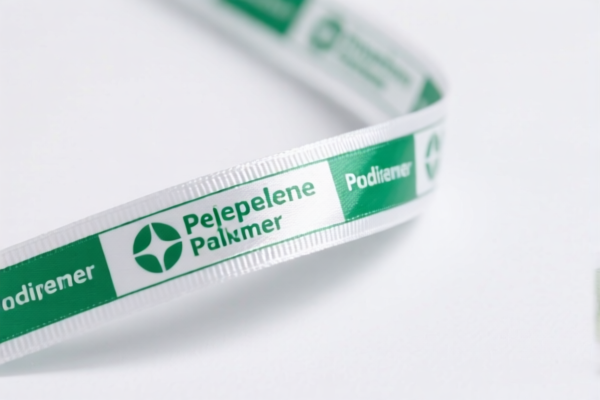
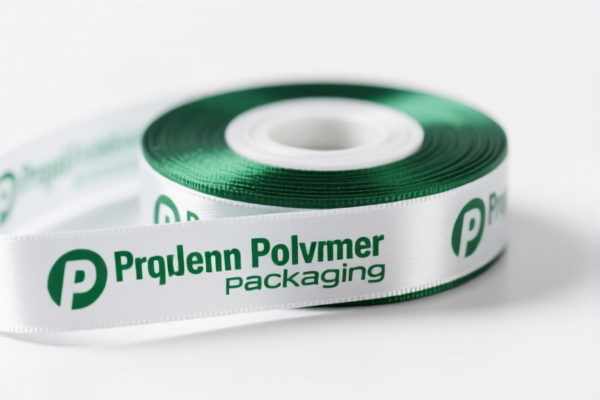
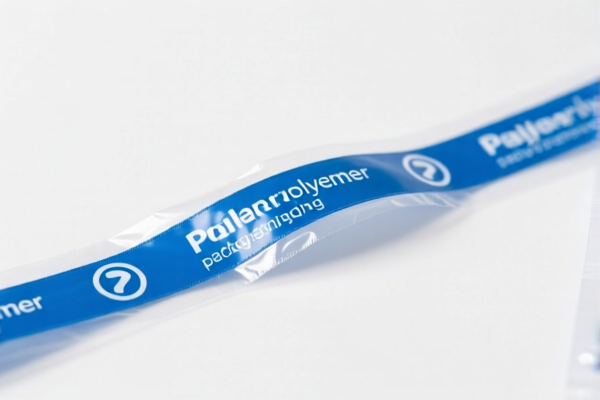
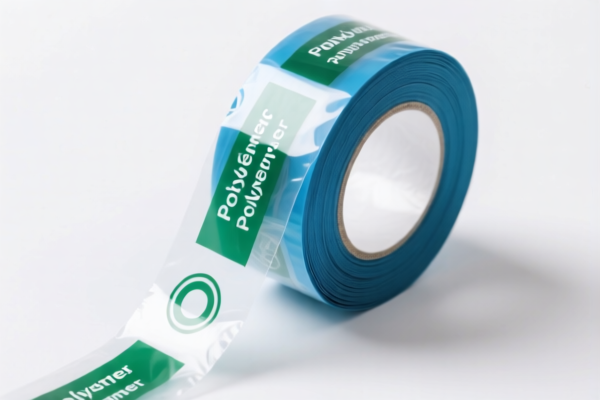
AI分析
🎀 PP Plastic Hot Stamping Ribbon (Heat Transfer Ribbon)
🌐 HS Code Reference & Customs Clearance Guide | 2026 Latest Tariff Analysis | Professional Clearance Strategy
📌 1. Product Definition & Classification: What is "PP Plastic Hot Stamping Ribbon"?
PP Plastic Hot Stamping Ribbon (also known as Heat Transfer Ribbon or Foil) is a thin plastic film, typically made of Polypropylene (PP), coated with color pigments, release layers, and adhesive/resin layers. It is used in conjunction with heat and pressure to transfer color or patterns onto various substrates like paper, plastic, or fabric.
Key Distinctions for Classification: * Material Nature: It is a plastic article, not a textile fabric, despite looking like a ribbon. * Form: It is supplied in rolls. * Function: It is an accessory for printing/decoration equipment, but classified by its material composition if it doesn't fit specific printing machinery parts codes.
⚠️ Critical Classification Point:
- If declared as PP Plastic → Likely falls under Chapter 39 (Plastics and Articles Thereof).
- If declared as Synthetic Fiber/Textile → Likely falls under Chapter 54 (Man-made Filaments).
- Note: HS codes are highly specific to the manufacturer's declared material composition and form. Below are the most likely classifications based on the provided data.
📦 2. HS Code Classification Details (2026 Latest Tariff Authority对照)
| HS Code | Product Description | Material/Form | Total Tax Rate (CN→US) | Key Tax Components |
|---|---|---|---|---|
3926.90.99.89 |
Other articles of plastics, n.e.s. | PP Plastic, Ribbon Form | 22.8% | Base: 5.3%, Sec 301: 7.5%, IEEPA: 10% |
5407.92.20.10 |
Woven fabrics of synthetic filaments, other | Synthetic Fiber, Woven/Long Fiber Form | 49.9% | Base: 14.9%, Sec 301: 25.0%, IEEPA: 10% |
3926.90.35.00 |
Other articles of plastics, not strung | PP Plastic, Unstrung/Unset Articles | 24.0% | Base: 6.5%, Sec 301: 7.5%, IEEPA: 10% |
🔍 重点提醒 (Key Insights):
- Why such a big difference? The difference between 22.8% and 49.9% is due to whether the ribbon is classified as a Plastic Article (Ch 39) or a Synthetic Fabric (Ch 54).
- Most Common: PP Hot Stamping Ribbons are typically classified under 3926 (Plastics) because the base is a plastic film.
- High Risk Code:5407.92.20.10has a significantly higher rate due to higher base tariffs (14.9%) and higher Section 301 duties (25%). Avoid this unless your product is explicitly defined as a woven textile.
- 122 Clause Tariff: All codes include a 10% IEEPA tariff for products originating from China.
💰 3. 2026 Latest Tariff Rate Breakdown (Including Surcharges & Policy Add-ons)
✅ Applicable Country: United States (US)
✅ Country of Origin: China (CN)
✅ Effective Date: From November 10, 2025 (and subsequent imports)
🎯 1. 3926.90.99.89 —— PP Plastic Ribbon (Plastic Article)
| Item | Content |
|---|---|
| Base Tariff | 5.3% (ad valorem) |
| USITC Surtax (Sec 301) | +7.5% |
| IEEPA Surtax (122 Clause) | +10% |
| Total Rate | 22.8% |
| Tax Calculation | CIF Value × 22.8% |
| De Minimis Exemption | ❌ Not Eligible (deny_de_minimis) |
| Legal Path | IEEPA:9903.01.25 → USITC:3926.90.99.89 → FOOTNOTE:301.01.07 |
📌 Explanation:
- This is the most cost-effective classification for PP plastic ribbons.
- The "7.5%" Sec 301 surtax is lower than the standard 25% because it may fall under a specific exclusion or category with reduced rates.
- Total 22.8% is high but significantly lower than the textile classification.
🎯 2. 5407.92.20.10 —— Synthetic Fiber Ribbon (Textile Classification)
| Item | Content |
|---|---|
| Base Tariff | 14.9% |
| USITC Surtax (Sec 301) | +25.0% |
| IEEPA Surtax (122 Clause) | +10% |
| Total Rate | 49.9% |
| Tax Calculation | CIF Value × 49.9% |
| De Minimis Exemption | ❌ Not Eligible (deny_de_minimis) |
| Legal Path | IEEPA:9903.01.25 → USITC:5407.92.20.10 → FOOTNOTE:301.01.07 |
📌 Warning:
- This classification treats the ribbon as a woven fabric or synthetic textile.
- Total 49.9% is extremely high.
- Only use this if your product is explicitly a woven synthetic ribbon, not a plastic film. Misclassification here leads to massive overpayment or underpayment penalties if customs reclassifies it.
🎯 3. 3926.90.35.00 —— Other Plastic Articles (Unstrung)
| Item | Content |
|---|---|
| Base Tariff | 6.5% |
| USITC Surtax (Sec 301) | +7.5% |
| IEEPA Surtax (122 Clause) | +10% |
| Total Rate | 24.0% |
| Tax Calculation | CIF Value × 24.0% |
| De Minimis Exemption | ❌ Not Eligible (deny_de_minimis) |
| Legal Path | IEEPA:9903.01.25 → USITC:3926.90.35.00 → FOOTNOTE:301.01.07 |
📌 Note:
- Slightly higher than3926.90.99.89(24.0% vs 22.8%).
- Use this if the ribbon is sold as "unstrung" or "unset" plastic articles, not specifically as a ribbon for decoration.
- Generally,3926.90.99.89is more appropriate for decorative ribbons.
🛠️ 4. Customs Clearance Practical Advice (Best Practices)
✅ 1. Required Documents Checklist
| Document | Must Provide | Notes |
|---|---|---|
| ✅ Product Specification Sheet | ✔️ | Clearly state: Material: PP (Polypropylene), Form: Roll, Use: Hot Stamping |
| ✅ Material Composition Proof | ✔️ | Lab test report confirming PP content >80% |
| ✅ Product Photos | ✔️ | Show the roll, the coating, and the product in use |
| ✅ Commercial Invoice | ✔️ | Describe as "PP Plastic Hot Stamping Ribbon, for Decoration" |
| ✅ Packing List | ✔️ | Net/Gross weight, dimensions |
| ✅ Certificate of Origin (CO) | ✔️ | Required for Section 301 and IEEPA assessment |
✅ 2. Declaration Tips (Key Phrases)
🔥 “Declare as Plastic, Not Textile! Specify PP, Avoid 50% Tax!”
| Scenario | Correct Declaration | Incorrect Declaration | Consequence |
|---|---|---|---|
| PP Plastic Ribbon | 3926.90.99.89 - "PP Plastic Hot Stamping Ribbon" |
"Synthetic Ribbon" or "Fabric Ribbon" | Risk of reclassification to 49.9% |
| Plastic Film Roll | 3926.90.35.00 |
"Printing Ribbon" | May be questioned if not clearly plastic |
| Textile Ribbon | 5407.92.20.10 |
"Plastic Ribbon" | Customs will demand proof of textile nature |
✅ 3. Special Cases
| Scenario | Handling Advice |
|---|---|
| OEM Custom Ribbon | Provide design file + material spec. Ensure "PP" is highlighted. |
| Composite Ribbon | If it has a fabric backing, it may be classified as textile (49.9%). Avoid unless necessary. |
| Sample Shipments | Still subject to tariffs. No de minimis exemption for China-origin goods. |
| Duty Drawback | If re-exported, check eligibility for duty drawback under Section 301. |
🌍 5. Global Market Comparison (2026 Latest)
| Country/Region | Recommended HS Code | Tariff (CN Origin) | Certification | Notes |
|---|---|---|---|---|
| 🇺🇸 USA | 3926.90.99.89 |
22.8% | None | High tariff due to Sec 301 + IEEPA |
| 🇨🇳 China | 3926.90.99.89 |
5% | None | No additional surtaxes |
| 🇪🇺 EU | 3926.90.99.89 |
6.5% | REACH, RoHS | No Section 301 |
| 🇬🇧 UK | 3926.90.99.89 |
6.5% | UKCA, RoHS | Post-Brexit tariffs |
| 🇦🇺 Australia | 3926.90.99.89 |
5% | ESR, RCM | No major surtaxes |
📌 Conclusion:
- USA is the most expensive market due to 22.8% total tariff (vs. 5-6.5% elsewhere).
- EU, UK, Australia have no Section 301 or IEEPA surtaxes.
- Consider third-country manufacturing (e.g., Vietnam, India) if shipping to the US to avoid high tariffs.
📌 6. Common Mistakes & Pitfalls
❌ Mistake 1: Declaring as "Fabric Ribbon"
👉 Result: Tax jumps from 22.8% to 49.9%!
👉 Fix: Always emphasize PP Plastic and Non-Woven.
❌ Mistake 2: Ignoring the IEEPA 10% Surcharge
👉 Result: Underpayment of 10% on CIF value → Penalties + Back Taxes.
👉 Fix: Include 10% IEEPA in all cost calculations.
❌ Mistake 3: Not Providing Material Proof
👉 Result: Customs doubts PP classification → Delays + Reassessment.
👉 Fix: Attach a Material Safety Data Sheet (MSDS) or Lab Report.
❌ Mistake 4: Using Vague Descriptions like "Ribbon"
👉 Result: Ambiguity leads to wrong HS code assignment.
👉 Fix: Use "PP Plastic Hot Stamping Ribbon, 12mm, Roll"
✅ Correct Description Example:
"Hot Stamping Ribbon, Material: Polypropylene (PP), Form: Roll, Width: 12mm, Color: Gold, Use: Decorative Printing, Country of Origin: China"
🎯 7. Conclusion: Smart Classification, Cost Control!
🎯 Remember the Golden Rule:
🔹 “Plastic Ribbon = 22.8% | Textile Ribbon = 49.9%”
🔹 “Always specify PP, Avoid Fabric Classification!”
🔹 “Add 10% IEEPA to your budget!”
📌 Pro Tip:
If your PP ribbon is not made in China (e.g., made in Vietnam, India, or Thailand), you may qualify for lower or zero IEEPA tariffs.
👉 Action:
1. Verify Origin: Ensure Certificate of Origin reflects non-CN origin.
2. Request Ruling: Apply for an Advance Ruling from CBP if unsure.
3. Consult Customs Broker: Confirm HS code with a US-based customs broker.
📣 Immediate Action:
📞 Contact your freight forwarder + Provide PP Material Proof + Apply for HS Code Ruling
🚀 Save up to 27% in tariffs by correct classification!
✨ Professional Clearance Starts with Accurate Classification!
💼 Every Dollar Saved is Profit Earned!
用户评价
关于 HS 编码归类
协调制度(HS)是由世界海关组织(WCO)制定的国际贸易商品分类标准。全球 200 多个国家采用 HS 系统作为海关关税、贸易统计和进出口监管的基础。
每个 HS 编码遵循以下层级结构:
- 章(2 位)——商品大类(例如:第 84 章:机器和机械设备)
- 品目(4 位)——章内的更具体分类
- 子目(6 位)——国际通用细分,所有 WCO 成员国统一使用
- 本国细分(8-10 位)——各国自行扩展的细分编码,如美国 HTSUS 10 位编码
正确的 HS 编码归类对于顺利通关、准确缴纳关税和遵守贸易法规至关重要。错误归类可能导致海关延误、多缴关税或罚款。
从CN进口到US时,适用的关税税率可能包括:
- 最惠国(MFN)税率——适用于 WTO 成员国的标准关税税率
- 普通税率——适用于无贸易协定国家
- 贸易救济关税——附加关税,如 301 条款(反倾销)、232 条款(国家安全)或反补贴税
本页内容仅供参考。如需正式归类,请咨询当地海关或持牌报关代理。