PVC Coated Polyester Waterproof Fabric
CN → US| HS编码 | 关税税率 | 原产国 | 目的国 | 文档 |
|---|---|---|---|---|
| 6306229030 | 26.3% | CN | US | 官方文档 |
| 6306120000 | 18.8% | CN | US | 官方文档 |
| 3921125000 | 41.5% | CN | US | 官方文档 |
| 3921905050 | 39.8% | CN | US | 官方文档 |
| 5903102090 | 35.0% | CN | US | 官方文档 |
商品图片


AI分析
🏕️ PVC Coated Polyester Waterproof Fabric (Tent Fabric)
🌐 HS Code Reference & Clearance Guide | 2026 Latest Tariff Analysis | Professional Entry Strategies
📌 I. Product Definition & Classification: What Exactly Is "PVC Coated Tent Fabric"?
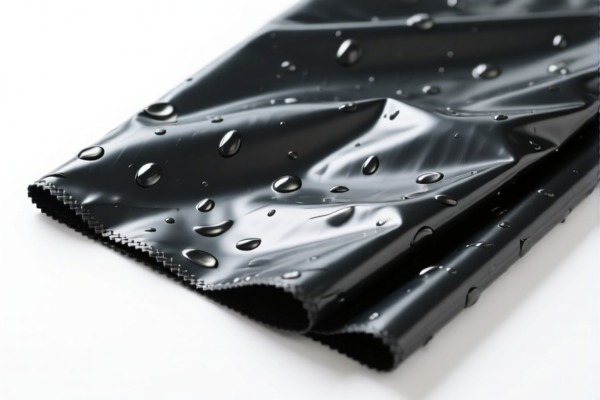
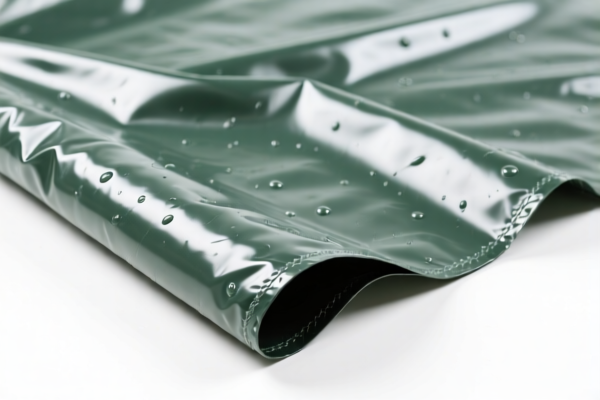
PVC Coated Polyester Waterproof Fabric is a composite material widely used in the outdoor industry. It consists of a polyester base fabric (mesh or yarn) coated or impregnated with Polyvinyl Chloride (PVC) resin to ensure waterproofing, tear resistance, and durability.
In international trade, this product is often misclassified due to its dual nature: it can be seen as a textile product (because of the polyester base) or a plastic product (because of the PVC coating).
⚠️ Critical Distinction Point:
- If the fabric is specifically designed for tents/canopies and classified under Chapter 63, it attracts specific "Section 122" tariffs.
- If the fabric is classified as a general plastic-coated textile (Chapter 59) or plastic sheet (Chapter 39), it faces much higher "Section 301" additional tariffs.
- The difference is massive: The tax rate can vary from 18.8% to 41.5% depending on the specific subheading chosen.
📦 II. HS Code Classification Details (2026 Latest Tariff Authority)
Based on the provided data, here are the 5 possible HS Codes for "PVC Coated Polyester Waterproof Fabric." Note that the classification depends heavily on the primary material characterization (Textile vs. Plastic) and specific use.
| HS Code | Product Description (Summary) | Primary Material Characterization | Total Tax Rate | Key Tariff Components |
|---|---|---|---|---|
| 6306.22.90.30 | Tent fabrics and other tent accessories, made of man-made fibers | Tent/Textile Category | 26.3% | Base: 8.8% + Sec 301: 7.5% + Sec 122: 10% |
| 6306.12.00.00 | Tarps, awnings, and sunblinds made of synthetic fibers | Tent/Textile Category (Broad) | 18.8% | Base: 8.8% + Sec 301: 0.0% + Sec 122: 10% |
| 3921.12.50.00 | Other plates, sheets, film, foil, and strips of PVC | Plastic Category | 41.5% | Base: 6.5% + Sec 301: 25.0% + Sec 122: 10% |
| 3921.90.50.50 | Other plates, sheets, film, foil, and strips of plastics | Plastic Category (General) | 39.8% | Base: 4.8% + Sec 301: 25.0% + Sec 122: 10% |
| 5903.10.20.90 | Textiles impregnated, coated, covered, or laminated with PVC | Plastic-Coated Textile | 35.0% | Base: 0.0% + Sec 301: 25.0% + Sec 122: 10% |
🔍 Key Insight:
- Cheapest Option:6306.12.00.00(18.8%) – If the fabric is clearly defined as "Awnings/Covers" and fits Chapter 63 criteria.
- Most Expensive Option:3921.12.50.00(41.5%) – If treated as a general PVC plastic sheet.
- Middle Ground:5903.10.20.90(35.0%) – Standard for "PVC Coated Textiles," but high Sec 301 tax applies.
💰 III. 2026 Latest Tariff Rate Breakdown (Including Surcharges)
✅ Applicable Country: USA (US)
✅ Origin: China (CN)
✅ Effective Time: Current regulations apply.
🎯 1. 6306.22.90.30 – Tent Fabrics (Man-Made Fibers)
Best for: Specific tent fabrics that fall under Chapter 63 (Tents/Sails).
| Item | Detail |
|---|---|
| Base Tariff | 8.8% |
| Section 301 Surcharge | +7.5% (Lower than standard 25% due to specific Chapter 63 exclusions/adjustments) |
| Section 122 Surcharge | +10% (Specific to certain textile/footwear/apparel categories, here applied to this subheading) |
| Total Effective Rate | 26.3% |
| Calculation | CIF Value × 26.3% |
| De Minimis Exemption | ❌ Not Eligible |
📌 Explanation:
- This code benefits from a reduced Section 301 rate (7.5%) compared to other plastic/textile codes.
- However, it still incurs the 10% Section 122 tariff.
- Strategy: Use this if your product is definitively a "Tent Fabric" as per Chapter 63 definitions.
🎯 2. 6306.12.00.00 – Tarps, Awnings, Sunblinds (Synthetic Fibers)
Best for: General tarpaulins, awnings, or sun-shading fabrics.
| Item | Detail |
|---|---|
| Base Tariff | 8.8% |
| Section 301 Surcharge | +0.0% (Zero Section 301!) |
| Section 122 Surcharge | +10% |
| Total Effective Rate | 18.8% |
| Calculation | CIF Value × 18.8% |
| De Minimis Exemption | ❌ Not Eligible |
📌 Explanation:
- This is the LOWEST tax rate option (18.8%) provided in the data.
- It has NO Section 301 tariff (0%).
- Strategy: If your fabric can be described as "Awning" or "Tarp" material rather than just "Tent Fabric," this is the most cost-effective classification. Note: Must strictly meet Chapter 63 requirements.
🎯 3. 5903.10.20.90 – PVC Coated Textile Fabrics
Best for: Standard PVC-coated polyester fabrics not specifically classified as tents or awnings.
| Item | Detail |
|---|---|
| Base Tariff | 0.0% |
| Section 301 Surcharge | +25.0% (Standard high rate for plastics/textiles) |
| Section 122 Surcharge | +10% |
| Total Effective Rate | 35.0% |
| Calculation | CIF Value × 35.0% |
| De Minimis Exemption | ❌ Not Eligible |
📌 Explanation:
- Despite 0% Base Tariff, the 25% Section 301 tax drives the cost up significantly.
- This is the "safe" standard classification for coated textiles but is more expensive than Chapter 63 options.
🎯 4. 3921.12.50.00 – PVC Plastic Sheets/Strips
Best for: If customs views the product primarily as a plastic product due to heavy PVC coating.
| Item | Detail |
|---|---|
| Base Tariff | 6.5% |
| Section 301 Surcharge | +25.0% |
| Section 122 Surcharge | +10% |
| Total Effective Rate | 41.5% |
| Calculation | CIF Value × 41.5% |
| De Minimis Exemption | ❌ Not Eligible |
📌 Explanation:
- Highest Tax Rate.
- Only use this if the product cannot be classified under Chapter 59 or 63.
- Avoid if possible due to high cost.
🎯 5. 3921.90.50.50 – Other Plastic Sheets
Best for: Generic plastic sheets/films.
| Item | Detail |
|---|---|
| Base Tariff | 4.8% |
| Section 301 Surcharge | +25.0% |
| Section 122 Surcharge | +10% |
| Total Effective Rate | 39.8% |
| Calculation | CIF Value × 39.8% |
| De Minimis Exemption | ❌ Not Eligible |
📌 Explanation:
- Slightly cheaper than 3921.12.50.00 but still very high cost.
- Generally used for mixed plastic products not specifically PVC.
🛠️ IV. Customs Clearance Practical Advice (Avoiding Pitfalls)
✅ 1. Preparation Checklist (Non-Negotiable)
| Document | Required? | Purpose |
|---|---|---|
| ✅ Product Specification Sheet | ✔️ | Must detail: Base Fabric (Polyester Denier/Thread Count), PVC Coating Thickness, Weight (gsm), Waterproof Rating (mm H2O). |
| ✅ Photos of Product | ✔️ | Show texture, coating surface, and any labels indicating "Tent," "Awning," or "Truck Cover." |
| ✅ Commercial Invoice | ✔️ | Description must be precise. E.g., "PVC Coated Polyester Tent Fabric, for Outdoor Canopy Use." |
| ✅ Packing List | ✔️ | Clear weight and dimensions. |
| ✅ Certificate of Origin | ✔️ | Mandatory for claiming any potential exemptions (though none listed here, it's standard). |
✅ 2. Declaration Strategy (Key Mantras)
🔥 "Define the Use, Define the Code, Save the Tax!"
| Scenario | Recommended HS Code | Why? |
|---|---|---|
| Product is specifically for Tents | 6306.22.90.30 |
Falls under Chapter 63 (Tents), enjoys lower Sec 301 (7.5%). |
| Product is for Awnings/Tarps/Covers | 6306.12.00.00 |
LOWEST TAX (18.8%). No Sec 301. Best choice if description fits. |
| General Coated Fabric (No specific use) | 5903.10.20.90 |
Standard textile classification. High Sec 301 (25%). |
| Heavy PVC Sheet (Textile base negligible) | 3921.12.50.00 |
AVOID. Highest tax (41.5%). Only if textile content is minimal. |
✅ 3. Critical Warnings & Pitfalls
❌ Mistake 1: Calling it "PVC Plastic Sheet" when it is clearly textile-based.
👉 Result: Customs may reclassify to 3921 series → Tax jumps to 39.8%-41.5%.
👉 Fix: Emphasize the "Polyester Base" and "Textile Nature" in documentation if aiming for Chapter 59/63.
❌ Mistake 2: Misusing Chapter 63 (6306).
👉 Result: If the fabric is not clearly a "Tent, Awning, or Sunblind," customs will reject Chapter 63 and move it to 5903 or 3921.
👉 Fix: Ensure the product description includes keywords like "Tent," "Awning," "Canopy," or "Shelter." Avoid vague terms like "Industrial Cover" without context.
❌ Mistake 3: Ignoring Section 122.
👉 Result: All listed codes include a 10% Section 122 tariff. Do not forget to budget for this in your landed cost calculation.
🌍 V. Global Market Comparison (Quick Reference)
| Market | Recommended HS Code | Est. Total Tax | Notes |
|---|---|---|---|
| 🇺🇸 USA | 6306.12.00.00 |
18.8% | Best for Awnings/Tarps. |
| 🇺🇸 USA | 6306.22.90.30 |
26.3% | Best for Tent-specific fabrics. |
| 🇺🇸 USA | 5903.10.20.90 |
35.0% | Default for Coated Textiles. |
| 🇪🇺 EU | Varies | Low/Zero | EU often has lower duties for textiles, but CBAM/Certifications apply. |
| 🇨🇳 China | Varies | Low | Import duties for raw materials are often low, but VAT applies. |
📌 Conclusion for US Importers:
- Priority 1: Try to classify under6306.12.00.00(18.8%) if the fabric is for awnings/tarps.
- Priority 2: If strictly for tents, use6306.22.90.30(26.3%).
- Avoid: Chapter 39 (3921) unless necessary, as taxes exceed 39%.
📌 VI. Final Recommendations
- Product Description is Key: Do not just write "PVC Fabric." Write "PVC Coated Polyester Awning Fabric, for Outdoor Shelter Use." This supports the
6306classification. - Pre-Ruling: If the volume is high, apply for a US Customs Binding Ruling to confirm the HS Code. The difference between 18.8% and 41.5% is massive.
- Documentation: Provide a detailed spec sheet showing the polyester base weight vs. PVC coating weight. If the PVC dominates, you risk Chapter 39. If the polyester dominates, you have a stronger case for Chapter 59 or 63.
- Budgeting: Always include the 10% Section 122 and Section 301 in your landed cost model.
🎯 Pro Tip:
"Chapter 63 is Your Friend."
If your fabric can be legally described as part of a tent, awning, or tarp, you unlock the lower Section 301 rates (7.5% or 0%).
If you describe it as a generic "plastic-coated material," you invite the full 25% Section 301 tax.
📣 Immediate Action:
📞 Consult your customs broker with the specific product specs.
📄 Update your commercial invoice to highlight End-Use (Tent/Awning).
📊 Recalculate your profit margins based on the 18.8% - 26.3% range, not the worst-case 41.5%.
✨ Smart Classification Saves 25%+ in Tariffs!
💼 Don't Let Ambiguity Cost You Money!
用户评价
关于 HS 编码归类
协调制度(HS)是由世界海关组织(WCO)制定的国际贸易商品分类标准。全球 200 多个国家采用 HS 系统作为海关关税、贸易统计和进出口监管的基础。
每个 HS 编码遵循以下层级结构:
- 章(2 位)——商品大类(例如:第 84 章:机器和机械设备)
- 品目(4 位)——章内的更具体分类
- 子目(6 位)——国际通用细分,所有 WCO 成员国统一使用
- 本国细分(8-10 位)——各国自行扩展的细分编码,如美国 HTSUS 10 位编码
正确的 HS 编码归类对于顺利通关、准确缴纳关税和遵守贸易法规至关重要。错误归类可能导致海关延误、多缴关税或罚款。
从CN进口到US时,适用的关税税率可能包括:
- 最惠国(MFN)税率——适用于 WTO 成员国的标准关税税率
- 普通税率——适用于无贸易协定国家
- 贸易救济关税——附加关税,如 301 条款(反倾销)、232 条款(国家安全)或反补贴税
本页内容仅供参考。如需正式归类,请咨询当地海关或持牌报关代理。