PVC Coated Polyester Waterproof Fabric
CN → US| HS Code | Tariff Rate | Origin | Destination | Doc |
|---|---|---|---|---|
| 6306229030 | 26.3% | CN | US | Official Doc |
| 6306120000 | 18.8% | CN | US | Official Doc |
| 3921125000 | 41.5% | CN | US | Official Doc |
| 3921905050 | 39.8% | CN | US | Official Doc |
| 5903102090 | 35.0% | CN | US | Official Doc |
Product Images


AI Analysis
🏕️ PVC Coated Polyester Waterproof Fabric (Tent Fabric)
🌐 HS Code Reference & Clearance Guide | 2026 Latest Tariff Analysis | Professional Entry Strategies
📌 I. Product Definition & Classification: What Exactly Is "PVC Coated Tent Fabric"?
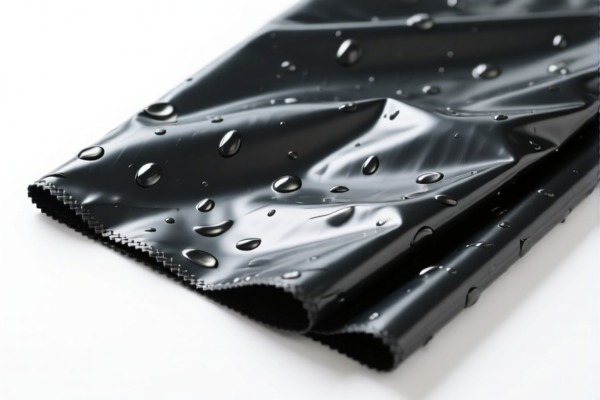
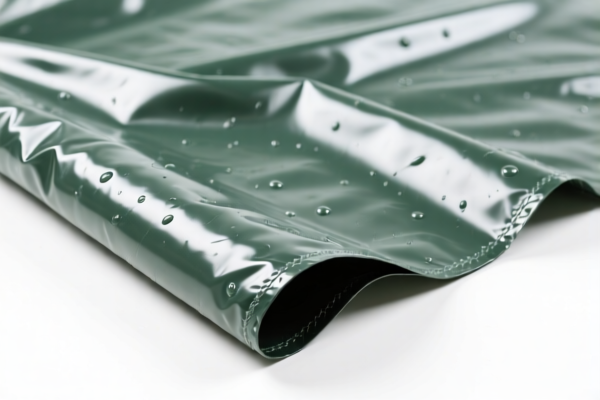
PVC Coated Polyester Waterproof Fabric is a composite material widely used in the outdoor industry. It consists of a polyester base fabric (mesh or yarn) coated or impregnated with Polyvinyl Chloride (PVC) resin to ensure waterproofing, tear resistance, and durability.
In international trade, this product is often misclassified due to its dual nature: it can be seen as a textile product (because of the polyester base) or a plastic product (because of the PVC coating).
⚠️ Critical Distinction Point:
- If the fabric is specifically designed for tents/canopies and classified under Chapter 63, it attracts specific "Section 122" tariffs.
- If the fabric is classified as a general plastic-coated textile (Chapter 59) or plastic sheet (Chapter 39), it faces much higher "Section 301" additional tariffs.
- The difference is massive: The tax rate can vary from 18.8% to 41.5% depending on the specific subheading chosen.
📦 II. HS Code Classification Details (2026 Latest Tariff Authority)
Based on the provided data, here are the 5 possible HS Codes for "PVC Coated Polyester Waterproof Fabric." Note that the classification depends heavily on the primary material characterization (Textile vs. Plastic) and specific use.
| HS Code | Product Description (Summary) | Primary Material Characterization | Total Tax Rate | Key Tariff Components |
|---|---|---|---|---|
| 6306.22.90.30 | Tent fabrics and other tent accessories, made of man-made fibers | Tent/Textile Category | 26.3% | Base: 8.8% + Sec 301: 7.5% + Sec 122: 10% |
| 6306.12.00.00 | Tarps, awnings, and sunblinds made of synthetic fibers | Tent/Textile Category (Broad) | 18.8% | Base: 8.8% + Sec 301: 0.0% + Sec 122: 10% |
| 3921.12.50.00 | Other plates, sheets, film, foil, and strips of PVC | Plastic Category | 41.5% | Base: 6.5% + Sec 301: 25.0% + Sec 122: 10% |
| 3921.90.50.50 | Other plates, sheets, film, foil, and strips of plastics | Plastic Category (General) | 39.8% | Base: 4.8% + Sec 301: 25.0% + Sec 122: 10% |
| 5903.10.20.90 | Textiles impregnated, coated, covered, or laminated with PVC | Plastic-Coated Textile | 35.0% | Base: 0.0% + Sec 301: 25.0% + Sec 122: 10% |
🔍 Key Insight:
- Cheapest Option:6306.12.00.00(18.8%) – If the fabric is clearly defined as "Awnings/Covers" and fits Chapter 63 criteria.
- Most Expensive Option:3921.12.50.00(41.5%) – If treated as a general PVC plastic sheet.
- Middle Ground:5903.10.20.90(35.0%) – Standard for "PVC Coated Textiles," but high Sec 301 tax applies.
💰 III. 2026 Latest Tariff Rate Breakdown (Including Surcharges)
✅ Applicable Country: USA (US)
✅ Origin: China (CN)
✅ Effective Time: Current regulations apply.
🎯 1. 6306.22.90.30 – Tent Fabrics (Man-Made Fibers)
Best for: Specific tent fabrics that fall under Chapter 63 (Tents/Sails).
| Item | Detail |
|---|---|
| Base Tariff | 8.8% |
| Section 301 Surcharge | +7.5% (Lower than standard 25% due to specific Chapter 63 exclusions/adjustments) |
| Section 122 Surcharge | +10% (Specific to certain textile/footwear/apparel categories, here applied to this subheading) |
| Total Effective Rate | 26.3% |
| Calculation | CIF Value × 26.3% |
| De Minimis Exemption | ❌ Not Eligible |
📌 Explanation:
- This code benefits from a reduced Section 301 rate (7.5%) compared to other plastic/textile codes.
- However, it still incurs the 10% Section 122 tariff.
- Strategy: Use this if your product is definitively a "Tent Fabric" as per Chapter 63 definitions.
🎯 2. 6306.12.00.00 – Tarps, Awnings, Sunblinds (Synthetic Fibers)
Best for: General tarpaulins, awnings, or sun-shading fabrics.
| Item | Detail |
|---|---|
| Base Tariff | 8.8% |
| Section 301 Surcharge | +0.0% (Zero Section 301!) |
| Section 122 Surcharge | +10% |
| Total Effective Rate | 18.8% |
| Calculation | CIF Value × 18.8% |
| De Minimis Exemption | ❌ Not Eligible |
📌 Explanation:
- This is the LOWEST tax rate option (18.8%) provided in the data.
- It has NO Section 301 tariff (0%).
- Strategy: If your fabric can be described as "Awning" or "Tarp" material rather than just "Tent Fabric," this is the most cost-effective classification. Note: Must strictly meet Chapter 63 requirements.
🎯 3. 5903.10.20.90 – PVC Coated Textile Fabrics
Best for: Standard PVC-coated polyester fabrics not specifically classified as tents or awnings.
| Item | Detail |
|---|---|
| Base Tariff | 0.0% |
| Section 301 Surcharge | +25.0% (Standard high rate for plastics/textiles) |
| Section 122 Surcharge | +10% |
| Total Effective Rate | 35.0% |
| Calculation | CIF Value × 35.0% |
| De Minimis Exemption | ❌ Not Eligible |
📌 Explanation:
- Despite 0% Base Tariff, the 25% Section 301 tax drives the cost up significantly.
- This is the "safe" standard classification for coated textiles but is more expensive than Chapter 63 options.
🎯 4. 3921.12.50.00 – PVC Plastic Sheets/Strips
Best for: If customs views the product primarily as a plastic product due to heavy PVC coating.
| Item | Detail |
|---|---|
| Base Tariff | 6.5% |
| Section 301 Surcharge | +25.0% |
| Section 122 Surcharge | +10% |
| Total Effective Rate | 41.5% |
| Calculation | CIF Value × 41.5% |
| De Minimis Exemption | ❌ Not Eligible |
📌 Explanation:
- Highest Tax Rate.
- Only use this if the product cannot be classified under Chapter 59 or 63.
- Avoid if possible due to high cost.
🎯 5. 3921.90.50.50 – Other Plastic Sheets
Best for: Generic plastic sheets/films.
| Item | Detail |
|---|---|
| Base Tariff | 4.8% |
| Section 301 Surcharge | +25.0% |
| Section 122 Surcharge | +10% |
| Total Effective Rate | 39.8% |
| Calculation | CIF Value × 39.8% |
| De Minimis Exemption | ❌ Not Eligible |
📌 Explanation:
- Slightly cheaper than 3921.12.50.00 but still very high cost.
- Generally used for mixed plastic products not specifically PVC.
🛠️ IV. Customs Clearance Practical Advice (Avoiding Pitfalls)
✅ 1. Preparation Checklist (Non-Negotiable)
| Document | Required? | Purpose |
|---|---|---|
| ✅ Product Specification Sheet | ✔️ | Must detail: Base Fabric (Polyester Denier/Thread Count), PVC Coating Thickness, Weight (gsm), Waterproof Rating (mm H2O). |
| ✅ Photos of Product | ✔️ | Show texture, coating surface, and any labels indicating "Tent," "Awning," or "Truck Cover." |
| ✅ Commercial Invoice | ✔️ | Description must be precise. E.g., "PVC Coated Polyester Tent Fabric, for Outdoor Canopy Use." |
| ✅ Packing List | ✔️ | Clear weight and dimensions. |
| ✅ Certificate of Origin | ✔️ | Mandatory for claiming any potential exemptions (though none listed here, it's standard). |
✅ 2. Declaration Strategy (Key Mantras)
🔥 "Define the Use, Define the Code, Save the Tax!"
| Scenario | Recommended HS Code | Why? |
|---|---|---|
| Product is specifically for Tents | 6306.22.90.30 |
Falls under Chapter 63 (Tents), enjoys lower Sec 301 (7.5%). |
| Product is for Awnings/Tarps/Covers | 6306.12.00.00 |
LOWEST TAX (18.8%). No Sec 301. Best choice if description fits. |
| General Coated Fabric (No specific use) | 5903.10.20.90 |
Standard textile classification. High Sec 301 (25%). |
| Heavy PVC Sheet (Textile base negligible) | 3921.12.50.00 |
AVOID. Highest tax (41.5%). Only if textile content is minimal. |
✅ 3. Critical Warnings & Pitfalls
❌ Mistake 1: Calling it "PVC Plastic Sheet" when it is clearly textile-based.
👉 Result: Customs may reclassify to 3921 series → Tax jumps to 39.8%-41.5%.
👉 Fix: Emphasize the "Polyester Base" and "Textile Nature" in documentation if aiming for Chapter 59/63.
❌ Mistake 2: Misusing Chapter 63 (6306).
👉 Result: If the fabric is not clearly a "Tent, Awning, or Sunblind," customs will reject Chapter 63 and move it to 5903 or 3921.
👉 Fix: Ensure the product description includes keywords like "Tent," "Awning," "Canopy," or "Shelter." Avoid vague terms like "Industrial Cover" without context.
❌ Mistake 3: Ignoring Section 122.
👉 Result: All listed codes include a 10% Section 122 tariff. Do not forget to budget for this in your landed cost calculation.
🌍 V. Global Market Comparison (Quick Reference)
| Market | Recommended HS Code | Est. Total Tax | Notes |
|---|---|---|---|
| 🇺🇸 USA | 6306.12.00.00 |
18.8% | Best for Awnings/Tarps. |
| 🇺🇸 USA | 6306.22.90.30 |
26.3% | Best for Tent-specific fabrics. |
| 🇺🇸 USA | 5903.10.20.90 |
35.0% | Default for Coated Textiles. |
| 🇪🇺 EU | Varies | Low/Zero | EU often has lower duties for textiles, but CBAM/Certifications apply. |
| 🇨🇳 China | Varies | Low | Import duties for raw materials are often low, but VAT applies. |
📌 Conclusion for US Importers:
- Priority 1: Try to classify under6306.12.00.00(18.8%) if the fabric is for awnings/tarps.
- Priority 2: If strictly for tents, use6306.22.90.30(26.3%).
- Avoid: Chapter 39 (3921) unless necessary, as taxes exceed 39%.
📌 VI. Final Recommendations
- Product Description is Key: Do not just write "PVC Fabric." Write "PVC Coated Polyester Awning Fabric, for Outdoor Shelter Use." This supports the
6306classification. - Pre-Ruling: If the volume is high, apply for a US Customs Binding Ruling to confirm the HS Code. The difference between 18.8% and 41.5% is massive.
- Documentation: Provide a detailed spec sheet showing the polyester base weight vs. PVC coating weight. If the PVC dominates, you risk Chapter 39. If the polyester dominates, you have a stronger case for Chapter 59 or 63.
- Budgeting: Always include the 10% Section 122 and Section 301 in your landed cost model.
🎯 Pro Tip:
"Chapter 63 is Your Friend."
If your fabric can be legally described as part of a tent, awning, or tarp, you unlock the lower Section 301 rates (7.5% or 0%).
If you describe it as a generic "plastic-coated material," you invite the full 25% Section 301 tax.
📣 Immediate Action:
📞 Consult your customs broker with the specific product specs.
📄 Update your commercial invoice to highlight End-Use (Tent/Awning).
📊 Recalculate your profit margins based on the 18.8% - 26.3% range, not the worst-case 41.5%.
✨ Smart Classification Saves 25%+ in Tariffs!
💼 Don't Let Ambiguity Cost You Money!
Customer Reviews
About HS Code Classification
The Harmonized System (HS) is an internationally standardized nomenclature developed by the World Customs Organization (WCO) to classify traded products. Over 200 countries use the HS system as the basis for customs tariffs, trade statistics, and import/export regulations.
Each HS code follows a hierarchical structure:
- Chapter (2 digits) — Broad category of goods (e.g., Chapter 84: Machinery and Mechanical Appliances)
- Heading (4 digits) — More specific grouping within the chapter
- Subheading (6 digits) — Internationally standardized breakdown, used by all WCO member countries
- National subdivisions (8-10 digits) — Country-specific extensions for further classification, such as US HTSUS 10-digit codes
Correct HS code classification is essential for smooth customs clearance, accurate duty payment, and compliance with trade regulations. Misclassification can lead to customs delays, overpayment of duties, or penalties.
When importing from CN to US, the applicable tariff rates may include:
- Most-Favored-Nation (MFN) rate — The standard duty rate applied to WTO members
- General rate — Applied to countries without trade agreements
- Trade remedy duties — Additional tariffs such as Section 301 (anti-dumping), Section 232 (national security), or countervailing duties
The information provided on this page is for reference purposes only. For official classification, please consult with your local customs authority or a licensed customs broker.