PVC Conduit for Electrical Wiring
CN → US| HS编码 | 关税税率 | 原产国 | 目的国 | 文档 |
|---|---|---|---|---|
| 3917230000 | 38.1% | CN | US | 官方文档 |
| 3917320010 | 38.1% | CN | US | 官方文档 |
| 3926909987 | 22.8% | CN | US | 官方文档 |
| 3926909989 | 22.8% | CN | US | 官方文档 |
| 3921125000 | 41.5% | CN | US | 官方文档 |
商品图片
AI分析
🛠️ PVC Conduit for Electrical Wiring
🌐 HS Code Reference & Customs Clearance Guide | 2026 Latest Tariff Analysis | Professional Import Strategy
📌 One, Product Definition & Classification: Do You Really Know What a PVC Conduit Is?
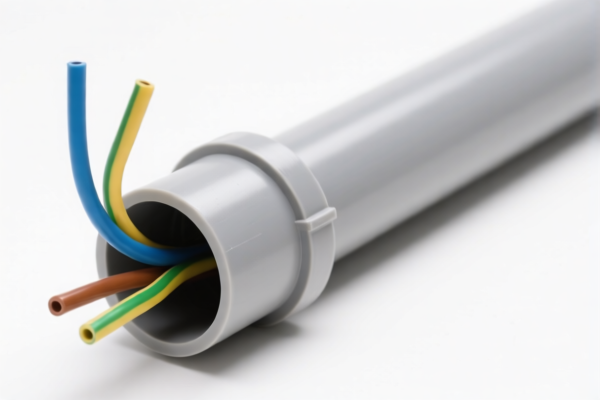
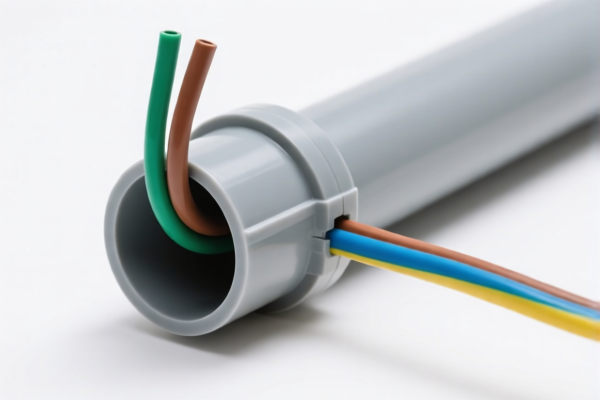
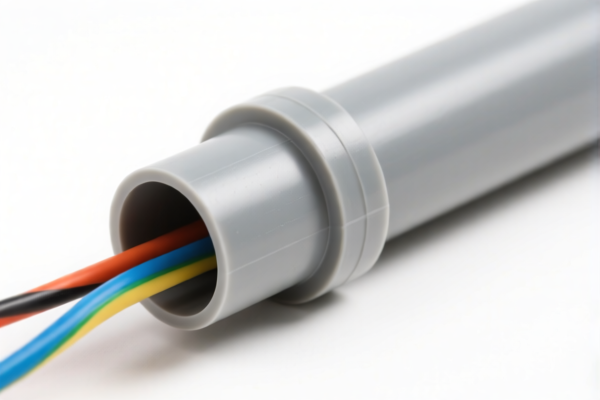
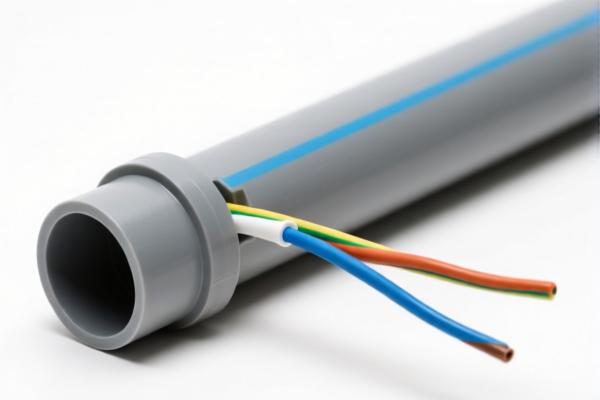
PVC conduit is a rigid or semi-rigid plastic tube used to protect and route electrical wires in buildings, industrial facilities, and infrastructure projects. It's a critical component in electrical installation systems — especially in residential, commercial, and industrial construction.
In international trade, PVC conduits are classified based on: - Material (e.g., polyvinyl chloride / chlorinated vinyl polymer) - Form (e.g., pipe, tubing, conduit) - Intended use (e.g., electrical wiring protection)
⚠️ Key Distinction: - If the product is a pipe made of PVC and used specifically for electrical wiring → must be classified under 3917.23.00.00 or 3917.32.00.10 - If the product is a general-purpose plastic pipe with no clear electrical use, or ambiguous purpose → may fall under 3926.90.99.87 / 3926.90.99.89 (other plastic articles)
📦 Two, HS Code Classification Details (2026 Official Tariff Table)
| HS Code | Product Description | Applicable Use Case | Material Type | Form |
|---|---|---|---|---|
3917.23.00.00 |
PVC conduit, made of vinyl polymer, in form of pipe or tubing for electrical wiring | Electrical installations, building wiring, industrial conduits | Chlorinated vinyl polymer (PVC) | Pipe/tube |
3917.32.00.10 |
PVC conduit, made of polyvinyl chloride, in form of pipe | Electrical conduit systems, wiring protection | Polyvinyl chloride (PVC) | Pipe |
3926.90.99.87 |
PVC conduit, made of plastic, in form of pipe, purpose not clearly defined → falls under "other plastic articles" | Unclear or dual-use products, ambiguous function | Plastic (PVC) | Pipe |
3926.90.99.89 |
PVC conduit, made of plastic, in form of pipe, fits "other plastic articles" catch-all rule | Products not specifically covered by prior subheadings | Plastic (PVC) | Pipe |
3921.12.50.00 |
PVC sheath for electrical cables, in form of strip or film, used as protective covering | Wire insulation, cable jacketing, cable protection | Chlorinated vinyl polymer (PVC) | Strip/film (sheath) |
🔍 Critical Insight:
- "Conduit" ≠ just any pipe — if it's designed and marketed for electrical wiring, it must be classified under 3917.23.00.00 or 3917.32.00.10
- If the product lacks electrical wiring intent, or no technical documentation proves its use, it falls into the "other plastic articles" category, triggering lower tariff rate but higher risk of audit.
💰 Three, 2026 Latest Tariff Breakdown (With附加 Taxes Explained)
✅ Applicable Country: United States (US)
✅ Origin: China (CN)
✅ Effective Date: November 10, 2025 (and ongoing)
🎯 1. 3917.23.00.00 — PVC Conduit (Chlorinated Vinyl Polymer, Pipe Form)
| Item | Details |
|---|---|
| Base Duty | 3.1% (ad valorem) |
| Section 301 (USITC) Additional Tariff | +25.0% (from U.S. Trade Act Section 301) |
| Section 122 (IEEPA) Additional Tariff | +10.0% (under International Emergency Economic Powers Act) |
| Total Effective Duty | 38.1% |
| Tax Calculation | CIF Value × 38.1% |
| De Minimis Threshold | ❌ Not applicable (denied under U.S. de minimis rule) |
| Legal Basis Path | IEEPA:9903.01.25 → IEEPA:9903.01.24 → USITC:3917.23.00.00 → FOOTNOTE:9903.88.01 |
📌 Explanation: - Section 301 (25%): Imposed due to China’s unfair trade practices (e.g., forced technology transfer, IP theft). - Section 122 (10%): Enacted under IEEPA for national security concerns related to Chinese manufacturing. - Combined total: 38.1% — extremely high, must be factored into pricing.
🎯 2. 3917.32.00.10 — PVC Conduit (Polyvinyl Chloride, Pipe Form)
| Item | Details |
|---|---|
| Base Duty | 3.1% |
| Section 301 (USITC) Additional Tariff | +25.0% |
| Section 122 (IEEPA) Additional Tariff | +10.0% |
| Total Effective Duty | 38.1% |
| Tax Calculation | CIF × 38.1% |
| De Minimis | ❌ Not eligible |
| Legal Basis Path | IEEPA:9903.01.25 → IEEPA:9903.01.24 → USITC:3917.32.00.10 → FOOTNOTE:9903.88.01 |
📌 Note: - Identical tariff treatment to
3917.23.00.00— only difference is wording ("vinyl polymer" vs "PVC"). - Both are exempt from de minimis, so even small shipments face full 38.1%.
🎯 3. 3926.90.99.87 — General Plastic Pipe (PVC), Uncertain Use
| Item | Details |
|---|---|
| Base Duty | 5.3% |
| Section 301 (USITC) Additional Tariff | +7.5% |
| Section 122 (IEEPA) Additional Tariff | +10.0% |
| Total Effective Duty | 22.8% |
| Tax Calculation | CIF × 22.8% |
| De Minimis | ❌ Not eligible |
| Legal Basis Path | IEEPA:9903.01.25 → IEEPA:9903.01.24 → USITC:3926.90.99.87 → FOOTNOTE:9903.88.01 |
📌 Warning: - This rate applies only if the product is NOT clearly intended for electrical use. - If documentation, labeling, or marketing suggests electrical application, this classification is risky and may trigger customs audit or reclassification.
🎯 4. 3926.90.99.89 — General Plastic Pipe (PVC), Catch-All Rule
| Item | Details |
|---|---|
| Base Duty | 5.3% |
| Section 301 (USITC) Additional Tariff | +7.5% |
| Section 122 (IEEPA) Additional Tariff | +10.0% |
| Total Effective Duty | 22.8% |
| Tax Calculation | CIF × 22.8% |
| De Minimis | ❌ Not eligible |
| Legal Basis Path | IEEPA:9903.01.25 → IEEPA:9903.01.24 → USITC:3926.90.99.89 → FOOTNOTE:9903.88.01 |
📌 Important: - This is the "last resort" classification for products that don’t fit any specific subheading. - High audit risk — if you claim "general plastic pipe" but the product is clearly used for electrical wiring, you may face penalties.
🎯 5. 3921.12.50.00 — PVC Sheath for Electrical Cables (Strip/Film Form)
| Item | Details |
|---|---|
| Base Duty | 6.5% |
| Section 301 (USITC) Additional Tariff | +25.0% |
| Section 122 (IEEPA) Additional Tariff | +10.0% |
| Total Effective Duty | 41.5% |
| Tax Calculation | CIF × 41.5% |
| De Minimis | ❌ Not eligible |
| Legal Basis Path | IEEPA:9903.01.25 → IEEPA:9903.01.24 → USITC:3921.12.50.00 → FOOTNOTE:9903.88.01 |
📌 Critical Note: - This only applies to cable sheaths, not to full conduits. - If your product is a pipe, do NOT use this code — major misclassification risk. - 41.5% is the highest tariff in this list — avoid at all costs.
🛠️ Four, Customs Clearance Best Practices (Pro Tips to Avoid Penalties)
✅ 1. Required Documentation (Must-Have List)
| Document | Required? | Purpose |
|---|---|---|
| ✅ Product Specification Sheet | ✔️ | Shows material, dimensions, wall thickness, electrical use |
| ✅ Technical Drawings / CAD Files | ✔️ | Proves design for electrical conduit use |
| ✅ Product Photos (with label) | ✔️ | Clear view of markings, brand, model, use |
| ✅ Test Report (e.g., UL, CSA, IEC) | ✔️ | Validates electrical safety & compliance |
| ✅ Commercial Invoice | ✔️ | Must state "PVC Conduit for Electrical Wiring" |
| ✅ Certificate of Origin (CO) | ✔️ | Essential for tariff eligibility |
| ✅ Packing List | ✔️ | Shows quantity, weight, packaging |
✅ 2.申报技巧 (Key Rules to Remember)
🔥 "Use the right code, prove the use, avoid the trap!"
| Scenario | Correct HS Code | Wrong Code | Risk |
|---|---|---|---|
| PVC pipe marked for electrical use, with wire entry points, threaded ends | 3917.23.00.00 or 3917.32.00.10 |
3926.90.99.87 |
High — audit risk |
| PVC pipe with no electrical labeling, generic packaging | 3926.90.99.87 or 3926.90.99.89 |
3917.23.00.00 |
High — reclassification + penalties |
| PVC sheath used on cables (film/strip) | 3921.12.50.00 |
3917.23.00.00 |
Critical error — 41.5% tax |
| Conduit sold with fittings (elbows, couplings) | Still 3917.23.00.00 |
Split into "fittings" | Avoid — each part taxed separately |
✅ 3. Special Cases & Risk Mitigation
| Situation | Recommended Action |
|---|---|
| OEM/Custom Conduits | Provide customer drawings + use case letter |
| Conduit with integrated grounding | Still 3917.23.00.00 — not a different category |
| Used in mining or hazardous zones | Apply for special use exemption — requires safety certification |
| Conduit for solar farms or EV charging | Still falls under 3917.23.00.00 — no exemption |
| Conduit from Vietnam/Mexico/Thailand | Check IEEPA exemption eligibility — may reduce duty to 0–5% |
🌍 Five, Global Market Comparison (2026)
| Country/Region | Recommended HS Code | Tariff | Certification | Notes |
|---|---|---|---|---|
| 🇺🇸 United States | 3917.23.00.00 |
38.1% (China) | UL, CSA, RoHS | High risk, high cost |
| 🇨🇳 China | 3917.23.00.00 |
5% | CCC, GB | No additional tariffs |
| 🇪🇺 European Union | 3917.23.00.00 |
0% (if CE) | CE, RoHS | No IEEPA/301 |
| 🇦🇺 Australia | 3917.23.00.00 |
5% | RCM | No extra tariffs |
| 🇯🇵 Japan | 3917.23.00.00 |
0% | PSE | No additional duties |
📌 Takeaway:
- Only the U.S. applies 38.1% tariff on Chinese PVC conduits. - All other major markets are much friendlier — consider shifting manufacturing or distribution to Vietnam, Mexico, or Thailand for tariff savings.
📌 Six, Common Mistakes & Pitfalls (Learn from Others’ Failures)
❌ Mistake 1: Labeling conduit as “plastic pipe” to avoid 38.1%
👉 Result: Customs reclassifies → back taxes + penalties + delay
❌ Mistake 2: Using 3926.90.99.87 for a clearly electrical conduit
👉 Result: Audit, reclassification, 38.1% tax applied retroactively
❌ Mistake 3: Splitting conduit + fittings into separate shipments
👉 Result: Each item taxed at 22.8% or 38.1% → total tax > 70%
❌ Mistake 4: Not providing technical drawings or test reports
👉 Result: Customs holds shipment, delays, increased risk
✅ Correct Approach:
“PVC Electrical Conduit, Schedule 40, 1-inch Diameter, Threaded Ends, for Wiring Protection, Made of Polyvinyl Chloride, UL Listed, Model XYZ, 50 pcs per Box”
🎯 Seven, Final Verdict: Precision Wins
🎯 Remember the Golden Rule:
🔹 "If it’s for electrical wiring, use 3917.23.00.00 or 3917.32.00.10 — not the catch-all!"
🔹 "No proof of use? No 38.1% — but risk of audit is high!"
🔹 "Sheath? Use 3921.12.50.00 — but don’t confuse it with conduit!"
📌 Pro Tip:
If your PVC conduit is originating from Vietnam, Mexico, or Thailand, apply for IEEPA exemption — tariff can drop to 0%–5%.
📞 Action Now:
Contact a licensed customs broker + submit HS Code pre-ruling request + provide product specs + photos + test reports
🚀 Let your PVC conduits flow smoothly — no delays, no surprises, no overpayment!
✨ Professional Customs Starts with Accurate Classification!
💼 Your profit margin depends on the right HS Code — choose wisely!
用户评价
关于 HS 编码归类
协调制度(HS)是由世界海关组织(WCO)制定的国际贸易商品分类标准。全球 200 多个国家采用 HS 系统作为海关关税、贸易统计和进出口监管的基础。
每个 HS 编码遵循以下层级结构:
- 章(2 位)——商品大类(例如:第 84 章:机器和机械设备)
- 品目(4 位)——章内的更具体分类
- 子目(6 位)——国际通用细分,所有 WCO 成员国统一使用
- 本国细分(8-10 位)——各国自行扩展的细分编码,如美国 HTSUS 10 位编码
正确的 HS 编码归类对于顺利通关、准确缴纳关税和遵守贸易法规至关重要。错误归类可能导致海关延误、多缴关税或罚款。
从CN进口到US时,适用的关税税率可能包括:
- 最惠国(MFN)税率——适用于 WTO 成员国的标准关税税率
- 普通税率——适用于无贸易协定国家
- 贸易救济关税——附加关税,如 301 条款(反倾销)、232 条款(国家安全)或反补贴税
本页内容仅供参考。如需正式归类,请咨询当地海关或持牌报关代理。