PVC Conduit for Electrical Wiring
CN → US| HS Code | Tariff Rate | Origin | Destination | Doc |
|---|---|---|---|---|
| 3917230000 | 38.1% | CN | US | Official Doc |
| 3917320010 | 38.1% | CN | US | Official Doc |
| 3926909987 | 22.8% | CN | US | Official Doc |
| 3926909989 | 22.8% | CN | US | Official Doc |
| 3921125000 | 41.5% | CN | US | Official Doc |
Product Images
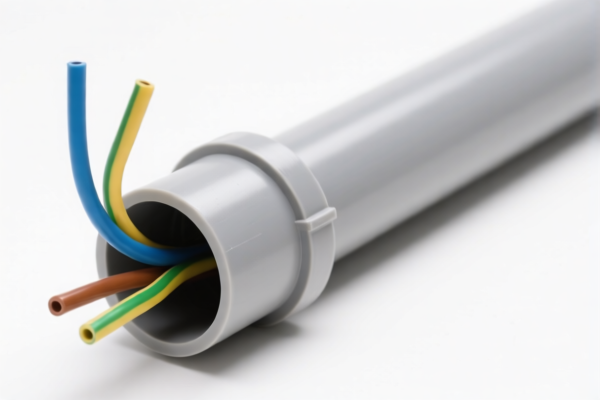
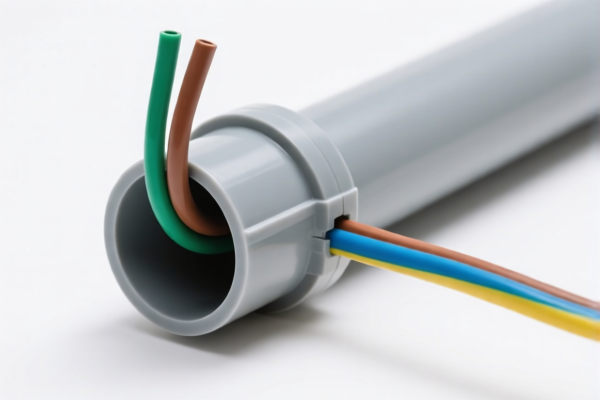
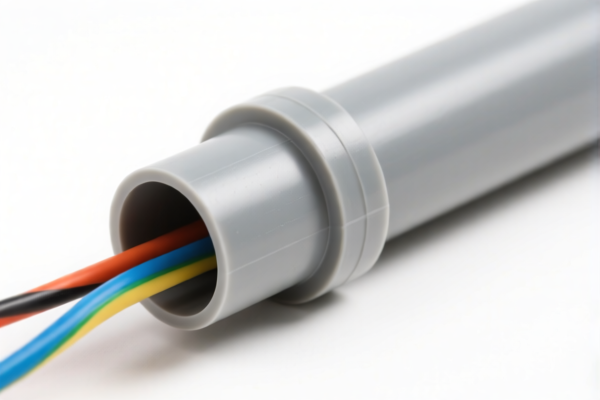
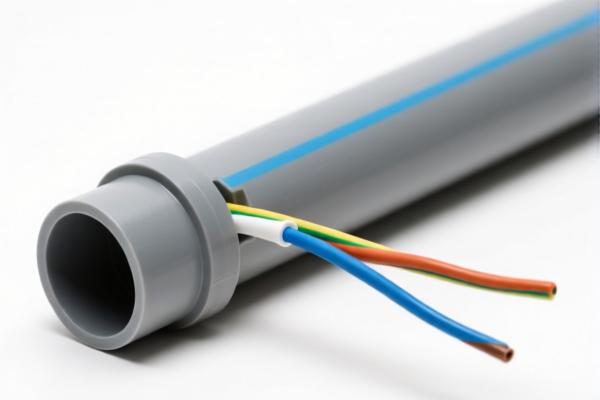
AI Analysis
🛠️ PVC Conduit for Electrical Wiring
🌐 HS Code Reference & Customs Clearance Guide | 2026 Latest Tariff Analysis | Professional Import Strategy
📌 One, Product Definition & Classification: Do You Really Know What a PVC Conduit Is?
PVC conduit is a rigid or semi-rigid plastic tube used to protect and route electrical wires in buildings, industrial facilities, and infrastructure projects. It's a critical component in electrical installation systems — especially in residential, commercial, and industrial construction.
In international trade, PVC conduits are classified based on: - Material (e.g., polyvinyl chloride / chlorinated vinyl polymer) - Form (e.g., pipe, tubing, conduit) - Intended use (e.g., electrical wiring protection)
⚠️ Key Distinction: - If the product is a pipe made of PVC and used specifically for electrical wiring → must be classified under 3917.23.00.00 or 3917.32.00.10 - If the product is a general-purpose plastic pipe with no clear electrical use, or ambiguous purpose → may fall under 3926.90.99.87 / 3926.90.99.89 (other plastic articles)
📦 Two, HS Code Classification Details (2026 Official Tariff Table)
| HS Code | Product Description | Applicable Use Case | Material Type | Form |
|---|---|---|---|---|
3917.23.00.00 |
PVC conduit, made of vinyl polymer, in form of pipe or tubing for electrical wiring | Electrical installations, building wiring, industrial conduits | Chlorinated vinyl polymer (PVC) | Pipe/tube |
3917.32.00.10 |
PVC conduit, made of polyvinyl chloride, in form of pipe | Electrical conduit systems, wiring protection | Polyvinyl chloride (PVC) | Pipe |
3926.90.99.87 |
PVC conduit, made of plastic, in form of pipe, purpose not clearly defined → falls under "other plastic articles" | Unclear or dual-use products, ambiguous function | Plastic (PVC) | Pipe |
3926.90.99.89 |
PVC conduit, made of plastic, in form of pipe, fits "other plastic articles" catch-all rule | Products not specifically covered by prior subheadings | Plastic (PVC) | Pipe |
3921.12.50.00 |
PVC sheath for electrical cables, in form of strip or film, used as protective covering | Wire insulation, cable jacketing, cable protection | Chlorinated vinyl polymer (PVC) | Strip/film (sheath) |
🔍 Critical Insight:
- "Conduit" ≠ just any pipe — if it's designed and marketed for electrical wiring, it must be classified under 3917.23.00.00 or 3917.32.00.10
- If the product lacks electrical wiring intent, or no technical documentation proves its use, it falls into the "other plastic articles" category, triggering lower tariff rate but higher risk of audit.
💰 Three, 2026 Latest Tariff Breakdown (With附加 Taxes Explained)
✅ Applicable Country: United States (US)
✅ Origin: China (CN)
✅ Effective Date: November 10, 2025 (and ongoing)
🎯 1. 3917.23.00.00 — PVC Conduit (Chlorinated Vinyl Polymer, Pipe Form)
| Item | Details |
|---|---|
| Base Duty | 3.1% (ad valorem) |
| Section 301 (USITC) Additional Tariff | +25.0% (from U.S. Trade Act Section 301) |
| Section 122 (IEEPA) Additional Tariff | +10.0% (under International Emergency Economic Powers Act) |
| Total Effective Duty | 38.1% |
| Tax Calculation | CIF Value × 38.1% |
| De Minimis Threshold | ❌ Not applicable (denied under U.S. de minimis rule) |
| Legal Basis Path | IEEPA:9903.01.25 → IEEPA:9903.01.24 → USITC:3917.23.00.00 → FOOTNOTE:9903.88.01 |
📌 Explanation: - Section 301 (25%): Imposed due to China’s unfair trade practices (e.g., forced technology transfer, IP theft). - Section 122 (10%): Enacted under IEEPA for national security concerns related to Chinese manufacturing. - Combined total: 38.1% — extremely high, must be factored into pricing.
🎯 2. 3917.32.00.10 — PVC Conduit (Polyvinyl Chloride, Pipe Form)
| Item | Details |
|---|---|
| Base Duty | 3.1% |
| Section 301 (USITC) Additional Tariff | +25.0% |
| Section 122 (IEEPA) Additional Tariff | +10.0% |
| Total Effective Duty | 38.1% |
| Tax Calculation | CIF × 38.1% |
| De Minimis | ❌ Not eligible |
| Legal Basis Path | IEEPA:9903.01.25 → IEEPA:9903.01.24 → USITC:3917.32.00.10 → FOOTNOTE:9903.88.01 |
📌 Note: - Identical tariff treatment to
3917.23.00.00— only difference is wording ("vinyl polymer" vs "PVC"). - Both are exempt from de minimis, so even small shipments face full 38.1%.
🎯 3. 3926.90.99.87 — General Plastic Pipe (PVC), Uncertain Use
| Item | Details |
|---|---|
| Base Duty | 5.3% |
| Section 301 (USITC) Additional Tariff | +7.5% |
| Section 122 (IEEPA) Additional Tariff | +10.0% |
| Total Effective Duty | 22.8% |
| Tax Calculation | CIF × 22.8% |
| De Minimis | ❌ Not eligible |
| Legal Basis Path | IEEPA:9903.01.25 → IEEPA:9903.01.24 → USITC:3926.90.99.87 → FOOTNOTE:9903.88.01 |
📌 Warning: - This rate applies only if the product is NOT clearly intended for electrical use. - If documentation, labeling, or marketing suggests electrical application, this classification is risky and may trigger customs audit or reclassification.
🎯 4. 3926.90.99.89 — General Plastic Pipe (PVC), Catch-All Rule
| Item | Details |
|---|---|
| Base Duty | 5.3% |
| Section 301 (USITC) Additional Tariff | +7.5% |
| Section 122 (IEEPA) Additional Tariff | +10.0% |
| Total Effective Duty | 22.8% |
| Tax Calculation | CIF × 22.8% |
| De Minimis | ❌ Not eligible |
| Legal Basis Path | IEEPA:9903.01.25 → IEEPA:9903.01.24 → USITC:3926.90.99.89 → FOOTNOTE:9903.88.01 |
📌 Important: - This is the "last resort" classification for products that don’t fit any specific subheading. - High audit risk — if you claim "general plastic pipe" but the product is clearly used for electrical wiring, you may face penalties.
🎯 5. 3921.12.50.00 — PVC Sheath for Electrical Cables (Strip/Film Form)
| Item | Details |
|---|---|
| Base Duty | 6.5% |
| Section 301 (USITC) Additional Tariff | +25.0% |
| Section 122 (IEEPA) Additional Tariff | +10.0% |
| Total Effective Duty | 41.5% |
| Tax Calculation | CIF × 41.5% |
| De Minimis | ❌ Not eligible |
| Legal Basis Path | IEEPA:9903.01.25 → IEEPA:9903.01.24 → USITC:3921.12.50.00 → FOOTNOTE:9903.88.01 |
📌 Critical Note: - This only applies to cable sheaths, not to full conduits. - If your product is a pipe, do NOT use this code — major misclassification risk. - 41.5% is the highest tariff in this list — avoid at all costs.
🛠️ Four, Customs Clearance Best Practices (Pro Tips to Avoid Penalties)
✅ 1. Required Documentation (Must-Have List)
| Document | Required? | Purpose |
|---|---|---|
| ✅ Product Specification Sheet | ✔️ | Shows material, dimensions, wall thickness, electrical use |
| ✅ Technical Drawings / CAD Files | ✔️ | Proves design for electrical conduit use |
| ✅ Product Photos (with label) | ✔️ | Clear view of markings, brand, model, use |
| ✅ Test Report (e.g., UL, CSA, IEC) | ✔️ | Validates electrical safety & compliance |
| ✅ Commercial Invoice | ✔️ | Must state "PVC Conduit for Electrical Wiring" |
| ✅ Certificate of Origin (CO) | ✔️ | Essential for tariff eligibility |
| ✅ Packing List | ✔️ | Shows quantity, weight, packaging |
✅ 2.申报技巧 (Key Rules to Remember)
🔥 "Use the right code, prove the use, avoid the trap!"
| Scenario | Correct HS Code | Wrong Code | Risk |
|---|---|---|---|
| PVC pipe marked for electrical use, with wire entry points, threaded ends | 3917.23.00.00 or 3917.32.00.10 |
3926.90.99.87 |
High — audit risk |
| PVC pipe with no electrical labeling, generic packaging | 3926.90.99.87 or 3926.90.99.89 |
3917.23.00.00 |
High — reclassification + penalties |
| PVC sheath used on cables (film/strip) | 3921.12.50.00 |
3917.23.00.00 |
Critical error — 41.5% tax |
| Conduit sold with fittings (elbows, couplings) | Still 3917.23.00.00 |
Split into "fittings" | Avoid — each part taxed separately |
✅ 3. Special Cases & Risk Mitigation
| Situation | Recommended Action |
|---|---|
| OEM/Custom Conduits | Provide customer drawings + use case letter |
| Conduit with integrated grounding | Still 3917.23.00.00 — not a different category |
| Used in mining or hazardous zones | Apply for special use exemption — requires safety certification |
| Conduit for solar farms or EV charging | Still falls under 3917.23.00.00 — no exemption |
| Conduit from Vietnam/Mexico/Thailand | Check IEEPA exemption eligibility — may reduce duty to 0–5% |
🌍 Five, Global Market Comparison (2026)
| Country/Region | Recommended HS Code | Tariff | Certification | Notes |
|---|---|---|---|---|
| 🇺🇸 United States | 3917.23.00.00 |
38.1% (China) | UL, CSA, RoHS | High risk, high cost |
| 🇨🇳 China | 3917.23.00.00 |
5% | CCC, GB | No additional tariffs |
| 🇪🇺 European Union | 3917.23.00.00 |
0% (if CE) | CE, RoHS | No IEEPA/301 |
| 🇦🇺 Australia | 3917.23.00.00 |
5% | RCM | No extra tariffs |
| 🇯🇵 Japan | 3917.23.00.00 |
0% | PSE | No additional duties |
📌 Takeaway:
- Only the U.S. applies 38.1% tariff on Chinese PVC conduits. - All other major markets are much friendlier — consider shifting manufacturing or distribution to Vietnam, Mexico, or Thailand for tariff savings.
📌 Six, Common Mistakes & Pitfalls (Learn from Others’ Failures)
❌ Mistake 1: Labeling conduit as “plastic pipe” to avoid 38.1%
👉 Result: Customs reclassifies → back taxes + penalties + delay
❌ Mistake 2: Using 3926.90.99.87 for a clearly electrical conduit
👉 Result: Audit, reclassification, 38.1% tax applied retroactively
❌ Mistake 3: Splitting conduit + fittings into separate shipments
👉 Result: Each item taxed at 22.8% or 38.1% → total tax > 70%
❌ Mistake 4: Not providing technical drawings or test reports
👉 Result: Customs holds shipment, delays, increased risk
✅ Correct Approach:
“PVC Electrical Conduit, Schedule 40, 1-inch Diameter, Threaded Ends, for Wiring Protection, Made of Polyvinyl Chloride, UL Listed, Model XYZ, 50 pcs per Box”
🎯 Seven, Final Verdict: Precision Wins
🎯 Remember the Golden Rule:
🔹 "If it’s for electrical wiring, use 3917.23.00.00 or 3917.32.00.10 — not the catch-all!"
🔹 "No proof of use? No 38.1% — but risk of audit is high!"
🔹 "Sheath? Use 3921.12.50.00 — but don’t confuse it with conduit!"
📌 Pro Tip:
If your PVC conduit is originating from Vietnam, Mexico, or Thailand, apply for IEEPA exemption — tariff can drop to 0%–5%.
📞 Action Now:
Contact a licensed customs broker + submit HS Code pre-ruling request + provide product specs + photos + test reports
🚀 Let your PVC conduits flow smoothly — no delays, no surprises, no overpayment!
✨ Professional Customs Starts with Accurate Classification!
💼 Your profit margin depends on the right HS Code — choose wisely!
Customer Reviews
About HS Code Classification
The Harmonized System (HS) is an internationally standardized nomenclature developed by the World Customs Organization (WCO) to classify traded products. Over 200 countries use the HS system as the basis for customs tariffs, trade statistics, and import/export regulations.
Each HS code follows a hierarchical structure:
- Chapter (2 digits) — Broad category of goods (e.g., Chapter 84: Machinery and Mechanical Appliances)
- Heading (4 digits) — More specific grouping within the chapter
- Subheading (6 digits) — Internationally standardized breakdown, used by all WCO member countries
- National subdivisions (8-10 digits) — Country-specific extensions for further classification, such as US HTSUS 10-digit codes
Correct HS code classification is essential for smooth customs clearance, accurate duty payment, and compliance with trade regulations. Misclassification can lead to customs delays, overpayment of duties, or penalties.
When importing from CN to US, the applicable tariff rates may include:
- Most-Favored-Nation (MFN) rate — The standard duty rate applied to WTO members
- General rate — Applied to countries without trade agreements
- Trade remedy duties — Additional tariffs such as Section 301 (anti-dumping), Section 232 (national security), or countervailing duties
The information provided on this page is for reference purposes only. For official classification, please consult with your local customs authority or a licensed customs broker.