PVC Dustproof Textile Cloth
CN → US| HS编码 | 关税税率 | 原产国 | 目的国 | 文档 |
|---|---|---|---|---|
| 5903102010 | 35.0% | CN | US | 官方文档 |
| 3921121500 | 41.5% | CN | US | 官方文档 |
| 6307909891 | 24.5% | CN | US | 官方文档 |
| 3921121100 | 39.2% | CN | US | 官方文档 |
| 5903102090 | 35.0% | CN | US | 官方文档 |
商品图片
AI分析
🧵 PVC Dustproof Textile Cloth
🌐 HS Code Reference & Customs Clearance Guide | 2026 Latest Tariff Analysis | Professional Clearance Strategy
📌 I. Product Definition & Classification: Do You Really Understand "PVC Textile Cloth"?
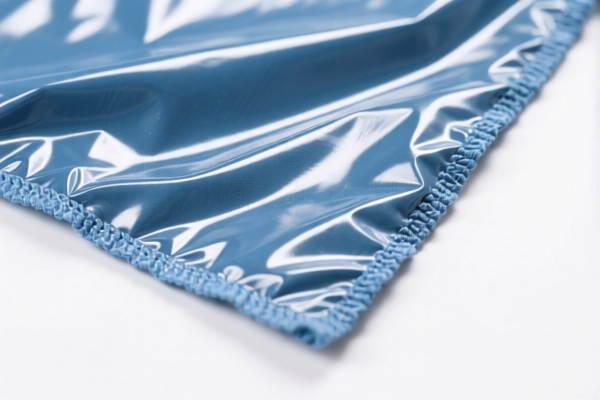
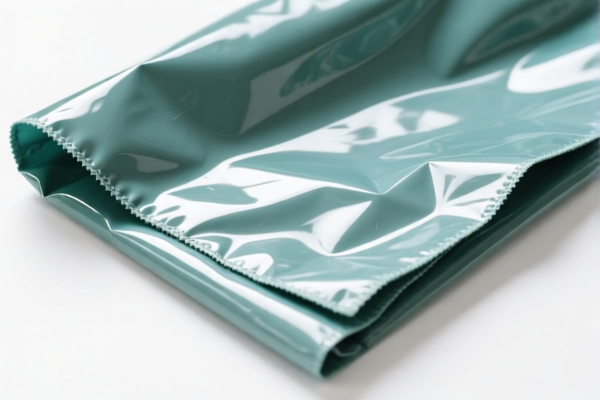
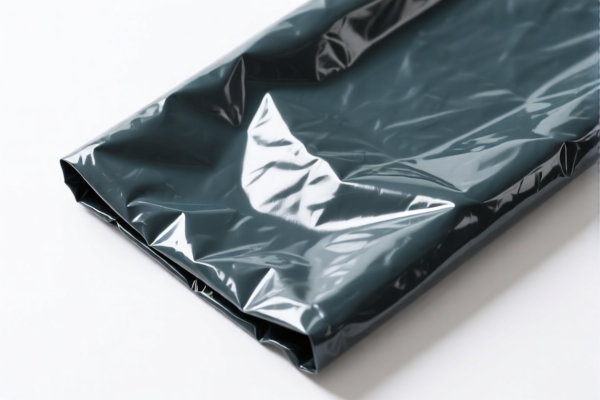
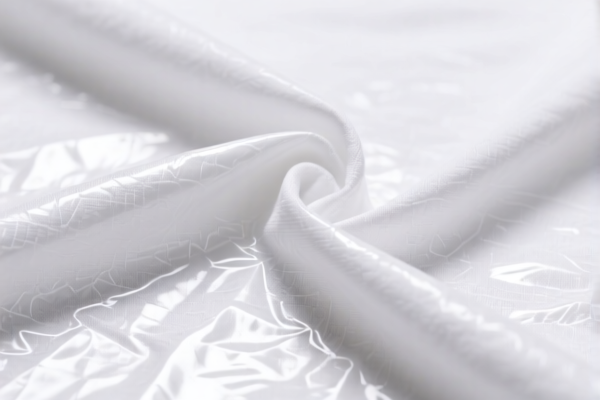
PVC Dustproof Textile Cloth is a composite material widely used in industrial applications, such as conveyor belts, protective covers, tents, and flexible containers. It consists of a textile substrate (fabric) impregnated or coated with Polyvinyl Chloride (PVC).
In international trade, this product is often misclassified due to confusion between "Impregnated Textiles" (Chapter 59) and "Plastic Sheets/Products with Textile Support" (Chapter 39). The key distinction lies in the nature of the processing and the primary characteristic of the final product.
⚠️ Key Distinction Point:
- If the textile is merely impregnated/coated but retains its essential character as a textile → Chapter 59
- If it is considered a plastic composite sheet with textile reinforcement → Chapter 39
- If it is a finished textile article not further worked than cut/sewn → Chapter 63
📦 II. HS Code Classification Details (2026 Latest Tariff Authoritative Comparison)
| HS Code | Product Description | Application Scenario | Classification Logic |
|---|---|---|---|
5903.10.20.10 |
Textiles impregnated, coated, covered or laminated with PVC, of yarn or strip or the like of heading 54.04 or 54.05, weighing ≤ 1.5 kg/m² | Thin PVC-coated fabric, lightweight dust covers, simple textiles | ✅ Textile Primary (Lightweight) |
3921.12.15.00 |
Other plates, sheets, film, foil and strip, of polymers of ethylene | PVC composite sheets where plastic is the essential character | ⚠️ Plastic Primary (Sheet form) |
6307.90.98.91 |
Other made up articles, including dress patterns, of textiles | Finished textile goods not elsewhere specified | ❌ Less Likely (Only if fully made-up article) |
3921.12.11.00 |
Other plates, sheets, film, foil and strip, of polymers of ethylene | Similar to above, specific polymer variation | ⚠️ Plastic Primary |
5903.10.20.90 |
Other textiles impregnated, coated, covered or laminated with PVC (Other) | Heavy-duty PVC textiles, generic coating | ✅ Textile Primary (General/Heavy) |
🔍 Key Reminder:
-5903.10.20.10and5903.10.20.90are the most common classifications for PVC-coated textiles because the textile retains its identity.
-3921.12.15.00and3921.12.11.00apply if the product is considered a plastic sheet with textile reinforcement, often determined by weight, thickness, and commercial usage as a plastic material.
-6307.90.98.91is generally incorrect for raw rolls of coated fabric; it applies only to finished made-up articles (e.g., a sewn tarpaulin) that do not fit other specific categories.
💰 III. 2026 Latest Tariff Rate Details (Including Additional Taxes & Policy Add-ons)
✅ Applicable Country: United States (US)
✅ Origin: China (CN)
✅ Effective Date: From November 10, 2025 (including subsequent imports)
🎯 1. 5903.10.20.10 — Textiles Impregnated with PVC (Lightweight, ≤ 1.5 kg/m²)
| Item | Content |
|---|---|
| Base Tariff | 0.0% (ad valorem) |
| USITC Additional Tax | +25.0% (Under Section 301, USITC Footnote 9903.88.01) |
| IEEPA Additional Tax | +10.0% (For Chinese/HK products, effective Nov 10, 2025) |
| Total Rate | 35.0% |
| Tax Calculation | CIF Value × 35.0% |
| De Minimis Eligibility | ❌ No (deny_de_minimis) |
| Legal Basis Path | IEEPA:9903.01.25 → IEEPA:9903.01.24 → USITC:5903.10.20.10 → FOOTNOTE:9903.88.01 |
📌 Explanation:
- Although the base tariff is 0%, the 25% Section 301 duty and 10% IEEPA duty result in a 35% total tax.
- This is a high tariff scenario. Must be factored into cost calculations.
🎯 2. 3921.12.15.00 — Other Plates, Sheets, Film of Polymers of Ethylene
| Item | Content |
|---|---|
| Base Tariff | 6.5% |
| USITC Additional Tax | +25.0% |
| IEEPA Additional Tax | +10.0% |
| Total Rate | 41.5% |
| Tax Calculation | CIF Value × 41.5% |
| De Minimis Eligibility | ❌ No |
| Legal Basis Path | IEEPA:9903.01.25 → IEEPA:9903.01.24 → USITC:3921.12.15.00 → FOOTNOTE:9903.88.01 |
📌 Note:
- This classification results in a higher total tax (41.5%) due to the higher base tariff (6.5%).
- If the product is classified under Chapter 39, expect higher costs than Chapter 59.
🎯 3. 6307.90.98.91 — Other Made Up Textile Articles
| Item | Content |
|---|---|
| Base Tariff | 7.0% |
| USITC Additional Tax | +7.5% |
| IEEPA Additional Tax | +10.0% |
| Total Rate | 24.5% |
| Tax Calculation | CIF Value × 24.5% |
| De Minimis Eligibility | ❌ No |
| Legal Basis Path | IEEPA:9903.01.25 → IEEPA:9903.01.24 → USITC:6307.90.98.91 → FOOTNOTE:9903.88.01 |
📌 Caution:
- This lowest tax rate (24.5%) applies only if the product is a finished made-up article (e.g., a specific protective cover that is sewn/assembled).
- Do NOT use this code for raw rolls of PVC-coated fabric. Misclassification can lead to severe penalties.
🎯 4. 3921.12.11.00 — Other Plates, Sheets, Film of Polymers of Ethylene
| Item | Content |
|---|---|
| Base Tariff | 4.2% |
| USITC Additional Tax | +25.0% |
| IEEPA Additional Tax | +10.0% |
| Total Rate | 39.2% |
| Tax Calculation | CIF Value × 39.2% |
| De Minimis Eligibility | ❌ No |
| Legal Basis Path | IEEPA:9903.01.25 → IEEPA:9903.01.24 → USITC:3921.12.11.00 → FOOTNOTE:9903.88.01 |
📌 Note:
- Similar to3921.12.15.00, this falls under Chapter 39 with a base tariff of 4.2%.
- Total tax is 39.2%, which is higher than Chapter 59 options.
🎯 5. 5903.10.20.90 — Textiles Impregnated with PVC (Other/General)
| Item | Content |
|---|---|
| Base Tariff | 0.0% |
| USITC Additional Tax | +25.0% |
| IEEPA Additional Tax | +10.0% |
| Total Rate | 35.0% |
| Tax Calculation | CIF Value × 35.0% |
| De Minimis Eligibility | ❌ No |
| Legal Basis Path | IEEPA:9903.01.25 → IEEPA:9903.01.24 → USITC:5903.10.20.90 → FOOTNOTE:9903.88.01 |
📌 Explanation:
- Same tax structure as5903.10.20.10(35.0%).
- Use this code if the weight is > 1.5 kg/m² or if it doesn't fit the specific lightweight category.
- Chapter 59 is generally more tax-efficient than Chapter 39 for this product.
🛠️ IV. Customs Clearance Practical Advice (Avoid Pitfalls)
✅ 1. Documentation Checklist (Non-Negotiable)
| Document | Required | Description |
|---|---|---|
| ✅ Product Specification Sheet | ✔️ | Must include material composition (PVC % + Fabric %), weight per sq meter (gsm or kg/m²), and dimensions. |
| ✅ Product Photos (Rolls) | ✔️ | Show the texture, coating, and label indicating "PVC Coated Textile." |
| ✅ Commercial Invoice | ✔️ | Clearly state "PVC Coated Textile Cloth" or "Impregnated Textile." Avoid vague terms like "Plastic Sheet" if it's textile-based. |
| ✅ Packing List | ✔️ | List net/gross weight and number of rolls. |
| ✅ Certificate of Origin | ✔️ | If applicable for any potential future exemptions, though currently no de minimis for China. |
✅ 2. Declaration Tips (Key Mantra)
🔥 "Weight Matters! Light = 5903, Heavy = 5903 or 3921. Don't Call It Plastic if It's Cloth!"
| Scenario | Correct Declaration | Wrong Approach |
|---|---|---|
| Lightweight PVC Fabric (≤ 1.5 kg/m²) | 5903.10.20.10 |
Classify as 3921.12.15.00 → Higher Tax (41.5%) |
| Heavyweight PVC Fabric (> 1.5 kg/m²) | 5903.10.20.90 |
Classify as 3921.12.15.00 → Higher Tax (41.5%) |
| Finished Tarpaulin (Sewn/Assembled) | 6307.90.98.91 |
Classify as raw fabric → Risk of Penalty |
| Raw Rolls of Coated Fabric | 5903.10.20.10/90 |
Classify as 6307.90.98.91 → Severe Misclassification Risk |
✅ 3. Special Handling
| Situation | Advice |
|---|---|
| OEM Custom Coating | Provide technical data sheets showing the fabric is the structural base, not just a reinforcement for a plastic sheet. |
| "Dustproof" Feature | This is a functional description. It does not change the HS Code classification. Stick to material composition. |
| Import from Non-China Countries | If the origin is Vietnam, Mexico, Thailand, etc., you may qualify for IEEPA exemption or lower Section 301 rates. Verify origin carefully. |
| Pre-Ruling Request | For high-volume imports, request an Advance Ruling from CBP to confirm Chapter 59 vs. Chapter 39 classification. |
🌍 V. Global Market Clearance Comparison (2026 Latest)
| Country/Region | Recommended HS Code | Tariff (China Origin) | Certification | Remarks |
|---|---|---|---|---|
| 🇺🇸 USA | 5903.10.20.10/90 |
35.0% | None specific | High tax due to Section 301 + IEEPA |
| 🇨🇳 China | 5903.10.20.10 |
5-8% (Import to China) | N/A | Lower base duty |
| 🇪🇺 EU | 5903.10.20 |
0-4% | REACH (PVC restrictions) | Check PVC phthalate limits |
| 🇦🇺 Australia | 5903.10.20 |
5% | N/A | Moderate tariff |
| 🇯🇵 Japan | 5903.10.20 |
3-6% | N/A | Moderate tariff |
📌 Conclusion:
- USA is the most expensive market for PVC textile cloth due to the 35% total tariff.
- EU and other markets are more favorable, but watch for environmental regulations (REACH) regarding PVC chemicals.
📌 VI. Common Errors & Pitfalls (Lessons Learned)
❌ Error 1: Classifying raw PVC-coated rolls as 6307.90.98.91 (Finished Article)
👉 Consequence: High Risk of Audit & Penalty because raw fabric is not a "made-up article."
❌ Error 2: Classifying lightweight PVC textile (5903.10.20.10) as 3921.12.15.00
👉 Consequence: Overpayment of Tax (41.5% vs 35.0%). While not illegal, it increases costs unnecessarily.
❌ Error 3: Ignoring the weight threshold (1.5 kg/m²)
👉 Consequence: Wrong sub-category within 5903.10.20. While tax is same, documentation mismatch can cause delays.
❌ Error 4: Using "Plastic Sheet" in description for Textile Product
👉 Consequence: CBP may reclassify to Chapter 39, leading to tax adjustment and potential fines.
✅ Correct Practice:
"PVC Coated Polyester Fabric, Weaving Count: XXX, Weight: XX gsm, for Industrial Use, Unmade"
🎯 VII. Conclusion: Precise Classification Saves Money!
🎯 Remember the Mantra:
🔹 "Chapter 59 is King for Coated Textiles (35%)!"
🔹 "Chapter 39 is for Plastic Sheets (39-41%)!"
🔹 "Don't Use Chapter 63 Unless It's Sewn/Finished!"
📌 Pro Tip:
If your product is non-Chinese origin (e.g., assembled in Vietnam), you may avoid the 10% IEEPA and potentially the 25% Section 301, reducing the total tax to 0-7.5%.
Always verify the Country of Origin and consider supply chain optimization.
📣 Immediate Action:
📞 Contact a professional customs broker + Provide Weight per Square Meter + Request HS Code Pre-Ruling if unsure.
🚀 Minimize Tariffs, Avoid Delays, Maximize Profit!
✨ Professional Clearance Starts with Accurate Classification!
💼 Every Cent Saved is a Cent Earned!
用户评价
关于 HS 编码归类
协调制度(HS)是由世界海关组织(WCO)制定的国际贸易商品分类标准。全球 200 多个国家采用 HS 系统作为海关关税、贸易统计和进出口监管的基础。
每个 HS 编码遵循以下层级结构:
- 章(2 位)——商品大类(例如:第 84 章:机器和机械设备)
- 品目(4 位)——章内的更具体分类
- 子目(6 位)——国际通用细分,所有 WCO 成员国统一使用
- 本国细分(8-10 位)——各国自行扩展的细分编码,如美国 HTSUS 10 位编码
正确的 HS 编码归类对于顺利通关、准确缴纳关税和遵守贸易法规至关重要。错误归类可能导致海关延误、多缴关税或罚款。
从CN进口到US时,适用的关税税率可能包括:
- 最惠国(MFN)税率——适用于 WTO 成员国的标准关税税率
- 普通税率——适用于无贸易协定国家
- 贸易救济关税——附加关税,如 301 条款(反倾销)、232 条款(国家安全)或反补贴税
本页内容仅供参考。如需正式归类,请咨询当地海关或持牌报关代理。