PVC Dustproof Textile Cloth
CN → US| HS Code | Tariff Rate | Origin | Destination | Doc |
|---|---|---|---|---|
| 5903102010 | 35.0% | CN | US | Official Doc |
| 3921121500 | 41.5% | CN | US | Official Doc |
| 6307909891 | 24.5% | CN | US | Official Doc |
| 3921121100 | 39.2% | CN | US | Official Doc |
| 5903102090 | 35.0% | CN | US | Official Doc |
Product Images
AI Analysis
🧵 PVC Dustproof Textile Cloth
🌐 HS Code Reference & Customs Clearance Guide | 2026 Latest Tariff Analysis | Professional Clearance Strategy
📌 I. Product Definition & Classification: Do You Really Understand "PVC Textile Cloth"?
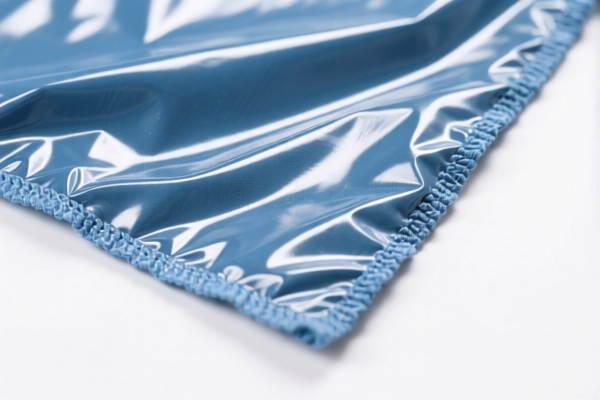
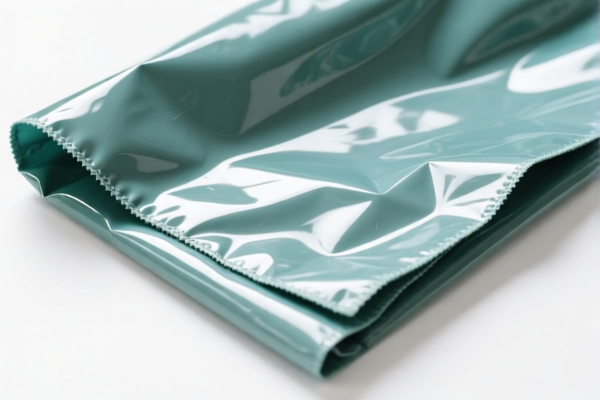
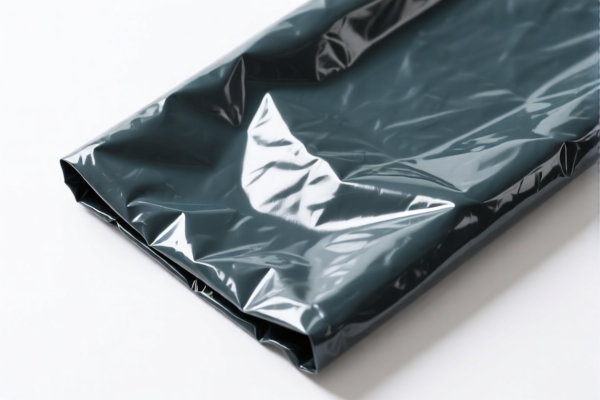
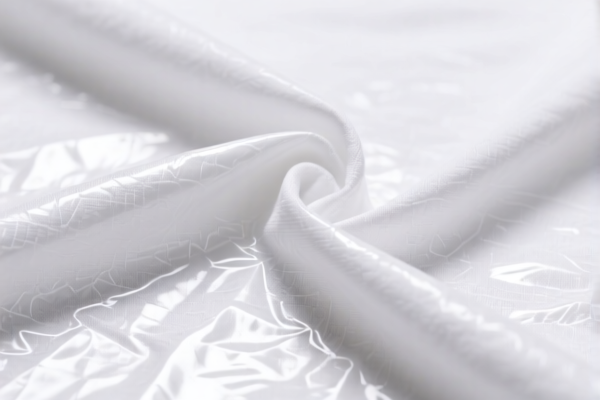
PVC Dustproof Textile Cloth is a composite material widely used in industrial applications, such as conveyor belts, protective covers, tents, and flexible containers. It consists of a textile substrate (fabric) impregnated or coated with Polyvinyl Chloride (PVC).
In international trade, this product is often misclassified due to confusion between "Impregnated Textiles" (Chapter 59) and "Plastic Sheets/Products with Textile Support" (Chapter 39). The key distinction lies in the nature of the processing and the primary characteristic of the final product.
⚠️ Key Distinction Point:
- If the textile is merely impregnated/coated but retains its essential character as a textile → Chapter 59
- If it is considered a plastic composite sheet with textile reinforcement → Chapter 39
- If it is a finished textile article not further worked than cut/sewn → Chapter 63
📦 II. HS Code Classification Details (2026 Latest Tariff Authoritative Comparison)
| HS Code | Product Description | Application Scenario | Classification Logic |
|---|---|---|---|
5903.10.20.10 |
Textiles impregnated, coated, covered or laminated with PVC, of yarn or strip or the like of heading 54.04 or 54.05, weighing ≤ 1.5 kg/m² | Thin PVC-coated fabric, lightweight dust covers, simple textiles | ✅ Textile Primary (Lightweight) |
3921.12.15.00 |
Other plates, sheets, film, foil and strip, of polymers of ethylene | PVC composite sheets where plastic is the essential character | ⚠️ Plastic Primary (Sheet form) |
6307.90.98.91 |
Other made up articles, including dress patterns, of textiles | Finished textile goods not elsewhere specified | ❌ Less Likely (Only if fully made-up article) |
3921.12.11.00 |
Other plates, sheets, film, foil and strip, of polymers of ethylene | Similar to above, specific polymer variation | ⚠️ Plastic Primary |
5903.10.20.90 |
Other textiles impregnated, coated, covered or laminated with PVC (Other) | Heavy-duty PVC textiles, generic coating | ✅ Textile Primary (General/Heavy) |
🔍 Key Reminder:
-5903.10.20.10and5903.10.20.90are the most common classifications for PVC-coated textiles because the textile retains its identity.
-3921.12.15.00and3921.12.11.00apply if the product is considered a plastic sheet with textile reinforcement, often determined by weight, thickness, and commercial usage as a plastic material.
-6307.90.98.91is generally incorrect for raw rolls of coated fabric; it applies only to finished made-up articles (e.g., a sewn tarpaulin) that do not fit other specific categories.
💰 III. 2026 Latest Tariff Rate Details (Including Additional Taxes & Policy Add-ons)
✅ Applicable Country: United States (US)
✅ Origin: China (CN)
✅ Effective Date: From November 10, 2025 (including subsequent imports)
🎯 1. 5903.10.20.10 — Textiles Impregnated with PVC (Lightweight, ≤ 1.5 kg/m²)
| Item | Content |
|---|---|
| Base Tariff | 0.0% (ad valorem) |
| USITC Additional Tax | +25.0% (Under Section 301, USITC Footnote 9903.88.01) |
| IEEPA Additional Tax | +10.0% (For Chinese/HK products, effective Nov 10, 2025) |
| Total Rate | 35.0% |
| Tax Calculation | CIF Value × 35.0% |
| De Minimis Eligibility | ❌ No (deny_de_minimis) |
| Legal Basis Path | IEEPA:9903.01.25 → IEEPA:9903.01.24 → USITC:5903.10.20.10 → FOOTNOTE:9903.88.01 |
📌 Explanation:
- Although the base tariff is 0%, the 25% Section 301 duty and 10% IEEPA duty result in a 35% total tax.
- This is a high tariff scenario. Must be factored into cost calculations.
🎯 2. 3921.12.15.00 — Other Plates, Sheets, Film of Polymers of Ethylene
| Item | Content |
|---|---|
| Base Tariff | 6.5% |
| USITC Additional Tax | +25.0% |
| IEEPA Additional Tax | +10.0% |
| Total Rate | 41.5% |
| Tax Calculation | CIF Value × 41.5% |
| De Minimis Eligibility | ❌ No |
| Legal Basis Path | IEEPA:9903.01.25 → IEEPA:9903.01.24 → USITC:3921.12.15.00 → FOOTNOTE:9903.88.01 |
📌 Note:
- This classification results in a higher total tax (41.5%) due to the higher base tariff (6.5%).
- If the product is classified under Chapter 39, expect higher costs than Chapter 59.
🎯 3. 6307.90.98.91 — Other Made Up Textile Articles
| Item | Content |
|---|---|
| Base Tariff | 7.0% |
| USITC Additional Tax | +7.5% |
| IEEPA Additional Tax | +10.0% |
| Total Rate | 24.5% |
| Tax Calculation | CIF Value × 24.5% |
| De Minimis Eligibility | ❌ No |
| Legal Basis Path | IEEPA:9903.01.25 → IEEPA:9903.01.24 → USITC:6307.90.98.91 → FOOTNOTE:9903.88.01 |
📌 Caution:
- This lowest tax rate (24.5%) applies only if the product is a finished made-up article (e.g., a specific protective cover that is sewn/assembled).
- Do NOT use this code for raw rolls of PVC-coated fabric. Misclassification can lead to severe penalties.
🎯 4. 3921.12.11.00 — Other Plates, Sheets, Film of Polymers of Ethylene
| Item | Content |
|---|---|
| Base Tariff | 4.2% |
| USITC Additional Tax | +25.0% |
| IEEPA Additional Tax | +10.0% |
| Total Rate | 39.2% |
| Tax Calculation | CIF Value × 39.2% |
| De Minimis Eligibility | ❌ No |
| Legal Basis Path | IEEPA:9903.01.25 → IEEPA:9903.01.24 → USITC:3921.12.11.00 → FOOTNOTE:9903.88.01 |
📌 Note:
- Similar to3921.12.15.00, this falls under Chapter 39 with a base tariff of 4.2%.
- Total tax is 39.2%, which is higher than Chapter 59 options.
🎯 5. 5903.10.20.90 — Textiles Impregnated with PVC (Other/General)
| Item | Content |
|---|---|
| Base Tariff | 0.0% |
| USITC Additional Tax | +25.0% |
| IEEPA Additional Tax | +10.0% |
| Total Rate | 35.0% |
| Tax Calculation | CIF Value × 35.0% |
| De Minimis Eligibility | ❌ No |
| Legal Basis Path | IEEPA:9903.01.25 → IEEPA:9903.01.24 → USITC:5903.10.20.90 → FOOTNOTE:9903.88.01 |
📌 Explanation:
- Same tax structure as5903.10.20.10(35.0%).
- Use this code if the weight is > 1.5 kg/m² or if it doesn't fit the specific lightweight category.
- Chapter 59 is generally more tax-efficient than Chapter 39 for this product.
🛠️ IV. Customs Clearance Practical Advice (Avoid Pitfalls)
✅ 1. Documentation Checklist (Non-Negotiable)
| Document | Required | Description |
|---|---|---|
| ✅ Product Specification Sheet | ✔️ | Must include material composition (PVC % + Fabric %), weight per sq meter (gsm or kg/m²), and dimensions. |
| ✅ Product Photos (Rolls) | ✔️ | Show the texture, coating, and label indicating "PVC Coated Textile." |
| ✅ Commercial Invoice | ✔️ | Clearly state "PVC Coated Textile Cloth" or "Impregnated Textile." Avoid vague terms like "Plastic Sheet" if it's textile-based. |
| ✅ Packing List | ✔️ | List net/gross weight and number of rolls. |
| ✅ Certificate of Origin | ✔️ | If applicable for any potential future exemptions, though currently no de minimis for China. |
✅ 2. Declaration Tips (Key Mantra)
🔥 "Weight Matters! Light = 5903, Heavy = 5903 or 3921. Don't Call It Plastic if It's Cloth!"
| Scenario | Correct Declaration | Wrong Approach |
|---|---|---|
| Lightweight PVC Fabric (≤ 1.5 kg/m²) | 5903.10.20.10 |
Classify as 3921.12.15.00 → Higher Tax (41.5%) |
| Heavyweight PVC Fabric (> 1.5 kg/m²) | 5903.10.20.90 |
Classify as 3921.12.15.00 → Higher Tax (41.5%) |
| Finished Tarpaulin (Sewn/Assembled) | 6307.90.98.91 |
Classify as raw fabric → Risk of Penalty |
| Raw Rolls of Coated Fabric | 5903.10.20.10/90 |
Classify as 6307.90.98.91 → Severe Misclassification Risk |
✅ 3. Special Handling
| Situation | Advice |
|---|---|
| OEM Custom Coating | Provide technical data sheets showing the fabric is the structural base, not just a reinforcement for a plastic sheet. |
| "Dustproof" Feature | This is a functional description. It does not change the HS Code classification. Stick to material composition. |
| Import from Non-China Countries | If the origin is Vietnam, Mexico, Thailand, etc., you may qualify for IEEPA exemption or lower Section 301 rates. Verify origin carefully. |
| Pre-Ruling Request | For high-volume imports, request an Advance Ruling from CBP to confirm Chapter 59 vs. Chapter 39 classification. |
🌍 V. Global Market Clearance Comparison (2026 Latest)
| Country/Region | Recommended HS Code | Tariff (China Origin) | Certification | Remarks |
|---|---|---|---|---|
| 🇺🇸 USA | 5903.10.20.10/90 |
35.0% | None specific | High tax due to Section 301 + IEEPA |
| 🇨🇳 China | 5903.10.20.10 |
5-8% (Import to China) | N/A | Lower base duty |
| 🇪🇺 EU | 5903.10.20 |
0-4% | REACH (PVC restrictions) | Check PVC phthalate limits |
| 🇦🇺 Australia | 5903.10.20 |
5% | N/A | Moderate tariff |
| 🇯🇵 Japan | 5903.10.20 |
3-6% | N/A | Moderate tariff |
📌 Conclusion:
- USA is the most expensive market for PVC textile cloth due to the 35% total tariff.
- EU and other markets are more favorable, but watch for environmental regulations (REACH) regarding PVC chemicals.
📌 VI. Common Errors & Pitfalls (Lessons Learned)
❌ Error 1: Classifying raw PVC-coated rolls as 6307.90.98.91 (Finished Article)
👉 Consequence: High Risk of Audit & Penalty because raw fabric is not a "made-up article."
❌ Error 2: Classifying lightweight PVC textile (5903.10.20.10) as 3921.12.15.00
👉 Consequence: Overpayment of Tax (41.5% vs 35.0%). While not illegal, it increases costs unnecessarily.
❌ Error 3: Ignoring the weight threshold (1.5 kg/m²)
👉 Consequence: Wrong sub-category within 5903.10.20. While tax is same, documentation mismatch can cause delays.
❌ Error 4: Using "Plastic Sheet" in description for Textile Product
👉 Consequence: CBP may reclassify to Chapter 39, leading to tax adjustment and potential fines.
✅ Correct Practice:
"PVC Coated Polyester Fabric, Weaving Count: XXX, Weight: XX gsm, for Industrial Use, Unmade"
🎯 VII. Conclusion: Precise Classification Saves Money!
🎯 Remember the Mantra:
🔹 "Chapter 59 is King for Coated Textiles (35%)!"
🔹 "Chapter 39 is for Plastic Sheets (39-41%)!"
🔹 "Don't Use Chapter 63 Unless It's Sewn/Finished!"
📌 Pro Tip:
If your product is non-Chinese origin (e.g., assembled in Vietnam), you may avoid the 10% IEEPA and potentially the 25% Section 301, reducing the total tax to 0-7.5%.
Always verify the Country of Origin and consider supply chain optimization.
📣 Immediate Action:
📞 Contact a professional customs broker + Provide Weight per Square Meter + Request HS Code Pre-Ruling if unsure.
🚀 Minimize Tariffs, Avoid Delays, Maximize Profit!
✨ Professional Clearance Starts with Accurate Classification!
💼 Every Cent Saved is a Cent Earned!
Customer Reviews
About HS Code Classification
The Harmonized System (HS) is an internationally standardized nomenclature developed by the World Customs Organization (WCO) to classify traded products. Over 200 countries use the HS system as the basis for customs tariffs, trade statistics, and import/export regulations.
Each HS code follows a hierarchical structure:
- Chapter (2 digits) — Broad category of goods (e.g., Chapter 84: Machinery and Mechanical Appliances)
- Heading (4 digits) — More specific grouping within the chapter
- Subheading (6 digits) — Internationally standardized breakdown, used by all WCO member countries
- National subdivisions (8-10 digits) — Country-specific extensions for further classification, such as US HTSUS 10-digit codes
Correct HS code classification is essential for smooth customs clearance, accurate duty payment, and compliance with trade regulations. Misclassification can lead to customs delays, overpayment of duties, or penalties.
When importing from CN to US, the applicable tariff rates may include:
- Most-Favored-Nation (MFN) rate — The standard duty rate applied to WTO members
- General rate — Applied to countries without trade agreements
- Trade remedy duties — Additional tariffs such as Section 301 (anti-dumping), Section 232 (national security), or countervailing duties
The information provided on this page is for reference purposes only. For official classification, please consult with your local customs authority or a licensed customs broker.