PVC Fabric Handbag
CN → US| HS编码 | 关税税率 | 原产国 | 目的国 | 文档 |
|---|---|---|---|---|
| 3926903300 | 16.5% | CN | US | 官方文档 |
| 3926903500 | 24.0% | CN | US | 官方文档 |
| 6210207000 | 13.3% | CN | US | 官方文档 |
| 4202221500 | 51.0% | CN | US | 官方文档 |
| 4202224020 | 42.4% | CN | US | 官方文档 |
商品图片
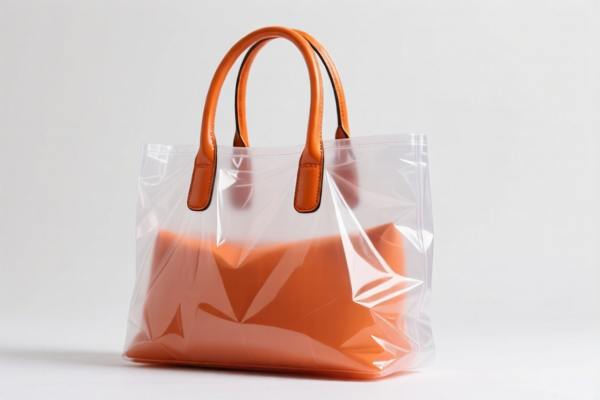
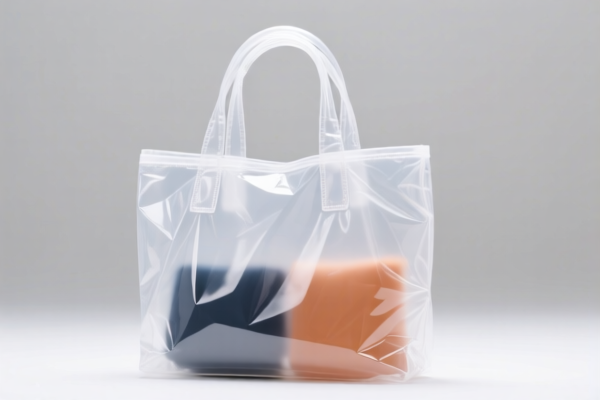
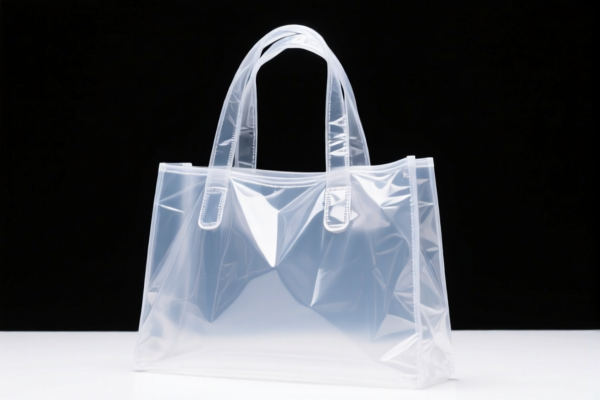
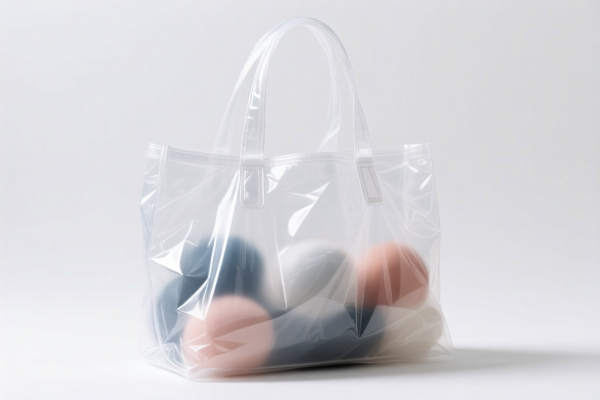
AI分析
👜 PVC Fabric Handbags: The Ultimate Classification & Tariff Strategy Guide
🌐 HS Code Reference & Customs Clearance Guide | 2026 Latest Tariff Breakdown | Strategic Compliance for PVC Bags
📌 Part 1: Product Definition & The Classification Dilemma
A PVC Fabric Handbag is a complex composite good that sits at the intersection of Textiles and Plastics. This ambiguity often leads to significant tariff discrepancies, ranging from 13.3% to 51.0%.
In international trade, this product can be classified under two main headings: 1. Plastic Articles (Chapter 39): If the PVC coating/plastic layer is considered the essential character. 2. Articles of Apparel or Access Parts of Apparel (Chapter 42): If the bag is viewed as a finished accessory, regardless of the plastic exterior. 3. Textile Articles (Chapter 62): If the bag is viewed primarily as a textile product treated with plastic.
⚠️ Critical Distinction Point:
- If the bag is primarily defined by its plastic outer surface → Chapter 42 (Bags) or Chapter 39 (Plastics).
- If the bag is defined as fabric with plastic coating → Chapter 62 (Textiles).
- Note: The "Essential Character" test and specific US Note 2 to Section XI often push finished bags toward Chapter 42, but "Plastic Articles" (Ch 39) remain a viable, lower-tariff fallback if not specifically excluded.
📦 Part 2: HS Code Classification Matrix (2026 Data)
Based on the provided dataset, here is the detailed breakdown of the 5 potential HS Codes for PVC Fabric Handbags.
| HS Code | Product Description & Logic | Total Tax Rate | Tax Breakdown (US Import from CN) |
|---|---|---|---|
| 3926.90.33.00 | Plastic Handbags (General) PVC is the material; Handbag is the use. Falls under general plastic articles. |
16.5% | Base: 6.5% Add'l: 0.0% 122-Clause: 10% |
| 3926.90.35.00 | Plastic Handbags (Section 301) PVC is plastic; Handbag is an article. Classified under "Other" plastic articles subject to higher duties. |
24.0% | Base: 6.5% Add'l: 7.5% 122-Clause: 10% |
| 6210.20.70.00 | Textile with Plastic Coating PVC corresponds to plastic layer/lining; Textile is the base. Fits "Textiles made up of fabric combined with plastic." |
13.3% | Base: 3.3% Add'l: 0.0% 122-Clause: 10% |
| 4202.22.15.00 | Plastic Sheeting Outer Surface Form: Handbag. Outer Surface: PVC. Fits "Outer surface of plastic sheeting or plastic sheeting assembled with textile material." |
51.0% | Base: 16.0% Add'l: 25.0% 122-Clause: 10% |
| 4202.22.40.20 | Other Plastic/Textile Handbags Form: Handbag. Material: Plastic or Textile. Fallback category for bags not specified in 4202.22.15. |
42.4% | Base: 7.4% Add'l: 25.0% 122-Clause: 10% |
🔍 Key Insight:
- Lowest Tax:6210.20.70.00(13.3%) – Requires proving the product is primarily a textile article with plastic treatment.
- Highest Tax:4202.22.15.00(51.0%) – The standard classification for most PVC handbags in the US, heavily penalized by Section 301 tariffs.
- Middle Ground:3926.90.33.00(16.5%) – A strategic alternative if the bag can be argued as a "plastic article" rather than a "bag" under Chapter 42.
💰 Part 3: Tariff Rate Deep Dive (Detailed Clause Explanation)
✅ Applicable Country: United States (US)
✅ Origin: China (CN)
✅ Validity: 2026 Current Tariff Schedule
🎯 1. 3926.90.33.00 – The "Plastic Article" Strategy
Total Rate: 16.5%
This classification avoids the heavy "Bag" penalties of Chapter 42.
| Item | Detail |
|---|---|
| Base Duty | 6.5% |
| Section 301 Duty | 0.0% |
| Section 122 Duty | 10.0% |
| Legal Logic | Classified under Chapter 39 (Plastics and articles thereof), specifically 3926 (Other articles of plastic). |
| Risk | US Customs may argue that a "Handbag" is explicitly covered by Chapter 42, forcing reclassification to the higher 4202 rates. |
🎯 2. 3926.90.35.00 – The Standard Plastic Category
Total Rate: 24.0%
Similar to above but subject to full Section 301 tariffs.
| Item | Detail |
|---|---|
| Base Duty | 6.5% |
| Section 301 Duty | 7.5% |
| Section 122 Duty | 10.0% |
| Legal Logic | "Other" plastic articles not specified elsewhere. |
🎯 3. 6210.20.70.00 – The "Textile Hybrid" Loophole
Total Rate: 13.3%
This is the most aggressive cost-saving classification.
| Item | Detail |
|---|---|
| Base Duty | 3.3% |
| Section 301 Duty | 0.0% |
| Section 122 Duty | 10.0% |
| Legal Logic | Chapter 62 (Articles of apparel and clothing accessories, not knitted or crocheted). Specifically 6210 (Garments made up of fabrics of heading 56.02, 56.03, 59.03, 59.06, or 59.11). Note: Handbags can sometimes fall here if deemed "textile articles" with plastic coating. |
| Risk | High risk of reclassification if the plastic component is deemed "essential" rather than the textile. |
🎯 4. 4202.22.15.00 – The Standard "PVC Bag" Rate
Total Rate: 51.0%
This is the default classification for most PVC handbags imported from China.
| Item | Detail |
|---|---|
| Base Duty | 16.0% |
| Section 301 Duty | 25.0% |
| Section 122 Duty | 10.0% |
| Legal Logic | Chapter 42 (Articles of leather; saddle harness...). Heading 4202 (Trunks, suitcases, vanity cases, etc.). Subheading 4202.22 (With outer surface of plastic sheeting or of plastic sheeting assembled with textile material). |
| Impact | Highest Cost. Drastically reduces profit margins. |
🎯 5. 4202.22.40.20 – The "Other" Fallback
Total Rate: 42.4%
Used if the bag doesn't fit the specific "plastic sheeting" description of 4202.22.15 but still falls under Chapter 42.
| Item | Detail |
|---|---|
| Base Duty | 7.4% |
| Section 301 Duty | 25.0% |
| Section 122 Duty | 10.0% |
| Legal Logic | "Other" articles with outer surface of plastic or textile. |
🛠️ Part 4: Customs Clearance & Strategic Advice
✅ 1. Documentation Requirements (Must-Haves)
| Document | Purpose |
|---|---|
| Product Composition Statement | Clearly state % of PVC vs. Textile. Critical for arguing 6210 vs 4202. |
| Technical Data Sheet | Detail the manufacturing process (e.g., "PVC coated on woven polyester"). |
| Photos (Open & Closed) | Show the interior lining. If the interior is textile-heavy, it supports 6210 or 3926. |
| Commercial Invoice | Use precise descriptions. Avoid just "Handbag." Use "PVC-Coated Woven Fabric Bag." |
| Bill of Lading | Ensure weight and volume match invoice. |
✅ 2. Strategic Classification Recommendations
🏆 Strategy A: Aim for 6210.20.70.00 (13.3% Tax)
- How to argue: Emphasize that the product is a textile fabric that has been treated/coated with PVC. The textile provides the structural integrity, and PVC is merely a surface treatment.
- Evidence Needed: Show that the textile weave is the primary structural component. If the bag tears, it tears from the fabric, not just the plastic peel.
- Risk: High. US CBP often classifies PVC bags under Chapter 42. You may need to file a Binding Ruling Request to lock this in.
🥈 Strategy B: Aim for 3926.90.33.00 (16.5% Tax)
- How to argue: Claim the item is a plastic article (e.g., a "pouch" or "container") rather than a "handbag" in the traditional sense. Use the fact that PVC is the dominant material by weight/volume.
- Evidence Needed: Weight distribution data. If PVC is >50% of the weight, this argument is stronger.
- Risk: Moderate. The term "Handbag" in the invoice may trigger Chapter 42 scrutiny.
🥉 Strategy C: Accept 4202.22.15.00 (51.0% Tax)
- When to use: If the product is clearly a fashion handbag with a smooth PVC outer shell and standard bag hardware (straps, zippers, clasps).
- Mitigation: Check if you qualify for any Section 301 Exclusions. If not, factor this into your pricing model.
✅ 3. Customs Clearance Tips
- Avoid "Handbag" if possible: In your invoice description, use neutral terms like "PVC Coated Fabric Carrier" or "Plastic-Coated Textile Pouch" to open the door for 3926 or 6210 classification.
- Pre-Arbitration Ruling: If shipping high volumes, file a Binding Tariff Information (BTI) request or a US CBP Ruling before shipping. This provides legal certainty and protects you from retroactive duties.
- Section 122 Awareness: All HS codes in the dataset include a 10% Section 122 tariff. Ensure your cost calculations include this non-negotiable fee.
- Origin Marking: All goods must be clearly marked "Made in China" to avoid duty evasion accusations.
🌍 Part 5: Global Market Comparison (Quick Reference)
| Market | Recommended HS Code | Est. Tax (from CN) | Key Certifications |
|---|---|---|---|
| 🇺🇸 USA | 6210.20.70.00 (Best Case) |
13.3% | None specific for bags, but FTC labeling required |
| 🇺🇸 USA | 4202.22.15.00 (Standard) |
51.0% | See above |
| 🇪🇺 EU | 4202.22.00 |
~10-12% | CE (if electronic), REACH (for PVC chemicals) |
| 🇨🇳 China | 4202.22.15 |
10-20% | CCC (if applicable) |
📌 Conclusion for US Importers:
The difference between 13.3% and 51.0% is massive.
DO NOT automatically assume4202.22.15.00.
Work with your freight forwarder to prepare evidence supporting6210.20.70.00(Textile-based) or3926.90.33.00(Plastic-based) to save up to 37.7% in duties.
📌 Part 6: Common Pitfalls & Avoidance
❌ Pitfall 1: Describing the item simply as "PVC Handbag" on the invoice.
👉 Result: CBP defaults to 4202.22.15.00 (51%).
✅ Fix: Use "Coated Fabric Carrier" or specify material composition in detail.
❌ Pitfall 2: Ignoring Section 122 Tariffs.
👉 Result: Budget miscalculation.
✅ Fix: Always add 10% to your cost model for Section 122.
❌ Pitfall 3: Assuming all PVC goods are Chapter 39.
👉 Result: Rejection by CBP.
✅ Fix: Chapter 42 (Bags) takes precedence over Chapter 39 (Plastics) for finished bags. You must argue why it falls outside Chapter 42 (e.g., via Chapter 62 Textiles).
🎯 Final Verdict: Optimize Your HS Code
🎯 Remember:
🔹 "Textile First" = 13.3% (
6210)
🔹 "Plastic First" = 16.5% (3926)
🔹 "Standard Bag" = 51.0% (4202)
📌 Action Plan:
1. Analyze Material Composition: Is the textile the base? → Argue 6210.
2. Check Weight: Is PVC dominant? → Argue 3926.
3. File for Ruling: If unsure, apply for a CBP Binding Ruling before the first shipment.
4. Update Invoices: Tailor descriptions to support your chosen classification.
✨ Smart Classification = Smart Savings!
💼 Don't let 51% tariffs eat your profit. Choose wisely!
用户评价
关于 HS 编码归类
协调制度(HS)是由世界海关组织(WCO)制定的国际贸易商品分类标准。全球 200 多个国家采用 HS 系统作为海关关税、贸易统计和进出口监管的基础。
每个 HS 编码遵循以下层级结构:
- 章(2 位)——商品大类(例如:第 84 章:机器和机械设备)
- 品目(4 位)——章内的更具体分类
- 子目(6 位)——国际通用细分,所有 WCO 成员国统一使用
- 本国细分(8-10 位)——各国自行扩展的细分编码,如美国 HTSUS 10 位编码
正确的 HS 编码归类对于顺利通关、准确缴纳关税和遵守贸易法规至关重要。错误归类可能导致海关延误、多缴关税或罚款。
从CN进口到US时,适用的关税税率可能包括:
- 最惠国(MFN)税率——适用于 WTO 成员国的标准关税税率
- 普通税率——适用于无贸易协定国家
- 贸易救济关税——附加关税,如 301 条款(反倾销)、232 条款(国家安全)或反补贴税
本页内容仅供参考。如需正式归类,请咨询当地海关或持牌报关代理。