PVC Fabric Handbag
CN → US| HS Code | Tariff Rate | Origin | Destination | Doc |
|---|---|---|---|---|
| 3926903300 | 16.5% | CN | US | Official Doc |
| 3926903500 | 24.0% | CN | US | Official Doc |
| 6210207000 | 13.3% | CN | US | Official Doc |
| 4202221500 | 51.0% | CN | US | Official Doc |
| 4202224020 | 42.4% | CN | US | Official Doc |
Product Images
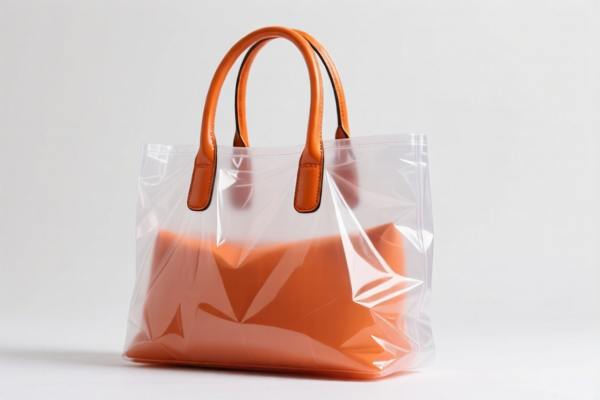
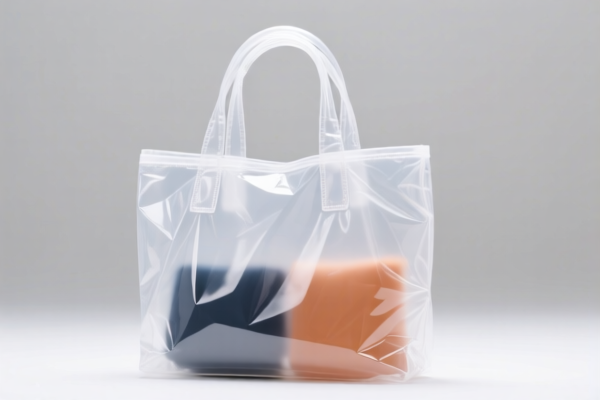
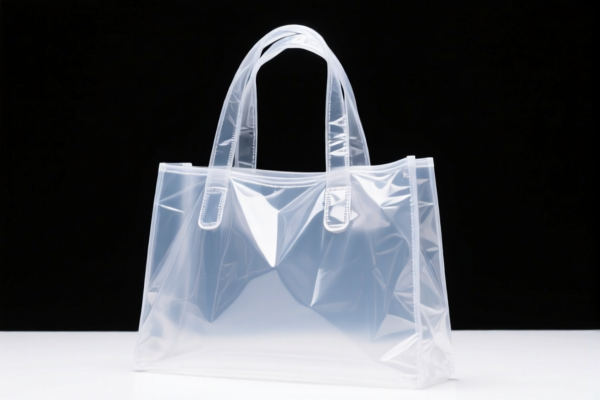

AI Analysis
👜 PVC Fabric Handbags: The Ultimate Classification & Tariff Strategy Guide
🌐 HS Code Reference & Customs Clearance Guide | 2026 Latest Tariff Breakdown | Strategic Compliance for PVC Bags
📌 Part 1: Product Definition & The Classification Dilemma
A PVC Fabric Handbag is a complex composite good that sits at the intersection of Textiles and Plastics. This ambiguity often leads to significant tariff discrepancies, ranging from 13.3% to 51.0%.
In international trade, this product can be classified under two main headings: 1. Plastic Articles (Chapter 39): If the PVC coating/plastic layer is considered the essential character. 2. Articles of Apparel or Access Parts of Apparel (Chapter 42): If the bag is viewed as a finished accessory, regardless of the plastic exterior. 3. Textile Articles (Chapter 62): If the bag is viewed primarily as a textile product treated with plastic.
⚠️ Critical Distinction Point:
- If the bag is primarily defined by its plastic outer surface → Chapter 42 (Bags) or Chapter 39 (Plastics).
- If the bag is defined as fabric with plastic coating → Chapter 62 (Textiles).
- Note: The "Essential Character" test and specific US Note 2 to Section XI often push finished bags toward Chapter 42, but "Plastic Articles" (Ch 39) remain a viable, lower-tariff fallback if not specifically excluded.
📦 Part 2: HS Code Classification Matrix (2026 Data)
Based on the provided dataset, here is the detailed breakdown of the 5 potential HS Codes for PVC Fabric Handbags.
| HS Code | Product Description & Logic | Total Tax Rate | Tax Breakdown (US Import from CN) |
|---|---|---|---|
| 3926.90.33.00 | Plastic Handbags (General) PVC is the material; Handbag is the use. Falls under general plastic articles. |
16.5% | Base: 6.5% Add'l: 0.0% 122-Clause: 10% |
| 3926.90.35.00 | Plastic Handbags (Section 301) PVC is plastic; Handbag is an article. Classified under "Other" plastic articles subject to higher duties. |
24.0% | Base: 6.5% Add'l: 7.5% 122-Clause: 10% |
| 6210.20.70.00 | Textile with Plastic Coating PVC corresponds to plastic layer/lining; Textile is the base. Fits "Textiles made up of fabric combined with plastic." |
13.3% | Base: 3.3% Add'l: 0.0% 122-Clause: 10% |
| 4202.22.15.00 | Plastic Sheeting Outer Surface Form: Handbag. Outer Surface: PVC. Fits "Outer surface of plastic sheeting or plastic sheeting assembled with textile material." |
51.0% | Base: 16.0% Add'l: 25.0% 122-Clause: 10% |
| 4202.22.40.20 | Other Plastic/Textile Handbags Form: Handbag. Material: Plastic or Textile. Fallback category for bags not specified in 4202.22.15. |
42.4% | Base: 7.4% Add'l: 25.0% 122-Clause: 10% |
🔍 Key Insight:
- Lowest Tax:6210.20.70.00(13.3%) – Requires proving the product is primarily a textile article with plastic treatment.
- Highest Tax:4202.22.15.00(51.0%) – The standard classification for most PVC handbags in the US, heavily penalized by Section 301 tariffs.
- Middle Ground:3926.90.33.00(16.5%) – A strategic alternative if the bag can be argued as a "plastic article" rather than a "bag" under Chapter 42.
💰 Part 3: Tariff Rate Deep Dive (Detailed Clause Explanation)
✅ Applicable Country: United States (US)
✅ Origin: China (CN)
✅ Validity: 2026 Current Tariff Schedule
🎯 1. 3926.90.33.00 – The "Plastic Article" Strategy
Total Rate: 16.5%
This classification avoids the heavy "Bag" penalties of Chapter 42.
| Item | Detail |
|---|---|
| Base Duty | 6.5% |
| Section 301 Duty | 0.0% |
| Section 122 Duty | 10.0% |
| Legal Logic | Classified under Chapter 39 (Plastics and articles thereof), specifically 3926 (Other articles of plastic). |
| Risk | US Customs may argue that a "Handbag" is explicitly covered by Chapter 42, forcing reclassification to the higher 4202 rates. |
🎯 2. 3926.90.35.00 – The Standard Plastic Category
Total Rate: 24.0%
Similar to above but subject to full Section 301 tariffs.
| Item | Detail |
|---|---|
| Base Duty | 6.5% |
| Section 301 Duty | 7.5% |
| Section 122 Duty | 10.0% |
| Legal Logic | "Other" plastic articles not specified elsewhere. |
🎯 3. 6210.20.70.00 – The "Textile Hybrid" Loophole
Total Rate: 13.3%
This is the most aggressive cost-saving classification.
| Item | Detail |
|---|---|
| Base Duty | 3.3% |
| Section 301 Duty | 0.0% |
| Section 122 Duty | 10.0% |
| Legal Logic | Chapter 62 (Articles of apparel and clothing accessories, not knitted or crocheted). Specifically 6210 (Garments made up of fabrics of heading 56.02, 56.03, 59.03, 59.06, or 59.11). Note: Handbags can sometimes fall here if deemed "textile articles" with plastic coating. |
| Risk | High risk of reclassification if the plastic component is deemed "essential" rather than the textile. |
🎯 4. 4202.22.15.00 – The Standard "PVC Bag" Rate
Total Rate: 51.0%
This is the default classification for most PVC handbags imported from China.
| Item | Detail |
|---|---|
| Base Duty | 16.0% |
| Section 301 Duty | 25.0% |
| Section 122 Duty | 10.0% |
| Legal Logic | Chapter 42 (Articles of leather; saddle harness...). Heading 4202 (Trunks, suitcases, vanity cases, etc.). Subheading 4202.22 (With outer surface of plastic sheeting or of plastic sheeting assembled with textile material). |
| Impact | Highest Cost. Drastically reduces profit margins. |
🎯 5. 4202.22.40.20 – The "Other" Fallback
Total Rate: 42.4%
Used if the bag doesn't fit the specific "plastic sheeting" description of 4202.22.15 but still falls under Chapter 42.
| Item | Detail |
|---|---|
| Base Duty | 7.4% |
| Section 301 Duty | 25.0% |
| Section 122 Duty | 10.0% |
| Legal Logic | "Other" articles with outer surface of plastic or textile. |
🛠️ Part 4: Customs Clearance & Strategic Advice
✅ 1. Documentation Requirements (Must-Haves)
| Document | Purpose |
|---|---|
| Product Composition Statement | Clearly state % of PVC vs. Textile. Critical for arguing 6210 vs 4202. |
| Technical Data Sheet | Detail the manufacturing process (e.g., "PVC coated on woven polyester"). |
| Photos (Open & Closed) | Show the interior lining. If the interior is textile-heavy, it supports 6210 or 3926. |
| Commercial Invoice | Use precise descriptions. Avoid just "Handbag." Use "PVC-Coated Woven Fabric Bag." |
| Bill of Lading | Ensure weight and volume match invoice. |
✅ 2. Strategic Classification Recommendations
🏆 Strategy A: Aim for 6210.20.70.00 (13.3% Tax)
- How to argue: Emphasize that the product is a textile fabric that has been treated/coated with PVC. The textile provides the structural integrity, and PVC is merely a surface treatment.
- Evidence Needed: Show that the textile weave is the primary structural component. If the bag tears, it tears from the fabric, not just the plastic peel.
- Risk: High. US CBP often classifies PVC bags under Chapter 42. You may need to file a Binding Ruling Request to lock this in.
🥈 Strategy B: Aim for 3926.90.33.00 (16.5% Tax)
- How to argue: Claim the item is a plastic article (e.g., a "pouch" or "container") rather than a "handbag" in the traditional sense. Use the fact that PVC is the dominant material by weight/volume.
- Evidence Needed: Weight distribution data. If PVC is >50% of the weight, this argument is stronger.
- Risk: Moderate. The term "Handbag" in the invoice may trigger Chapter 42 scrutiny.
🥉 Strategy C: Accept 4202.22.15.00 (51.0% Tax)
- When to use: If the product is clearly a fashion handbag with a smooth PVC outer shell and standard bag hardware (straps, zippers, clasps).
- Mitigation: Check if you qualify for any Section 301 Exclusions. If not, factor this into your pricing model.
✅ 3. Customs Clearance Tips
- Avoid "Handbag" if possible: In your invoice description, use neutral terms like "PVC Coated Fabric Carrier" or "Plastic-Coated Textile Pouch" to open the door for 3926 or 6210 classification.
- Pre-Arbitration Ruling: If shipping high volumes, file a Binding Tariff Information (BTI) request or a US CBP Ruling before shipping. This provides legal certainty and protects you from retroactive duties.
- Section 122 Awareness: All HS codes in the dataset include a 10% Section 122 tariff. Ensure your cost calculations include this non-negotiable fee.
- Origin Marking: All goods must be clearly marked "Made in China" to avoid duty evasion accusations.
🌍 Part 5: Global Market Comparison (Quick Reference)
| Market | Recommended HS Code | Est. Tax (from CN) | Key Certifications |
|---|---|---|---|
| 🇺🇸 USA | 6210.20.70.00 (Best Case) |
13.3% | None specific for bags, but FTC labeling required |
| 🇺🇸 USA | 4202.22.15.00 (Standard) |
51.0% | See above |
| 🇪🇺 EU | 4202.22.00 |
~10-12% | CE (if electronic), REACH (for PVC chemicals) |
| 🇨🇳 China | 4202.22.15 |
10-20% | CCC (if applicable) |
📌 Conclusion for US Importers:
The difference between 13.3% and 51.0% is massive.
DO NOT automatically assume4202.22.15.00.
Work with your freight forwarder to prepare evidence supporting6210.20.70.00(Textile-based) or3926.90.33.00(Plastic-based) to save up to 37.7% in duties.
📌 Part 6: Common Pitfalls & Avoidance
❌ Pitfall 1: Describing the item simply as "PVC Handbag" on the invoice.
👉 Result: CBP defaults to 4202.22.15.00 (51%).
✅ Fix: Use "Coated Fabric Carrier" or specify material composition in detail.
❌ Pitfall 2: Ignoring Section 122 Tariffs.
👉 Result: Budget miscalculation.
✅ Fix: Always add 10% to your cost model for Section 122.
❌ Pitfall 3: Assuming all PVC goods are Chapter 39.
👉 Result: Rejection by CBP.
✅ Fix: Chapter 42 (Bags) takes precedence over Chapter 39 (Plastics) for finished bags. You must argue why it falls outside Chapter 42 (e.g., via Chapter 62 Textiles).
🎯 Final Verdict: Optimize Your HS Code
🎯 Remember:
🔹 "Textile First" = 13.3% (
6210)
🔹 "Plastic First" = 16.5% (3926)
🔹 "Standard Bag" = 51.0% (4202)
📌 Action Plan:
1. Analyze Material Composition: Is the textile the base? → Argue 6210.
2. Check Weight: Is PVC dominant? → Argue 3926.
3. File for Ruling: If unsure, apply for a CBP Binding Ruling before the first shipment.
4. Update Invoices: Tailor descriptions to support your chosen classification.
✨ Smart Classification = Smart Savings!
💼 Don't let 51% tariffs eat your profit. Choose wisely!
Customer Reviews
About HS Code Classification
The Harmonized System (HS) is an internationally standardized nomenclature developed by the World Customs Organization (WCO) to classify traded products. Over 200 countries use the HS system as the basis for customs tariffs, trade statistics, and import/export regulations.
Each HS code follows a hierarchical structure:
- Chapter (2 digits) — Broad category of goods (e.g., Chapter 84: Machinery and Mechanical Appliances)
- Heading (4 digits) — More specific grouping within the chapter
- Subheading (6 digits) — Internationally standardized breakdown, used by all WCO member countries
- National subdivisions (8-10 digits) — Country-specific extensions for further classification, such as US HTSUS 10-digit codes
Correct HS code classification is essential for smooth customs clearance, accurate duty payment, and compliance with trade regulations. Misclassification can lead to customs delays, overpayment of duties, or penalties.
When importing from CN to US, the applicable tariff rates may include:
- Most-Favored-Nation (MFN) rate — The standard duty rate applied to WTO members
- General rate — Applied to countries without trade agreements
- Trade remedy duties — Additional tariffs such as Section 301 (anti-dumping), Section 232 (national security), or countervailing duties
The information provided on this page is for reference purposes only. For official classification, please consult with your local customs authority or a licensed customs broker.