PVC Pipe Scrap
CN → US| HS编码 | 关税税率 | 原产国 | 目的国 | 文档 |
|---|---|---|---|---|
| 3915300000 | 35.0% | CN | US | 官方文档 |
| 3915900090 | 35.0% | CN | US | 官方文档 |
商品图片
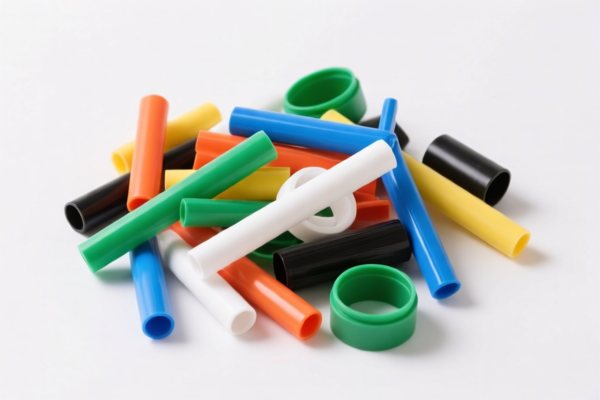
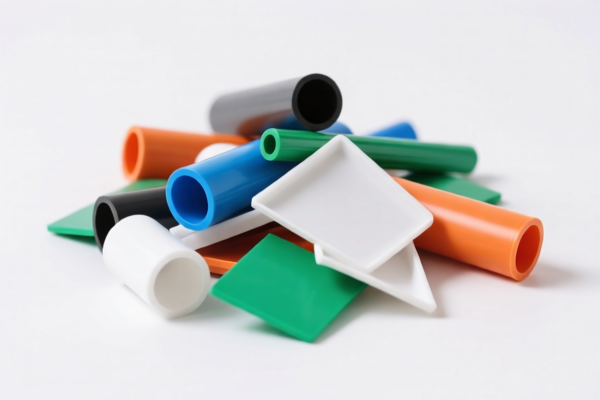
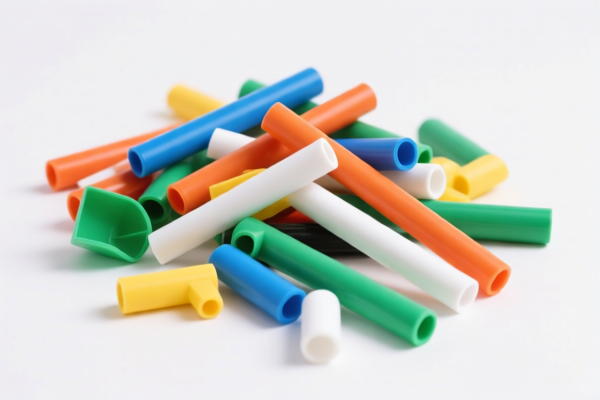
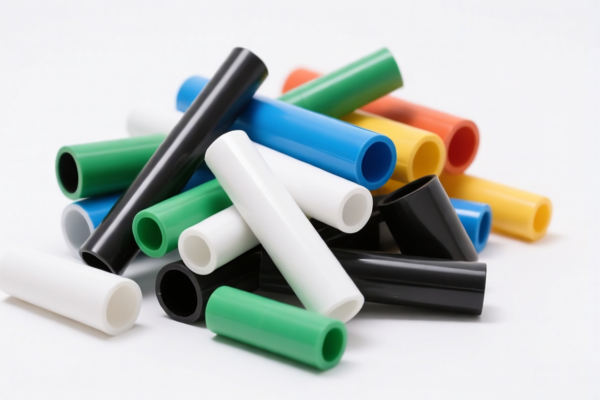
AI分析
♻️ PVC Pipe Scrap (Plastics Waste)
🌐 HS Code Reference & Customs Clearance Guide | 2026 Latest Tariff Analysis | Professional-Level Compliance Strategy
📌 I. Product Definition & Classification: Do You Really Understand "PVC Scrap"?
PVC Pipe Scrap refers to the waste, parings, and scrap generated from the processing of polymers of vinyl chloride (PVC). In international trade, specifically for the US market, these materials are strictly regulated under Chapter 39 (Plastics and Articles Thereof).
The classification hinges on the material composition: * Polymer of Vinyl Chloride (PVC): Specifically falls under HS Code 3915.30. * Other Plastics: Any non-PVC plastic scrap (e.g., PE, PP, PET) falls under HS Code 3915.90.
⚠️ Key Distinction Point:
- If the scrap is 100% PVC (from pipes, fittings, etc.) → Classify under 3915.30.00.00.
- If the scrap is a mixed batch containing non-PVC plastics, or if the specific polymer cannot be confirmed as PVC → It may be deemed "Other Plastics" → Classify under 3915.90.00.90.
- Critical Note: Even though both codes currently share the same tax rate, misclassification risks legal penalties, delays, and audits. Precision in material declaration is vital.
📦 II. HS Code Classification Details (2026 Latest Tariff Authority Comparison)
| HS Code | Product Description | Application Scenario | Material Composition |
|---|---|---|---|
3915.30.00.00 |
Waste, parings and scrap, of plastics: Of polymers of vinyl chloride | PVC pipe cuttings, PVC profile off-cuts, PVC manufacturing waste | ✅ PVC (Vinyl Chloride Polymers) |
3915.90.00.90 |
Waste, parings and scrap, of plastics: Of other plastics Other | Mixed plastic scrap, Non-PVC plastic waste (PE, PP, PS, etc.), Unidentified plastic scrap | ❌ Non-PVC |
🔍 Important Reminder:
- 3915.30.00.00 is the only correct code for pure PVC waste.
- 3915.90.00.90 is the default for "Other Plastics." Do NOT use this code for PVC to "hide" the material; customs may test samples and demand re-classification.
- Both codes are treated as Plastic Waste, which is highly scrutinized for environmental compliance and tariff purposes.
💰 III. 2026 Latest Tariff Rate Breakdown (Including Supplementary Taxes, Policy Add-ons)
✅ Applicable Country: United States (US)
✅ Origin: China (CN)
✅ Effective Date: 2025/2026 (Current Trade Environment)
🎯 1. 3915.30.00.00 —— Waste, Parings and Scrap of Polymers of Vinyl Chloride (PVC)
| Item | Content |
|---|---|
| Base Tariff Rate | 0.0% (Ad Valorem) |
| Section 301 Supplementary Tariff | +25.0% (From USITC Footnote regarding China-origin goods) |
| Total Tariff Rate | 25.0% |
| Tax Calculation | CIF Value × 25% |
| De Minimis Exemption Eligibility | ❌ No (Plastic waste/scrap is generally excluded from de minimis benefits under current trade policies, especially with high tariffs) |
| Legal Basis Path | HTSUS:3915.30.00.00 → USITC:Section 301 → China Origin Surcharge |
📌 Explanation:
- The Base Rate is 0% because plastic waste is often considered low-value recyclable material.
- However, the 25% Section 301 Tariff applies heavily due to US-China trade tensions.
- Total Cost: You pay 25% of the CIF value in duties alone. This is a significant cost factor for recycling businesses.
- No Mitigation: Unlike some finished goods, plastic scrap has no common tariff mitigation programs currently available for China-origin goods.
🎯 2. 3915.90.00.90 —— Waste, Parings and Scrap of Other Plastics (Other)
| Item | Content |
|---|---|
| Base Tariff Rate | 0.0% (Ad Valorem) |
| Section 301 Supplementary Tariff | +25.0% (From USITC Footnote regarding China-origin goods) |
| Total Tariff Rate | 25.0% |
| Tax Calculation | CIF Value × 25% |
| De Minimis Exemption Eligibility | ❌ No |
| Legal Basis Path | HTSUS:3915.90.00.90 → USITC:Section 301 → China Origin Surcharge |
📌 Note:
- While the HS Code differs, the tax burden is identical (25%) for China-origin goods in this category.
- Misclassification Risk: If you declare PVC as "Other Plastics" to avoid scrutiny, you risk fraud charges if customs detects chlorine content (via FTIR testing).
- Consistency: Ensure your Bill of Lading, Commercial Invoice, and Packing List all consistently describe the material as "PVC Scrap" if using 3915.30.
🛠️ IV. Customs Clearance Practical Advice (Battle-Proven Pitfall Avoidance)
✅ 1. Required Document Checklist (None Can Be Missing)
| Document | Mandatory | Explanation |
|---|---|---|
| ✅ Commercial Invoice | ✔️ | Must clearly state: "PVC Pipe Scrap," "Polymers of Vinyl Chloride," Weight, Value. |
| ✅ Packing List | ✔️ | Detailed breakdown of weight per bale/package. No hidden mixed materials. |
| ✅ Product Photos | ✔️ | Clear images of the scrap, including any markings on the pipes (e.g., "PVC," "Schedule 40"). |
| ✅ Certificate of Origin | ✔️ | Proves China origin (subject to 25% tariff). If from Vietnam/Malaysia, may reduce/eliminate tariff. |
| ✅ Material Composition Statement | ✔️ | Signed statement confirming 100% PVC (for 3915.30) or detailing % of other plastics. |
| ✅ ISRI Specification (Optional but Recommended) | ✔️ | Reference to industry standards for plastic scrap (e.g., ISRI 201) adds credibility. |
✅ 2. Declaration Tips (Key Mantras)
🔥 "Pure PVC is 3915.30, Mixed is 3915.90, Label It Right, Avoid the Fight!"
| Scenario | Correct Declaration | Wrong Practice |
|---|---|---|
| 100% PVC Pipe Cuttings | 3915.30.00.00 - "PVC Scrap" |
Misdeclare as "Mixed Plastic" → Risk of audit & fines |
| Mixed Plastic Waste (PE+PVC) | 3915.90.00.90 - "Mixed Plastic Scrap" |
Declare as "PVC" → Rejection/Return |
| Contaminated Scrap | Must disclose contamination | Hide contamination → FDA/CBP seizure |
| Shredded vs. Unshredded | Specify form (shredded/pieces) | Vague description → Customs hold for inspection |
✅ 3. Special Circumstances Handling
| Situation | Handling Advice |
|---|---|
| Mixed Bales | If bales contain non-PVC plastics, you must use 3915.90.00.90. Do not attempt to split bales if not physically separated. |
| Foreign Origin (Non-China) | If PVC scrap comes from Vietnam, Malaysia, or Mexico, the 25% Section 301 tariff does not apply. Check FTA eligibility for 0% duty. |
| Environmental Compliance | US Customs may require proof that scrap is clean, dry, and free of hazardous contaminants (e.g., lead stabilizers in old pipes). Provide lab tests if requested. |
| De Minimis (Section 321) | Not Applicable. Plastic scrap is generally excluded from the $800 de minimis exemption for China-origin goods. Full formal entry required. |
🌍 V. Global Main Market Clearance Comparison (2026 Latest)
| Country/Region | Recommended HS Code | Tariff (China Origin) | Certification/Remarks |
|---|---|---|---|
| 🇺🇸 USA | 3915.30.00.00 |
25.0% | High scrutiny on contamination. Formal entry required. |
| 🇨🇳 China | 3915.30.00.00 |
0% (Import Duty) | May have environmental fees. Check local recycling policies. |
| 🇪🇺 EU | 3915.30 |
Varies (0-6.5%) | Strict Basel Convention rules on plastic waste export/import. |
| 🇬🇧 UK | 3915.30 |
Varies (0-6.5%) | Post-Brexit rules apply. Check UK Global Tariff. |
| 🇨🇦 Canada | 3915.30.00.90 |
0% (under CUSMA) | Preferential tariff if eligible. |
📌 Conclusion:
- The USA imposes a stiff 25% tariff on PVC scrap from China.
- Supply Chain Strategy: Consider sourcing PVC scrap from ASEAN countries (Vietnam, Thailand) or North America to avoid Section 301 tariffs.
- Documentation is Key: The difference between "PVC" and "Mixed Plastic" is minimal in price but critical in compliance.
📌 VI. Common Errors & Pitfall Guide (Blood and Tears Lessons)
❌ Error 1: Declaring PVC Scrap as "General Plastic Waste" to avoid scrutiny
👉 Consequence: Customs labs test for Chlorine. If PVC is found, you face misdeclaration penalties and back-tariff assessments.
❌ Error 2: Mixing Non-PVC plastics in a PVC-only shipment
👉 Consequence: The entire shipment may be reclassified as 3915.90.00.90 (if that's the intent) or worse, rejected for contamination. Ensure homogeneity.
❌ Error 3: Using "De Minimis" ($800) for PVC Scrap from China
👉 Consequence: Seizure. Plastic scrap is explicitly excluded from Section 321 benefits for Chinese goods. Always file formal entry.
❌ Error 4: Failing to disclose Contamination (e.g., metal rings, dirt)
👉 Consequence: CBP may classify the shipment as "Municipal Solid Waste" rather than "Recyclable Scrap," leading to high disposal costs or return.
✅ Correct Practice:
"PVC Pipe Scrap, Shredded, Clean, 100% Polymers of Vinyl Chloride, No Contaminants, ISRI Grade 2A"
🎯 VII. Conclusion: Precise Classification Saves Money!
🎯 Remember the Mantra:
🔹 "PVC is 3915.30, Other is 3915.90, 25% Tariff Stings, So Know Your Source!"
🔹 "China Origin = 25% Tax, Non-China Origin = Check FTAs, Don't Guess the Code, Or Get Caught!"
📌 Pro Tip:
If your PVC scrap originates from Vietnam, Malaysia, or India, verify if it qualifies for zero tariffs under current trade agreements. The 25% tariff only applies to China-origin goods.
Pre-clearance Ruling: For large volumes, request an Advance Ruling from CBP to confirm classification and tariff liability.
📣 Immediate Action:
📞 Contact a Licensed Customs Broker + Provide Lab Test Results (if mixed) + Verify Country of Origin
🚀 Clear Your PVC Scrap, Avoid Penalties, Maximize Recycling Profits!
✨ Professional Clearance Starts with Accurate Classification!
💼 Every Percent of Tariff Counts!
用户评价
关于 HS 编码归类
协调制度(HS)是由世界海关组织(WCO)制定的国际贸易商品分类标准。全球 200 多个国家采用 HS 系统作为海关关税、贸易统计和进出口监管的基础。
每个 HS 编码遵循以下层级结构:
- 章(2 位)——商品大类(例如:第 84 章:机器和机械设备)
- 品目(4 位)——章内的更具体分类
- 子目(6 位)——国际通用细分,所有 WCO 成员国统一使用
- 本国细分(8-10 位)——各国自行扩展的细分编码,如美国 HTSUS 10 位编码
正确的 HS 编码归类对于顺利通关、准确缴纳关税和遵守贸易法规至关重要。错误归类可能导致海关延误、多缴关税或罚款。
从CN进口到US时,适用的关税税率可能包括:
- 最惠国(MFN)税率——适用于 WTO 成员国的标准关税税率
- 普通税率——适用于无贸易协定国家
- 贸易救济关税——附加关税,如 301 条款(反倾销)、232 条款(国家安全)或反补贴税
本页内容仅供参考。如需正式归类,请咨询当地海关或持牌报关代理。