PVC Pipe Scrap
CN → US| HS Code | Tariff Rate | Origin | Destination | Doc |
|---|---|---|---|---|
| 3915300000 | 35.0% | CN | US | Official Doc |
| 3915900090 | 35.0% | CN | US | Official Doc |
Product Images
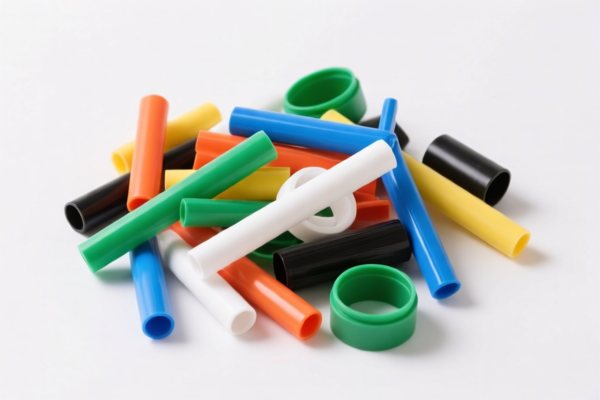
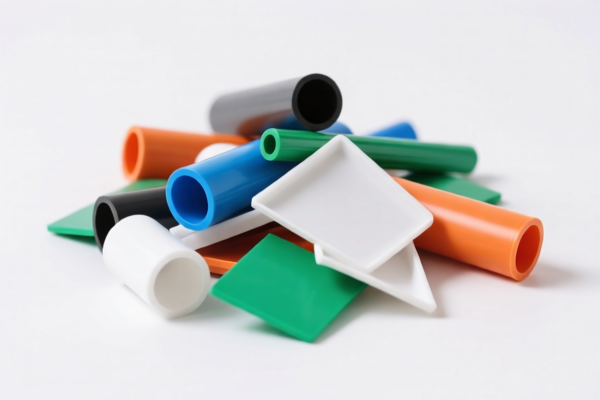
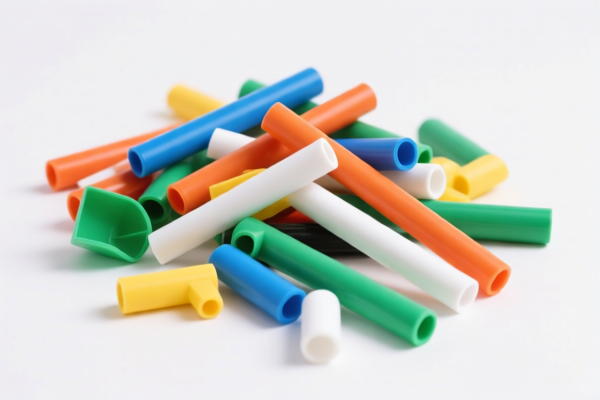
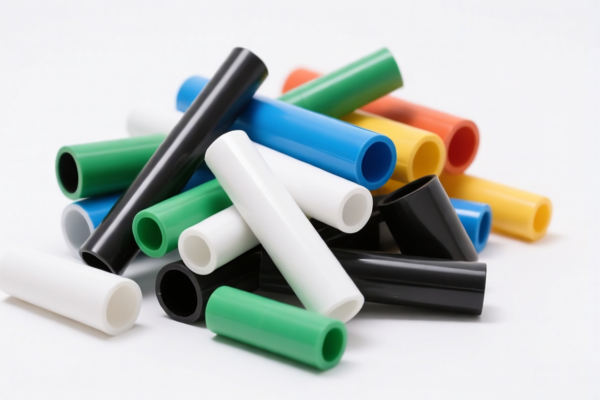
AI Analysis
♻️ PVC Pipe Scrap (Plastics Waste)
🌐 HS Code Reference & Customs Clearance Guide | 2026 Latest Tariff Analysis | Professional-Level Compliance Strategy
📌 I. Product Definition & Classification: Do You Really Understand "PVC Scrap"?
PVC Pipe Scrap refers to the waste, parings, and scrap generated from the processing of polymers of vinyl chloride (PVC). In international trade, specifically for the US market, these materials are strictly regulated under Chapter 39 (Plastics and Articles Thereof).
The classification hinges on the material composition: * Polymer of Vinyl Chloride (PVC): Specifically falls under HS Code 3915.30. * Other Plastics: Any non-PVC plastic scrap (e.g., PE, PP, PET) falls under HS Code 3915.90.
⚠️ Key Distinction Point:
- If the scrap is 100% PVC (from pipes, fittings, etc.) → Classify under 3915.30.00.00.
- If the scrap is a mixed batch containing non-PVC plastics, or if the specific polymer cannot be confirmed as PVC → It may be deemed "Other Plastics" → Classify under 3915.90.00.90.
- Critical Note: Even though both codes currently share the same tax rate, misclassification risks legal penalties, delays, and audits. Precision in material declaration is vital.
📦 II. HS Code Classification Details (2026 Latest Tariff Authority Comparison)
| HS Code | Product Description | Application Scenario | Material Composition |
|---|---|---|---|
3915.30.00.00 |
Waste, parings and scrap, of plastics: Of polymers of vinyl chloride | PVC pipe cuttings, PVC profile off-cuts, PVC manufacturing waste | ✅ PVC (Vinyl Chloride Polymers) |
3915.90.00.90 |
Waste, parings and scrap, of plastics: Of other plastics Other | Mixed plastic scrap, Non-PVC plastic waste (PE, PP, PS, etc.), Unidentified plastic scrap | ❌ Non-PVC |
🔍 Important Reminder:
- 3915.30.00.00 is the only correct code for pure PVC waste.
- 3915.90.00.90 is the default for "Other Plastics." Do NOT use this code for PVC to "hide" the material; customs may test samples and demand re-classification.
- Both codes are treated as Plastic Waste, which is highly scrutinized for environmental compliance and tariff purposes.
💰 III. 2026 Latest Tariff Rate Breakdown (Including Supplementary Taxes, Policy Add-ons)
✅ Applicable Country: United States (US)
✅ Origin: China (CN)
✅ Effective Date: 2025/2026 (Current Trade Environment)
🎯 1. 3915.30.00.00 —— Waste, Parings and Scrap of Polymers of Vinyl Chloride (PVC)
| Item | Content |
|---|---|
| Base Tariff Rate | 0.0% (Ad Valorem) |
| Section 301 Supplementary Tariff | +25.0% (From USITC Footnote regarding China-origin goods) |
| Total Tariff Rate | 25.0% |
| Tax Calculation | CIF Value × 25% |
| De Minimis Exemption Eligibility | ❌ No (Plastic waste/scrap is generally excluded from de minimis benefits under current trade policies, especially with high tariffs) |
| Legal Basis Path | HTSUS:3915.30.00.00 → USITC:Section 301 → China Origin Surcharge |
📌 Explanation:
- The Base Rate is 0% because plastic waste is often considered low-value recyclable material.
- However, the 25% Section 301 Tariff applies heavily due to US-China trade tensions.
- Total Cost: You pay 25% of the CIF value in duties alone. This is a significant cost factor for recycling businesses.
- No Mitigation: Unlike some finished goods, plastic scrap has no common tariff mitigation programs currently available for China-origin goods.
🎯 2. 3915.90.00.90 —— Waste, Parings and Scrap of Other Plastics (Other)
| Item | Content |
|---|---|
| Base Tariff Rate | 0.0% (Ad Valorem) |
| Section 301 Supplementary Tariff | +25.0% (From USITC Footnote regarding China-origin goods) |
| Total Tariff Rate | 25.0% |
| Tax Calculation | CIF Value × 25% |
| De Minimis Exemption Eligibility | ❌ No |
| Legal Basis Path | HTSUS:3915.90.00.90 → USITC:Section 301 → China Origin Surcharge |
📌 Note:
- While the HS Code differs, the tax burden is identical (25%) for China-origin goods in this category.
- Misclassification Risk: If you declare PVC as "Other Plastics" to avoid scrutiny, you risk fraud charges if customs detects chlorine content (via FTIR testing).
- Consistency: Ensure your Bill of Lading, Commercial Invoice, and Packing List all consistently describe the material as "PVC Scrap" if using 3915.30.
🛠️ IV. Customs Clearance Practical Advice (Battle-Proven Pitfall Avoidance)
✅ 1. Required Document Checklist (None Can Be Missing)
| Document | Mandatory | Explanation |
|---|---|---|
| ✅ Commercial Invoice | ✔️ | Must clearly state: "PVC Pipe Scrap," "Polymers of Vinyl Chloride," Weight, Value. |
| ✅ Packing List | ✔️ | Detailed breakdown of weight per bale/package. No hidden mixed materials. |
| ✅ Product Photos | ✔️ | Clear images of the scrap, including any markings on the pipes (e.g., "PVC," "Schedule 40"). |
| ✅ Certificate of Origin | ✔️ | Proves China origin (subject to 25% tariff). If from Vietnam/Malaysia, may reduce/eliminate tariff. |
| ✅ Material Composition Statement | ✔️ | Signed statement confirming 100% PVC (for 3915.30) or detailing % of other plastics. |
| ✅ ISRI Specification (Optional but Recommended) | ✔️ | Reference to industry standards for plastic scrap (e.g., ISRI 201) adds credibility. |
✅ 2. Declaration Tips (Key Mantras)
🔥 "Pure PVC is 3915.30, Mixed is 3915.90, Label It Right, Avoid the Fight!"
| Scenario | Correct Declaration | Wrong Practice |
|---|---|---|
| 100% PVC Pipe Cuttings | 3915.30.00.00 - "PVC Scrap" |
Misdeclare as "Mixed Plastic" → Risk of audit & fines |
| Mixed Plastic Waste (PE+PVC) | 3915.90.00.90 - "Mixed Plastic Scrap" |
Declare as "PVC" → Rejection/Return |
| Contaminated Scrap | Must disclose contamination | Hide contamination → FDA/CBP seizure |
| Shredded vs. Unshredded | Specify form (shredded/pieces) | Vague description → Customs hold for inspection |
✅ 3. Special Circumstances Handling
| Situation | Handling Advice |
|---|---|
| Mixed Bales | If bales contain non-PVC plastics, you must use 3915.90.00.90. Do not attempt to split bales if not physically separated. |
| Foreign Origin (Non-China) | If PVC scrap comes from Vietnam, Malaysia, or Mexico, the 25% Section 301 tariff does not apply. Check FTA eligibility for 0% duty. |
| Environmental Compliance | US Customs may require proof that scrap is clean, dry, and free of hazardous contaminants (e.g., lead stabilizers in old pipes). Provide lab tests if requested. |
| De Minimis (Section 321) | Not Applicable. Plastic scrap is generally excluded from the $800 de minimis exemption for China-origin goods. Full formal entry required. |
🌍 V. Global Main Market Clearance Comparison (2026 Latest)
| Country/Region | Recommended HS Code | Tariff (China Origin) | Certification/Remarks |
|---|---|---|---|
| 🇺🇸 USA | 3915.30.00.00 |
25.0% | High scrutiny on contamination. Formal entry required. |
| 🇨🇳 China | 3915.30.00.00 |
0% (Import Duty) | May have environmental fees. Check local recycling policies. |
| 🇪🇺 EU | 3915.30 |
Varies (0-6.5%) | Strict Basel Convention rules on plastic waste export/import. |
| 🇬🇧 UK | 3915.30 |
Varies (0-6.5%) | Post-Brexit rules apply. Check UK Global Tariff. |
| 🇨🇦 Canada | 3915.30.00.90 |
0% (under CUSMA) | Preferential tariff if eligible. |
📌 Conclusion:
- The USA imposes a stiff 25% tariff on PVC scrap from China.
- Supply Chain Strategy: Consider sourcing PVC scrap from ASEAN countries (Vietnam, Thailand) or North America to avoid Section 301 tariffs.
- Documentation is Key: The difference between "PVC" and "Mixed Plastic" is minimal in price but critical in compliance.
📌 VI. Common Errors & Pitfall Guide (Blood and Tears Lessons)
❌ Error 1: Declaring PVC Scrap as "General Plastic Waste" to avoid scrutiny
👉 Consequence: Customs labs test for Chlorine. If PVC is found, you face misdeclaration penalties and back-tariff assessments.
❌ Error 2: Mixing Non-PVC plastics in a PVC-only shipment
👉 Consequence: The entire shipment may be reclassified as 3915.90.00.90 (if that's the intent) or worse, rejected for contamination. Ensure homogeneity.
❌ Error 3: Using "De Minimis" ($800) for PVC Scrap from China
👉 Consequence: Seizure. Plastic scrap is explicitly excluded from Section 321 benefits for Chinese goods. Always file formal entry.
❌ Error 4: Failing to disclose Contamination (e.g., metal rings, dirt)
👉 Consequence: CBP may classify the shipment as "Municipal Solid Waste" rather than "Recyclable Scrap," leading to high disposal costs or return.
✅ Correct Practice:
"PVC Pipe Scrap, Shredded, Clean, 100% Polymers of Vinyl Chloride, No Contaminants, ISRI Grade 2A"
🎯 VII. Conclusion: Precise Classification Saves Money!
🎯 Remember the Mantra:
🔹 "PVC is 3915.30, Other is 3915.90, 25% Tariff Stings, So Know Your Source!"
🔹 "China Origin = 25% Tax, Non-China Origin = Check FTAs, Don't Guess the Code, Or Get Caught!"
📌 Pro Tip:
If your PVC scrap originates from Vietnam, Malaysia, or India, verify if it qualifies for zero tariffs under current trade agreements. The 25% tariff only applies to China-origin goods.
Pre-clearance Ruling: For large volumes, request an Advance Ruling from CBP to confirm classification and tariff liability.
📣 Immediate Action:
📞 Contact a Licensed Customs Broker + Provide Lab Test Results (if mixed) + Verify Country of Origin
🚀 Clear Your PVC Scrap, Avoid Penalties, Maximize Recycling Profits!
✨ Professional Clearance Starts with Accurate Classification!
💼 Every Percent of Tariff Counts!
Customer Reviews
About HS Code Classification
The Harmonized System (HS) is an internationally standardized nomenclature developed by the World Customs Organization (WCO) to classify traded products. Over 200 countries use the HS system as the basis for customs tariffs, trade statistics, and import/export regulations.
Each HS code follows a hierarchical structure:
- Chapter (2 digits) — Broad category of goods (e.g., Chapter 84: Machinery and Mechanical Appliances)
- Heading (4 digits) — More specific grouping within the chapter
- Subheading (6 digits) — Internationally standardized breakdown, used by all WCO member countries
- National subdivisions (8-10 digits) — Country-specific extensions for further classification, such as US HTSUS 10-digit codes
Correct HS code classification is essential for smooth customs clearance, accurate duty payment, and compliance with trade regulations. Misclassification can lead to customs delays, overpayment of duties, or penalties.
When importing from CN to US, the applicable tariff rates may include:
- Most-Favored-Nation (MFN) rate — The standard duty rate applied to WTO members
- General rate — Applied to countries without trade agreements
- Trade remedy duties — Additional tariffs such as Section 301 (anti-dumping), Section 232 (national security), or countervailing duties
The information provided on this page is for reference purposes only. For official classification, please consult with your local customs authority or a licensed customs broker.