PVC Thickened Textile Tent Fabric
CN → US| HS编码 | 关税税率 | 原产国 | 目的国 | 文档 |
|---|---|---|---|---|
| 5903102010 | 35.0% | CN | US | 官方文档 |
| 6306221000 | 17.5% | CN | US | 官方文档 |
| 6306120000 | 18.8% | CN | US | 官方文档 |
| 3921121500 | 41.5% | CN | US | 官方文档 |
| 5903102090 | 35.0% | CN | US | 官方文档 |
商品图片
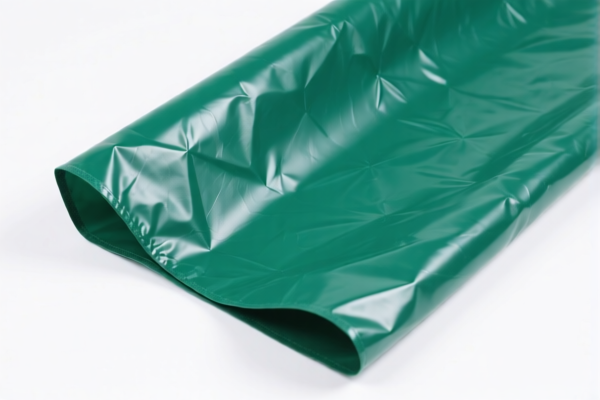
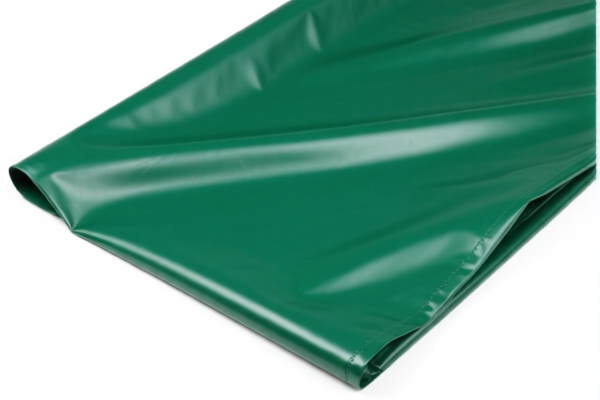
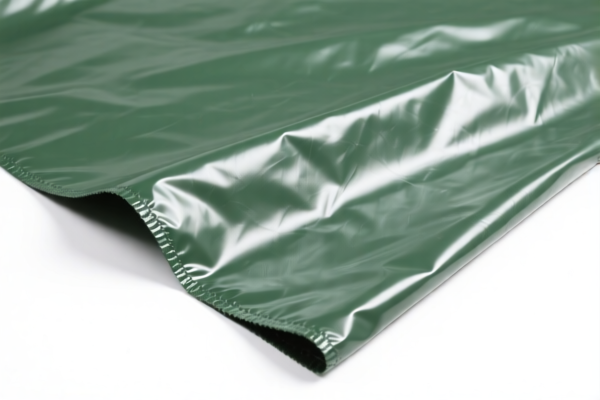

AI分析
⛺ PVC Thickened Textile Tent Fabric: The Ultimate Classification & Tariff Guide 2026
🌐 HS Code Reference & Customs Clearance Strategy | 2026 Latest Tariff Analysis | Professional Compliance Guide
📌 1. Product Definition & Classification Logic: What Exactly Is This?
PVC Thickened Textile Tent Fabric is a composite material consisting of a textile base (usually polyester or nylon) coated or impregnated with Polyvinyl Chloride (PVC) to enhance durability, waterproofing, and thickness. In international trade, its classification hinges on two critical factors: 1. Material Composition: PVC (Plastic) + Textile. 2. End-Use/Structure: Is it considered a "plastic sheet/plate" or a "textile coated with plastic"?
⚠️ Key Classification Divergence:
- If the fabric is viewed primarily as a coated textile → Chapter 59 (Textiles).
- If the fabric is viewed as a plastic composite plate/sheet → Chapter 39 (Plastics).
- If the fabric is specifically destined for Tents → Chapter 63 (Other Made-Up Articles).
📦 2. HS Code Classification Matrix (2026 Latest Tariff Alignment)
Based on the provided data, here is the breakdown of the 6 possible HS Codes and their tax implications.
| HS Code | Classification Category | Total Tax Rate (China Origin → US) | Key Matching Logic |
|---|---|---|---|
| 5903.10.20.10 | Textile Coated with PVC (Specific) | 35.0% | Matches "Yarn covered with PVC". It is a textile fabric where PVC is the dominant coating. No material conflict. |
| 5903.10.20.90 | Textile Coated with PVC (General) | 35.0% | Matches "PVC" + "Textile Tent Fabric". Interpreted as plastic-impregnated textile fabric. |
| 6306.22.10.00 | Tent Fabric / Canvas | 17.5% | Matches "Tent Fabric" (Canvas category). PVC is accepted as a synthetic/plastic material for tents. |
| 6306.12.00.00 | Synthetic Fiber Tents | 18.8% | Matches "Textile" (inferred as synthetic fiber) + "Tent Fabric" (use/shape). High base duty. |
| 3921.12.15.00 | Plastic Plate/Sheet w/ Textile | 41.5% | Matches "PVC" + "Thick Cloth" (interpreted as plate/sheet logic). Plastic-textile composite. |
| 3921.12.11.00 | Plastic Composite (Foam/Other) | 39.2% | Matches "PVC" + "Textile Composite". Interpreted as PVC polymer compounded with textile materials. |
🔍 Critical Insight:
- Lowest Tax:6306.22.10.00at 17.5%.
- Highest Tax:3921.12.15.00at 41.5%.
- Most Common Misclassification: Treating it as a pure plastic sheet (3921) when it is technically a coated textile (5903), or vice versa. The distinction determines whether you pay ~17.5% or ~35-41.5%.
💰 3. 2026 Tariff Rate Breakdown (Detailed Policy Analysis)
✅ Target Market: United States (US)
✅ Country of Origin: China (CN)
✅ Effective Date: Post-2025 (Current Trade Environment)
🎯 Option A: The "Textile" Route (HS 5903)
HS Codes: 5903.10.20.10 / 5903.10.20.90
Total Tax: 35.0%
| Component | Rate | Legal Basis |
|---|---|---|
| Base Duty | 0.0% | Free entry for coated textiles under this specific subheading. |
| Section 301 (USITC) | +25.0% | Additional duty on Chinese goods under Trade Act Section 301. |
| IEEPA (122 Clause) | +10.0% | Additional duty under International Emergency Economic Powers Act. |
| Total | 35.0% | CIF Value × 35% |
📌 Explanation:
The "Base Duty" is often 0% for certain coated textiles, but the Section 301 (25%) + IEEPA (10%) penalties apply aggressively. This is a high-cost route for Chinese manufacturers.
🎯 Option B: The "Tent/Canvas" Route (HS 6306)
HS Codes: 6306.22.10.00 / 6306.12.00.00
Total Tax: 17.5% – 18.8%
| HS Code | Base Duty | Section 301 | IEEPA | Total |
|---|---|---|---|---|
| 6306.22.10.00 | 0.0% | +7.5% | +10.0% | 17.5% |
| 6306.12.00.00 | +8.8% | 0.0% | +10.0% | 18.8% |
📌 Explanation:
-6306.22.10.00is the most favorable if the product is strictly defined as "Tent Fabric" (Canvas). The Section 301 duty is lower (7.5%) compared to textiles.
-6306.12.00.00has a higher base duty (8.8%) but avoids Section 301, resulting in a similar total.
- Strategy: Use6306.22.10.00if the fabric is clearly for tent manufacturing.
🎯 Option C: The "Plastic Composite" Route (HS 3921)
HS Codes: 3921.12.15.00 / 3921.12.11.00
Total Tax: 39.2% – 41.5%
| Component | Rate (3921.12.15.00) | Rate (3921.12.11.00) |
|---|---|---|
| Base Duty | 6.5% | 4.2% |
| Section 301 | +25.0% | +25.0% |
| IEEPA | +10.0% | +10.0% |
| Total | 41.5% | 39.2% |
📌 Explanation:
This route incurs the highest tariffs. Customs may apply this if they view the PVC layer as the essential character, treating the textile merely as a reinforcement. Avoid this classification if possible due to cost.
🛠️ 4. Customs Clearance Practical Advice
✅ 1. Documentation Checklist (Mandatory)
| Document | Requirement | Purpose |
|---|---|---|
| Product Specification Sheet | Must state: PVC content %, Textile base type (Polyester/Nylon), Thickness (mm), Weight (gsm). | Proves "Coated Textile" vs. "Plastic Sheet". |
| Bill of Materials (BOM) | Detail the lamination process (e.g., "PVC coating on Polyester fabric"). | Supports HS 5903 or 6306 classification over 3921. |
| Commercial Invoice | Description: "PVC Coated Polyester Tent Fabric". Do not simply write "Plastic Sheet". | Prevents misclassification by CBP as plastic goods. |
| Certificate of Origin (CO) | Required for determining Section 301 applicability. | Confirm China origin triggers additional duties. |
| Photos of Product | Show texture, cross-section (if possible), and final use context. | Visual proof of textile nature. |
✅ 2. Declaration Strategy (Pro Tips)
🔥 Golden Rule: "Define by End-Use for Tents, Define by Material for General Fabric."
| Scenario | Recommended HS Code | Reasoning |
|---|---|---|
| Selling to Tent Manufacturers | 6306.22.10.00 | Highest chance of being accepted as "Canvas/Tent Fabric". Lowest tax (17.5%). |
| Selling as Raw Material | 5903.10.20.10/90 | Safest for "Coated Textile". Standard 35% tax. Clear regulatory path. |
| Thick, Rigid PVC Sheets | 3921.12.15.00 | Only if the fabric is so stiff it behaves like a plastic plate. Avoid if flexible. |
⚠️ Warning:
- Do not declare as "Plastic Film" or "Vinyl Sheet" if it is woven textile. CBP will reclassify and penalize.
- Ensure the description includes "Textile" and "PVC Coated".
✅ 3. Special Circumstances
| Situation | Advice |
|---|---|
| OEM Custom Colors/Prints | Provide print design files. Does not change HS code, but proves commercial value. |
| Fire-Retardant Treatment | If treated, mention it in specs. May require additional safety certs but doesn't change HS. |
| Bulk Rolls vs. Cut Panels | Ship as rolls to support "Textile/Fabric" classification. Cut panels may look more like "Made-Up Articles" (still 6306). |
🌍 5. Global Market Comparison (2026 Context)
| Market | Preferred HS Code | Est. Total Duty (China Origin) | Notes |
|---|---|---|---|
| 🇺🇸 USA | 6306.22.10.00 or 5903.10.20.10 |
17.5% or 35.0% | IEEPA 10% + Section 301 applies. |
| 🇪🇺 EU | 6306.22 or 5903.10 |
Varies (0-12%) | No Section 301/IEEPA. Lower base duties. |
| 🇨🇳 China | 6306.22 or 5903.10 |
5-10% | Domestic consumption or re-export. |
| 🇦🇺 Australia | 6306.22 |
~5-10% | Lower tariff burden, no US-style penalties. |
📌 Conclusion for US Imports:
The US market is the most expensive due to IEEPA (10%) + Section 301 (25% or 7.5%).
- Winning Strategy: Classify as Tent Fabric (6306.22.10.00) to minimize Section 301 to 7.5%.
- Alternative: Classify as Coated Textile (5903) if tent classification is rejected, accepting 35%.
📌 6. Common Errors & Pitfalls
❌ Error 1: Declaring as "Plastic Tarpaulin" (HS 3921)
👉 Result: 41.5% Tax. Too high.
👉 Fix: Prove textile base structure.
❌ Error 2: Declaring as "Tent" (Finished Good)
👉 Result: If it's just fabric rolls, not sewn tents, this is misdeclaration.
👉 Fix: Use "Tent Fabric" or "Canvas Material".
❌ Error 3: Ignoring IEEPA 10%
👉 Result: Underpayment. Customs will audit and demand back taxes + interest.
👉 Fix: Always include IEEPA in cost calculations.
✅ Correct Declaration Example:
"PVC Coated Polyester Textile Fabric, Thickened, for Tent Manufacturing. Not sewn. 1000 GSM. HS 6306.22.10.00."
🎯 7. Conclusion: Optimize Your Cost & Compliance
🎯 Final Recommendation:
- Primary Choice:
6306.22.10.00(17.5% Total).- Why? Lowest total duty. Fits "Tent Fabric" description perfectly.
- Backup Choice:
5903.10.20.10(35.0% Total).- Why? If CBP rejects "Tent" classification, this is the standard "Coated Textile" fallback.
- Avoid:
3921.12.15.00(41.5% Total).- Why? Unnecessarily high tax for a flexible textile product.
📌 Action Item:
- Prepare technical datasheets highlighting "Polyester/Nylon Base" and "PVC Coating".
- Mark invoices as "Tent Fabric / Canvas Material".
- Consult a customs broker for Advance Ruling if shipment volume is high.
✨ Smart Classification Saves Money!
💼 Don't let tariff ambiguity eat your profit margins!
用户评价
关于 HS 编码归类
协调制度(HS)是由世界海关组织(WCO)制定的国际贸易商品分类标准。全球 200 多个国家采用 HS 系统作为海关关税、贸易统计和进出口监管的基础。
每个 HS 编码遵循以下层级结构:
- 章(2 位)——商品大类(例如:第 84 章:机器和机械设备)
- 品目(4 位)——章内的更具体分类
- 子目(6 位)——国际通用细分,所有 WCO 成员国统一使用
- 本国细分(8-10 位)——各国自行扩展的细分编码,如美国 HTSUS 10 位编码
正确的 HS 编码归类对于顺利通关、准确缴纳关税和遵守贸易法规至关重要。错误归类可能导致海关延误、多缴关税或罚款。
从CN进口到US时,适用的关税税率可能包括:
- 最惠国(MFN)税率——适用于 WTO 成员国的标准关税税率
- 普通税率——适用于无贸易协定国家
- 贸易救济关税——附加关税,如 301 条款(反倾销)、232 条款(国家安全)或反补贴税
本页内容仅供参考。如需正式归类,请咨询当地海关或持牌报关代理。