PVC Thickened Textile Tent Fabric
CN → US| HS Code | Tariff Rate | Origin | Destination | Doc |
|---|---|---|---|---|
| 5903102010 | 35.0% | CN | US | Official Doc |
| 6306221000 | 17.5% | CN | US | Official Doc |
| 6306120000 | 18.8% | CN | US | Official Doc |
| 3921121500 | 41.5% | CN | US | Official Doc |
| 5903102090 | 35.0% | CN | US | Official Doc |
Product Images
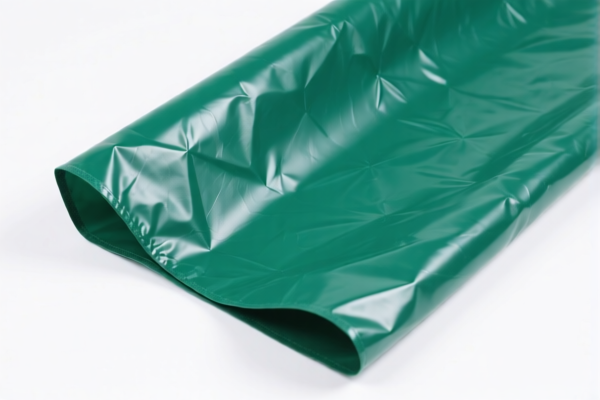
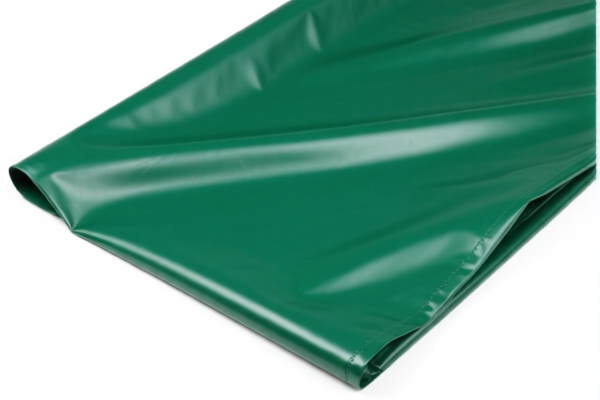
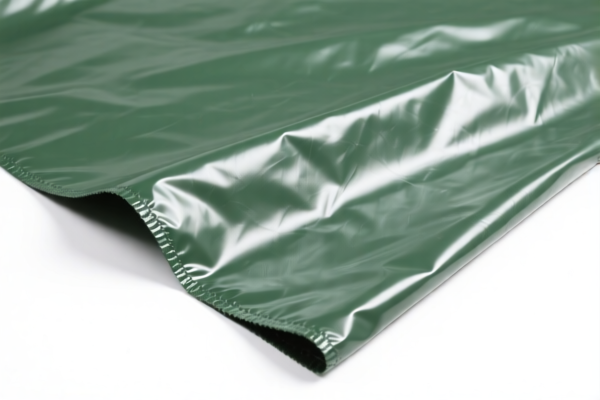

AI Analysis
⛺ PVC Thickened Textile Tent Fabric: The Ultimate Classification & Tariff Guide 2026
🌐 HS Code Reference & Customs Clearance Strategy | 2026 Latest Tariff Analysis | Professional Compliance Guide
📌 1. Product Definition & Classification Logic: What Exactly Is This?
PVC Thickened Textile Tent Fabric is a composite material consisting of a textile base (usually polyester or nylon) coated or impregnated with Polyvinyl Chloride (PVC) to enhance durability, waterproofing, and thickness. In international trade, its classification hinges on two critical factors: 1. Material Composition: PVC (Plastic) + Textile. 2. End-Use/Structure: Is it considered a "plastic sheet/plate" or a "textile coated with plastic"?
⚠️ Key Classification Divergence:
- If the fabric is viewed primarily as a coated textile → Chapter 59 (Textiles).
- If the fabric is viewed as a plastic composite plate/sheet → Chapter 39 (Plastics).
- If the fabric is specifically destined for Tents → Chapter 63 (Other Made-Up Articles).
📦 2. HS Code Classification Matrix (2026 Latest Tariff Alignment)
Based on the provided data, here is the breakdown of the 6 possible HS Codes and their tax implications.
| HS Code | Classification Category | Total Tax Rate (China Origin → US) | Key Matching Logic |
|---|---|---|---|
| 5903.10.20.10 | Textile Coated with PVC (Specific) | 35.0% | Matches "Yarn covered with PVC". It is a textile fabric where PVC is the dominant coating. No material conflict. |
| 5903.10.20.90 | Textile Coated with PVC (General) | 35.0% | Matches "PVC" + "Textile Tent Fabric". Interpreted as plastic-impregnated textile fabric. |
| 6306.22.10.00 | Tent Fabric / Canvas | 17.5% | Matches "Tent Fabric" (Canvas category). PVC is accepted as a synthetic/plastic material for tents. |
| 6306.12.00.00 | Synthetic Fiber Tents | 18.8% | Matches "Textile" (inferred as synthetic fiber) + "Tent Fabric" (use/shape). High base duty. |
| 3921.12.15.00 | Plastic Plate/Sheet w/ Textile | 41.5% | Matches "PVC" + "Thick Cloth" (interpreted as plate/sheet logic). Plastic-textile composite. |
| 3921.12.11.00 | Plastic Composite (Foam/Other) | 39.2% | Matches "PVC" + "Textile Composite". Interpreted as PVC polymer compounded with textile materials. |
🔍 Critical Insight:
- Lowest Tax:6306.22.10.00at 17.5%.
- Highest Tax:3921.12.15.00at 41.5%.
- Most Common Misclassification: Treating it as a pure plastic sheet (3921) when it is technically a coated textile (5903), or vice versa. The distinction determines whether you pay ~17.5% or ~35-41.5%.
💰 3. 2026 Tariff Rate Breakdown (Detailed Policy Analysis)
✅ Target Market: United States (US)
✅ Country of Origin: China (CN)
✅ Effective Date: Post-2025 (Current Trade Environment)
🎯 Option A: The "Textile" Route (HS 5903)
HS Codes: 5903.10.20.10 / 5903.10.20.90
Total Tax: 35.0%
| Component | Rate | Legal Basis |
|---|---|---|
| Base Duty | 0.0% | Free entry for coated textiles under this specific subheading. |
| Section 301 (USITC) | +25.0% | Additional duty on Chinese goods under Trade Act Section 301. |
| IEEPA (122 Clause) | +10.0% | Additional duty under International Emergency Economic Powers Act. |
| Total | 35.0% | CIF Value × 35% |
📌 Explanation:
The "Base Duty" is often 0% for certain coated textiles, but the Section 301 (25%) + IEEPA (10%) penalties apply aggressively. This is a high-cost route for Chinese manufacturers.
🎯 Option B: The "Tent/Canvas" Route (HS 6306)
HS Codes: 6306.22.10.00 / 6306.12.00.00
Total Tax: 17.5% – 18.8%
| HS Code | Base Duty | Section 301 | IEEPA | Total |
|---|---|---|---|---|
| 6306.22.10.00 | 0.0% | +7.5% | +10.0% | 17.5% |
| 6306.12.00.00 | +8.8% | 0.0% | +10.0% | 18.8% |
📌 Explanation:
-6306.22.10.00is the most favorable if the product is strictly defined as "Tent Fabric" (Canvas). The Section 301 duty is lower (7.5%) compared to textiles.
-6306.12.00.00has a higher base duty (8.8%) but avoids Section 301, resulting in a similar total.
- Strategy: Use6306.22.10.00if the fabric is clearly for tent manufacturing.
🎯 Option C: The "Plastic Composite" Route (HS 3921)
HS Codes: 3921.12.15.00 / 3921.12.11.00
Total Tax: 39.2% – 41.5%
| Component | Rate (3921.12.15.00) | Rate (3921.12.11.00) |
|---|---|---|
| Base Duty | 6.5% | 4.2% |
| Section 301 | +25.0% | +25.0% |
| IEEPA | +10.0% | +10.0% |
| Total | 41.5% | 39.2% |
📌 Explanation:
This route incurs the highest tariffs. Customs may apply this if they view the PVC layer as the essential character, treating the textile merely as a reinforcement. Avoid this classification if possible due to cost.
🛠️ 4. Customs Clearance Practical Advice
✅ 1. Documentation Checklist (Mandatory)
| Document | Requirement | Purpose |
|---|---|---|
| Product Specification Sheet | Must state: PVC content %, Textile base type (Polyester/Nylon), Thickness (mm), Weight (gsm). | Proves "Coated Textile" vs. "Plastic Sheet". |
| Bill of Materials (BOM) | Detail the lamination process (e.g., "PVC coating on Polyester fabric"). | Supports HS 5903 or 6306 classification over 3921. |
| Commercial Invoice | Description: "PVC Coated Polyester Tent Fabric". Do not simply write "Plastic Sheet". | Prevents misclassification by CBP as plastic goods. |
| Certificate of Origin (CO) | Required for determining Section 301 applicability. | Confirm China origin triggers additional duties. |
| Photos of Product | Show texture, cross-section (if possible), and final use context. | Visual proof of textile nature. |
✅ 2. Declaration Strategy (Pro Tips)
🔥 Golden Rule: "Define by End-Use for Tents, Define by Material for General Fabric."
| Scenario | Recommended HS Code | Reasoning |
|---|---|---|
| Selling to Tent Manufacturers | 6306.22.10.00 | Highest chance of being accepted as "Canvas/Tent Fabric". Lowest tax (17.5%). |
| Selling as Raw Material | 5903.10.20.10/90 | Safest for "Coated Textile". Standard 35% tax. Clear regulatory path. |
| Thick, Rigid PVC Sheets | 3921.12.15.00 | Only if the fabric is so stiff it behaves like a plastic plate. Avoid if flexible. |
⚠️ Warning:
- Do not declare as "Plastic Film" or "Vinyl Sheet" if it is woven textile. CBP will reclassify and penalize.
- Ensure the description includes "Textile" and "PVC Coated".
✅ 3. Special Circumstances
| Situation | Advice |
|---|---|
| OEM Custom Colors/Prints | Provide print design files. Does not change HS code, but proves commercial value. |
| Fire-Retardant Treatment | If treated, mention it in specs. May require additional safety certs but doesn't change HS. |
| Bulk Rolls vs. Cut Panels | Ship as rolls to support "Textile/Fabric" classification. Cut panels may look more like "Made-Up Articles" (still 6306). |
🌍 5. Global Market Comparison (2026 Context)
| Market | Preferred HS Code | Est. Total Duty (China Origin) | Notes |
|---|---|---|---|
| 🇺🇸 USA | 6306.22.10.00 or 5903.10.20.10 |
17.5% or 35.0% | IEEPA 10% + Section 301 applies. |
| 🇪🇺 EU | 6306.22 or 5903.10 |
Varies (0-12%) | No Section 301/IEEPA. Lower base duties. |
| 🇨🇳 China | 6306.22 or 5903.10 |
5-10% | Domestic consumption or re-export. |
| 🇦🇺 Australia | 6306.22 |
~5-10% | Lower tariff burden, no US-style penalties. |
📌 Conclusion for US Imports:
The US market is the most expensive due to IEEPA (10%) + Section 301 (25% or 7.5%).
- Winning Strategy: Classify as Tent Fabric (6306.22.10.00) to minimize Section 301 to 7.5%.
- Alternative: Classify as Coated Textile (5903) if tent classification is rejected, accepting 35%.
📌 6. Common Errors & Pitfalls
❌ Error 1: Declaring as "Plastic Tarpaulin" (HS 3921)
👉 Result: 41.5% Tax. Too high.
👉 Fix: Prove textile base structure.
❌ Error 2: Declaring as "Tent" (Finished Good)
👉 Result: If it's just fabric rolls, not sewn tents, this is misdeclaration.
👉 Fix: Use "Tent Fabric" or "Canvas Material".
❌ Error 3: Ignoring IEEPA 10%
👉 Result: Underpayment. Customs will audit and demand back taxes + interest.
👉 Fix: Always include IEEPA in cost calculations.
✅ Correct Declaration Example:
"PVC Coated Polyester Textile Fabric, Thickened, for Tent Manufacturing. Not sewn. 1000 GSM. HS 6306.22.10.00."
🎯 7. Conclusion: Optimize Your Cost & Compliance
🎯 Final Recommendation:
- Primary Choice:
6306.22.10.00(17.5% Total).- Why? Lowest total duty. Fits "Tent Fabric" description perfectly.
- Backup Choice:
5903.10.20.10(35.0% Total).- Why? If CBP rejects "Tent" classification, this is the standard "Coated Textile" fallback.
- Avoid:
3921.12.15.00(41.5% Total).- Why? Unnecessarily high tax for a flexible textile product.
📌 Action Item:
- Prepare technical datasheets highlighting "Polyester/Nylon Base" and "PVC Coating".
- Mark invoices as "Tent Fabric / Canvas Material".
- Consult a customs broker for Advance Ruling if shipment volume is high.
✨ Smart Classification Saves Money!
💼 Don't let tariff ambiguity eat your profit margins!
Customer Reviews
About HS Code Classification
The Harmonized System (HS) is an internationally standardized nomenclature developed by the World Customs Organization (WCO) to classify traded products. Over 200 countries use the HS system as the basis for customs tariffs, trade statistics, and import/export regulations.
Each HS code follows a hierarchical structure:
- Chapter (2 digits) — Broad category of goods (e.g., Chapter 84: Machinery and Mechanical Appliances)
- Heading (4 digits) — More specific grouping within the chapter
- Subheading (6 digits) — Internationally standardized breakdown, used by all WCO member countries
- National subdivisions (8-10 digits) — Country-specific extensions for further classification, such as US HTSUS 10-digit codes
Correct HS code classification is essential for smooth customs clearance, accurate duty payment, and compliance with trade regulations. Misclassification can lead to customs delays, overpayment of duties, or penalties.
When importing from CN to US, the applicable tariff rates may include:
- Most-Favored-Nation (MFN) rate — The standard duty rate applied to WTO members
- General rate — Applied to countries without trade agreements
- Trade remedy duties — Additional tariffs such as Section 301 (anti-dumping), Section 232 (national security), or countervailing duties
The information provided on this page is for reference purposes only. For official classification, please consult with your local customs authority or a licensed customs broker.