PVC Wall Cloth (Man made Fiber Base)
CN → US| HS编码 | 关税税率 | 原产国 | 目的国 | 文档 |
|---|---|---|---|---|
| 3921121100 | 39.2% | CN | US | 官方文档 |
| 3921121500 | 41.5% | CN | US | 官方文档 |
| 5903102010 | 35.0% | CN | US | 官方文档 |
| 5903102090 | 35.0% | CN | US | 官方文档 |
| 6307908500 | 23.3% | CN | US | 官方文档 |
商品图片
AI分析
🧱 PVC Wall Cloth (Man-made Fiber Base)
🌐 HS Code Reference & Customs Clearance Guide | 2026 Tariff Analysis | Strategic Import Strategy for US-China Trade
📌 I. Product Definition: What Exactly is "PVC Wall Cloth"?
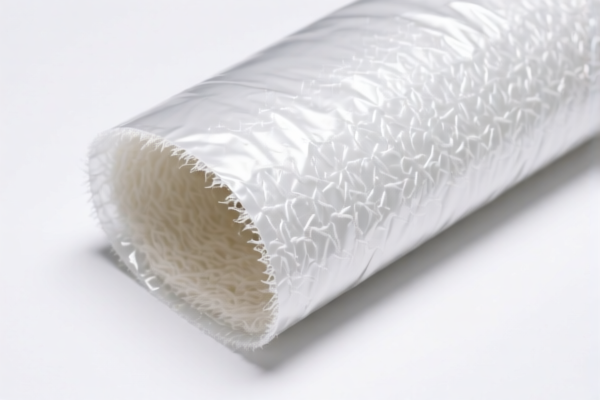
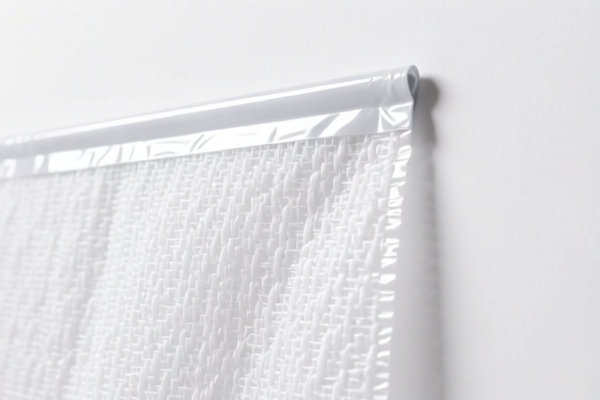
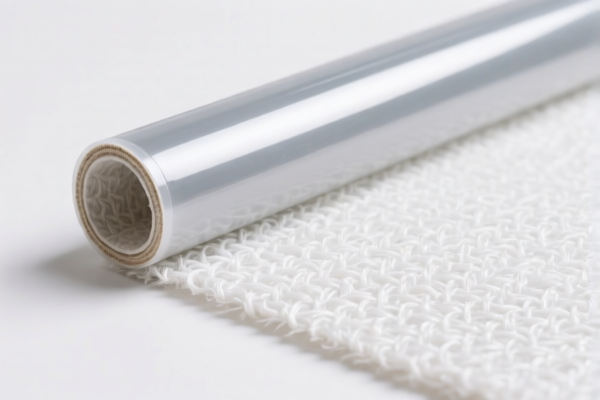
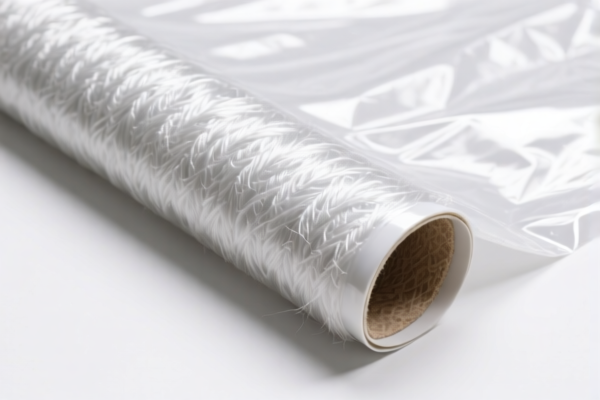
PVC Wall Cloth (Man-made Fiber Base) refers to wall covering materials where a Polyvinyl Chloride (PVC) layer is laminated, coated, or impregnated onto a substrate made primarily of artificial/man-made fibers (e.g., polyester, nylon). It sits at the intersection of plastic products and textile goods.
In international trade, its classification hinges on two critical factors: 1. Form Factor: Is it a rigid foam sheet, a flat film, a flexible fabric, or a finished decorative article (like a wall flag)? 2. Composition: What is the primary characteristic? Does the PVC define it as a plastic product (Chapter 39), or does the textile base define it as an impregnated fabric (Chapter 59)?
⚠️ Key Distinction Point: - Foamed/Structured Composite: Thick, foam-like PVC structure → Likely Chapter 39 (Plastics). - Flat Film/Sheet: Thin, sheet-like PVC on textile → Likely Chapter 39 (Plastics) or Chapter 59 (Textiles) depending on coating weight. - Fabric/Felt Form: Flexible, drapable, woven/knitted base → Likely Chapter 59 (Impregnated Textiles). - Finished Decorative Item: Specific end-use product (e.g., wall banner) → Likely Chapter 63 (Other Made-up Articles).
📦 II. HS Code Classification Matrix (2026 Tariff Data)
Below are the five specific HS Codes derived from the provided data, categorized by product form and customs definition.
| HS Code | Product Description & Summary | Tax Rate (Total) | Key Characteristic |
|---|---|---|---|
3921.12.11.00 |
Foam Composite: PVC + Textile, high artificial fiber content, high plastic ratio, foam structure. | 39.2% | Thick, foam-like, structural plastic composite. |
3921.12.15.00 |
Sheet/Film Composite: PVC + Textile base, polymer/textile combination feature, board/film/sheet type. | 41.5% | Flat, rigid or semi-rigid sheet/film. |
5903.10.20.10 |
Fabric/Cloth: PVC + Man-made fiber base, defined as polyvinyl chloride with artificial fiber fabric. | 35.0% | Flexible fabric form, textile-first definition. |
5903.10.20.90 |
Wallcovering/Beige: PVC + Man-made fiber base, defined as wall cloth/beige, impregnated/coated. | 35.0% | Specific decorative wall application, fabric form. |
6307.90.85.00 |
Finished Decorative Item: Man-made fiber base, wall flag/decor article, no material conflict, finished good. | 23.3% | End-use product (e.g., wall banner/decor), not just material. |
🔍 Critical Insight: - Chapters 39 vs. 59: If the PVC layer is merely a coating on a textile, Chapter 59 (Impregnated, Coated, Covered or Laminate Textile Fabrics) is often more accurate than Chapter 39 (Plastics). - Chapter 63 Exception: If the item is a finished wall decoration (like a wall flag or tapestry) rather than raw material, Chapter 63 applies, offering a significantly lower tax rate (23.3%).
💰 III. 2026 Tariff Breakdown (Detailed Tax Analysis)
✅ Jurisdiction: United States (US)
✅ Origin: China (CN)
✅ Applicable From: 2025/2026 Tariff Schedule
✅ Total Tax Components: Base Duty + Section 301 (25%) + Section 122 / IEEPA (10%)
🎯 1. 3921.12.11.00 – Foam Composite Structure
| Item | Detail |
|---|---|
| Base Duty | 4.2% |
| Section 301 Tariff | 25.0% |
| Section 122 / IEEPA Tariff | 10.0% |
| Total Tax Rate | 39.2% |
| Calculation | CIF Value × 39.2% |
| De Minimis Exemption | ❌ Not Eligible (High total tax > 25%) |
📌 Explanation:
This high rate applies to thick, foam-based PVC composites. The 25% Section 301 tariff is standard for plastics from China. The 10% additional duty (Section 122/IEEPA) is applied specifically to certain Chinese imports. This is the second-highest rate in the set.
🎯 2. 3921.12.15.00 – Sheet/Film Composite
| Item | Detail |
|---|---|
| Base Duty | 6.5% |
| Section 301 Tariff | 25.0% |
| Section 122 / IEEPA Tariff | 10.0% |
| Total Tax Rate | 41.5% |
| Calculation | CIF Value × 41.5% |
| De Minimis Exemption | ❌ Not Eligible |
📌 Explanation:
This is the highest tax rate in the dataset. It applies to flat PVC sheets/films with textile backing. The higher base duty (6.5% vs 4.2%) pushes the total to 41.5%. Importers must be cautious with thin PVC films to avoid this classification if possible.
🎯 3. 5903.10.20.10 – PVC Fabric (Man-made Fiber)
| Item | Detail |
|---|---|
| Base Duty | 0.0% |
| Section 301 Tariff | 25.0% |
| Section 122 / IEEPA Tariff | 10.0% |
| Total Tax Rate | 35.0% |
| Calculation | CIF Value × 35.0% |
| De Minimis Exemption | ❌ Not Eligible |
📌 Explanation:
Key Advantage: The Base Duty is 0%. This is because it is classified as an impregnated textile fabric (Chapter 59) rather than a plastic product. While the 25% Section 301 and 10% Section 122 tariffs still apply, the total rate is 6.5% lower than the plastic classifications (39.2% and 41.5%). This makes it the most cost-effective classification for bulk fabric rolls.
🎯 4. 5903.10.20.90 – PVC Wall Cloth (Beige/Wallcovering)
| Item | Detail |
|---|---|
| Base Duty | 0.0% |
| Section 301 Tariff | 25.0% |
| Section 122 / IEEPA Tariff | 10.0% |
| Total Tax Rate | 35.0% |
| Calculation | CIF Value × 35.0% |
| De Minimis Exemption | ❌ Not Eligible |
📌 Explanation:
Similar to5903.10.20.10, this code offers a 0% base duty. It is specifically for wall cloth/beige products. If your product is marketed as "Wall Cloth" or "Wallcovering" and has a textile base, this is the preferred code over Chapter 39. Total tax remains 35.0%.
🎯 5. 6307.90.85.00 – Finished Wall Decorative Article
| Item | Detail |
|---|---|
| Base Duty | 5.8% |
| Section 301 Tariff | 7.5% (Note: Lower Section 301 application) |
| Section 122 / IEEPA Tariff | 10.0% |
| Total Tax Rate | 23.3% |
| Calculation | CIF Value × 23.3% |
| De Minimis Exemption | ❌ Not Eligible (But significantly cheaper) |
📌 Explanation:
🔥 BEST VALUE OPPORTUNITY: This code applies if the item is a finished decorative article (e.g., a wall flag, decorative banner, or specific wall hanging) rather than raw material.
- Base Duty: 5.8%
- Section 301: 7.5% (Instead of 25%)
- Section 122: 10.0%
- Total: 23.3%This is 11.7% cheaper than the fabric classifications and 18.2% cheaper than the plastic classifications. If your product can be described as a "finished decorative item" rather than "wall cloth material," this code offers significant savings.
🛠️ IV. Customs Clearance Strategy & Optimization
✅ 1. Classification Decision Tree
| Your Product Form | Recommended HS Code | Total Tax | Why? |
|---|---|---|---|
| Raw Material Rolls (PVC-coated polyester fabric) | 5903.10.20.10 or 5903.10.20.90 |
35.0% | 0% base duty; textile-first classification is accurate and cheaper than plastics. |
| Thick Foam Sheets (e.g., for wall padding) | 3921.12.11.00 |
39.2% | Foam structure is explicitly plastic. Higher base duty but 35% vs 39.2% is close. |
| Thin PVC Films (e.g., wallpaper rolls) | 3921.12.15.00 |
41.5% | High risk. Avoid if possible. Try to classify as textile (5903) if coating is light. |
| Finished Wall Decor (e.g., wall flag, tapestry) | 6307.90.85.00 |
23.3% | Optimal for finished goods. Lower Section 301 rate (7.5%) and low base duty. |
💡 Pro Tip:
- Do NOT misclassify a finished decorative item as raw material to save tax; customs may reclassify and penalize.
- Do NOT classify raw fabric as a finished item.
- Goal: Use 5903 for fabric rolls (35%) and 6307 for finished decor items (23.3%).
✅ 2. Documentation Requirements
| Document | Requirement | Note |
|---|---|---|
| Commercial Invoice | Must clearly state: "PVC Wall Cloth, Man-made Fiber Base" | Avoid vague terms like "Plastic Sheet" if it's textile-based. |
| Product Specification | Detail: Base fabric type (e.g., 100% Polyester), PVC coating weight, thickness. | Critical for distinguishing between 3921 (Plastic) and 5903 (Textile). |
| Composition Statement | Confirm % of Artificial Fiber vs. PVC. | High artificial fiber content supports Chapter 59 classification. |
| Use Statement | Is it for installation (fabric) or finished decoration (flag)? | Determines 5903 vs. 6307. |
| Certificate of Origin | Required for US import. | Standard requirement. |
✅ 3. Common Pitfalls & Warnings
❌ Pitfall 1: Classifying PVC-coated fabric as 3921 (Plastic)
👉 Consequence: Higher base duty (4.2%-6.5% vs 0%). You pay 39.2%-41.5% instead of 35.0%.
✅ Fix: Provide test reports showing the textile base is integral. Use 5903.
❌ Pitfall 2: Classifying finished wall flags as 5903 (Fabric)
👉 Consequence: You pay 35.0% instead of 23.3%.
✅ Fix: If the item is a finished decorative piece (e.g., printed wall banner), use 6307.90.85.00.
❌ Pitfall 3: Ignoring Section 122 / IEEPA 10%
👉 Consequence: Underestimating total landed cost.
✅ Fix: Factor in the 10% additional duty for all Chinese-origin PVC/Textile imports in your margin calculations.
🌍 V. Global Market Comparison (Quick Reference)
| Market | Recommended HS Code | Total Est. Tax (China Origin) | Key Requirement |
|---|---|---|---|
| 🇺🇸 USA | 5903.10.20.10 / 6307.90.85.00 |
23.3% - 35.0% | Section 301 + Section 122 apply. |
| 🇨🇳 China | 5903.10.20 / 6307.90 |
~5% - 10% (Import Duty) | No Section 301. |
| 🇪🇺 EU | 5903.10.20 |
~0% - 4% | No major extra tariffs for textiles. |
| 🇬🇧 UK | 5903.10.20 |
~0% - 5% | Post-Brexit tariffs similar to EU. |
📌 Conclusion:
- The US market is the most costly due to Section 301 (25%) and Section 122 (10%) tariffs.
- Strategic Move: For the US market, optimize HS Code. Use 5903 for fabrics (35%) and 6307 for finished decor (23.3%). Avoid3921unless the product is strictly a foam/plastic sheet.
📌 VI. Final Checklist for Importers
- Identify Product Form: Is it raw fabric, foam sheet, or finished decor?
- Select HS Code:
- Finished Decor →
6307.90.85.00(23.3%) ✅ Best - Raw Fabric →
5903.10.20.10/90(35.0%) ✅ Good - Foam/Sheet →
3921.12.11/15(39.2%-41.5%) ⚠️ Expensive - Prepare Docs: Invoice, Spec Sheet, Composition Statement.
- Calculate Landed Cost: Include CIF + Duty + Section 301 + Section 122.
- Consult Customs Broker: Confirm classification with pre-ruling if volume is high.
📣 Action Item:
📞 Contact a licensed customs broker to confirm if your "PVC Wall Cloth" qualifies as Finished Decor (6307) or Impregnated Fabric (5903) based on your specific product samples.
🚀 Save up to 11.7% by choosing the right HS Code!
✨ Smart Classification, Smarter Profits!
💼 Every percentage point of tax matters in the US-China trade corridor.
用户评价
关于 HS 编码归类
协调制度(HS)是由世界海关组织(WCO)制定的国际贸易商品分类标准。全球 200 多个国家采用 HS 系统作为海关关税、贸易统计和进出口监管的基础。
每个 HS 编码遵循以下层级结构:
- 章(2 位)——商品大类(例如:第 84 章:机器和机械设备)
- 品目(4 位)——章内的更具体分类
- 子目(6 位)——国际通用细分,所有 WCO 成员国统一使用
- 本国细分(8-10 位)——各国自行扩展的细分编码,如美国 HTSUS 10 位编码
正确的 HS 编码归类对于顺利通关、准确缴纳关税和遵守贸易法规至关重要。错误归类可能导致海关延误、多缴关税或罚款。
从CN进口到US时,适用的关税税率可能包括:
- 最惠国(MFN)税率——适用于 WTO 成员国的标准关税税率
- 普通税率——适用于无贸易协定国家
- 贸易救济关税——附加关税,如 301 条款(反倾销)、232 条款(国家安全)或反补贴税
本页内容仅供参考。如需正式归类,请咨询当地海关或持牌报关代理。