PVC Wall Cloth (Man made Fiber Base)
CN → US| HS Code | Tariff Rate | Origin | Destination | Doc |
|---|---|---|---|---|
| 3921121100 | 39.2% | CN | US | Official Doc |
| 3921121500 | 41.5% | CN | US | Official Doc |
| 5903102010 | 35.0% | CN | US | Official Doc |
| 5903102090 | 35.0% | CN | US | Official Doc |
| 6307908500 | 23.3% | CN | US | Official Doc |
Product Images
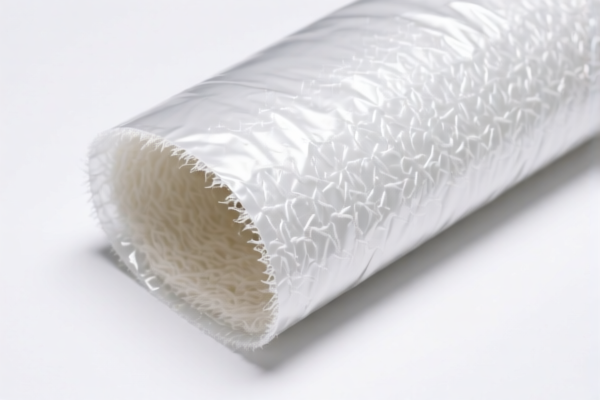
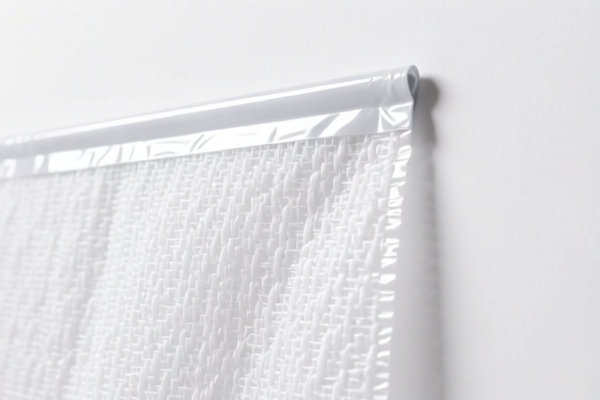
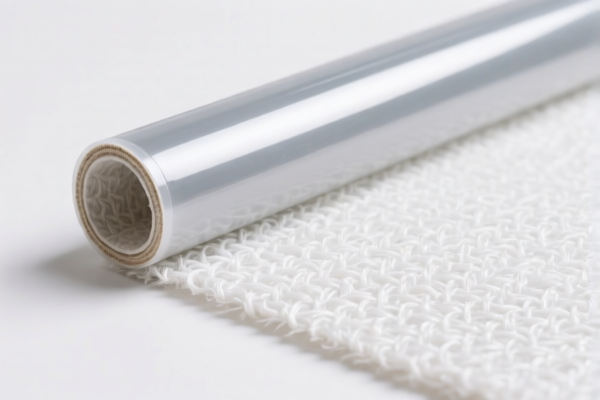
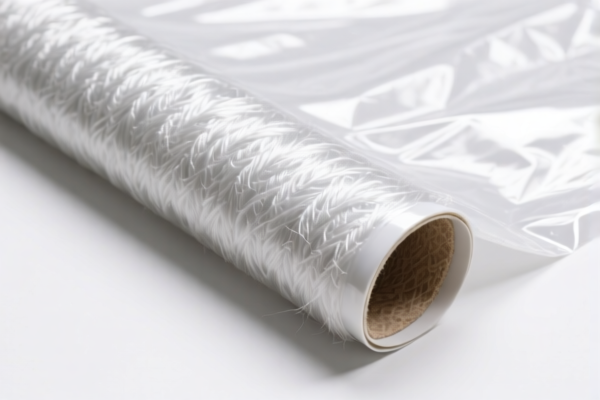
AI Analysis
🧱 PVC Wall Cloth (Man-made Fiber Base)
🌐 HS Code Reference & Customs Clearance Guide | 2026 Tariff Analysis | Strategic Import Strategy for US-China Trade
📌 I. Product Definition: What Exactly is "PVC Wall Cloth"?
PVC Wall Cloth (Man-made Fiber Base) refers to wall covering materials where a Polyvinyl Chloride (PVC) layer is laminated, coated, or impregnated onto a substrate made primarily of artificial/man-made fibers (e.g., polyester, nylon). It sits at the intersection of plastic products and textile goods.
In international trade, its classification hinges on two critical factors: 1. Form Factor: Is it a rigid foam sheet, a flat film, a flexible fabric, or a finished decorative article (like a wall flag)? 2. Composition: What is the primary characteristic? Does the PVC define it as a plastic product (Chapter 39), or does the textile base define it as an impregnated fabric (Chapter 59)?
⚠️ Key Distinction Point: - Foamed/Structured Composite: Thick, foam-like PVC structure → Likely Chapter 39 (Plastics). - Flat Film/Sheet: Thin, sheet-like PVC on textile → Likely Chapter 39 (Plastics) or Chapter 59 (Textiles) depending on coating weight. - Fabric/Felt Form: Flexible, drapable, woven/knitted base → Likely Chapter 59 (Impregnated Textiles). - Finished Decorative Item: Specific end-use product (e.g., wall banner) → Likely Chapter 63 (Other Made-up Articles).
📦 II. HS Code Classification Matrix (2026 Tariff Data)
Below are the five specific HS Codes derived from the provided data, categorized by product form and customs definition.
| HS Code | Product Description & Summary | Tax Rate (Total) | Key Characteristic |
|---|---|---|---|
3921.12.11.00 |
Foam Composite: PVC + Textile, high artificial fiber content, high plastic ratio, foam structure. | 39.2% | Thick, foam-like, structural plastic composite. |
3921.12.15.00 |
Sheet/Film Composite: PVC + Textile base, polymer/textile combination feature, board/film/sheet type. | 41.5% | Flat, rigid or semi-rigid sheet/film. |
5903.10.20.10 |
Fabric/Cloth: PVC + Man-made fiber base, defined as polyvinyl chloride with artificial fiber fabric. | 35.0% | Flexible fabric form, textile-first definition. |
5903.10.20.90 |
Wallcovering/Beige: PVC + Man-made fiber base, defined as wall cloth/beige, impregnated/coated. | 35.0% | Specific decorative wall application, fabric form. |
6307.90.85.00 |
Finished Decorative Item: Man-made fiber base, wall flag/decor article, no material conflict, finished good. | 23.3% | End-use product (e.g., wall banner/decor), not just material. |
🔍 Critical Insight: - Chapters 39 vs. 59: If the PVC layer is merely a coating on a textile, Chapter 59 (Impregnated, Coated, Covered or Laminate Textile Fabrics) is often more accurate than Chapter 39 (Plastics). - Chapter 63 Exception: If the item is a finished wall decoration (like a wall flag or tapestry) rather than raw material, Chapter 63 applies, offering a significantly lower tax rate (23.3%).
💰 III. 2026 Tariff Breakdown (Detailed Tax Analysis)
✅ Jurisdiction: United States (US)
✅ Origin: China (CN)
✅ Applicable From: 2025/2026 Tariff Schedule
✅ Total Tax Components: Base Duty + Section 301 (25%) + Section 122 / IEEPA (10%)
🎯 1. 3921.12.11.00 – Foam Composite Structure
| Item | Detail |
|---|---|
| Base Duty | 4.2% |
| Section 301 Tariff | 25.0% |
| Section 122 / IEEPA Tariff | 10.0% |
| Total Tax Rate | 39.2% |
| Calculation | CIF Value × 39.2% |
| De Minimis Exemption | ❌ Not Eligible (High total tax > 25%) |
📌 Explanation:
This high rate applies to thick, foam-based PVC composites. The 25% Section 301 tariff is standard for plastics from China. The 10% additional duty (Section 122/IEEPA) is applied specifically to certain Chinese imports. This is the second-highest rate in the set.
🎯 2. 3921.12.15.00 – Sheet/Film Composite
| Item | Detail |
|---|---|
| Base Duty | 6.5% |
| Section 301 Tariff | 25.0% |
| Section 122 / IEEPA Tariff | 10.0% |
| Total Tax Rate | 41.5% |
| Calculation | CIF Value × 41.5% |
| De Minimis Exemption | ❌ Not Eligible |
📌 Explanation:
This is the highest tax rate in the dataset. It applies to flat PVC sheets/films with textile backing. The higher base duty (6.5% vs 4.2%) pushes the total to 41.5%. Importers must be cautious with thin PVC films to avoid this classification if possible.
🎯 3. 5903.10.20.10 – PVC Fabric (Man-made Fiber)
| Item | Detail |
|---|---|
| Base Duty | 0.0% |
| Section 301 Tariff | 25.0% |
| Section 122 / IEEPA Tariff | 10.0% |
| Total Tax Rate | 35.0% |
| Calculation | CIF Value × 35.0% |
| De Minimis Exemption | ❌ Not Eligible |
📌 Explanation:
Key Advantage: The Base Duty is 0%. This is because it is classified as an impregnated textile fabric (Chapter 59) rather than a plastic product. While the 25% Section 301 and 10% Section 122 tariffs still apply, the total rate is 6.5% lower than the plastic classifications (39.2% and 41.5%). This makes it the most cost-effective classification for bulk fabric rolls.
🎯 4. 5903.10.20.90 – PVC Wall Cloth (Beige/Wallcovering)
| Item | Detail |
|---|---|
| Base Duty | 0.0% |
| Section 301 Tariff | 25.0% |
| Section 122 / IEEPA Tariff | 10.0% |
| Total Tax Rate | 35.0% |
| Calculation | CIF Value × 35.0% |
| De Minimis Exemption | ❌ Not Eligible |
📌 Explanation:
Similar to5903.10.20.10, this code offers a 0% base duty. It is specifically for wall cloth/beige products. If your product is marketed as "Wall Cloth" or "Wallcovering" and has a textile base, this is the preferred code over Chapter 39. Total tax remains 35.0%.
🎯 5. 6307.90.85.00 – Finished Wall Decorative Article
| Item | Detail |
|---|---|
| Base Duty | 5.8% |
| Section 301 Tariff | 7.5% (Note: Lower Section 301 application) |
| Section 122 / IEEPA Tariff | 10.0% |
| Total Tax Rate | 23.3% |
| Calculation | CIF Value × 23.3% |
| De Minimis Exemption | ❌ Not Eligible (But significantly cheaper) |
📌 Explanation:
🔥 BEST VALUE OPPORTUNITY: This code applies if the item is a finished decorative article (e.g., a wall flag, decorative banner, or specific wall hanging) rather than raw material.
- Base Duty: 5.8%
- Section 301: 7.5% (Instead of 25%)
- Section 122: 10.0%
- Total: 23.3%This is 11.7% cheaper than the fabric classifications and 18.2% cheaper than the plastic classifications. If your product can be described as a "finished decorative item" rather than "wall cloth material," this code offers significant savings.
🛠️ IV. Customs Clearance Strategy & Optimization
✅ 1. Classification Decision Tree
| Your Product Form | Recommended HS Code | Total Tax | Why? |
|---|---|---|---|
| Raw Material Rolls (PVC-coated polyester fabric) | 5903.10.20.10 or 5903.10.20.90 |
35.0% | 0% base duty; textile-first classification is accurate and cheaper than plastics. |
| Thick Foam Sheets (e.g., for wall padding) | 3921.12.11.00 |
39.2% | Foam structure is explicitly plastic. Higher base duty but 35% vs 39.2% is close. |
| Thin PVC Films (e.g., wallpaper rolls) | 3921.12.15.00 |
41.5% | High risk. Avoid if possible. Try to classify as textile (5903) if coating is light. |
| Finished Wall Decor (e.g., wall flag, tapestry) | 6307.90.85.00 |
23.3% | Optimal for finished goods. Lower Section 301 rate (7.5%) and low base duty. |
💡 Pro Tip:
- Do NOT misclassify a finished decorative item as raw material to save tax; customs may reclassify and penalize.
- Do NOT classify raw fabric as a finished item.
- Goal: Use 5903 for fabric rolls (35%) and 6307 for finished decor items (23.3%).
✅ 2. Documentation Requirements
| Document | Requirement | Note |
|---|---|---|
| Commercial Invoice | Must clearly state: "PVC Wall Cloth, Man-made Fiber Base" | Avoid vague terms like "Plastic Sheet" if it's textile-based. |
| Product Specification | Detail: Base fabric type (e.g., 100% Polyester), PVC coating weight, thickness. | Critical for distinguishing between 3921 (Plastic) and 5903 (Textile). |
| Composition Statement | Confirm % of Artificial Fiber vs. PVC. | High artificial fiber content supports Chapter 59 classification. |
| Use Statement | Is it for installation (fabric) or finished decoration (flag)? | Determines 5903 vs. 6307. |
| Certificate of Origin | Required for US import. | Standard requirement. |
✅ 3. Common Pitfalls & Warnings
❌ Pitfall 1: Classifying PVC-coated fabric as 3921 (Plastic)
👉 Consequence: Higher base duty (4.2%-6.5% vs 0%). You pay 39.2%-41.5% instead of 35.0%.
✅ Fix: Provide test reports showing the textile base is integral. Use 5903.
❌ Pitfall 2: Classifying finished wall flags as 5903 (Fabric)
👉 Consequence: You pay 35.0% instead of 23.3%.
✅ Fix: If the item is a finished decorative piece (e.g., printed wall banner), use 6307.90.85.00.
❌ Pitfall 3: Ignoring Section 122 / IEEPA 10%
👉 Consequence: Underestimating total landed cost.
✅ Fix: Factor in the 10% additional duty for all Chinese-origin PVC/Textile imports in your margin calculations.
🌍 V. Global Market Comparison (Quick Reference)
| Market | Recommended HS Code | Total Est. Tax (China Origin) | Key Requirement |
|---|---|---|---|
| 🇺🇸 USA | 5903.10.20.10 / 6307.90.85.00 |
23.3% - 35.0% | Section 301 + Section 122 apply. |
| 🇨🇳 China | 5903.10.20 / 6307.90 |
~5% - 10% (Import Duty) | No Section 301. |
| 🇪🇺 EU | 5903.10.20 |
~0% - 4% | No major extra tariffs for textiles. |
| 🇬🇧 UK | 5903.10.20 |
~0% - 5% | Post-Brexit tariffs similar to EU. |
📌 Conclusion:
- The US market is the most costly due to Section 301 (25%) and Section 122 (10%) tariffs.
- Strategic Move: For the US market, optimize HS Code. Use 5903 for fabrics (35%) and 6307 for finished decor (23.3%). Avoid3921unless the product is strictly a foam/plastic sheet.
📌 VI. Final Checklist for Importers
- Identify Product Form: Is it raw fabric, foam sheet, or finished decor?
- Select HS Code:
- Finished Decor →
6307.90.85.00(23.3%) ✅ Best - Raw Fabric →
5903.10.20.10/90(35.0%) ✅ Good - Foam/Sheet →
3921.12.11/15(39.2%-41.5%) ⚠️ Expensive - Prepare Docs: Invoice, Spec Sheet, Composition Statement.
- Calculate Landed Cost: Include CIF + Duty + Section 301 + Section 122.
- Consult Customs Broker: Confirm classification with pre-ruling if volume is high.
📣 Action Item:
📞 Contact a licensed customs broker to confirm if your "PVC Wall Cloth" qualifies as Finished Decor (6307) or Impregnated Fabric (5903) based on your specific product samples.
🚀 Save up to 11.7% by choosing the right HS Code!
✨ Smart Classification, Smarter Profits!
💼 Every percentage point of tax matters in the US-China trade corridor.
Customer Reviews
About HS Code Classification
The Harmonized System (HS) is an internationally standardized nomenclature developed by the World Customs Organization (WCO) to classify traded products. Over 200 countries use the HS system as the basis for customs tariffs, trade statistics, and import/export regulations.
Each HS code follows a hierarchical structure:
- Chapter (2 digits) — Broad category of goods (e.g., Chapter 84: Machinery and Mechanical Appliances)
- Heading (4 digits) — More specific grouping within the chapter
- Subheading (6 digits) — Internationally standardized breakdown, used by all WCO member countries
- National subdivisions (8-10 digits) — Country-specific extensions for further classification, such as US HTSUS 10-digit codes
Correct HS code classification is essential for smooth customs clearance, accurate duty payment, and compliance with trade regulations. Misclassification can lead to customs delays, overpayment of duties, or penalties.
When importing from CN to US, the applicable tariff rates may include:
- Most-Favored-Nation (MFN) rate — The standard duty rate applied to WTO members
- General rate — Applied to countries without trade agreements
- Trade remedy duties — Additional tariffs such as Section 301 (anti-dumping), Section 232 (national security), or countervailing duties
The information provided on this page is for reference purposes only. For official classification, please consult with your local customs authority or a licensed customs broker.