Painted Non Coniferous Logs
CN → US| HS编码 | 关税税率 | 原产国 | 目的国 | 文档 |
|---|---|---|---|---|
| 4407990295 | 35.0% | CN | US | 官方文档 |
| 4407990263 | 35.0% | CN | US | 官方文档 |
商品图片
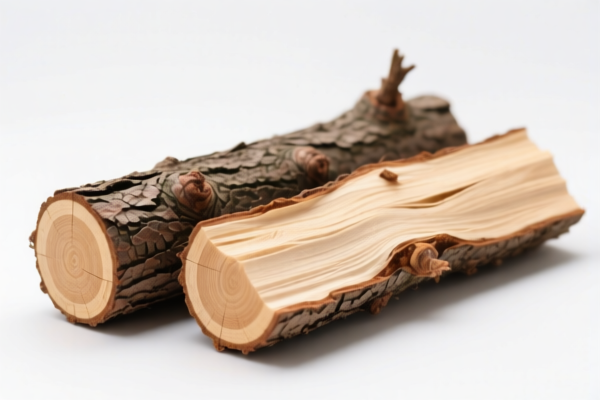
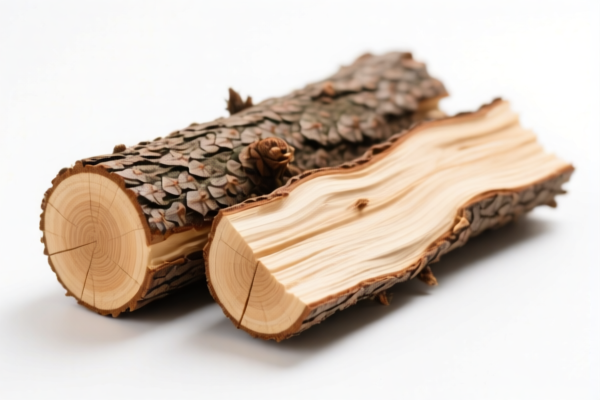
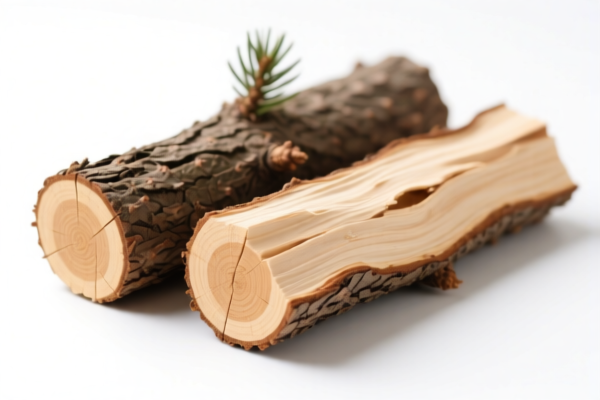
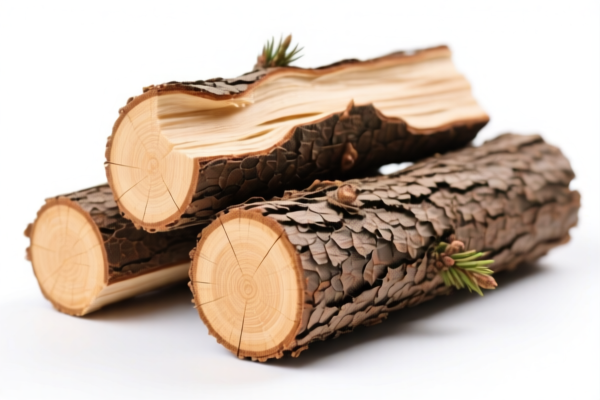
AI分析
🌲 Painted Non-Coniferous Logs (Wood Sawn/Chipped Lengthwise)
🌐 HS Code Reference & Customs Clearance Guide | 2026 Latest Tariff Analysis | Professional Clearance Strategy
📌 1. Product Definition & Classification: What Exactly Are "Painted Non-Coniferous Logs"?
In international trade, the term "Painted Non-Coniferous Logs" is a misnomer that requires precise technical interpretation. According to the provided data, these products fall under Chapter 44, specifically classified as "Wood sawn or chipped lengthwise, sliced or peeled... of a thickness exceeding 6 mm."
Key Clarification:
These are not raw, unprocessed tree trunks. They are processed wood products (sawn, chipped, sliced, or peeled lumber/planks) made from non-coniferous (hardwood) species. The term "Painted" indicates a surface treatment, but the primary classification is based on the geometric processing (lengthwise sawing/chipping) and species type (non-coniferous).
⚠️ Critical Distinction:
- If the wood is raw, unprocessed logs (not sawn lengthwise), it might fall under Chapter 44.01 (Wood in the Rough).
- However, the provided HS codes 4407.99 specifically refer to processed wood (sawn/chipped/sliced/peeled) with a thickness >6mm.
- "Painted" is considered a secondary surface treatment and does not change the fundamental classification of the wood product itself, provided the base material is processed wood.
📦 2. HS Code Classification Details (2026 Latest Tariff Authority Cross-Reference)
Based on the provided <DATA>, there are two specific HS Codes for non-coniferous processed wood. The selection depends on the exact species of the non-coniferous wood.
| HS Code | Product Description | Applicable Scenario | Species Specificity |
|---|---|---|---|
| 4407.99.02.95 | Other: Other Non-coniferous Wood | General hardwood lumber (e.g., Oak, Maple, Birch, etc., not listed separately) | 🌳 Generic (Any non-coniferous species not explicitly listed) |
| 4407.99.02.63 | Other: Western Red Alder (Alnus rubra) | Specifically Western Red Alder lumber | 🌿 Specific (Only for Alnus rubra) |
🔍 Key Decision Point:
- If the wood is Western Red Alder (Alnus rubra), you MUST use 4407.99.02.63.
- If the wood is any other non-coniferous species (e.g., Oak, Walnut, Cherry, etc.), you MUST use 4407.99.02.95.
- Do not use 4407.99.02.95 for Alder, and do not use 4407.99.02.63 for Oak. Misclassification leads to severe penalties.
💰 3. 2026 Latest Tariff Rate Details (Including Additional Taxes & Policy Surcharges)
✅ Applicable Country: United States (US)
✅ Origin: China (CN) (Assumed based on typical 301 tariff context; if origin is different, rates may vary)
✅ Effective Date: Current 301 Tariff Regulations
🎯 1. 4407.99.02.95 — Other Non-Coniferous Wood (General)
| Item | Content |
|---|---|
| Base Tariff Rate | 0.0% (Ad Valorem) |
| Additional Tariff (Section 301) | +25.0% |
| Total Tax Rate | 25.0% |
| Tax Calculation | CIF Value × 25% |
| De Minimis Exemption | ❌ Not Applicable (Section 301 duties apply regardless of value) |
| Legal Basis Path | USITC:4407.99.02.95 → FOOTNOTE:301 Tariff List |
📌 Explanation:
- Base Tariff: 0% for most wood products under Chapter 44.
- Section 301 Tariff: +25% is applied to Chinese-origin wood products due to trade tensions.
- Total Cost: You must pay 25% of the CIF value as duty. This is a high tariff for wood products.
🎯 2. 4407.99.02.63 — Western Red Alder (Alnus rubra)
| Item | Content |
|---|---|
| Base Tariff Rate | 0.0% (Ad Valorem) |
| Additional Tariff (Section 301) | +25.0% |
| Total Tax Rate | 25.0% |
| Tax Calculation | CIF Value × 25% |
| De Minimis Exemption | ❌ Not Applicable |
| Legal Basis Path | USITC:4407.99.02.63 → FOOTNOTE:301 Tariff List |
📌 Note:
- Despite being a specific species, the tax rate is identical to the general non-coniferous category.
- There is no preferential tariff for Alder in this context.
- Ensure the scientific name Alnus rubra is correctly stated on commercial invoices to avoid misclassification.
🛠️ 4. Customs Clearance Practical Advice (Battle-Tested Pitfall Avoidance Guide)
✅ 1. Required Documentation Checklist (Non-Negotiable)
| Document | Mandatory | Explanation |
|---|---|---|
| ✅ Commercial Invoice | ✔️ | Must clearly state: "Wood Sawnt/Chipped Lengthwise," "Non-Coniferous," and Exact Species (e.g., "Western Red Alder" or "Other Hardwood"). |
| ✅ Packing List | ✔️ | Detail dimensions, quantity, and total CIF value. |
| ✅ Species Declaration | ✔️ | Provide a Certificate of Species or a letter from the manufacturer confirming the wood type. |
| ✅ Fumigation Certificate | ✔️ | Required for all wood products to prevent pest introduction (ISPM 15 compliant). |
| ✅ Product Photos | ✔️ | Show the wood grain, paint finish, and dimensions to prove it is sawn/chipped lengthwise (>6mm thickness). |
✅ 2. Declaration Tips (Key Mantra)
🔥 "Specify Species, Prove Thickness, Declare Paint as Finish!"
| Scenario | Correct Declaration Method | Incorrect Action |
|---|---|---|
| Western Red Alder | 4407.99.02.63 + "Western Red Alder (Alnus rubra)" |
Misclassify as "Oak" → Higher scrutiny |
| Other Hardwood (e.g., Oak) | 4407.99.02.95 + "Oak Lumber, Sawn Lengthwise" |
Generic "Wood" → Customs delay |
| Raw Logs (Not Sawn) | Do NOT use 4407.99 | Use 4401.22/4401.30 instead |
| Painted Surface | Describe as "Surface-Treated," not changing HS code | Claiming paint changes classification |
✅ 3. Special Case Handling
| Situation | Handling Advice |
|---|---|
| Mixed Species Shipments | Do not mix in one line item. Separate Alder and Other Hardwood into different lines with respective HS codes. |
| "Painted" Clarification | Paint is a secondary finish. Do not claim it changes the HS code. Ensure the base wood is correctly classified. |
| Thickness Verification | Must be >6mm. If thickness is ≤6mm, it falls under 4408.90 (Veneer sheets), which has different tariffs. Provide measurements! |
| Origin Declaration | If not from China, provide a Certificate of Origin to verify if Section 301 tariffs apply. |
🌍 5. Global Market Clearance Comparison (2026 Latest)
| Country/Region | Recommended HS Code | Tariff (China Origin) | Certification Required | Notes |
|---|---|---|---|---|
| 🇺🇸 USA | 4407.99.02.95 / 4407.99.02.63 |
25% (Section 301) | ISPM 15 (Fumigation) | High tariff burden; strict species verification |
| 🇨🇳 China | 4407.99.02.95 / 4407.99.02.63 |
5% (General) | None | Lower tariff for import into China |
| 🇪🇺 EU | 4407.99 |
0% (if FSC certified) | FSC/PEFC, ISPM 15 | No additional tariffs if legal timber proven |
| 🇬🇧 UK | 4407.99 |
0% | FSC/PEFC, ISPM 15 | Similar to EU post-Brexit |
📌 Conclusion:
- USA imposes a 25% additional tariff on Chinese-origin non-coniferous wood. This is a significant cost driver.
- No duty drawback is available for this category.
- Species accuracy is critical to avoid customs holds.
📌 6. Common Mistakes & Pitfalls (Blood-Lesson Guide)
❌ Mistake 1: Misclassifying Raw Logs as Sawn Wood
👉 Consequence: If wood is ≤6mm thick or not sawn lengthwise, HS Code 4407 is invalid. → Seizure or Heavy Penalty!
❌ Mistake 2: Failing to specify Species (e.g., writing "Non-Coniferous Wood" without specifying Alder vs. Other)
👉 Consequence: Customs may select the higher-risk or generic code, leading to delays or audits.
❌ Mistake 3: Ignoring Thickness
👉 Consequence: If thickness is ≤6mm, it is Veneer (HS 4408), not Sawn Wood (HS 4407). → Wrong Tariff Classification!
❌ Mistake 4: Assuming Paint changes the HS Code
👉 Consequence: Paint is a surface treatment. It does not change the fundamental wood classification. → No Benefit, Just Confusion.
✅ Correct Approach:
"Western Red Alder Lumber, Sawn Lengthwise, Thickness 12mm, Painted Finish, Fumigated, CIF $10,000"
🎯 7. Conclusion: Precision in Classification Saves Money!
🎯 Remember the Mantra:
🔹 "Species Matters: Alder vs. Other.
🔹 Thickness Matters: >6mm is Key.
🔹 Paint is Just a Finish, Not a Code Changer.
🔹 25% Tax is Inevitable for China-Origin!"
📌 Pro Tip:
- If your wood is not from China, you may avoid the 25% Section 301 tariff. Provide a valid Certificate of Origin from Vietnam, Malaysia, or other non-China origins to reduce costs.
- Always request a Pre-Ruling from CBP if unsure about species or thickness.
📣 Immediate Action:
📞 Contact a Licensed Customs Broker + Provide Species Certificate + Verify Thickness
🚀 Ensure Accurate HS Code Classification to avoid 25% Unexpected Costs and Customs Delays!
✨ Professional Clearance Starts with Precise Classification!
💼 Every Dollar Saved is a Dollar Earned!
用户评价
关于 HS 编码归类
协调制度(HS)是由世界海关组织(WCO)制定的国际贸易商品分类标准。全球 200 多个国家采用 HS 系统作为海关关税、贸易统计和进出口监管的基础。
每个 HS 编码遵循以下层级结构:
- 章(2 位)——商品大类(例如:第 84 章:机器和机械设备)
- 品目(4 位)——章内的更具体分类
- 子目(6 位)——国际通用细分,所有 WCO 成员国统一使用
- 本国细分(8-10 位)——各国自行扩展的细分编码,如美国 HTSUS 10 位编码
正确的 HS 编码归类对于顺利通关、准确缴纳关税和遵守贸易法规至关重要。错误归类可能导致海关延误、多缴关税或罚款。
从CN进口到US时,适用的关税税率可能包括:
- 最惠国(MFN)税率——适用于 WTO 成员国的标准关税税率
- 普通税率——适用于无贸易协定国家
- 贸易救济关税——附加关税,如 301 条款(反倾销)、232 条款(国家安全)或反补贴税
本页内容仅供参考。如需正式归类,请咨询当地海关或持牌报关代理。