Palm Leaf Handbag
CN → US| HS编码 | 关税税率 | 原产国 | 目的国 | 文档 |
|---|---|---|---|---|
| 4202922000 | 40.7% | CN | US | 官方文档 |
| 4202921500 | 41.3% | CN | US | 官方文档 |
| 4602192500 | 53.0% | CN | US | 官方文档 |
| 4602192300 | 44.0% | CN | US | 官方文档 |
商品图片
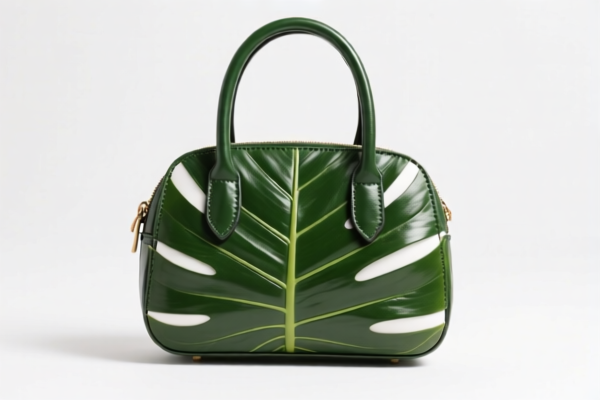
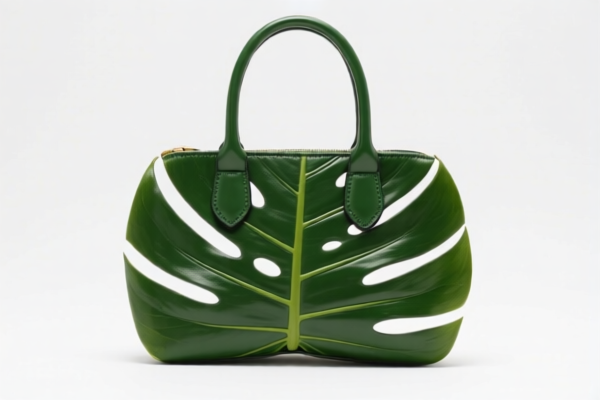
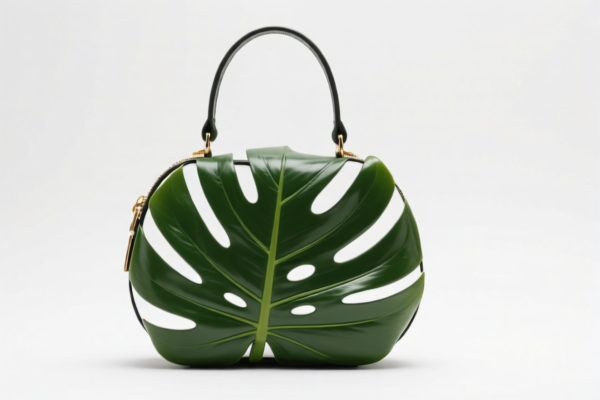
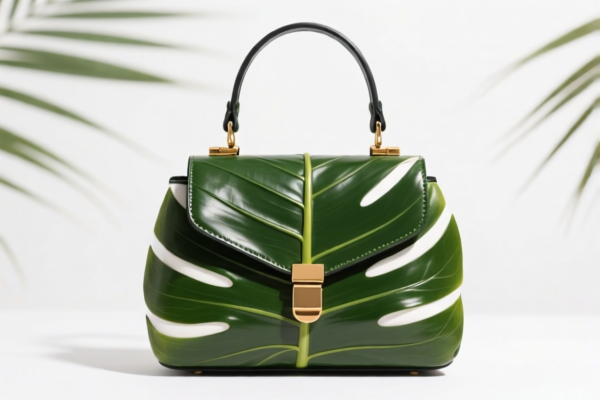
AI分析
👜 Palm Leaf Handbags (Natural Fiber Accessories)
🌐 HS Code Reference & Customs Clearance Guide | 2026 Latest Tariff Analysis | Professional Strategy for High-Tax Items 📌 I. Product Definition & Classification: Are You Sure It’s Just a "Bag"?
Palm leaf handbags are woven accessories made from natural plant fibers (specifically palm leaves). In international trade, they sit at the intersection of Chapter 42 (Articles of Leather; Saddle harness) and Chapter 46 (Woven Materials; Basketware). The key to correct classification lies in whether they are treated as "general articles of textile/plant material" (Chapter 46) or "specific types of bags/luggage" (Chapter 42).
Crucial Distinction: * Chapter 42 (Bags): Treats the item as a functional bag/conduit for carrying items. Subject to specific HS codes for other articles of leather or other materials. * Chapter 46 (Woven Goods): Treats the item primarily as a woven structure. Subject to HS codes for other worked vegetable weaving materials.
⚠️ Critical Warning for US Imports (China Origin): Regardless of the HS Code chosen, ALL palm leaf handbags imported from China are subject to significant additional tariffs under Section 301 and Section 122/IEEPA provisions. There is NO de minimis exemption for these items. Misclassification is risky because the duty rates vary wildly (from ~41% to 53%).
📦 II. HS Code Classification Matrix (2026 Latest Tariff Data)
| HS Code | Product Description & Rationale | Total Tax Rate | Tax Composition Breakdown |
|---|---|---|---|
| 4202.92.20.00 | Palm Leaf Handbag (Plant Fiber Basis): Classified as "Other articles of leather, of plastic sheeting, or of textile materials." Specifically targets bags made of plant fibers treated as textile-like materials. | 40.7% | Base: 5.7% Sec 301: 25.0% Section 122: 10.0% |
| 4202.92.15.00 | Palm Leaf Handbag (Cotton/Plant Fiber): Classified under "Other bags, whether or not with pockets, without closures, of cotton or other vegetable textile fibers." Emphasizes the "bag" form factor. | 41.3% | Base: 6.3% Sec 301: 25.0% Section 122: 10.0% |
| 4602.19.25.00 | Palm Leaf Handbag (Strict Fit): Classified under "Other articles of vegetable plaiting materials... completely conforming to classification requirements." This is the strictest "woven goods" interpretation. | 53.0% | Base: 18.0% Sec 301: 25.0% Section 122: 10.0% |
| 4602.19.23.00 | Palm Leaf Handbag (Material Focus): Classified under "Other articles of palm leaf or other vegetable plaiting materials." Focuses on the raw material (palm leaf) rather than the bag utility. | 44.0% | Base: 9.0% Sec 301: 25.0% Section 122: 10.0% |
🔍 Key Insight: * Cheapest Option:
4202.92.20.00(40.7% total) is the most favorable if the bag is constructed with a fabric/plastic lining or handles that justify "textile/leather-like" classification. * Most Expensive Option:4602.19.25.00(53.0% total) has a high base rate (18%), making it the least preferred unless the item is strictly a woven basket structure without bag features. * Commonality: All codes incur 25% Section 301 and 10% Section 122/IEEPA surcharges. The difference lies entirely in the Base Duty (5.7% to 18%).
💰 III. 2026 Detailed Tariff Structure Analysis
✅ Applicable Country: United States (US) ✅ Origin: China (CN) ✅ Effective Date: 2025/2026 Current Regulations
🎯 1. The "Base Duty" Variance (The Negotiable Part)
| HS Code | Base Duty | Reason for Variance |
|---|---|---|
4202.92.20.00 |
5.7% | Treated as a "bag of other materials" (often interpreted as textile-like when woven tightly). |
4202.92.15.00 |
6.3% | Treated as a bag of vegetable fiber (closer to raw material but still Chapter 42). |
4602.19.23.00 |
9.0% | Treated as an article of vegetable plaiting material (Chapter 46 baseline). |
4602.19.25.00 |
18.0% | Treated as a specific high-duty woven article, often applied to items that don't fit standard "basket" exemptions. |
🎯 2. The Fixed Surcharges (Non-Negotiable)
| Surcharge | Rate | Legal Basis |
|---|---|---|
| Section 301 Tariff | +25.0% | Trade Action Against China (301 Act). Applies to ALL Chinese-made handbags/baskets. |
| Section 122 / IEEPA | +10.0% | International Emergency Economic Powers Act. Specific provisions for certain goods from China. |
| Total Fixed Load | +35.0% | This is added to whichever Base Duty you select. |
📌 Calculation Example for
4202.92.20.00: * CIF Value: $100 * Base Duty (5.7%): $5.70 * Sec 301 (25%): $25.00 * Sec 122 (10%): $10.00 * Total Tax: $40.70 (40.7%)
🛠️ IV. Customs Clearance Practical Advice (Battle-Tested Strategies)
✅ 1. Documentation Checklist (Non-Negotiable)
| Document | Requirement | Why It Matters |
|---|---|---|
| ✅ Detailed Composition Sheet | ✔️ Must specify: "100% Palm Leaf Outer, Polyester Lining, Metal Handles." | Helps justify Chapter 42 (Bag) over Chapter 46 (Woven) if lining is present. |
| ✅ Product Photos (360°) | ✔️ Clear view of handles, lining, closures, and weaving tightness. | Proves it is a "handbag" (Carrying function) vs. just a "woven panel." |
| ✅ Commercial Invoice | ✔️ Must state: "Palm Leaf Handbag, Woven, for Fashion Use." | Avoids vague terms like "Woven Accessory." |
| ✅ Packing List | ✔️ Show quantity per box and gross/net weight. | Standard requirement. |
| ✅ Country of Origin Certificate | ✔️ Issued by authorized body. | Critical for proving Chinese origin to apply (or challenge) surcharges. |
✅ 2. Classification Strategy (How to Save Money)
🔥 "Lining is Key, Handles Prove Function!"
| Scenario | Recommended HS Code | Strategy |
|---|---|---|
| Bag has Fabric/Plastic Lining | 4202.92.20.00 |
Best Option. The lining pushes classification to Chapter 42, reducing base duty to 5.7%. |
| Bag has Metal/Leather Handles | 4202.92.15.00 |
Good Option. Functional hardware reinforces "Bag" status. Base duty 6.3%. |
| Pure Woven, No Lining, No Hardware | 4602.19.23.00 |
Average Option. Pure palm leaf weave. Base duty 9.0%. |
| Strictly "Basket" Shape, No Strap | 4602.19.25.00 |
Worst Option. High base duty (18%). Only use if it resembles a basket more than a bag. |
💡 Pro Tip: If your palm leaf bag has any lining (even a small fabric insert) or non-palm leaf handles (leather, metal, chain), explicitly highlight this in the description to aim for
4202.92.20.00. This saves 2.3% to 12.3% on the base rate compared to pure Chapter 46 classifications.
✅ 3. Common Pitfalls to Avoid
| ❌ Mistake | 🚫 Consequence | ✅ Correct Action |
|---|---|---|
| Declaring as "Woven Basket" | Gets classified as 4602.19.25.00 (53% tax). |
Declare as "Handbag" with function description. |
| Omitting Lining Info | Customs assumes raw material, leading to higher base duty. | Always disclose lining material and thickness. |
| Ignoring Section 122 | Assuming 25% is the only tax. | Budget for the additional 10% surcharge. |
| Vague Description "Accessory" | Leads to random classification by CBP officers. | Use specific terms: "Palm Leaf Handbag, Fashion Accessory." |
🌍 V. Global Market Comparison (Quick View)
| Market | Typical HS Code | Est. Duty (Base) | Surcharge | Total Est. | Notes |
|---|---|---|---|---|---|
| 🇺🇸 USA | 4202.92.20.00 |
5.7% | +35% | 40.7% | High taxes. Section 122 applies. |
| 🇨🇳 China | 4202.92.20.00 |
10-12% | 0% | ~12% | Domestic consumption. Lower base. |
| 🇪🇺 EU | 4202.92.20.00 |
5.6% | 0% | 5.6% | No Section 301/122. Favorable. |
| 🇬🇧 UK | 4202.92.20.00 |
5.6% | 0% | 5.6% | Post-Brexit tariff structure similar to EU. |
| 🇨🇦 Canada | 4202.92.20.00 |
5.6% | 0% | 5.6% | CUSMA/FATFA benefits may apply for non-US sources. |
📌 Conclusion: The US is the most expensive market due to the combination of Section 301 (25%) and Section 122 (10%) on top of base duties. Exporters must price in ~40.7% minimum for US-bound goods. EU/UK markets are significantly more competitive.
📌 VI. Final Checklist & Action Plan
- Audit Your Product: Does your palm leaf bag have a lining or non-leaf handles?
- Yes: Aim for
4202.92.20.00(40.7% Total). - No (Pure Leaf): Aim for
4602.19.23.00(44.0% Total). - Avoid:
4602.19.25.00(53.0% Total) unless necessary.
- Yes: Aim for
- Prepare Documents: Ensure the commercial invoice and packing list explicitly mention "Handbag" and describe materials in detail.
- Budget Correctly: Include 35% for fixed surcharges + Base Duty in your cost model.
- Consult a Broker: Due to the complexity of Section 122 vs Section 301 interactions, a pre-arrival consultation with a US customs broker is highly recommended to avoid audits or penalties.
🎯 VII. Conclusion: Precision Saves Profits
🎯 Key Takeaway:
"Lining matters, handles define function, and US taxes are heavy."
- Target
4202.92.20.00for the lowest tax burden (40.7%).- Never forget the 35% fixed surcharge (25% Sec 301 + 10% Sec 122).
- Misclassifying a lined bag as a pure woven item costs you ~12% extra.
📌 Disclaimer: This guide is for informational purposes only. Customs regulations change frequently. Always verify HS Codes and tariff rates with a licensed customs broker and the latest US CBP rulings before shipment.
✨ Smart Classification. Lower Taxes. Smooth Clearance. 💼 Your Supply Chain Partner for Global Trade Excellence.
用户评价
关于 HS 编码归类
协调制度(HS)是由世界海关组织(WCO)制定的国际贸易商品分类标准。全球 200 多个国家采用 HS 系统作为海关关税、贸易统计和进出口监管的基础。
每个 HS 编码遵循以下层级结构:
- 章(2 位)——商品大类(例如:第 84 章:机器和机械设备)
- 品目(4 位)——章内的更具体分类
- 子目(6 位)——国际通用细分,所有 WCO 成员国统一使用
- 本国细分(8-10 位)——各国自行扩展的细分编码,如美国 HTSUS 10 位编码
正确的 HS 编码归类对于顺利通关、准确缴纳关税和遵守贸易法规至关重要。错误归类可能导致海关延误、多缴关税或罚款。
从CN进口到US时,适用的关税税率可能包括:
- 最惠国(MFN)税率——适用于 WTO 成员国的标准关税税率
- 普通税率——适用于无贸易协定国家
- 贸易救济关税——附加关税,如 301 条款(反倾销)、232 条款(国家安全)或反补贴税
本页内容仅供参考。如需正式归类,请咨询当地海关或持牌报关代理。