Paper Bowl
CN → US| HS编码 | 关税税率 | 原产国 | 目的国 | 文档 |
|---|---|---|---|---|
| 4823690020 | 35.0% | CN | US | 官方文档 |
| 4819502000 | 35.0% | CN | US | 官方文档 |
| 4823700020 | 35.0% | CN | US | 官方文档 |
| 7013496090 | 24.7% | CN | US | 官方文档 |
| 6911108010 | 38.3% | CN | US | 官方文档 |
商品图片
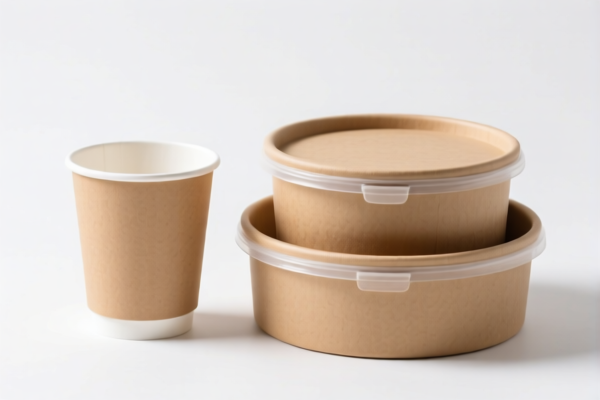
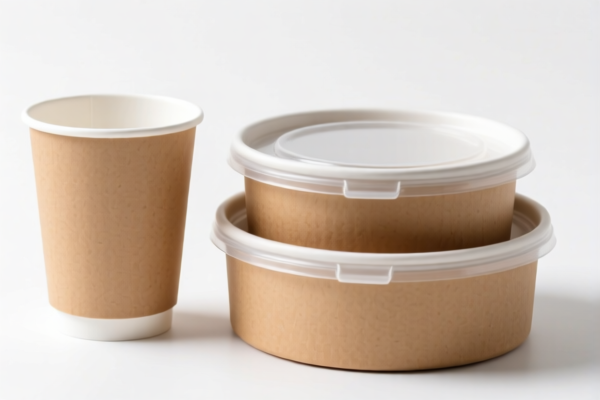
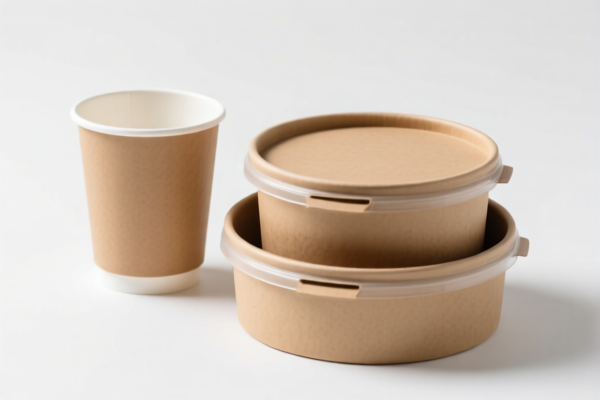
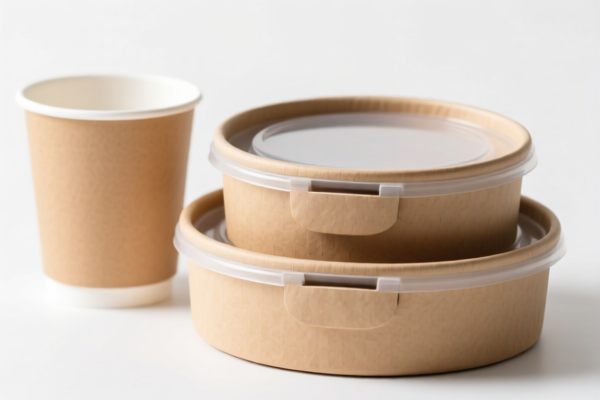
AI分析
🍽️ Paper Bowl (Paper Containers for Food or Beverage Use)
🌐 HS Code Reference & Customs Clearance Guide | 2026 Updated Tariff Analysis | Professional Import Strategy
📌 One, Product Definition & Classification: Do You Really Know What a "Paper Bowl" Is?
A paper bowl is a single-use or reusable container made primarily from paper, designed for holding food or beverages. In international trade, it's classified based on material composition, form, and intended use. It's not simply "paper" — its structural function determines its HS code.
⚠️ Critical Distinction:
- If the bowl is made from paper only, not coated or laminated, and used for food packaging → HS 4823.69.00.20 or 4819.50.20.00
- If the bowl is made from molded pulp or pressed paperboard, with a water-resistant coating or wax layer, and used for food service → HS 4823.70.00.20
- If the bowl is not paper-based (e.g., glass, ceramic) → entirely different HS codes!
📦 Two, HS Code Classification Breakdown (2026 Official Tariff Table)
| HS Code | Product Description | Category | Key Features | Tax Rate |
|---|---|---|---|---|
4823.69.00.20 |
Paper bowl, made of paper, shaped as a bowl, used as a paper container | Paper Packaging | Plain paper, no coating, used for food service | 35.0% |
4819.50.20.00 |
Paper bowl, made of paper, shaped as a bowl, used as a packaging container | Packaging | Paper-based, for packaging food items | 35.0% |
4823.70.00.20 |
Paper bowl, made of paper pulp molded or pressed, used as a biodegradable container | Pulp Molded Products | Coated or waxed, water-resistant, eco-friendly | 35.0% |
7013.49.60.90 |
Glass bowl, made of glass, used for tableware/kitchen use | Glassware | Not paper — entirely different category | 24.7% |
6911.10.80.10 |
Ceramic bowl, made of ceramic, used as tableware/kitchenware | Ceramic Tableware | Non-paper, non-biodegradable | 38.3% |
🔍 Key Insight:
- Paper bowls are not classified under glass or ceramic — misclassifying leads to massive overpayment and penalties. - The form (bowl), material (paper), and function (container vs. tableware) are all decisive.
💰 Three, 2026 Updated Tariff Breakdown (With Detailed Tax Clauses)
✅ Applicable Country: United States (US)
✅ Origin: China (CN)
✅ Effective Date: November 10, 2025 (and onward)
🎯 1. 4823.69.00.20 — Paper Bowl, Paper Container Type
| Item | Details |
|---|---|
| Base Tariff | 0.0% (ad valorem) |
| Section 301 (USITC) Additional Duty | +25.0% |
| Section 122 (IEEPA) Additional Duty | +10.0% |
| Total Effective Tariff | 35.0% |
| Tax Calculation | CIF Value × 35.0% |
| De Minimis Threshold | ❌ Not applicable (denied under 9903.88.01) |
| Legal Basis Path | IEEPA:9903.01.25 → IEEPA:9903.01.24 → USITC:4823.69.00.20 → FOOTNOTE:9903.88.01 |
📌 Explanation:
- 25% USITC (Section 301): Imposed under the U.S. Trade Act of 1974 for "unfair trade practices" by China.
- 10% IEEPA (Section 122): From the International Emergency Economic Powers Act — targets Chinese-origin goods.
- Total: 35% — highly punitive, especially for bulk imports.
🎯 2. 4819.50.20.00 — Paper Bowl, Packaging Container Type
| Item | Details |
|---|---|
| Base Tariff | 0.0% |
| USITC Additional Duty | +25.0% |
| IEEPA Additional Duty | +10.0% |
| Total Effective Tariff | 35.0% |
| Tax Calculation | CIF × 35.0% |
| De Minimis | ❌ Not eligible |
| Legal Basis Path | IEEPA:9901.25 → IEEPA:9903.01.24 → USITC:4819.50.20.00 → FOOTNOTE:9903.88.01 |
📌 Note:
- Even if the bowl is packaged as a container, if it's paper-based, the same 35% tariff applies. - No distinction between "food container" and "packaging container" in tariff treatment.
🎯 3. 4823.70.00.20 — Paper Bowl, Molded Pulp / Pressed Paper Product
| Item | Details |
|---|---|
| Base Tariff | 0.0% |
| USITC Additional Duty | +25.0% |
| IEEPA Additional Duty | +10.0% |
| Total Effective Tariff | 35.0% |
| Tax Calculation | CIF × 35.0% |
| De Minimis | ❌ Not allowed |
| Legal Basis Path | IEEPA:9903.01.25 → IEEPA:9903.01.24 → USITC:4823.70.00.20 → FOOTNOTE:9903.88.01 |
📌 Critical Point:
- Molded pulp bowls (eco-friendly, biodegradable) are still taxed at 35% — despite environmental benefits. - This is because they are still made from paper, and originates from China.
🎯 4. 7013.49.60.90 — Glass Bowl (NOT Paper!)
| Item | Details |
|---|---|
| Base Tariff | 7.2% |
| USITC Additional Duty | +7.5% |
| IEEPA Additional Duty | +10.0% |
| Total Effective Tariff | 24.7% |
| Tax Calculation | CIF × 24.7% |
| De Minimis | ✅ Eligible (under 9903.88.01) |
| Legal Basis Path | IEEPA:9903.01.25 → USITC:7013.49.60.90 → FOOTNOTE:9903.88.01 |
📌 Important:
- Glass bowls are NOT paper — do not confuse with paper bowls. - Lower tariff (24.7%) than paper bowls — but still high. - De minimis applies — if value < $800, no duty.
🎯 5. 6911.10.80.10 — Ceramic Bowl (NOT Paper!)
| Item | Details |
|---|---|
| Base Tariff | 20.8% |
| USITC Additional Duty | +7.5% |
| IEEPA Additional Duty | +10.0% |
| Total Effective Tariff | 38.3% |
| Tax Calculation | CIF × 38.3% |
| De Minimis | ❌ Not eligible |
| Legal Basis Path | IEEPA:9903.01.25 → USITC:6911.10.80.10 → FOOTNOTE:9903.88.01 |
📌 Warning:
- Ceramic bowls are taxed the highest — 38.3%. - No de minimis — even small shipments pay full duty. - Do not misclassify paper bowls as ceramic — huge risk of penalties.
🛠️ Four, Customs Clearance Best Practices (Real-World Tips)
✅ 1. Required Documentation (Must-Have List)
| Document | Required? | Notes |
|---|---|---|
| ✅ Commercial Invoice | ✔️ | Must state "Paper Bowl, Made of Paper, Used as Food Container" |
| ✅ Packing List | ✔️ | Include quantity, weight, dimensions, material type |
| ✅ Product Photos (with label) | ✔️ | Show material, shape, coating (if any) |
| ✅ Certificate of Origin (CO) | ✔️ | If from China, expect 35% tariff |
| ✅ Material Safety Data Sheet (MSDS) | ✔️ | If coated with wax or plastic |
| ✅ Third-Party Test Report | ✔️ | FDA-compliant, food-safe, biodegradable (if claimed) |
| ✅ HS Code Pre-Ruling Request | ✔️ | Highly recommended to avoid disputes |
✅ 2.申报技巧 (申报口诀)
🔥 "Material First, Form Second, Use Last — Misclassify, Pay 35%!"
| Scenario | Correct HS Code | Wrong Code | Risk |
|---|---|---|---|
| Plain paper bowl, no coating | 4823.69.00.20 |
4819.50.20.00 |
Same tax, but wrong category |
| Molded pulp bowl (eco-friendly) | 4823.70.00.20 |
4823.69.00.20 |
Same 35%, but misleading |
| Glass bowl (not paper) | 7013.49.60.90 |
4823.69.00.20 |
35% → 24.7% → Overpaid |
| Ceramic bowl | 6911.10.80.10 |
4823.70.00.20 |
38.3% vs 35% → Big penalty risk |
✅ 3. Special Cases & Solutions
| Case | Solution |
|---|---|
| Eco-friendly, biodegradable paper bowl | Still taxed 35% — no green discount |
| Bowl with wax coating | Must declare coating type — affects classification |
| Bowl sold with utensils | Do not split — declare as set, use main product HS code |
| Bowl used in restaurant supply chain | Still taxed 35% — no business use exemption |
| Bowl imported from Vietnam/Mexico | May qualify for IEEPA exemption — 0% tariff if origin is not China |
🌍 Five, Global Market Comparison (2026)
| Country | Recommended HS Code | Tariff | Certification | Notes |
|---|---|---|---|---|
| 🇺🇸 USA | 4823.69.00.20 |
35.0% (China) | FDA, FDA-compliant | Highest tariff |
| 🇨🇳 China | 4823.69.00.20 |
5% | CCC, RoHS | No extra duties |
| 🇪🇺 EU | 4823.69.00.20 |
0% (if CE) | CE, REACH | No 301/IEEPA |
| 🇦🇺 Australia | 4823.69.00.20 |
5% | RCM | No additional duties |
| 🇯🇵 Japan | 4823.69.00.20 |
0% | PSE | No extra tariffs |
📌 Takeaway:
- Only the U.S. imposes 35% tariff on paper bowls from China. - China, EU, Australia, Japan have much lower or zero tariffs.
📌 Six, Common Mistakes & Risk Warnings (Avoid These!)
❌ Mistake 1: Misclassifying paper bowl as ceramic or glass
👉 Result: Overpay 35% → 38.3% → huge overpayment!
❌ Mistake 2: Splitting bowl + lid + spoon into separate items
👉 Result: Each item taxed at 35% → total 105% → insane cost!
❌ Mistake 3: Not declaring coating type (wax, plastic, PLA)
👉 Result: Customs may reclassify → penalties + delays!
❌ Mistake 4: Using "paper cup" or "paper container" in invoice
👉 Result: Not specific enough — risk of misclassification!
✅ Correct Invoice Line Item:
"Paper Bowl, 8 oz, Made of Paper, Coated with Wax, Used for Food Service, HS 4823.69.00.20"
🎯 Seven, Conclusion: Precision in Classification = Profit Protection
🎯 Remember the Golden Rule:
🔹 "Material First, Form Second, Use Last — One wrong code, 35% extra cost!"
🔹 "Don’t confuse paper with glass or ceramic — the tariff gap is deadly!"
📌 Pro Tip:
If your paper bowls are originating from Vietnam, Mexico, Thailand, or Malaysia, apply for IEEPA exemption — tariff can drop to 0%.
📞 Action Step:
✅ Request an HS Code Pre-Ruling from U.S. Customs (CBP)
✅ Hire a customs broker with experience in paper products
✅ Use a clear, detailed product description in all documents
📣 Act Now!
🚀 Avoid 35% tariff traps — classify right, pay less, ship faster!
💼 Your bottom line depends on one code — make it perfect.
✨ Professional Customs, Starts with Perfect Classification!
💼 One mistake in HS Code → Thousands in extra duty. Be precise. Be safe. Be profitable.
用户评价
关于 HS 编码归类
协调制度(HS)是由世界海关组织(WCO)制定的国际贸易商品分类标准。全球 200 多个国家采用 HS 系统作为海关关税、贸易统计和进出口监管的基础。
每个 HS 编码遵循以下层级结构:
- 章(2 位)——商品大类(例如:第 84 章:机器和机械设备)
- 品目(4 位)——章内的更具体分类
- 子目(6 位)——国际通用细分,所有 WCO 成员国统一使用
- 本国细分(8-10 位)——各国自行扩展的细分编码,如美国 HTSUS 10 位编码
正确的 HS 编码归类对于顺利通关、准确缴纳关税和遵守贸易法规至关重要。错误归类可能导致海关延误、多缴关税或罚款。
从CN进口到US时,适用的关税税率可能包括:
- 最惠国(MFN)税率——适用于 WTO 成员国的标准关税税率
- 普通税率——适用于无贸易协定国家
- 贸易救济关税——附加关税,如 301 条款(反倾销)、232 条款(国家安全)或反补贴税
本页内容仅供参考。如需正式归类,请咨询当地海关或持牌报关代理。