Paper Bowl
CN → US| HS Code | Tariff Rate | Origin | Destination | Doc |
|---|---|---|---|---|
| 4823690020 | 35.0% | CN | US | Official Doc |
| 4819502000 | 35.0% | CN | US | Official Doc |
| 4823700020 | 35.0% | CN | US | Official Doc |
| 7013496090 | 24.7% | CN | US | Official Doc |
| 6911108010 | 38.3% | CN | US | Official Doc |
Product Images
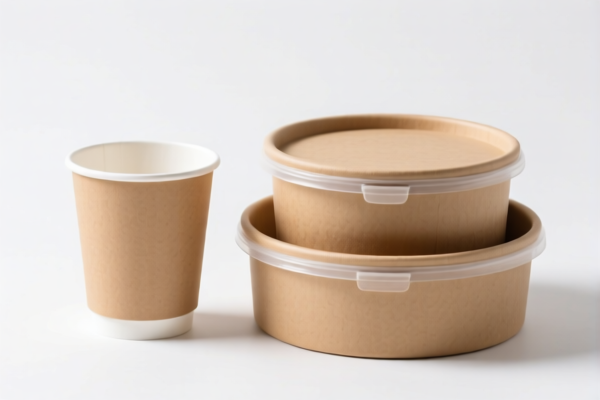
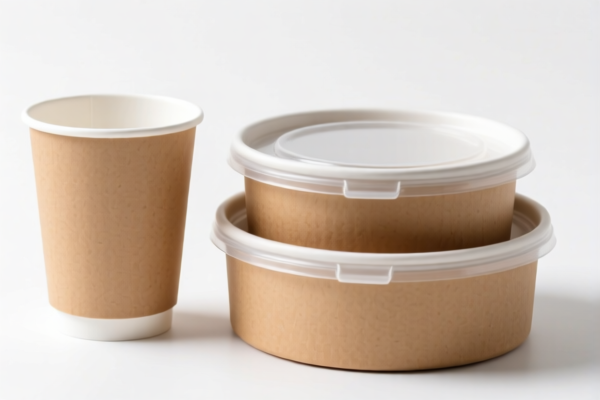
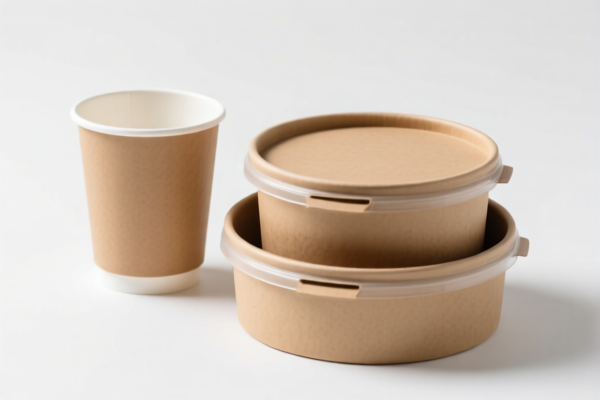
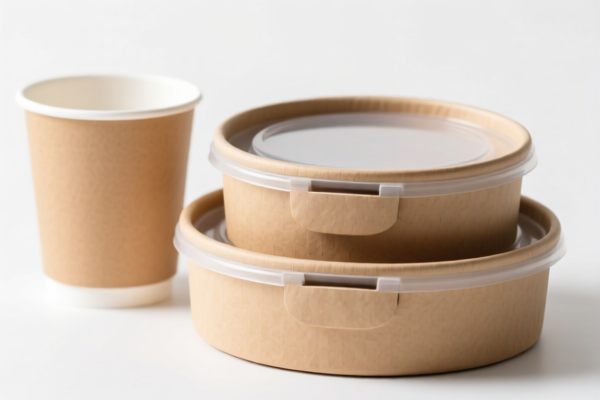
AI Analysis
🍽️ Paper Bowl (Paper Containers for Food or Beverage Use)
🌐 HS Code Reference & Customs Clearance Guide | 2026 Updated Tariff Analysis | Professional Import Strategy
📌 One, Product Definition & Classification: Do You Really Know What a "Paper Bowl" Is?
A paper bowl is a single-use or reusable container made primarily from paper, designed for holding food or beverages. In international trade, it's classified based on material composition, form, and intended use. It's not simply "paper" — its structural function determines its HS code.
⚠️ Critical Distinction:
- If the bowl is made from paper only, not coated or laminated, and used for food packaging → HS 4823.69.00.20 or 4819.50.20.00
- If the bowl is made from molded pulp or pressed paperboard, with a water-resistant coating or wax layer, and used for food service → HS 4823.70.00.20
- If the bowl is not paper-based (e.g., glass, ceramic) → entirely different HS codes!
📦 Two, HS Code Classification Breakdown (2026 Official Tariff Table)
| HS Code | Product Description | Category | Key Features | Tax Rate |
|---|---|---|---|---|
4823.69.00.20 |
Paper bowl, made of paper, shaped as a bowl, used as a paper container | Paper Packaging | Plain paper, no coating, used for food service | 35.0% |
4819.50.20.00 |
Paper bowl, made of paper, shaped as a bowl, used as a packaging container | Packaging | Paper-based, for packaging food items | 35.0% |
4823.70.00.20 |
Paper bowl, made of paper pulp molded or pressed, used as a biodegradable container | Pulp Molded Products | Coated or waxed, water-resistant, eco-friendly | 35.0% |
7013.49.60.90 |
Glass bowl, made of glass, used for tableware/kitchen use | Glassware | Not paper — entirely different category | 24.7% |
6911.10.80.10 |
Ceramic bowl, made of ceramic, used as tableware/kitchenware | Ceramic Tableware | Non-paper, non-biodegradable | 38.3% |
🔍 Key Insight:
- Paper bowls are not classified under glass or ceramic — misclassifying leads to massive overpayment and penalties. - The form (bowl), material (paper), and function (container vs. tableware) are all decisive.
💰 Three, 2026 Updated Tariff Breakdown (With Detailed Tax Clauses)
✅ Applicable Country: United States (US)
✅ Origin: China (CN)
✅ Effective Date: November 10, 2025 (and onward)
🎯 1. 4823.69.00.20 — Paper Bowl, Paper Container Type
| Item | Details |
|---|---|
| Base Tariff | 0.0% (ad valorem) |
| Section 301 (USITC) Additional Duty | +25.0% |
| Section 122 (IEEPA) Additional Duty | +10.0% |
| Total Effective Tariff | 35.0% |
| Tax Calculation | CIF Value × 35.0% |
| De Minimis Threshold | ❌ Not applicable (denied under 9903.88.01) |
| Legal Basis Path | IEEPA:9903.01.25 → IEEPA:9903.01.24 → USITC:4823.69.00.20 → FOOTNOTE:9903.88.01 |
📌 Explanation:
- 25% USITC (Section 301): Imposed under the U.S. Trade Act of 1974 for "unfair trade practices" by China.
- 10% IEEPA (Section 122): From the International Emergency Economic Powers Act — targets Chinese-origin goods.
- Total: 35% — highly punitive, especially for bulk imports.
🎯 2. 4819.50.20.00 — Paper Bowl, Packaging Container Type
| Item | Details |
|---|---|
| Base Tariff | 0.0% |
| USITC Additional Duty | +25.0% |
| IEEPA Additional Duty | +10.0% |
| Total Effective Tariff | 35.0% |
| Tax Calculation | CIF × 35.0% |
| De Minimis | ❌ Not eligible |
| Legal Basis Path | IEEPA:9901.25 → IEEPA:9903.01.24 → USITC:4819.50.20.00 → FOOTNOTE:9903.88.01 |
📌 Note:
- Even if the bowl is packaged as a container, if it's paper-based, the same 35% tariff applies. - No distinction between "food container" and "packaging container" in tariff treatment.
🎯 3. 4823.70.00.20 — Paper Bowl, Molded Pulp / Pressed Paper Product
| Item | Details |
|---|---|
| Base Tariff | 0.0% |
| USITC Additional Duty | +25.0% |
| IEEPA Additional Duty | +10.0% |
| Total Effective Tariff | 35.0% |
| Tax Calculation | CIF × 35.0% |
| De Minimis | ❌ Not allowed |
| Legal Basis Path | IEEPA:9903.01.25 → IEEPA:9903.01.24 → USITC:4823.70.00.20 → FOOTNOTE:9903.88.01 |
📌 Critical Point:
- Molded pulp bowls (eco-friendly, biodegradable) are still taxed at 35% — despite environmental benefits. - This is because they are still made from paper, and originates from China.
🎯 4. 7013.49.60.90 — Glass Bowl (NOT Paper!)
| Item | Details |
|---|---|
| Base Tariff | 7.2% |
| USITC Additional Duty | +7.5% |
| IEEPA Additional Duty | +10.0% |
| Total Effective Tariff | 24.7% |
| Tax Calculation | CIF × 24.7% |
| De Minimis | ✅ Eligible (under 9903.88.01) |
| Legal Basis Path | IEEPA:9903.01.25 → USITC:7013.49.60.90 → FOOTNOTE:9903.88.01 |
📌 Important:
- Glass bowls are NOT paper — do not confuse with paper bowls. - Lower tariff (24.7%) than paper bowls — but still high. - De minimis applies — if value < $800, no duty.
🎯 5. 6911.10.80.10 — Ceramic Bowl (NOT Paper!)
| Item | Details |
|---|---|
| Base Tariff | 20.8% |
| USITC Additional Duty | +7.5% |
| IEEPA Additional Duty | +10.0% |
| Total Effective Tariff | 38.3% |
| Tax Calculation | CIF × 38.3% |
| De Minimis | ❌ Not eligible |
| Legal Basis Path | IEEPA:9903.01.25 → USITC:6911.10.80.10 → FOOTNOTE:9903.88.01 |
📌 Warning:
- Ceramic bowls are taxed the highest — 38.3%. - No de minimis — even small shipments pay full duty. - Do not misclassify paper bowls as ceramic — huge risk of penalties.
🛠️ Four, Customs Clearance Best Practices (Real-World Tips)
✅ 1. Required Documentation (Must-Have List)
| Document | Required? | Notes |
|---|---|---|
| ✅ Commercial Invoice | ✔️ | Must state "Paper Bowl, Made of Paper, Used as Food Container" |
| ✅ Packing List | ✔️ | Include quantity, weight, dimensions, material type |
| ✅ Product Photos (with label) | ✔️ | Show material, shape, coating (if any) |
| ✅ Certificate of Origin (CO) | ✔️ | If from China, expect 35% tariff |
| ✅ Material Safety Data Sheet (MSDS) | ✔️ | If coated with wax or plastic |
| ✅ Third-Party Test Report | ✔️ | FDA-compliant, food-safe, biodegradable (if claimed) |
| ✅ HS Code Pre-Ruling Request | ✔️ | Highly recommended to avoid disputes |
✅ 2.申报技巧 (申报口诀)
🔥 "Material First, Form Second, Use Last — Misclassify, Pay 35%!"
| Scenario | Correct HS Code | Wrong Code | Risk |
|---|---|---|---|
| Plain paper bowl, no coating | 4823.69.00.20 |
4819.50.20.00 |
Same tax, but wrong category |
| Molded pulp bowl (eco-friendly) | 4823.70.00.20 |
4823.69.00.20 |
Same 35%, but misleading |
| Glass bowl (not paper) | 7013.49.60.90 |
4823.69.00.20 |
35% → 24.7% → Overpaid |
| Ceramic bowl | 6911.10.80.10 |
4823.70.00.20 |
38.3% vs 35% → Big penalty risk |
✅ 3. Special Cases & Solutions
| Case | Solution |
|---|---|
| Eco-friendly, biodegradable paper bowl | Still taxed 35% — no green discount |
| Bowl with wax coating | Must declare coating type — affects classification |
| Bowl sold with utensils | Do not split — declare as set, use main product HS code |
| Bowl used in restaurant supply chain | Still taxed 35% — no business use exemption |
| Bowl imported from Vietnam/Mexico | May qualify for IEEPA exemption — 0% tariff if origin is not China |
🌍 Five, Global Market Comparison (2026)
| Country | Recommended HS Code | Tariff | Certification | Notes |
|---|---|---|---|---|
| 🇺🇸 USA | 4823.69.00.20 |
35.0% (China) | FDA, FDA-compliant | Highest tariff |
| 🇨🇳 China | 4823.69.00.20 |
5% | CCC, RoHS | No extra duties |
| 🇪🇺 EU | 4823.69.00.20 |
0% (if CE) | CE, REACH | No 301/IEEPA |
| 🇦🇺 Australia | 4823.69.00.20 |
5% | RCM | No additional duties |
| 🇯🇵 Japan | 4823.69.00.20 |
0% | PSE | No extra tariffs |
📌 Takeaway:
- Only the U.S. imposes 35% tariff on paper bowls from China. - China, EU, Australia, Japan have much lower or zero tariffs.
📌 Six, Common Mistakes & Risk Warnings (Avoid These!)
❌ Mistake 1: Misclassifying paper bowl as ceramic or glass
👉 Result: Overpay 35% → 38.3% → huge overpayment!
❌ Mistake 2: Splitting bowl + lid + spoon into separate items
👉 Result: Each item taxed at 35% → total 105% → insane cost!
❌ Mistake 3: Not declaring coating type (wax, plastic, PLA)
👉 Result: Customs may reclassify → penalties + delays!
❌ Mistake 4: Using "paper cup" or "paper container" in invoice
👉 Result: Not specific enough — risk of misclassification!
✅ Correct Invoice Line Item:
"Paper Bowl, 8 oz, Made of Paper, Coated with Wax, Used for Food Service, HS 4823.69.00.20"
🎯 Seven, Conclusion: Precision in Classification = Profit Protection
🎯 Remember the Golden Rule:
🔹 "Material First, Form Second, Use Last — One wrong code, 35% extra cost!"
🔹 "Don’t confuse paper with glass or ceramic — the tariff gap is deadly!"
📌 Pro Tip:
If your paper bowls are originating from Vietnam, Mexico, Thailand, or Malaysia, apply for IEEPA exemption — tariff can drop to 0%.
📞 Action Step:
✅ Request an HS Code Pre-Ruling from U.S. Customs (CBP)
✅ Hire a customs broker with experience in paper products
✅ Use a clear, detailed product description in all documents
📣 Act Now!
🚀 Avoid 35% tariff traps — classify right, pay less, ship faster!
💼 Your bottom line depends on one code — make it perfect.
✨ Professional Customs, Starts with Perfect Classification!
💼 One mistake in HS Code → Thousands in extra duty. Be precise. Be safe. Be profitable.
Customer Reviews
About HS Code Classification
The Harmonized System (HS) is an internationally standardized nomenclature developed by the World Customs Organization (WCO) to classify traded products. Over 200 countries use the HS system as the basis for customs tariffs, trade statistics, and import/export regulations.
Each HS code follows a hierarchical structure:
- Chapter (2 digits) — Broad category of goods (e.g., Chapter 84: Machinery and Mechanical Appliances)
- Heading (4 digits) — More specific grouping within the chapter
- Subheading (6 digits) — Internationally standardized breakdown, used by all WCO member countries
- National subdivisions (8-10 digits) — Country-specific extensions for further classification, such as US HTSUS 10-digit codes
Correct HS code classification is essential for smooth customs clearance, accurate duty payment, and compliance with trade regulations. Misclassification can lead to customs delays, overpayment of duties, or penalties.
When importing from CN to US, the applicable tariff rates may include:
- Most-Favored-Nation (MFN) rate — The standard duty rate applied to WTO members
- General rate — Applied to countries without trade agreements
- Trade remedy duties — Additional tariffs such as Section 301 (anti-dumping), Section 232 (national security), or countervailing duties
The information provided on this page is for reference purposes only. For official classification, please consult with your local customs authority or a licensed customs broker.