Paper Disposable Soup Bowls
CN → US| HS编码 | 关税税率 | 原产国 | 目的国 | 文档 |
|---|---|---|---|---|
| 4823690020 | 35.0% | CN | US | 官方文档 |
| 4819502000 | 35.0% | CN | US | 官方文档 |
| 4823700020 | 35.0% | CN | US | 官方文档 |
商品图片
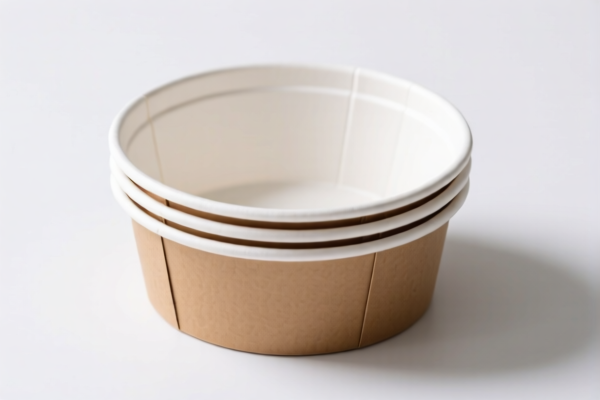
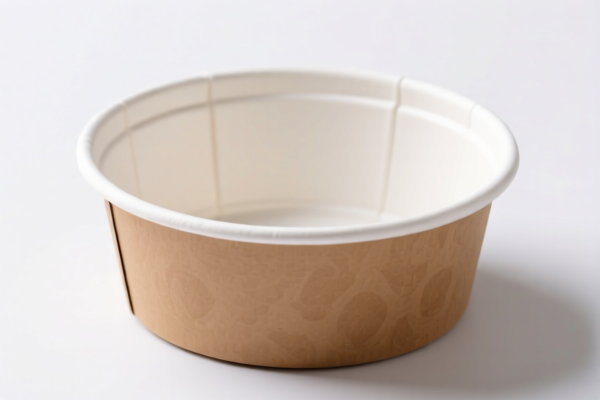
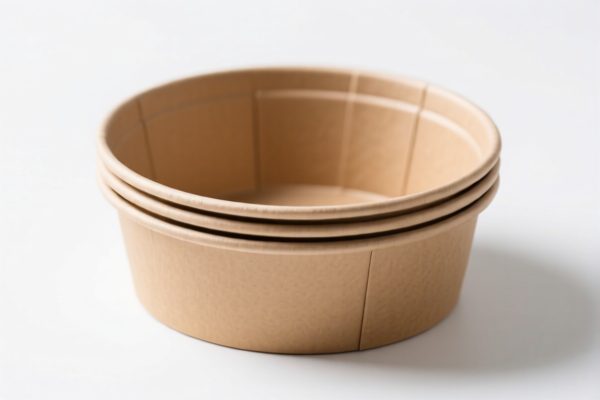
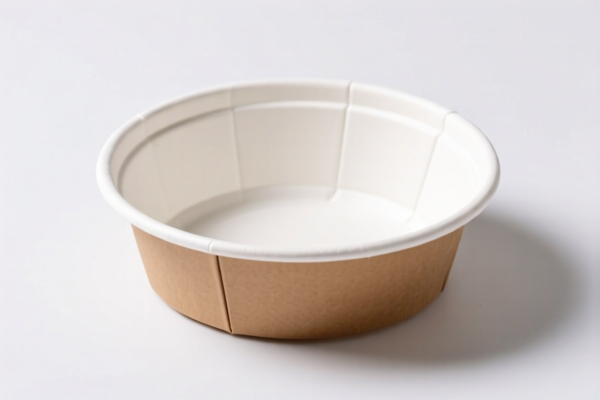
AI分析
🥣 Paper Disposable Soup Bowls
🌐 HS Code Reference & Clearance Guide | 2026 Latest Tariff Analysis | Professional Customs Strategy
📌 I. Product Definition & Classification: Do You Really Know "Paper Bowls"?
Paper disposable soup bowls are single-use containers made primarily from paper materials, designed for holding liquid or semi-liquid foods. In international trade, their classification depends heavily on the specific manufacturing process, material composition, and intended use category.
Key Distinctions:
1. Paper Bowls (General Packaging): Standard paper containers, often lined or unlined, falling under general packaging headings.
2. Paper Bowls (Specific Food Containers): Designed specifically as cups or nested food containers, falling under heading 4823.
3. Paper Bowls (Molded/Pulp Products): Made from paper pulp via molding or pressing processes, falling under specific subheadings in 4823.
⚠️ Critical Classification Point:
- If the bowl is classified as a general packaging container, it may fall under 4819.50.20.00.
- If it is specifically a cup or nested food container, it falls under 4823.69.00.20.
- If it is a molded/pulp product (dish, bowl, or cup), it falls under 4823.70.00.20.
📦 II. HS Code Classification Details (2026 Latest Tariff Authority Comparison)
| HS Code | Product Description | Application Scenario | Material/Process Note |
|---|---|---|---|
4823.69.00.20 |
Paper bowls, material: paper, shape: bowl, classified as cups and nested food containers | Disposable food service, hot/cold soup delivery | Specific to "cup/nested food container" classification |
4819.50.20.00 |
Paper bowls, material: paper, shape: bowl, classified as packaging containers | General packaging, bulk storage, non-specific food use | Classified under general "packaging containers" |
4823.70.00.20 |
Paper bowls, material: paper, shape: bowl, classified as pulp-molded or pressed products | Eco-friendly molded pulp bowls, industrial pressing | Specific to "pulp-molded/pressed" manufacturing process |
🔍 Key Reminder:
- All paper bowls intended for food service are subject to Section XX of the Harmonized System (Paper and Paperboard).
- The manufacturing process (molded vs. cut/folded) and design intent (nested food container vs. general packaging) determine the exact HS Code.
- Misclassification can lead to significant tariff discrepancies due to Section 301 and Section 122 additional duties.
💰 III. 2026 Latest Tariff Rate Details (Including Additional Duties & Policy Surcharges)
✅ Applicable Country: United States (US)
✅ Origin: China (CN)
✅ Effective Time: 2025/2026 (Current Policy)
🎯 1. 4823.69.00.20 —— Paper Bowls (Cups & Nested Food Containers)
| Item | Content |
|---|---|
| Base Tariff | 0% (ad valorem) |
| Section 301 Additional Duty | +25% (Under US Trade Act Section 301) |
| Section 122 Duty | +10% (For certain Chinese goods) |
| Total Tariff Rate | 35% |
| Tax Calculation | CIF Value × 35% |
| De Minimis Exemption Available? | ❌ No (Section 301 and 122 duties do not qualify for de minimis exemption under $800) |
| Legal Basis Path | USITC:4823.69.00.20 → SECTION 301: Footnote 9903.88.01 → SECTION 122: Specific Clause |
📌 Explanation:
- The 25% Section 301 duty is applied to goods from China under the "List 4B" or relevant category.
- The 10% Section 122 duty applies to certain consumer goods from China, including paper packaging items.
- Total 35% is a high tariff rate, requiring careful cost planning.
- No de minimis exemption applies, meaning even small shipments are subject to full duties.
🎯 2. 4819.50.20.00 —— Paper Bowls (Packaging Containers)
| Item | Content |
|---|---|
| Base Tariff | 0% |
| Section 301 Additional Duty | +25% |
| Section 122 Duty | +10% |
| Total Tariff Rate | 35% |
| Tax Calculation | CIF × 35% |
| De Minimis Exemption Available? | ❌ No |
| Legal Basis Path | USITC:4819.50.20.00 → SECTION 301: Footnote 9903.88.01 → SECTION 122: Specific Clause |
📌 Note:
- Same tariff structure as4823.69.00.20.
- Even if classified as "packaging," it is still subject to Section 301 and Section 122 duties.
- Misclassifying as "non-food packaging" does not avoid these duties if the product is clearly for food use.
🎯 3. 4823.70.00.20 —— Paper Bowls (Pulp-Molded/Pressed Products)
| Item | Content |
|---|---|
| Base Tariff | 0% |
| Section 301 Additional Duty | +25% |
| Section 122 Duty | +10% |
| Total Tariff Rate | 35% |
| Tax Calculation | CIF × 35% |
| De Minimis Exemption Available? | ❌ No |
| Legal Basis Path | USITC:4823.70.00.20 → SECTION 301: Footnote 9903.88.01 → SECTION 122: Specific Clause |
📌 Note:
- Despite being "eco-friendly" or "pulp-molded," it is not exempt from Section 301 or 122 duties.
- Environmental claims do not affect tariff classification or duty rates under current US policy.
🛠️ IV. Clearance Practical Advice (Real-World Pitfall Avoidance Guide)
✅ 1. Required Documentation Checklist (None Can Be Omitted)
| Document | Mandatory? | Description |
|---|---|---|
| ✅ Product Specification Sheet | ✔️ | Includes dimensions, material type (e.g., PE-coated paper), lining details, food-safe certification |
| ✅ Manufacturing Process Description | ✔️ | Clarifies if molded, pressed, or cut/folded (determines HS Code) |
| ✅ Product Photos (Including Label) | ✔️ | Shows brand, model, material, and intended use |
| ✅ Third-Party Test Reports | ✔️ | FDA Food Contact Notification (FCN), BPA-free, compostability certs (if applicable) |
| ✅ Commercial Invoice | ✔️ | Must clearly state "Paper Disposable Soup Bowls" and HS Code |
| ✅ Packing List | ✔️ | Details packaging units, total quantity, and net/gross weight |
| ✅ Certificate of Origin (CO) | ✔️ | If non-Chinese origin, may qualify for lower duties |
✅ 2. Declaration Tips (Key Mnemonics)
🔥 "Be Precise: Material, Process, Use – Or Pay 35%!"
| Scenario | Correct Declaration | Wrong Practice |
|---|---|---|
| General paper bowls for food | 4823.69.00.20 or 4819.50.20.00 |
Misclassifying as "plastic containers" → Higher duty + fines |
| Molded pulp bowls | 4823.70.00.20 |
Claiming "eco-friendly" to avoid duty → Still 35% |
| Bows with plastic lining | Still 4823.xxxx.xxxx.xxxx |
Attempting to classify as "plastic" → Misdeclaration penalty |
| Bulk vs. Retail Packaging | Declare by unit, not box | Splitting declaration → Audit risk |
✅ 3. Special Cases Handling
| Scenario | Handling Advice |
|---|---|
| OEM Custom Bowls | Provide customer order + design specs to avoid "generic" classification issues |
| Compostable/PLA-Lined Bowls | Still subject to 35% duty if made in China; provide compostability certs for marketability, not duty reduction |
| Small Shipments (<$800) | ❌ No de minimis exemption for Section 301/122 goods – duties still apply |
| Transshipment via Third Countries | High risk of "origin evasion" penalties – ensure proper Country of Origin labeling |
🌍 V. Global Market Clearance Comparison (2026 Latest)
| Country/Region | Recommended HS Code | Tariff (China Origin) | Certification Requirements | Notes |
|---|---|---|---|---|
| 🇺🇸 USA | 4823.69.00.20 / 4819.50.20.00 / 4823.70.00.20 |
35% (25% Sec 301 + 10% Sec 122) | FDA FCN, BPA-Free | High tariff – plan accordingly |
| 🇨🇳 China | 4823.69.00.20 |
5% | None | Low duty for domestic trade |
| 🇪🇺 EU | 4823.69.00 |
0% (if FSC certified) | CE, EN60335 (if electrical), REACH | No Section 301 equivalent |
| 🇬🇧 UK | 4823.69.00 |
0% | UKCA, FSC | Post-Brexit rules apply |
| 🇯🇵 Japan | 4823.69.00 |
3.5% | JAS, Food Safety Act | Moderate duty |
📌 Conclusion:
- The USA imposes the highest duties on Chinese-made paper bowls due to Section 301 and Section 122.
- EU, UK, and Japan are more favorable markets with lower or zero tariffs.
- Consider supply chain diversification (e.g., manufacturing in Vietnam or Mexico) to avoid US duties.
📌 VI. Common Mistakes & Pitfall Avoidance (Lessons Learned)
❌ Mistake 1: Classifying paper bowls as "plastic containers" to avoid paper tariffs
👉 Consequence: Misdeclaration → Fines + Back Duties + Legal Risk
❌ Mistake 2: Claiming "eco-friendly" status to qualify for tax exemptions
👉 Consequence: No exemption under current US law → Still 35%
❌ Mistake 3: Omitting "food contact" nature in documentation
👉 Consequence: FDA hold → Delay + Demurrage Costs
❌ Mistake 4: Assuming de minimis applies to Section 301 goods
👉 Consequence: No exemption → Unexpected 35% charge on small shipments
✅ Correct Practice:
"Paper Disposable Soup Bowls, PE-Lined, FDA Compliant, Molded Pulp, Model XYZ, China Origin"
🎯 VII. Conclusion: Precision Classification Saves Money!
🎯 Remember the Mnemonic:
🔹 "Paper Bowls: 35% Duty, No Exemption, Be Precise!"
🔹 "HS Code Determines Cost – Misclassify, and You Lose!"
📌 Pro Tip:
- If your paper bowls are originating from Vietnam, Mexico, or Thailand, you may qualify for lower or zero duties under US trade agreements.
- Consider applying for an Advance Ruling (Customs Ruling) from US CBP to confirm HS Code and duty rate before shipment.
📣 Immediate Action:
📞 Contact a licensed customs broker + Provide product specs + Request HS Code Advance Ruling
🚀 Ensure smooth clearance, cost efficiency, and compliance with US regulations
✨ Professional clearance starts with accurate classification!
💼 Every cent counts – get it right the first time!
用户评价
关于 HS 编码归类
协调制度(HS)是由世界海关组织(WCO)制定的国际贸易商品分类标准。全球 200 多个国家采用 HS 系统作为海关关税、贸易统计和进出口监管的基础。
每个 HS 编码遵循以下层级结构:
- 章(2 位)——商品大类(例如:第 84 章:机器和机械设备)
- 品目(4 位)——章内的更具体分类
- 子目(6 位)——国际通用细分,所有 WCO 成员国统一使用
- 本国细分(8-10 位)——各国自行扩展的细分编码,如美国 HTSUS 10 位编码
正确的 HS 编码归类对于顺利通关、准确缴纳关税和遵守贸易法规至关重要。错误归类可能导致海关延误、多缴关税或罚款。
从CN进口到US时,适用的关税税率可能包括:
- 最惠国(MFN)税率——适用于 WTO 成员国的标准关税税率
- 普通税率——适用于无贸易协定国家
- 贸易救济关税——附加关税,如 301 条款(反倾销)、232 条款(国家安全)或反补贴税
本页内容仅供参考。如需正式归类,请咨询当地海关或持牌报关代理。