Paper Disposable Soup Bowls
CN → US| HS Code | Tariff Rate | Origin | Destination | Doc |
|---|---|---|---|---|
| 4823690020 | 35.0% | CN | US | Official Doc |
| 4819502000 | 35.0% | CN | US | Official Doc |
| 4823700020 | 35.0% | CN | US | Official Doc |
Product Images
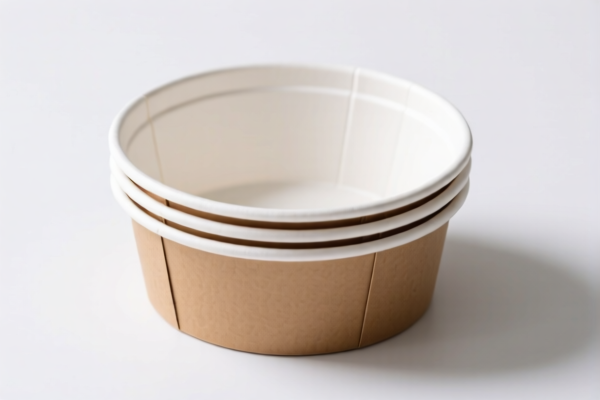
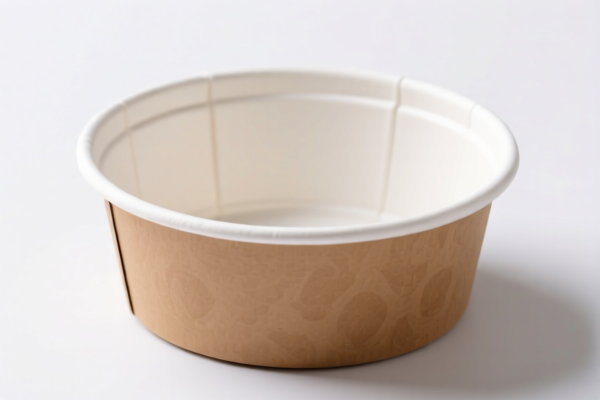
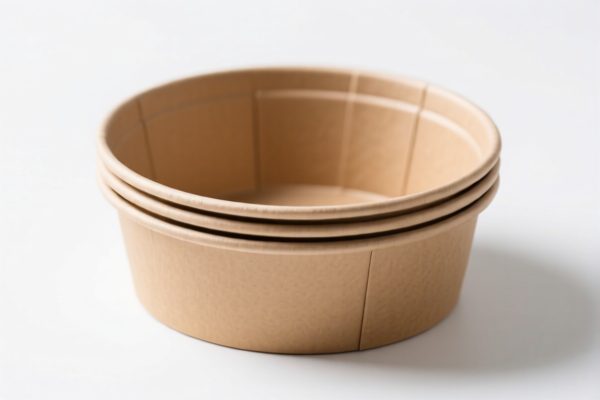
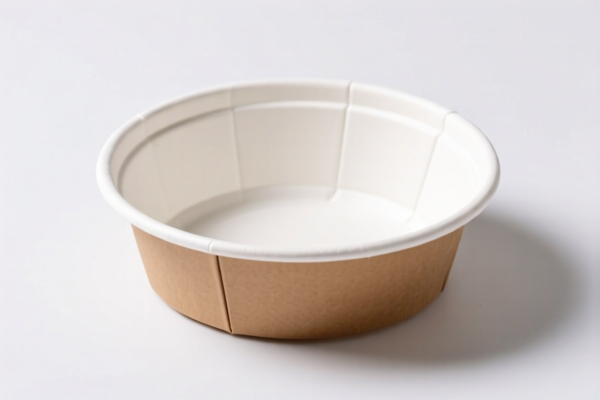
AI Analysis
🥣 Paper Disposable Soup Bowls
🌐 HS Code Reference & Clearance Guide | 2026 Latest Tariff Analysis | Professional Customs Strategy
📌 I. Product Definition & Classification: Do You Really Know "Paper Bowls"?
Paper disposable soup bowls are single-use containers made primarily from paper materials, designed for holding liquid or semi-liquid foods. In international trade, their classification depends heavily on the specific manufacturing process, material composition, and intended use category.
Key Distinctions:
1. Paper Bowls (General Packaging): Standard paper containers, often lined or unlined, falling under general packaging headings.
2. Paper Bowls (Specific Food Containers): Designed specifically as cups or nested food containers, falling under heading 4823.
3. Paper Bowls (Molded/Pulp Products): Made from paper pulp via molding or pressing processes, falling under specific subheadings in 4823.
⚠️ Critical Classification Point:
- If the bowl is classified as a general packaging container, it may fall under 4819.50.20.00.
- If it is specifically a cup or nested food container, it falls under 4823.69.00.20.
- If it is a molded/pulp product (dish, bowl, or cup), it falls under 4823.70.00.20.
📦 II. HS Code Classification Details (2026 Latest Tariff Authority Comparison)
| HS Code | Product Description | Application Scenario | Material/Process Note |
|---|---|---|---|
4823.69.00.20 |
Paper bowls, material: paper, shape: bowl, classified as cups and nested food containers | Disposable food service, hot/cold soup delivery | Specific to "cup/nested food container" classification |
4819.50.20.00 |
Paper bowls, material: paper, shape: bowl, classified as packaging containers | General packaging, bulk storage, non-specific food use | Classified under general "packaging containers" |
4823.70.00.20 |
Paper bowls, material: paper, shape: bowl, classified as pulp-molded or pressed products | Eco-friendly molded pulp bowls, industrial pressing | Specific to "pulp-molded/pressed" manufacturing process |
🔍 Key Reminder:
- All paper bowls intended for food service are subject to Section XX of the Harmonized System (Paper and Paperboard).
- The manufacturing process (molded vs. cut/folded) and design intent (nested food container vs. general packaging) determine the exact HS Code.
- Misclassification can lead to significant tariff discrepancies due to Section 301 and Section 122 additional duties.
💰 III. 2026 Latest Tariff Rate Details (Including Additional Duties & Policy Surcharges)
✅ Applicable Country: United States (US)
✅ Origin: China (CN)
✅ Effective Time: 2025/2026 (Current Policy)
🎯 1. 4823.69.00.20 —— Paper Bowls (Cups & Nested Food Containers)
| Item | Content |
|---|---|
| Base Tariff | 0% (ad valorem) |
| Section 301 Additional Duty | +25% (Under US Trade Act Section 301) |
| Section 122 Duty | +10% (For certain Chinese goods) |
| Total Tariff Rate | 35% |
| Tax Calculation | CIF Value × 35% |
| De Minimis Exemption Available? | ❌ No (Section 301 and 122 duties do not qualify for de minimis exemption under $800) |
| Legal Basis Path | USITC:4823.69.00.20 → SECTION 301: Footnote 9903.88.01 → SECTION 122: Specific Clause |
📌 Explanation:
- The 25% Section 301 duty is applied to goods from China under the "List 4B" or relevant category.
- The 10% Section 122 duty applies to certain consumer goods from China, including paper packaging items.
- Total 35% is a high tariff rate, requiring careful cost planning.
- No de minimis exemption applies, meaning even small shipments are subject to full duties.
🎯 2. 4819.50.20.00 —— Paper Bowls (Packaging Containers)
| Item | Content |
|---|---|
| Base Tariff | 0% |
| Section 301 Additional Duty | +25% |
| Section 122 Duty | +10% |
| Total Tariff Rate | 35% |
| Tax Calculation | CIF × 35% |
| De Minimis Exemption Available? | ❌ No |
| Legal Basis Path | USITC:4819.50.20.00 → SECTION 301: Footnote 9903.88.01 → SECTION 122: Specific Clause |
📌 Note:
- Same tariff structure as4823.69.00.20.
- Even if classified as "packaging," it is still subject to Section 301 and Section 122 duties.
- Misclassifying as "non-food packaging" does not avoid these duties if the product is clearly for food use.
🎯 3. 4823.70.00.20 —— Paper Bowls (Pulp-Molded/Pressed Products)
| Item | Content |
|---|---|
| Base Tariff | 0% |
| Section 301 Additional Duty | +25% |
| Section 122 Duty | +10% |
| Total Tariff Rate | 35% |
| Tax Calculation | CIF × 35% |
| De Minimis Exemption Available? | ❌ No |
| Legal Basis Path | USITC:4823.70.00.20 → SECTION 301: Footnote 9903.88.01 → SECTION 122: Specific Clause |
📌 Note:
- Despite being "eco-friendly" or "pulp-molded," it is not exempt from Section 301 or 122 duties.
- Environmental claims do not affect tariff classification or duty rates under current US policy.
🛠️ IV. Clearance Practical Advice (Real-World Pitfall Avoidance Guide)
✅ 1. Required Documentation Checklist (None Can Be Omitted)
| Document | Mandatory? | Description |
|---|---|---|
| ✅ Product Specification Sheet | ✔️ | Includes dimensions, material type (e.g., PE-coated paper), lining details, food-safe certification |
| ✅ Manufacturing Process Description | ✔️ | Clarifies if molded, pressed, or cut/folded (determines HS Code) |
| ✅ Product Photos (Including Label) | ✔️ | Shows brand, model, material, and intended use |
| ✅ Third-Party Test Reports | ✔️ | FDA Food Contact Notification (FCN), BPA-free, compostability certs (if applicable) |
| ✅ Commercial Invoice | ✔️ | Must clearly state "Paper Disposable Soup Bowls" and HS Code |
| ✅ Packing List | ✔️ | Details packaging units, total quantity, and net/gross weight |
| ✅ Certificate of Origin (CO) | ✔️ | If non-Chinese origin, may qualify for lower duties |
✅ 2. Declaration Tips (Key Mnemonics)
🔥 "Be Precise: Material, Process, Use – Or Pay 35%!"
| Scenario | Correct Declaration | Wrong Practice |
|---|---|---|
| General paper bowls for food | 4823.69.00.20 or 4819.50.20.00 |
Misclassifying as "plastic containers" → Higher duty + fines |
| Molded pulp bowls | 4823.70.00.20 |
Claiming "eco-friendly" to avoid duty → Still 35% |
| Bows with plastic lining | Still 4823.xxxx.xxxx.xxxx |
Attempting to classify as "plastic" → Misdeclaration penalty |
| Bulk vs. Retail Packaging | Declare by unit, not box | Splitting declaration → Audit risk |
✅ 3. Special Cases Handling
| Scenario | Handling Advice |
|---|---|
| OEM Custom Bowls | Provide customer order + design specs to avoid "generic" classification issues |
| Compostable/PLA-Lined Bowls | Still subject to 35% duty if made in China; provide compostability certs for marketability, not duty reduction |
| Small Shipments (<$800) | ❌ No de minimis exemption for Section 301/122 goods – duties still apply |
| Transshipment via Third Countries | High risk of "origin evasion" penalties – ensure proper Country of Origin labeling |
🌍 V. Global Market Clearance Comparison (2026 Latest)
| Country/Region | Recommended HS Code | Tariff (China Origin) | Certification Requirements | Notes |
|---|---|---|---|---|
| 🇺🇸 USA | 4823.69.00.20 / 4819.50.20.00 / 4823.70.00.20 |
35% (25% Sec 301 + 10% Sec 122) | FDA FCN, BPA-Free | High tariff – plan accordingly |
| 🇨🇳 China | 4823.69.00.20 |
5% | None | Low duty for domestic trade |
| 🇪🇺 EU | 4823.69.00 |
0% (if FSC certified) | CE, EN60335 (if electrical), REACH | No Section 301 equivalent |
| 🇬🇧 UK | 4823.69.00 |
0% | UKCA, FSC | Post-Brexit rules apply |
| 🇯🇵 Japan | 4823.69.00 |
3.5% | JAS, Food Safety Act | Moderate duty |
📌 Conclusion:
- The USA imposes the highest duties on Chinese-made paper bowls due to Section 301 and Section 122.
- EU, UK, and Japan are more favorable markets with lower or zero tariffs.
- Consider supply chain diversification (e.g., manufacturing in Vietnam or Mexico) to avoid US duties.
📌 VI. Common Mistakes & Pitfall Avoidance (Lessons Learned)
❌ Mistake 1: Classifying paper bowls as "plastic containers" to avoid paper tariffs
👉 Consequence: Misdeclaration → Fines + Back Duties + Legal Risk
❌ Mistake 2: Claiming "eco-friendly" status to qualify for tax exemptions
👉 Consequence: No exemption under current US law → Still 35%
❌ Mistake 3: Omitting "food contact" nature in documentation
👉 Consequence: FDA hold → Delay + Demurrage Costs
❌ Mistake 4: Assuming de minimis applies to Section 301 goods
👉 Consequence: No exemption → Unexpected 35% charge on small shipments
✅ Correct Practice:
"Paper Disposable Soup Bowls, PE-Lined, FDA Compliant, Molded Pulp, Model XYZ, China Origin"
🎯 VII. Conclusion: Precision Classification Saves Money!
🎯 Remember the Mnemonic:
🔹 "Paper Bowls: 35% Duty, No Exemption, Be Precise!"
🔹 "HS Code Determines Cost – Misclassify, and You Lose!"
📌 Pro Tip:
- If your paper bowls are originating from Vietnam, Mexico, or Thailand, you may qualify for lower or zero duties under US trade agreements.
- Consider applying for an Advance Ruling (Customs Ruling) from US CBP to confirm HS Code and duty rate before shipment.
📣 Immediate Action:
📞 Contact a licensed customs broker + Provide product specs + Request HS Code Advance Ruling
🚀 Ensure smooth clearance, cost efficiency, and compliance with US regulations
✨ Professional clearance starts with accurate classification!
💼 Every cent counts – get it right the first time!
Customer Reviews
About HS Code Classification
The Harmonized System (HS) is an internationally standardized nomenclature developed by the World Customs Organization (WCO) to classify traded products. Over 200 countries use the HS system as the basis for customs tariffs, trade statistics, and import/export regulations.
Each HS code follows a hierarchical structure:
- Chapter (2 digits) — Broad category of goods (e.g., Chapter 84: Machinery and Mechanical Appliances)
- Heading (4 digits) — More specific grouping within the chapter
- Subheading (6 digits) — Internationally standardized breakdown, used by all WCO member countries
- National subdivisions (8-10 digits) — Country-specific extensions for further classification, such as US HTSUS 10-digit codes
Correct HS code classification is essential for smooth customs clearance, accurate duty payment, and compliance with trade regulations. Misclassification can lead to customs delays, overpayment of duties, or penalties.
When importing from CN to US, the applicable tariff rates may include:
- Most-Favored-Nation (MFN) rate — The standard duty rate applied to WTO members
- General rate — Applied to countries without trade agreements
- Trade remedy duties — Additional tariffs such as Section 301 (anti-dumping), Section 232 (national security), or countervailing duties
The information provided on this page is for reference purposes only. For official classification, please consult with your local customs authority or a licensed customs broker.