Paper Handbag Gift Bag
CN → US| HS编码 | 关税税率 | 原产国 | 目的国 | 文档 |
|---|---|---|---|---|
| 4823908680 | 35.0% | CN | US | 官方文档 |
| 4819400040 | 35.0% | CN | US | 官方文档 |
| 4911996000 | 17.5% | CN | US | 官方文档 |
| 4911998000 | 17.5% | CN | US | 官方文档 |
| 4202999000 | 55.0% | CN | US | 官方文档 |
商品图片


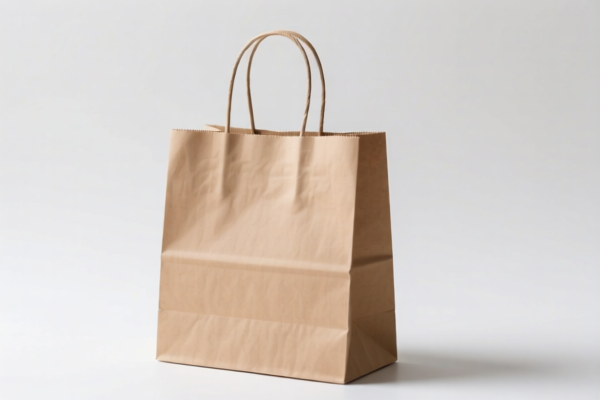
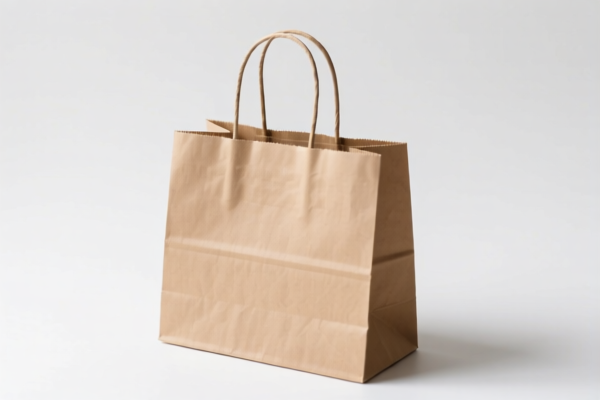
AI分析
🛍️ Paper Handbag / Gift Bag (纸质手提袋/礼品袋)
🌐 HS Code Reference & Customs Clearance Guide | 2026 Latest Tariff Analysis | Strategic Entry for US Market
📌 I. Product Definition & Classification: What Exactly Is a "Paper Handbag"?
Paper handbags and gift bags are versatile packaging solutions used in retail, e-commerce, and luxury goods sectors. In international trade, their classification depends heavily on material composition, printing status, and structural function. They are generally categorized into three main types:
- Standard Paper Bags: Simple paper structures, often without complex printing or plastic lamination.
- Printed Gift Bags: High-quality paper bags with significant graphic printing, often used for branding and gifting.
- Laminated/Composite Bags: Paper bags with plastic coating, foil, or other materials, changing their classification to "containers/bags" rather than just "paper products."
⚠️ Key Distinction Point:
- Plain/Unprinted or Simply Printed Paper Bags → Usually fall under Chapter 48 (Paper/Paperboard).
- Heavily Printed/Branded Gift Bags → May fall under Chapter 49 (Printed Materials).
- Plastic-Laminated/Coated Paper Bags → Often fall under Chapter 42 (Articles of Leather/Plastics/Other Materials) due to the surface material being plastic.
📦 II. HS Code Classification Details (2026 Latest Tariff Cross-Reference)
| HS Code | Product Description | Application Scenario | Key Characteristics |
|---|---|---|---|
4823.90.86.80 |
Other paper articles, including handbags | Plain or lightly printed paper bags; structural paper products | ✅ Paper-based, no significant printing or plastic lamination |
4819.40.00.40 |
Bags and containers, of paper or paperboard | Standard paper shopping bags, carriers, and sacks | ✅ Paper-based, designed for carrying goods |
4911.99.60.00 |
Printed gift bags, other printed matter | Branded, high-print-density gift bags; promotional packaging | ✅ Heavy printing, classified as "printed matter" |
4911.99.80.00 |
Printed paper products, other printed matter | Fallback category for printed paper items not elsewhere specified | ✅ General printed paper goods, brand collateral |
4202.99.90.00 |
Plastic-covered paper advertising bags | Laminated, foil-lined, or plastic-coated paper bags | ✅ Surface is plastic; classified as "plastic articles" |
🔍 Critical Reminder:
- If the bag has significant printing (e.g., brand logos, complex graphics), it may be classified under Chapter 49 (4911) instead of Chapter 48.
- If the bag is laminated with plastic (even a thin layer), it is often classified under Chapter 42 (4202), which has much higher tariffs.
- Do not misclassify laminated bags as plain paper bags to avoid penalties!
💰 III. 2026 Latest Tariff Rate Breakdown (Including Surtaxes & Policy Add-ons)
✅ Applicable Country: United States (US)
✅ Origin: China (CN)
✅ Effective Date: 2025/2026 (Current Trade Policy)
🎯 1. 4823.90.86.80 & 4819.40.00.40 – Standard Paper Bags (Chapter 48)
| Item | Details |
|---|---|
| Base Tariff | 0% (ad valorem) |
| Section 301 Surtax (USITC) | +25% |
| Section 122 Surtax | +10% |
| Total Tariff Rate | 35.0% |
| Tax Calculation | CIF Value × 35% |
| De Minimis Exemption | ❌ Not Applicable (Section 301 goods are excluded from $800 de minimis) |
| Legal Basis Path | USITC:4823.90.86.80 / 4819.40.00.40 → FOOTNOTE:301 → IEEPA:122 |
📌 Explanation:
- These bags are classified as paper products.
- They are subject to Section 301 tariffs (25%) and Section 122 tariffs (10%).
- Total: 35%. This is a moderate-to-high tariff, so cost planning is essential.
🎯 2. 4911.99.60.00 & 4911.99.80.00 – Printed Gift Bags (Chapter 49)
| Item | Details |
|---|---|
| Base Tariff | 0% (ad valorem) |
| Section 301 Surtax (USITC) | +7.5% |
| Section 122 Surtax | +10% |
| Total Tariff Rate | 17.5% |
| Tax Calculation | CIF Value × 17.5% |
| De Minimis Exemption | ❌ Not Applicable (Section 301 goods are excluded from $800 de minimis) |
| Legal Basis Path | USITC:4911.99.60.00 / 4911.99.80.00 → FOOTNOTE:301 → IEEPA:122 |
📌 Explanation:
- Printed gift bags fall under Chapter 49 (Printed Matter).
- They benefit from a lower Section 301 surtax (7.5%) compared to paper products.
- Total: 17.5%. This is significantly cheaper than standard paper bags!
- Strategy: If your bag is heavily printed, ensure it is classified here, not under Chapter 48.
🎯 3. 4202.99.90.00 – Plastic-Coated/Laminated Bags (Chapter 42)
| Item | Details |
|---|---|
| Base Tariff | 20% (ad valorem) |
| Section 301 Surtax (USITC) | +25% |
| Section 122 Surtax | +10% |
| Total Tariff Rate | 55.0% |
| Tax Calculation | CIF Value × 55% |
| De Minimis Exemption | ❌ Not Applicable (Section 301 goods are excluded from $800 de minimis) |
| Legal Basis Path | USITC:4202.99.90.00 → FOOTNOTE:301 → IEEPA:122 |
📌 Explanation:
- Bags with plastic lamination, foil, or PVC coating are classified as plastic articles (Chapter 42).
- They face the highest base tariff (20%) plus Section 301 (25%) and Section 122 (10%).
- Total: 55%. This is a prohibitive tariff!
- Risk: Misclassifying laminated bags as paper bags (48xx) or printed bags (49xx) can lead to huge back-taxes and penalties.
🛠️ IV. Customs Clearance Practical Advice (Real-World Pitfall Guide)
✅ 1. Documentation Checklist (Must-Haves)
| Document | Required | Notes |
|---|---|---|
| ✅ Product Photos | ✔️ | Must clearly show surface material (paper vs. plastic laminate) and printing details. |
| ✅ Material Composition Statement | ✔️ | Specify: 100% Paper, Paper + Plastic Lamination, Paper + Foil, etc. |
| ✅ Commercial Invoice | ✔️ | Describe as "Paper Gift Bag, Printed" or "Plastic-Laminated Paper Bag". |
| ✅ Packing List | ✔️ | Include dimensions and weight. |
| ✅ Certification (if applicable) | ✔️ | FSC (Forest Stewardship Council) for paper; FDA/Prop65 for inks/coatings. |
✅ 2. Classification Strategy (Key Tips)
🔥 "Check the Surface, Check the Print, Choose the Chapter, Save the Money!"
| Scenario | Correct HS Code | Tariff | Why? |
|---|---|---|---|
| Plain/Unprinted Paper Bag | 4823.90.86.80 or 4819.40.00.40 |
35% | Base paper product; Section 301 applies. |
| Heavily Printed Paper Bag | 4911.99.60.00 or 4911.99.80.00 |
17.5% | Classified as "printed matter"; lower Section 301 surtax. |
| Plastic-Laminated Paper Bag | 4202.99.90.00 |
55% | Surface is plastic; highest base + surtax. |
| Foil-Lined Paper Bag | 4202.99.90.00 |
55% | Foil/plastic layer triggers Chapter 42. |
| Paper Bag with Plastic Handles | 4202.99.90.00 (likely) |
55% | If plastic is integral, it may still fall under Chapter 42. Consult expert. |
📌 Critical Advice:
- Do NOT assume all "paper bags" are the same.
- If your bag has a matte or glossy finish due to plastic coating, it is likely Chapter 42.
- If your bag is 100% paper with ink printing, it is Chapter 48 or 49.
- Printed bags (4911) are significantly cheaper than plain paper bags (4823/4819) in terms of Section 301 surtax!
✅ 3. Special Cases & Workarounds
| Situation | Recommendation |
|---|---|
| OEM Branded Bags | Ensure the description highlights "Printed Gift Bag" to qualify for 4911 (17.5%) if possible. |
| Kraft Paper Bags | If uncoated and unprinted, classify under 4819.40.00.40 (35%). If printed, consider 4911 (17.5%). |
| Laminated Bags | Accept the 55% tariff or redesign to use water-based coating instead of plastic lamination to stay in Chapter 48/49. |
| Small Quantities | Section 301 tariffs apply even to de minimis shipments for Chinese-origin goods. |
🌍 V. Global Market Comparison (2026)
| Country/Region | Recommended HS Code | Tariff (China Origin) | Notes |
|---|---|---|---|
| 🇺🇸 USA | 4911.99.60.00 |
17.5% | Lowest for printed bags. 4202 is 55%! |
| 🇺🇸 USA | 4823.90.86.80 |
35.0% | For plain paper bags. |
| 🇪🇺 EU | 4819.40.00.40 |
0% | No Section 301; standard EU tariff. |
| 🇨🇳 China | 4819.40.00.40 |
5% | Domestic import/export rates. |
| 🇬🇧 UK | 4819.40.00.40 |
0% | Post-Brexit standard rate. |
📌 Conclusion:
- The US market is the most expensive due to Section 301 and Section 122 tariffs.
- Printed bags (4911) offer the best tariff advantage (17.5%) in the US.
- Avoid plastic lamination if shipping to the US; it triggers the 55% tariff.
📌 VI. Common Mistakes & Pitfalls (Lessons Learned)
❌ Mistake 1: Calling a plastic-laminated bag a "paper bag" to avoid Chapter 42.
👉 Consequence: Customs will reclassify it, charge 55% + penalties + back-taxes.
❌ Mistake 2: Classifying printed gift bags under 4823 (35%) instead of 4911 (17.5%).
👉 Consequence: Overpaying 17.5% in Section 301 surtax unnecessarily.
❌ Mistake 3: Ignoring Section 122 tariffs (10%) in cost calculations.
👉 Consequence: Profit margin erosion. All Chinese-origin goods are subject to this.
✅ Correct Approach:
"Gift Bag, Paper, 100% Virgin Fiber, Offset Printed, Brand Logo, Size 10x8x4 Inches"
→ Use4911.99.60.00(17.5%)."Handbag, Paper, Glossy Lamination (PET Coating), Plastic Handle"
→ Use4202.99.90.00(55%). Redesign if possible!
🎯 VII. Conclusion: Smart Classification, Lower Costs!
🎯 Remember the Golden Rule:
🔹 "Printed = 17.5%, Plain Paper = 35%, Laminated = 55%!"
🔹 "If it looks like plastic, it pays like plastic!"
📌 Pro Tip:
- Request samples from suppliers to confirm material composition.
- Use FSC-certified paper for marketing appeal, but ensure it doesn’t trigger Chapter 42.
- Consult a customs broker before shipping large volumes of laminated bags.
📣 Immediate Action:
📞 Verify HS Code with your customs broker.
📦 Adjust Product Design if possible (remove plastic lamination).
💡 Optimize for4911by ensuring significant printing qualifies for Chapter 49.
✨ Clear Customs, Clear Profits!
💼 Every percentage point in tariff matters!
用户评价
关于 HS 编码归类
协调制度(HS)是由世界海关组织(WCO)制定的国际贸易商品分类标准。全球 200 多个国家采用 HS 系统作为海关关税、贸易统计和进出口监管的基础。
每个 HS 编码遵循以下层级结构:
- 章(2 位)——商品大类(例如:第 84 章:机器和机械设备)
- 品目(4 位)——章内的更具体分类
- 子目(6 位)——国际通用细分,所有 WCO 成员国统一使用
- 本国细分(8-10 位)——各国自行扩展的细分编码,如美国 HTSUS 10 位编码
正确的 HS 编码归类对于顺利通关、准确缴纳关税和遵守贸易法规至关重要。错误归类可能导致海关延误、多缴关税或罚款。
从CN进口到US时,适用的关税税率可能包括:
- 最惠国(MFN)税率——适用于 WTO 成员国的标准关税税率
- 普通税率——适用于无贸易协定国家
- 贸易救济关税——附加关税,如 301 条款(反倾销)、232 条款(国家安全)或反补贴税
本页内容仅供参考。如需正式归类,请咨询当地海关或持牌报关代理。