Paper Handbag Gift Bag
CN → US| HS Code | Tariff Rate | Origin | Destination | Doc |
|---|---|---|---|---|
| 4823908680 | 35.0% | CN | US | Official Doc |
| 4819400040 | 35.0% | CN | US | Official Doc |
| 4911996000 | 17.5% | CN | US | Official Doc |
| 4911998000 | 17.5% | CN | US | Official Doc |
| 4202999000 | 55.0% | CN | US | Official Doc |
Product Images


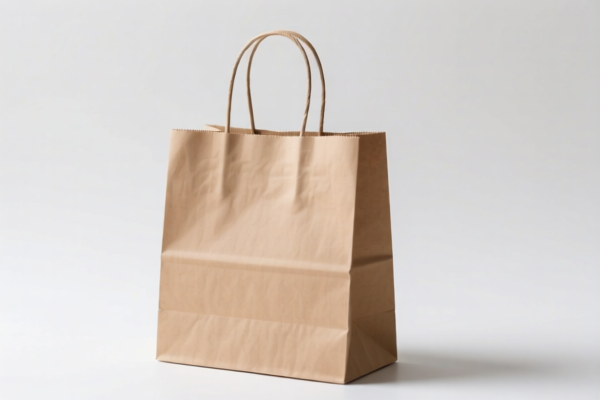
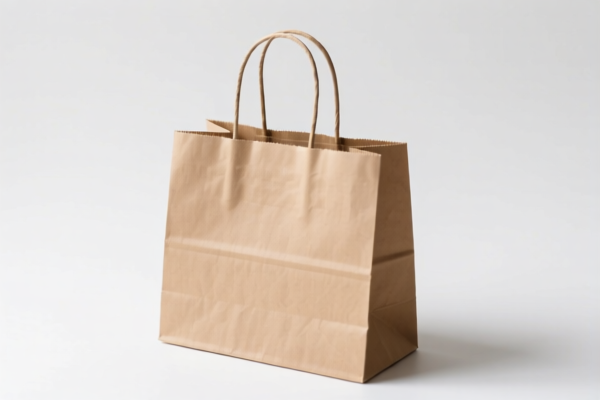
AI Analysis
🛍️ Paper Handbag / Gift Bag (纸质手提袋/礼品袋)
🌐 HS Code Reference & Customs Clearance Guide | 2026 Latest Tariff Analysis | Strategic Entry for US Market
📌 I. Product Definition & Classification: What Exactly Is a "Paper Handbag"?
Paper handbags and gift bags are versatile packaging solutions used in retail, e-commerce, and luxury goods sectors. In international trade, their classification depends heavily on material composition, printing status, and structural function. They are generally categorized into three main types:
- Standard Paper Bags: Simple paper structures, often without complex printing or plastic lamination.
- Printed Gift Bags: High-quality paper bags with significant graphic printing, often used for branding and gifting.
- Laminated/Composite Bags: Paper bags with plastic coating, foil, or other materials, changing their classification to "containers/bags" rather than just "paper products."
⚠️ Key Distinction Point:
- Plain/Unprinted or Simply Printed Paper Bags → Usually fall under Chapter 48 (Paper/Paperboard).
- Heavily Printed/Branded Gift Bags → May fall under Chapter 49 (Printed Materials).
- Plastic-Laminated/Coated Paper Bags → Often fall under Chapter 42 (Articles of Leather/Plastics/Other Materials) due to the surface material being plastic.
📦 II. HS Code Classification Details (2026 Latest Tariff Cross-Reference)
| HS Code | Product Description | Application Scenario | Key Characteristics |
|---|---|---|---|
4823.90.86.80 |
Other paper articles, including handbags | Plain or lightly printed paper bags; structural paper products | ✅ Paper-based, no significant printing or plastic lamination |
4819.40.00.40 |
Bags and containers, of paper or paperboard | Standard paper shopping bags, carriers, and sacks | ✅ Paper-based, designed for carrying goods |
4911.99.60.00 |
Printed gift bags, other printed matter | Branded, high-print-density gift bags; promotional packaging | ✅ Heavy printing, classified as "printed matter" |
4911.99.80.00 |
Printed paper products, other printed matter | Fallback category for printed paper items not elsewhere specified | ✅ General printed paper goods, brand collateral |
4202.99.90.00 |
Plastic-covered paper advertising bags | Laminated, foil-lined, or plastic-coated paper bags | ✅ Surface is plastic; classified as "plastic articles" |
🔍 Critical Reminder:
- If the bag has significant printing (e.g., brand logos, complex graphics), it may be classified under Chapter 49 (4911) instead of Chapter 48.
- If the bag is laminated with plastic (even a thin layer), it is often classified under Chapter 42 (4202), which has much higher tariffs.
- Do not misclassify laminated bags as plain paper bags to avoid penalties!
💰 III. 2026 Latest Tariff Rate Breakdown (Including Surtaxes & Policy Add-ons)
✅ Applicable Country: United States (US)
✅ Origin: China (CN)
✅ Effective Date: 2025/2026 (Current Trade Policy)
🎯 1. 4823.90.86.80 & 4819.40.00.40 – Standard Paper Bags (Chapter 48)
| Item | Details |
|---|---|
| Base Tariff | 0% (ad valorem) |
| Section 301 Surtax (USITC) | +25% |
| Section 122 Surtax | +10% |
| Total Tariff Rate | 35.0% |
| Tax Calculation | CIF Value × 35% |
| De Minimis Exemption | ❌ Not Applicable (Section 301 goods are excluded from $800 de minimis) |
| Legal Basis Path | USITC:4823.90.86.80 / 4819.40.00.40 → FOOTNOTE:301 → IEEPA:122 |
📌 Explanation:
- These bags are classified as paper products.
- They are subject to Section 301 tariffs (25%) and Section 122 tariffs (10%).
- Total: 35%. This is a moderate-to-high tariff, so cost planning is essential.
🎯 2. 4911.99.60.00 & 4911.99.80.00 – Printed Gift Bags (Chapter 49)
| Item | Details |
|---|---|
| Base Tariff | 0% (ad valorem) |
| Section 301 Surtax (USITC) | +7.5% |
| Section 122 Surtax | +10% |
| Total Tariff Rate | 17.5% |
| Tax Calculation | CIF Value × 17.5% |
| De Minimis Exemption | ❌ Not Applicable (Section 301 goods are excluded from $800 de minimis) |
| Legal Basis Path | USITC:4911.99.60.00 / 4911.99.80.00 → FOOTNOTE:301 → IEEPA:122 |
📌 Explanation:
- Printed gift bags fall under Chapter 49 (Printed Matter).
- They benefit from a lower Section 301 surtax (7.5%) compared to paper products.
- Total: 17.5%. This is significantly cheaper than standard paper bags!
- Strategy: If your bag is heavily printed, ensure it is classified here, not under Chapter 48.
🎯 3. 4202.99.90.00 – Plastic-Coated/Laminated Bags (Chapter 42)
| Item | Details |
|---|---|
| Base Tariff | 20% (ad valorem) |
| Section 301 Surtax (USITC) | +25% |
| Section 122 Surtax | +10% |
| Total Tariff Rate | 55.0% |
| Tax Calculation | CIF Value × 55% |
| De Minimis Exemption | ❌ Not Applicable (Section 301 goods are excluded from $800 de minimis) |
| Legal Basis Path | USITC:4202.99.90.00 → FOOTNOTE:301 → IEEPA:122 |
📌 Explanation:
- Bags with plastic lamination, foil, or PVC coating are classified as plastic articles (Chapter 42).
- They face the highest base tariff (20%) plus Section 301 (25%) and Section 122 (10%).
- Total: 55%. This is a prohibitive tariff!
- Risk: Misclassifying laminated bags as paper bags (48xx) or printed bags (49xx) can lead to huge back-taxes and penalties.
🛠️ IV. Customs Clearance Practical Advice (Real-World Pitfall Guide)
✅ 1. Documentation Checklist (Must-Haves)
| Document | Required | Notes |
|---|---|---|
| ✅ Product Photos | ✔️ | Must clearly show surface material (paper vs. plastic laminate) and printing details. |
| ✅ Material Composition Statement | ✔️ | Specify: 100% Paper, Paper + Plastic Lamination, Paper + Foil, etc. |
| ✅ Commercial Invoice | ✔️ | Describe as "Paper Gift Bag, Printed" or "Plastic-Laminated Paper Bag". |
| ✅ Packing List | ✔️ | Include dimensions and weight. |
| ✅ Certification (if applicable) | ✔️ | FSC (Forest Stewardship Council) for paper; FDA/Prop65 for inks/coatings. |
✅ 2. Classification Strategy (Key Tips)
🔥 "Check the Surface, Check the Print, Choose the Chapter, Save the Money!"
| Scenario | Correct HS Code | Tariff | Why? |
|---|---|---|---|
| Plain/Unprinted Paper Bag | 4823.90.86.80 or 4819.40.00.40 |
35% | Base paper product; Section 301 applies. |
| Heavily Printed Paper Bag | 4911.99.60.00 or 4911.99.80.00 |
17.5% | Classified as "printed matter"; lower Section 301 surtax. |
| Plastic-Laminated Paper Bag | 4202.99.90.00 |
55% | Surface is plastic; highest base + surtax. |
| Foil-Lined Paper Bag | 4202.99.90.00 |
55% | Foil/plastic layer triggers Chapter 42. |
| Paper Bag with Plastic Handles | 4202.99.90.00 (likely) |
55% | If plastic is integral, it may still fall under Chapter 42. Consult expert. |
📌 Critical Advice:
- Do NOT assume all "paper bags" are the same.
- If your bag has a matte or glossy finish due to plastic coating, it is likely Chapter 42.
- If your bag is 100% paper with ink printing, it is Chapter 48 or 49.
- Printed bags (4911) are significantly cheaper than plain paper bags (4823/4819) in terms of Section 301 surtax!
✅ 3. Special Cases & Workarounds
| Situation | Recommendation |
|---|---|
| OEM Branded Bags | Ensure the description highlights "Printed Gift Bag" to qualify for 4911 (17.5%) if possible. |
| Kraft Paper Bags | If uncoated and unprinted, classify under 4819.40.00.40 (35%). If printed, consider 4911 (17.5%). |
| Laminated Bags | Accept the 55% tariff or redesign to use water-based coating instead of plastic lamination to stay in Chapter 48/49. |
| Small Quantities | Section 301 tariffs apply even to de minimis shipments for Chinese-origin goods. |
🌍 V. Global Market Comparison (2026)
| Country/Region | Recommended HS Code | Tariff (China Origin) | Notes |
|---|---|---|---|
| 🇺🇸 USA | 4911.99.60.00 |
17.5% | Lowest for printed bags. 4202 is 55%! |
| 🇺🇸 USA | 4823.90.86.80 |
35.0% | For plain paper bags. |
| 🇪🇺 EU | 4819.40.00.40 |
0% | No Section 301; standard EU tariff. |
| 🇨🇳 China | 4819.40.00.40 |
5% | Domestic import/export rates. |
| 🇬🇧 UK | 4819.40.00.40 |
0% | Post-Brexit standard rate. |
📌 Conclusion:
- The US market is the most expensive due to Section 301 and Section 122 tariffs.
- Printed bags (4911) offer the best tariff advantage (17.5%) in the US.
- Avoid plastic lamination if shipping to the US; it triggers the 55% tariff.
📌 VI. Common Mistakes & Pitfalls (Lessons Learned)
❌ Mistake 1: Calling a plastic-laminated bag a "paper bag" to avoid Chapter 42.
👉 Consequence: Customs will reclassify it, charge 55% + penalties + back-taxes.
❌ Mistake 2: Classifying printed gift bags under 4823 (35%) instead of 4911 (17.5%).
👉 Consequence: Overpaying 17.5% in Section 301 surtax unnecessarily.
❌ Mistake 3: Ignoring Section 122 tariffs (10%) in cost calculations.
👉 Consequence: Profit margin erosion. All Chinese-origin goods are subject to this.
✅ Correct Approach:
"Gift Bag, Paper, 100% Virgin Fiber, Offset Printed, Brand Logo, Size 10x8x4 Inches"
→ Use4911.99.60.00(17.5%)."Handbag, Paper, Glossy Lamination (PET Coating), Plastic Handle"
→ Use4202.99.90.00(55%). Redesign if possible!
🎯 VII. Conclusion: Smart Classification, Lower Costs!
🎯 Remember the Golden Rule:
🔹 "Printed = 17.5%, Plain Paper = 35%, Laminated = 55%!"
🔹 "If it looks like plastic, it pays like plastic!"
📌 Pro Tip:
- Request samples from suppliers to confirm material composition.
- Use FSC-certified paper for marketing appeal, but ensure it doesn’t trigger Chapter 42.
- Consult a customs broker before shipping large volumes of laminated bags.
📣 Immediate Action:
📞 Verify HS Code with your customs broker.
📦 Adjust Product Design if possible (remove plastic lamination).
💡 Optimize for4911by ensuring significant printing qualifies for Chapter 49.
✨ Clear Customs, Clear Profits!
💼 Every percentage point in tariff matters!
Customer Reviews
About HS Code Classification
The Harmonized System (HS) is an internationally standardized nomenclature developed by the World Customs Organization (WCO) to classify traded products. Over 200 countries use the HS system as the basis for customs tariffs, trade statistics, and import/export regulations.
Each HS code follows a hierarchical structure:
- Chapter (2 digits) — Broad category of goods (e.g., Chapter 84: Machinery and Mechanical Appliances)
- Heading (4 digits) — More specific grouping within the chapter
- Subheading (6 digits) — Internationally standardized breakdown, used by all WCO member countries
- National subdivisions (8-10 digits) — Country-specific extensions for further classification, such as US HTSUS 10-digit codes
Correct HS code classification is essential for smooth customs clearance, accurate duty payment, and compliance with trade regulations. Misclassification can lead to customs delays, overpayment of duties, or penalties.
When importing from CN to US, the applicable tariff rates may include:
- Most-Favored-Nation (MFN) rate — The standard duty rate applied to WTO members
- General rate — Applied to countries without trade agreements
- Trade remedy duties — Additional tariffs such as Section 301 (anti-dumping), Section 232 (national security), or countervailing duties
The information provided on this page is for reference purposes only. For official classification, please consult with your local customs authority or a licensed customs broker.