Paper Seasoning Bowl
CN → US| HS编码 | 关税税率 | 原产国 | 目的国 | 文档 |
|---|---|---|---|---|
| 4819502000 | 35.0% | CN | US | 官方文档 |
| 3923300090 | 38.0% | CN | US | 官方文档 |
| 4819502000 | 35.0% | CN | US | 官方文档 |
| 3923300090 | 38.0% | CN | US | 官方文档 |
| 4819502000 | 35.0% | CN | US | 官方文档 |
商品图片
AI分析
🥗 Paper Seasoning Bowl (Paper Flavoring Dish)
🌐 HS Code Reference & Customs Clearance Guide | 2026 Latest Tariff Analysis | Professional Compliance Strategy
📌 I. Product Definition and Classification: Do You Really Understand "Paper Seasoning Bowls"?
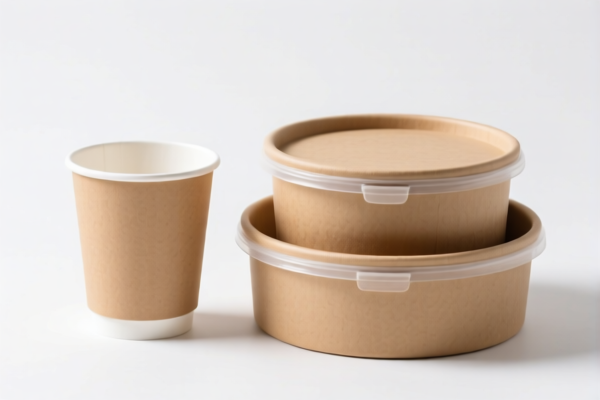
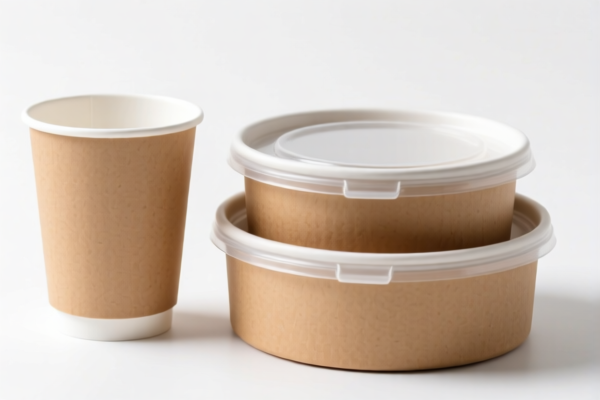
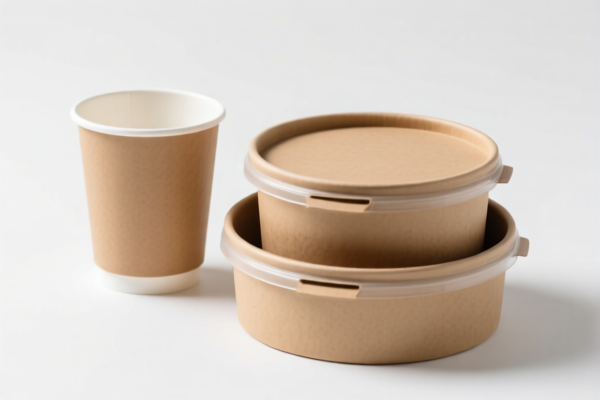
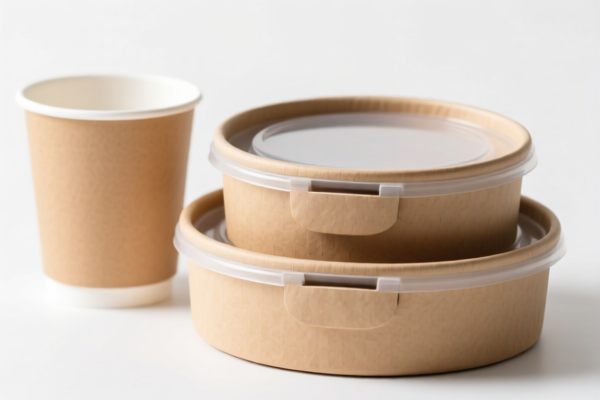
A Paper Seasoning Bowl is a single-use container designed for holding condiments, sauces, or small portions of food. In international trade, these items are strictly categorized based on their material composition. While they serve a similar functional purpose (holding liquids/pastes), Paper and Plastic varieties fall under completely different Harmonized System (HS) headings, leading to significantly different tax liabilities and regulatory requirements.
⚠️ Critical Distinction:
- Paper-based containers (including paper plates, cups, and molded fiber dishes) → Classified under Heading 4819.
- Plastic-based containers (including PET, PP, PS molded dishes) → Classified under Heading 3923.
- Mixing declarations (e.g., claiming a plastic bowl is "paper-like") leads to severe penalties, seizures, and back-taxes.
📦 II. HS Code Classification Details (2026 Latest Tariff Authority Comparison)
Based on the specific product variants provided in the data, here is the authoritative classification:
| HS Code | Product Description | Material Type | Key Characteristics |
|---|---|---|---|
4819.50.20.00 |
Paper Seasoning Bowl | Paper / Paperboard | Single-use, molded fiber or coated paper, fits the definition of "paper packaging containers." |
3923.30.00.90 |
Plastic Seasoning Bowl | Plastic (e.g., PP, PET) | Single-use, rigid or semi-rigid plastic container, suitable for cups/dishes. |
🔍 Key Reminder:
- "Paper Seasoning Bowl" must be declared as4819.50.20.00.
- "Plastic Seasoning Bowl" must be declared as3923.30.00.90.
- Do not use "Paper" descriptions for plastic items, or vice versa. The material composition is the primary determinant for HS Code selection.
💰 III. 2026 Latest Tariff Rate Breakdown (Including Surcharges & Policy Add-ons)
✅ Applicable Country: United States (US)
✅ Country of Origin: China (CN)
✅ Effective Date: 2025 November 10 onwards (including subsequent imports)
🎯 1. 4819.50.20.00 —— Paper Seasoning Bowl
| Item | Details |
|---|---|
| Base Duty Rate | 0.0% (Ad Valorem) |
| USITC Surcharge (Section 301) | +25.0% |
| 122 Section Tariff | +10.0% |
| Total Effective Tax Rate | 35.0% |
| Tax Calculation | CIF Value × 35% |
| De Minimis Eligibility | ❌ No (High tariff threshold excludes low-value exemption benefits in many contexts; strictly assessed) |
| Legal Basis Path | Base: 0% → Section 301: +25% → 122 Clause: +10% |
📌 Explanation:
- Although the Base Tariff is 0%, the product is subject to heavy geopolitical surcharges.
- The 25% is the standard Section 301 tariff on Chinese goods.
- The 10% is the specific "122 Clause" tariff targeting specific Chinese-origin packaging and container goods.
- Total 35% is a significant cost driver that must be factored into pricing strategies.
🎯 2. 3923.30.00.90 —— Plastic Seasoning Bowl
| Item | Details |
|---|---|
| Base Duty Rate | 3.0% (Ad Valorem) |
| USITC Surcharge (Section 301) | +25.0% |
| 122 Section Tariff | +10.0% |
| Total Effective Tax Rate | 38.0% |
| Tax Calculation | CIF Value × 38% |
| De Minimis Eligibility | ❌ No |
| Legal Basis Path | Base: 3.0% → Section 301: +25% → 122 Clause: +10% |
📌 Explanation:
- Plastic containers have a higher base duty (3%) compared to paper (0%).
- The same surcharges (25% + 10%) apply, making the Total Tax 38%.
- Difference: Plastic seasoning bowls are 3% more expensive in duties than paper ones, solely due to the base rate.
🛠️ IV. Customs Clearance Operational Advice (Practical Pitfall Avoidance Guide)
✅ 1. Required Documentation Checklist (Non-negotiable)
| Document | Required? | Notes |
|---|---|---|
| ✅ Product Specification Sheet | ✔️ | Must clearly state Material (Paper vs. Plastic) and Coating (if paper, is it PLA-lined? PE-lined?). |
| ✅ Commercial Invoice | ✔️ | Must explicitly describe the item as "Paper Seasoning Bowl" OR "Plastic Seasoning Bowl" matching the HS Code. |
| ✅ Packing List | ✔️ | Item count, gross weight, net weight. |
| ✅ Certificate of Origin (CO) | ✔️ | Essential for verifying Chinese origin to apply surcharges correctly. |
| ✅ Material Safety Data Sheet (MSDS) | ⚠️ Optional but Recommended | If the paper bowl has chemical coatings (e.g., fluorine-free grease proofing), this may be requested to prove no hazardous materials are present. |
| ✅ Product Photos | ✔️ | Clear images showing the bowl, any logos, and material texture. |
✅ 2. Declaration Tips (Key Mnemonic)
🔥 "Material First, HS Code Second, Name Must Match, Tax Rate Clear!"
| Scenario | Correct Declaration | Incorrect Declaration | Consequence |
|---|---|---|---|
| Paper Bowl | "Paper Seasoning Bowl, Single-use, 2oz, 4819.50.20.00" | "Plastic Cup" or vague "Food Container" | 35% Tax vs potential audit if mislabeled. |
| Plastic Bowl | "Plastic Seasoning Bowl, PP Material, 3923.30.00.90" | "Paper Bowl" | 38% Tax + Penalties for Misclassification. |
| Mixed Batch | Split shipments or separate line items | Mixed HS Codes on one line | Customs Hold, Delay, Potential Seizure. |
📌 Note:
- Even if a paper bowl has a thin plastic lining (for grease resistance), if the primary material and form are paper, it may still fall under 4819, but you MUST disclose the lining in specs.
- If it is a molded pulp (fiber) bowl, it is definitely 4819.
- If it is injection-molded plastic, it is definitely 3923.
✅ 3. Special Cases & Handling
| Scenario | Handling Advice |
|---|---|
| Biodegradable/Compostable Paper Bowls | Still classify under 4819.50.20.00 if primarily paper. Do not claim "Eco-friendly exemption" from tariffs; the 35% still applies. |
| Paper Bowl with Plastic Lining | If the plastic lining is >10% by weight, customs may challenge the classification. Provide proof that paper is the essential character. |
| Plastic Bowl with Recycled Content | No tariff reduction. Base rate remains 3%. |
| OEM Branded Bowls | Must declare the brand. If the brand is foreign, no issue. If Chinese brand, ensure no trademark infringement in the US. |
🌍 V. Global Main Market Customs Comparison (2026 Latest)
| Country/Region | Recommended HS Code | Base Duty | Section 301 / Surcharge | Total Effective Rate (China Origin) | Notes |
|---|---|---|---|---|---|
| 🇺🇸 USA | 4819.50.20.00 (Paper) |
0% | +35% (25%+10%) | 35.0% | High compliance risk. |
| 🇺🇸 USA | 3923.30.00.90 (Plastic) |
3% | +35% (25%+10%) | 38.0% | Highest duty among these options. |
| 🇪🇺 EU | 4819.50 / 3923.30 | 0-3% | 0% (No Section 301) | 0-3% | Favorable market for paper goods. |
| 🇨🇦 Canada | 4819.50 / 3923.30 | 0-5% | 0% (USMCA if qualified) | 0-5% | Check USMCA rules of origin. |
| 🇬🇧 UK | 4819.50 / 3923.30 | 0-5% | 0% | 0-5% | Post-Brexit tariffs apply. |
📌 Conclusion:
- The USA is the only major market imposing these specific heavy surcharges (25% + 10%) on these goods.
- Paper bowls (35%) are slightly cheaper in duties than Plastic bowls (38%).
- Consider diversifying supply chains (e.g., Vietnam, Mexico) if entering the US market to avoid high tariffs, provided rules of origin are met.
📌 VI. Common Errors & Pitfall Guide (Lessons Learned)
❌ Error 1: Declaring Plastic Bowls as "Paper-like" to avoid base duty.
👉 Result: Customs lab test proves plastic content → Back taxes + 20% penalty.
❌ Error 2: Ignoring the "122 Clause" tariff.
👉 Result: Under-declaration by 10% → Seizure of goods and liquidated damages.
❌ Error 3: Vague description "Food Container".
👉 Result: Customs assigns highest default rate or holds for inspection → Delays of 2-4 weeks.
❌ Error 4: Mixing Paper and Plastic items on one HS Code line.
👉 Result: Misclassification → Both items audited → Total shipment rejected.
✅ Correct Practice:
"Paper Seasoning Bowl, 2oz, Grease-proof coated, 100% Paper fiber, Model XYZ, HS 4819.50.20.00"
OR
"Plastic Seasoning Bowl, 2oz, Polypropylene, Clear, HS 3923.30.00.90"
🎯 VII. Conclusion: Precise Classification Saves Money!
🎯 Key Takeaways:
🔹 Paper = 35% Total Tax (0% Base + 25% + 10%)
🔹 Plastic = 38% Total Tax (3% Base + 25% + 10%)
🔹 Material matters more than shape.
🔹 Always disclose coatings/linings.
📌 Pro Tip:
If your product is 100% uncoated molded pulp (no plastic/PE lining), emphasize this in the specification. While the 35% tariff still applies, it reduces the risk of customs questioning the "paper" classification. For Plastic, ensure the plastic type (PP, PS, PET) is clearly stated.
📣 Immediate Action:
📞 Confirm Material with your supplier.
📋 Select Correct HS Code based on material (4819 for Paper, 3923 for Plastic).
📝 Prepare Detailed Specs to avoid customs ambiguity.
🚀 Calculate Landed Cost using 35% (Paper) or 38% (Plastic) to ensure profitability.
✨ Professional Clearance Starts with Accurate Classification!
💼 Every percentage point of duty impacts your margin!
用户评价
关于 HS 编码归类
协调制度(HS)是由世界海关组织(WCO)制定的国际贸易商品分类标准。全球 200 多个国家采用 HS 系统作为海关关税、贸易统计和进出口监管的基础。
每个 HS 编码遵循以下层级结构:
- 章(2 位)——商品大类(例如:第 84 章:机器和机械设备)
- 品目(4 位)——章内的更具体分类
- 子目(6 位)——国际通用细分,所有 WCO 成员国统一使用
- 本国细分(8-10 位)——各国自行扩展的细分编码,如美国 HTSUS 10 位编码
正确的 HS 编码归类对于顺利通关、准确缴纳关税和遵守贸易法规至关重要。错误归类可能导致海关延误、多缴关税或罚款。
从CN进口到US时,适用的关税税率可能包括:
- 最惠国(MFN)税率——适用于 WTO 成员国的标准关税税率
- 普通税率——适用于无贸易协定国家
- 贸易救济关税——附加关税,如 301 条款(反倾销)、232 条款(国家安全)或反补贴税
本页内容仅供参考。如需正式归类,请咨询当地海关或持牌报关代理。