Paper Seasoning Bowl
CN → US| HS Code | Tariff Rate | Origin | Destination | Doc |
|---|---|---|---|---|
| 4819502000 | 35.0% | CN | US | Official Doc |
| 3923300090 | 38.0% | CN | US | Official Doc |
| 4819502000 | 35.0% | CN | US | Official Doc |
| 3923300090 | 38.0% | CN | US | Official Doc |
| 4819502000 | 35.0% | CN | US | Official Doc |
Product Images
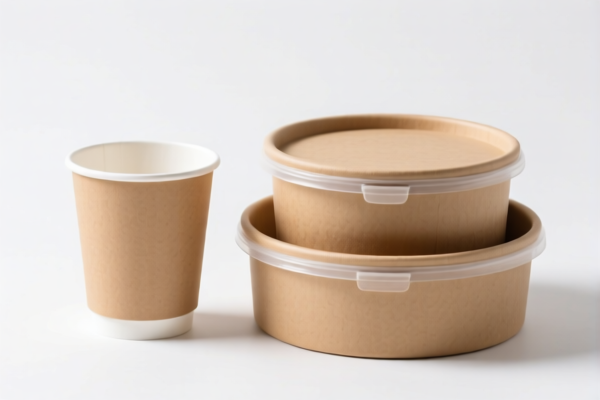
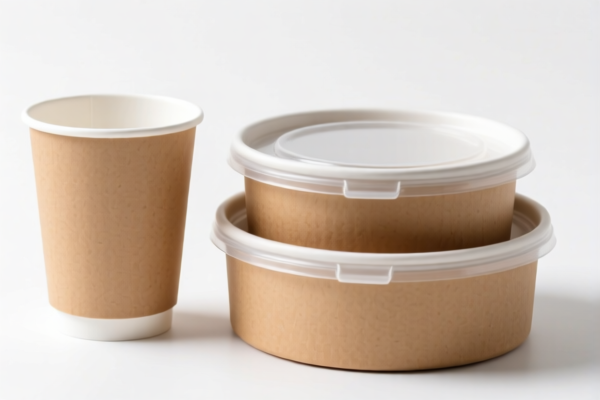
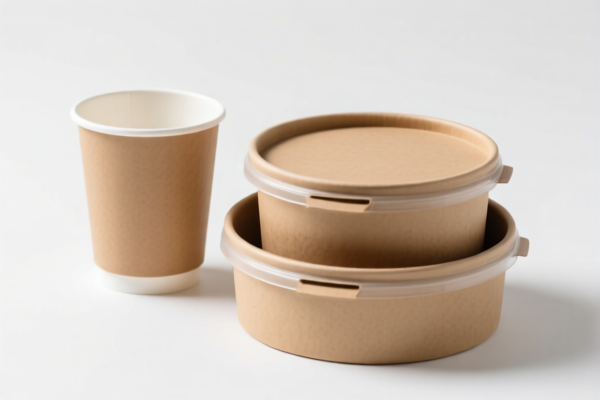
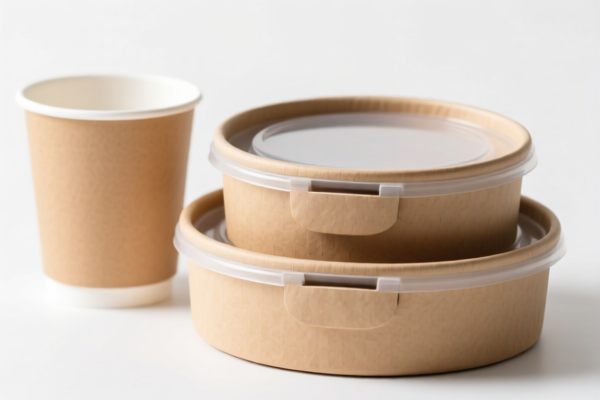
AI Analysis
🥗 Paper Seasoning Bowl (Paper Flavoring Dish)
🌐 HS Code Reference & Customs Clearance Guide | 2026 Latest Tariff Analysis | Professional Compliance Strategy
📌 I. Product Definition and Classification: Do You Really Understand "Paper Seasoning Bowls"?
A Paper Seasoning Bowl is a single-use container designed for holding condiments, sauces, or small portions of food. In international trade, these items are strictly categorized based on their material composition. While they serve a similar functional purpose (holding liquids/pastes), Paper and Plastic varieties fall under completely different Harmonized System (HS) headings, leading to significantly different tax liabilities and regulatory requirements.
⚠️ Critical Distinction:
- Paper-based containers (including paper plates, cups, and molded fiber dishes) → Classified under Heading 4819.
- Plastic-based containers (including PET, PP, PS molded dishes) → Classified under Heading 3923.
- Mixing declarations (e.g., claiming a plastic bowl is "paper-like") leads to severe penalties, seizures, and back-taxes.
📦 II. HS Code Classification Details (2026 Latest Tariff Authority Comparison)
Based on the specific product variants provided in the data, here is the authoritative classification:
| HS Code | Product Description | Material Type | Key Characteristics |
|---|---|---|---|
4819.50.20.00 |
Paper Seasoning Bowl | Paper / Paperboard | Single-use, molded fiber or coated paper, fits the definition of "paper packaging containers." |
3923.30.00.90 |
Plastic Seasoning Bowl | Plastic (e.g., PP, PET) | Single-use, rigid or semi-rigid plastic container, suitable for cups/dishes. |
🔍 Key Reminder:
- "Paper Seasoning Bowl" must be declared as4819.50.20.00.
- "Plastic Seasoning Bowl" must be declared as3923.30.00.90.
- Do not use "Paper" descriptions for plastic items, or vice versa. The material composition is the primary determinant for HS Code selection.
💰 III. 2026 Latest Tariff Rate Breakdown (Including Surcharges & Policy Add-ons)
✅ Applicable Country: United States (US)
✅ Country of Origin: China (CN)
✅ Effective Date: 2025 November 10 onwards (including subsequent imports)
🎯 1. 4819.50.20.00 —— Paper Seasoning Bowl
| Item | Details |
|---|---|
| Base Duty Rate | 0.0% (Ad Valorem) |
| USITC Surcharge (Section 301) | +25.0% |
| 122 Section Tariff | +10.0% |
| Total Effective Tax Rate | 35.0% |
| Tax Calculation | CIF Value × 35% |
| De Minimis Eligibility | ❌ No (High tariff threshold excludes low-value exemption benefits in many contexts; strictly assessed) |
| Legal Basis Path | Base: 0% → Section 301: +25% → 122 Clause: +10% |
📌 Explanation:
- Although the Base Tariff is 0%, the product is subject to heavy geopolitical surcharges.
- The 25% is the standard Section 301 tariff on Chinese goods.
- The 10% is the specific "122 Clause" tariff targeting specific Chinese-origin packaging and container goods.
- Total 35% is a significant cost driver that must be factored into pricing strategies.
🎯 2. 3923.30.00.90 —— Plastic Seasoning Bowl
| Item | Details |
|---|---|
| Base Duty Rate | 3.0% (Ad Valorem) |
| USITC Surcharge (Section 301) | +25.0% |
| 122 Section Tariff | +10.0% |
| Total Effective Tax Rate | 38.0% |
| Tax Calculation | CIF Value × 38% |
| De Minimis Eligibility | ❌ No |
| Legal Basis Path | Base: 3.0% → Section 301: +25% → 122 Clause: +10% |
📌 Explanation:
- Plastic containers have a higher base duty (3%) compared to paper (0%).
- The same surcharges (25% + 10%) apply, making the Total Tax 38%.
- Difference: Plastic seasoning bowls are 3% more expensive in duties than paper ones, solely due to the base rate.
🛠️ IV. Customs Clearance Operational Advice (Practical Pitfall Avoidance Guide)
✅ 1. Required Documentation Checklist (Non-negotiable)
| Document | Required? | Notes |
|---|---|---|
| ✅ Product Specification Sheet | ✔️ | Must clearly state Material (Paper vs. Plastic) and Coating (if paper, is it PLA-lined? PE-lined?). |
| ✅ Commercial Invoice | ✔️ | Must explicitly describe the item as "Paper Seasoning Bowl" OR "Plastic Seasoning Bowl" matching the HS Code. |
| ✅ Packing List | ✔️ | Item count, gross weight, net weight. |
| ✅ Certificate of Origin (CO) | ✔️ | Essential for verifying Chinese origin to apply surcharges correctly. |
| ✅ Material Safety Data Sheet (MSDS) | ⚠️ Optional but Recommended | If the paper bowl has chemical coatings (e.g., fluorine-free grease proofing), this may be requested to prove no hazardous materials are present. |
| ✅ Product Photos | ✔️ | Clear images showing the bowl, any logos, and material texture. |
✅ 2. Declaration Tips (Key Mnemonic)
🔥 "Material First, HS Code Second, Name Must Match, Tax Rate Clear!"
| Scenario | Correct Declaration | Incorrect Declaration | Consequence |
|---|---|---|---|
| Paper Bowl | "Paper Seasoning Bowl, Single-use, 2oz, 4819.50.20.00" | "Plastic Cup" or vague "Food Container" | 35% Tax vs potential audit if mislabeled. |
| Plastic Bowl | "Plastic Seasoning Bowl, PP Material, 3923.30.00.90" | "Paper Bowl" | 38% Tax + Penalties for Misclassification. |
| Mixed Batch | Split shipments or separate line items | Mixed HS Codes on one line | Customs Hold, Delay, Potential Seizure. |
📌 Note:
- Even if a paper bowl has a thin plastic lining (for grease resistance), if the primary material and form are paper, it may still fall under 4819, but you MUST disclose the lining in specs.
- If it is a molded pulp (fiber) bowl, it is definitely 4819.
- If it is injection-molded plastic, it is definitely 3923.
✅ 3. Special Cases & Handling
| Scenario | Handling Advice |
|---|---|
| Biodegradable/Compostable Paper Bowls | Still classify under 4819.50.20.00 if primarily paper. Do not claim "Eco-friendly exemption" from tariffs; the 35% still applies. |
| Paper Bowl with Plastic Lining | If the plastic lining is >10% by weight, customs may challenge the classification. Provide proof that paper is the essential character. |
| Plastic Bowl with Recycled Content | No tariff reduction. Base rate remains 3%. |
| OEM Branded Bowls | Must declare the brand. If the brand is foreign, no issue. If Chinese brand, ensure no trademark infringement in the US. |
🌍 V. Global Main Market Customs Comparison (2026 Latest)
| Country/Region | Recommended HS Code | Base Duty | Section 301 / Surcharge | Total Effective Rate (China Origin) | Notes |
|---|---|---|---|---|---|
| 🇺🇸 USA | 4819.50.20.00 (Paper) |
0% | +35% (25%+10%) | 35.0% | High compliance risk. |
| 🇺🇸 USA | 3923.30.00.90 (Plastic) |
3% | +35% (25%+10%) | 38.0% | Highest duty among these options. |
| 🇪🇺 EU | 4819.50 / 3923.30 | 0-3% | 0% (No Section 301) | 0-3% | Favorable market for paper goods. |
| 🇨🇦 Canada | 4819.50 / 3923.30 | 0-5% | 0% (USMCA if qualified) | 0-5% | Check USMCA rules of origin. |
| 🇬🇧 UK | 4819.50 / 3923.30 | 0-5% | 0% | 0-5% | Post-Brexit tariffs apply. |
📌 Conclusion:
- The USA is the only major market imposing these specific heavy surcharges (25% + 10%) on these goods.
- Paper bowls (35%) are slightly cheaper in duties than Plastic bowls (38%).
- Consider diversifying supply chains (e.g., Vietnam, Mexico) if entering the US market to avoid high tariffs, provided rules of origin are met.
📌 VI. Common Errors & Pitfall Guide (Lessons Learned)
❌ Error 1: Declaring Plastic Bowls as "Paper-like" to avoid base duty.
👉 Result: Customs lab test proves plastic content → Back taxes + 20% penalty.
❌ Error 2: Ignoring the "122 Clause" tariff.
👉 Result: Under-declaration by 10% → Seizure of goods and liquidated damages.
❌ Error 3: Vague description "Food Container".
👉 Result: Customs assigns highest default rate or holds for inspection → Delays of 2-4 weeks.
❌ Error 4: Mixing Paper and Plastic items on one HS Code line.
👉 Result: Misclassification → Both items audited → Total shipment rejected.
✅ Correct Practice:
"Paper Seasoning Bowl, 2oz, Grease-proof coated, 100% Paper fiber, Model XYZ, HS 4819.50.20.00"
OR
"Plastic Seasoning Bowl, 2oz, Polypropylene, Clear, HS 3923.30.00.90"
🎯 VII. Conclusion: Precise Classification Saves Money!
🎯 Key Takeaways:
🔹 Paper = 35% Total Tax (0% Base + 25% + 10%)
🔹 Plastic = 38% Total Tax (3% Base + 25% + 10%)
🔹 Material matters more than shape.
🔹 Always disclose coatings/linings.
📌 Pro Tip:
If your product is 100% uncoated molded pulp (no plastic/PE lining), emphasize this in the specification. While the 35% tariff still applies, it reduces the risk of customs questioning the "paper" classification. For Plastic, ensure the plastic type (PP, PS, PET) is clearly stated.
📣 Immediate Action:
📞 Confirm Material with your supplier.
📋 Select Correct HS Code based on material (4819 for Paper, 3923 for Plastic).
📝 Prepare Detailed Specs to avoid customs ambiguity.
🚀 Calculate Landed Cost using 35% (Paper) or 38% (Plastic) to ensure profitability.
✨ Professional Clearance Starts with Accurate Classification!
💼 Every percentage point of duty impacts your margin!
Customer Reviews
About HS Code Classification
The Harmonized System (HS) is an internationally standardized nomenclature developed by the World Customs Organization (WCO) to classify traded products. Over 200 countries use the HS system as the basis for customs tariffs, trade statistics, and import/export regulations.
Each HS code follows a hierarchical structure:
- Chapter (2 digits) — Broad category of goods (e.g., Chapter 84: Machinery and Mechanical Appliances)
- Heading (4 digits) — More specific grouping within the chapter
- Subheading (6 digits) — Internationally standardized breakdown, used by all WCO member countries
- National subdivisions (8-10 digits) — Country-specific extensions for further classification, such as US HTSUS 10-digit codes
Correct HS code classification is essential for smooth customs clearance, accurate duty payment, and compliance with trade regulations. Misclassification can lead to customs delays, overpayment of duties, or penalties.
When importing from CN to US, the applicable tariff rates may include:
- Most-Favored-Nation (MFN) rate — The standard duty rate applied to WTO members
- General rate — Applied to countries without trade agreements
- Trade remedy duties — Additional tariffs such as Section 301 (anti-dumping), Section 232 (national security), or countervailing duties
The information provided on this page is for reference purposes only. For official classification, please consult with your local customs authority or a licensed customs broker.