Paper Seasoning Dish
CN → US| HS编码 | 关税税率 | 原产国 | 目的国 | 文档 |
|---|---|---|---|---|
| 4823690040 | 35.0% | CN | US | 官方文档 |
| 4823610040 | 35.0% | CN | US | 官方文档 |
| 3924102000 | 24.0% | CN | US | 官方文档 |
| 3924104000 | 13.4% | CN | US | 官方文档 |
商品图片
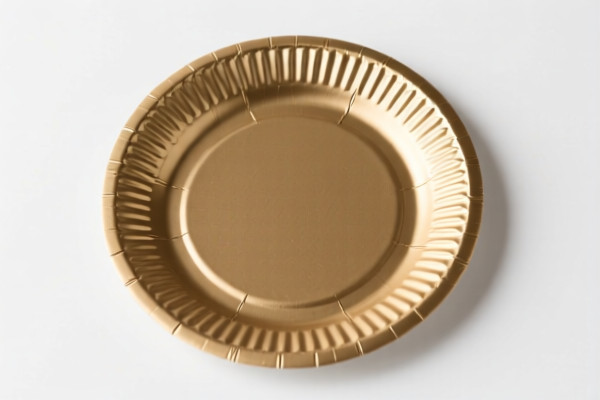
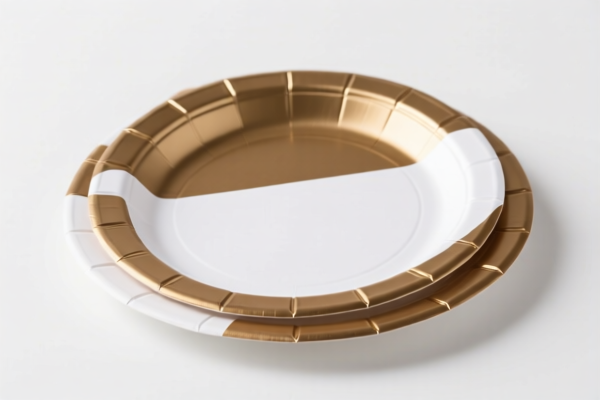
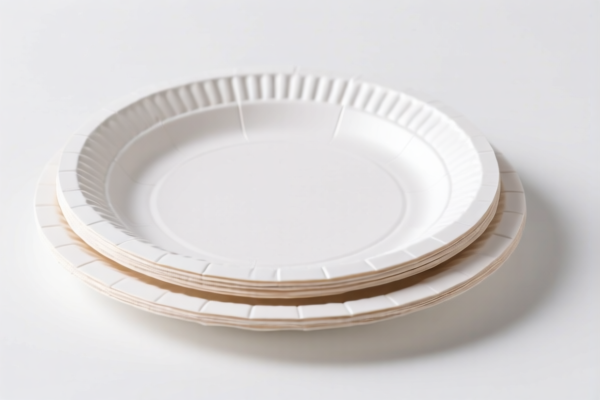
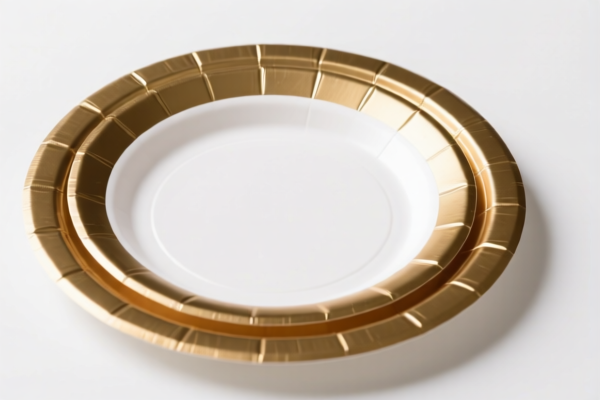
AI分析
🥄 Paper Seasoning Dish (纸制调味碟)
🌐 HS Code Reference & Customs Clearance Guide | 2026 Latest Tariff Analysis | Professional Clearance Strategy
📌 I. Product Definition & Classification: What Exactly is a "Paper Seasoning Dish"?
In international trade, the classification of a "Seasoning Dish" depends entirely on its material composition. Even if the function is identical (holding sauce/condiments), the HS Code and resulting tax liability change drastically based on whether the item is made of Paper or Plastic.
⚠️ Critical Distinction:
- If made of Paper/Cardboard → Classified under Chapter 48 (Paper Products).
- If made of Plastic → Classified under Chapter 39 (Plastics and Articles Thereof).Misclassification between these two is the most common error, leading to severe penalty risks or unexpected tax bills.
📦 II. HS Code Classification Details (2026 Latest Tariff Authority)
| HS Code | Product Description | Applicable Scenario | Material Inference |
|---|---|---|---|
4823.69.00.40 |
Paper seasoning dishes, made of paper, disc shape, used for seasoning | Disposable paper trays for sauces | ✅ Paper |
4823.61.00.40 |
Paper seasoning dishes, paper material, disc shape, fits classification for other paper/cardboard trays/dishes | Generic paper saucers | ✅ Paper |
3924.10.20.00 |
Seasoning dish, disc shape, inferred material Plastic, used for seasoning | Plastic sauce boats, deli containers | ✅ Plastic |
3924.10.40.00 |
Seasoning dish, use as cutlery/seasoning, disc shape, inferred material Plastic | Reusable or disposable plastic condiment holders | ✅ Plastic |
🔍 Key Reminder:
- Paper items (4823.69.00.40/4823.61.00.40) are generally categorized under "Other paper articles."
- Plastic items (3924.10.20.00/3924.10.40.00) fall under "Tableware, kitchenware, other household articles and hygienic or toilet articles, of plastics."
- Do not mix materials: A box containing both paper and plastic dishes must be declared separately or assigned the HS code based on the dominant value/quantity, but mixing them in one line item causes confusion.
💰 III. 2026 Latest Tariff Rate Detail (Including Surcharges & Policy Add-ons)
✅ Applicable Country: United States (US)
✅ Origin: China (CN)
✅ Effective Time: 2025/2026 (Current Trade War Policies)
🎯 1. Paper Seasoning Dishes (Chapter 48)
Both paper variants face identical and high tariffs due to Section 301 and IEEPA penalties.
| Item | Content |
|---|---|
| HS Codes | 4823.69.00.40 & 4823.61.00.40 |
| Base Tariff | 0.0% (Ad Valorem) |
| Section 301 Surcharge | +25.0% |
| Section 122 Tariff | +10.0% |
| Total Effective Rate | 35.0% |
| Tax Calculation | CIF Value × 35% |
| De Minimis Exemption | ❌ Not Applicable (High tariffs negate small package exemptions for China origin) |
| Legal Basis Path | USITC:4823.69.00.40 → FOOTNOTE:301 (25%) + IEEPA (10%) |
📌 Explanation:
- The 0% base rate is misleading. The 25% Section 301 tariff applies to most Chinese paper products.
- The additional 10% Section 122 tariff (if active under current executive orders) pushes the total to 35%.
- Cost Impact: For a $10,000 shipment, you pay $3,500 in duties alone.
🎯 2. Plastic Seasoning Dishes (Chapter 39)
Plastic dishes have divergent outcomes based on the specific sub-heading.
A. 3924.10.20.00 – Plastic Seasoning Dishes (Standard)
| Item | Content |
|---|---|
| Base Tariff | 6.5% |
| Section 301 Surcharge | +7.5% |
| Section 122 Tariff | +10.0% |
| Total Effective Rate | 24.0% |
| Tax Calculation | CIF Value × 24% |
| Legal Basis Path | USITC:3924.10.20.00 → 301 (7.5%) + IEEPA (10%) |
📌 Note: This rate is high but 11% lower than the paper equivalent.
B. 3924.10.40.00 – Plastic Seasoning Dishes (Optimized)
| Item | Content |
|---|---|
| Base Tariff | 3.4% |
| Section 301 Surcharge | 0.0% |
| Section 122 Tariff | +10.0% |
| Total Effective Rate | 13.4% |
| Tax Calculation | CIF Value × 13.4% |
| Legal Basis Path | USITC:3924.10.40.00 → IEEPA (10%) |
📌 Strategic Advantage:
- Total Rate: 13.4% (vs. 35% for paper).
- Section 301 Exemption: This specific sub-code (...40) often benefits from a 0% Section 301 surcharge, making it significantly cheaper than plastic dish...20and drastically cheaper than paper dishes.
🛠️ IV. Customs Clearance Practical Advice (Battle-Tested Pitfall Guide)
✅ 1. Material Verification is Mandatory
| Material | Risk | Mitigation |
|---|---|---|
| Paper | High Tax (35%) | Ensure no plastic lining is thick enough to change classification to plastic. If it has a thin PE coating, customs may still classify as Paper (4823) if the paper character is predominant. |
| Plastic | Misclassification Risk | Clearly declare "Plastic" in the commercial invoice. Do not use ambiguous terms like "Eco-friendly" or "Biodegradable" without specifying the polymer type (e.g., PLA vs. PET). |
✅ 2. Declaration Tips (Key Mantra)
🔥 “Material First, Function Second! Plastic 13.4%, Paper 35%!”
| Scenario | Correct Declaration | Wrong Practice |
|---|---|---|
| Paper Dish | "Paper Seasoning Dish, 100% Kraft Paper" | "Disposable Container" (Too vague) |
| Plastic Dish (Low Tax) | "Plastic Seasoning Dish, PP Material, HS 3924.10.40.00" | "Plastic Tableware" (May trigger ...20 @ 24%) |
| Mixed Order | Split into two line items | Combine into one "Assorted Containers" line |
✅ 3. Special Considerations
| Situation | Handling Advice |
|---|---|
| Coated Paper | If the paper is coated with wax or plastic film, ensure the coating does not exceed 50% of the surface area/value, or it may be reclassified as plastic (3924). |
| Bamboo/Wood | Not in our data, but typically classified under Chapter 44 or 46. Do not mix with Paper/Plastic in the same HS line. |
| Pre-filled with Sauce | If the dish contains sauce, it is no longer a "dish" but a "food product." Classification changes to Chapter 21. This drastically alters duties. Ensure goods are empty! |
🌍 V. Global Market Comparison (2026 Latest)
| Country/Region | Recommended HS Code (Plastic) | Tariff (China Origin) | Note |
|---|---|---|---|
| 🇺🇸 USA | 3924.10.40.00 |
13.4% | Best rate via Section 301 exemption. Avoid Paper (35%). |
| 🇺🇸 USA | 4823.69.00.40 |
35.0% | High penalty. |
| 🇨🇳 China | 3924.10.00.00 |
~6.5% | Lower entry tariff, but focus is on export. |
| 🇪🇺 EU | 3924.10 |
3.5% | No Section 301/122 style tariffs. |
📌 Conclusion:
- For US Importers, Plastic Dishes (HS 3924.10.40.00) are the most cost-effective option at 13.4%.
- Paper Dishes suffer from a 35% effective rate, making them uncompetitive unless the product value margin is very high.
📌 VI. Common Errors & Pitfalls Guide (Lessons from Blood & Tears)
❌ Error 1: Declaring "Plastic" dish as "Paper" to check if it passes, or vice versa.
👉 Consequence: Customs inspection reveals material difference → Seizure & Fine.
❌ Error 2: Using HS 3924.10.20.00 when 3924.10.40.00 is applicable.
👉 Consequence: You pay 24% instead of 13.4%. Overpayment of 10.6% on every shipment!
❌ Error 3: Ignoring Section 122 Tariff.
👉 Consequence: Even if Section 301 is 0%, the 10% Section 122 still applies to almost all Chinese goods. Do not assume "0% Surcharge" means "0% Tax."
✅ Correct Action:
"Plastic Seasoning Dish, Polypropylene, Empty, For Table Use, HS 3924.10.40.00"
🎯 VII. Conclusion: Professional Declaration, Save Money Instantly!
🎯 Remember the Mantra:
🔹 "Plastic 40 beats Paper 69!"
🔹 "13.4% vs 35%: A 21.6% difference is pure profit."
📌 Pro Tip:
If you are importing from China, prioritize HS 3924.10.40.00 for plastic items. It offers the lowest total duty (13.4%) among the options provided. For paper items, budget for the heavy 35% tax or consider sourcing from non-China origins if possible to avoid Section 301/122 tariffs.
📣 Immediate Action:
📞 Verify the exact material composition with your supplier.
🚀 Select HS 3924.10.40.00 for plastic to save 21.6% compared to paper.
💼 Precision classification is the key to maximizing your export margin!
✨ Professional Clearance Starts with Accurate Classification!
💼 Every percentage point saved is pure profit!
用户评价
关于 HS 编码归类
协调制度(HS)是由世界海关组织(WCO)制定的国际贸易商品分类标准。全球 200 多个国家采用 HS 系统作为海关关税、贸易统计和进出口监管的基础。
每个 HS 编码遵循以下层级结构:
- 章(2 位)——商品大类(例如:第 84 章:机器和机械设备)
- 品目(4 位)——章内的更具体分类
- 子目(6 位)——国际通用细分,所有 WCO 成员国统一使用
- 本国细分(8-10 位)——各国自行扩展的细分编码,如美国 HTSUS 10 位编码
正确的 HS 编码归类对于顺利通关、准确缴纳关税和遵守贸易法规至关重要。错误归类可能导致海关延误、多缴关税或罚款。
从CN进口到US时,适用的关税税率可能包括:
- 最惠国(MFN)税率——适用于 WTO 成员国的标准关税税率
- 普通税率——适用于无贸易协定国家
- 贸易救济关税——附加关税,如 301 条款(反倾销)、232 条款(国家安全)或反补贴税
本页内容仅供参考。如需正式归类,请咨询当地海关或持牌报关代理。