Paper Square Plate
CN → US| HS编码 | 关税税率 | 原产国 | 目的国 | 文档 |
|---|---|---|---|---|
| 4819502000 | 35.0% | CN | US | 官方文档 |
| 4819600000 | 35.0% | CN | US | 官方文档 |
| 4823690040 | 35.0% | CN | US | 官方文档 |
| 4823908000 | 35.0% | CN | US | 官方文档 |
商品图片
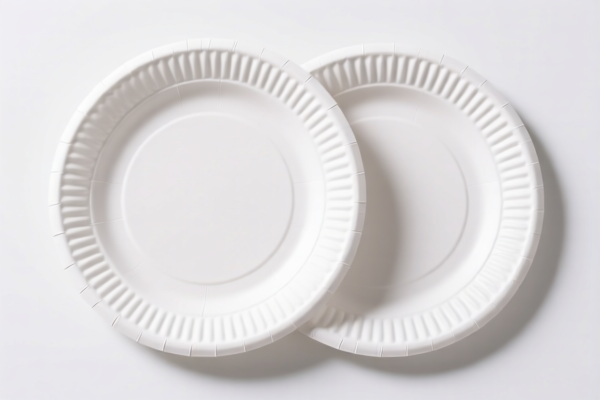
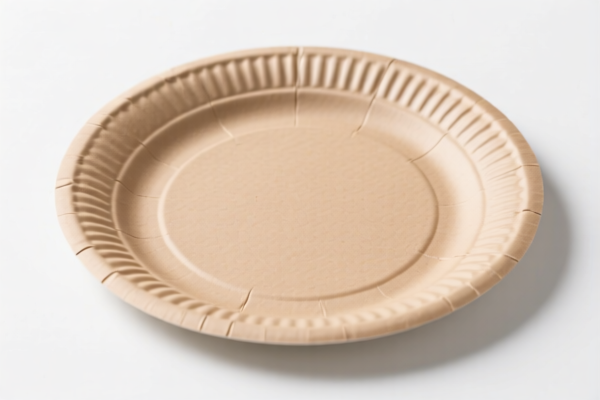
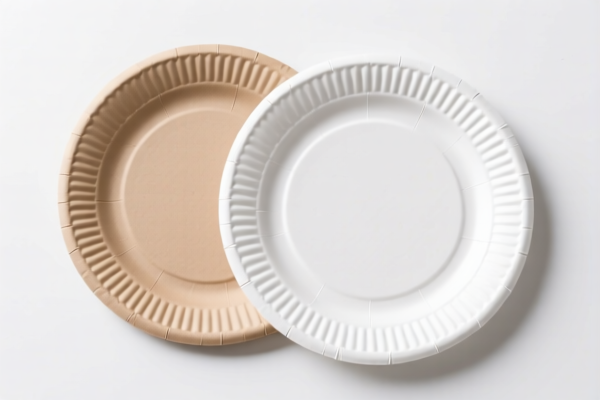
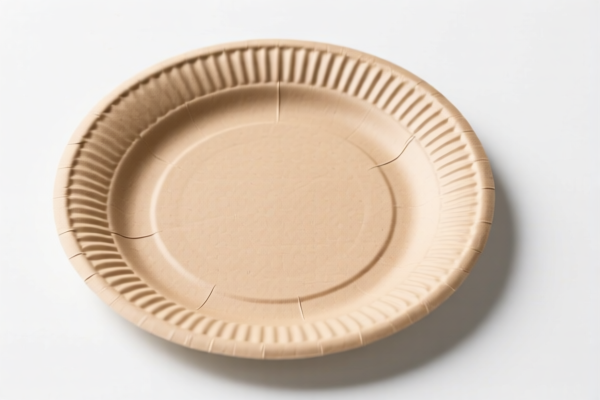
AI分析
🍽️ Paper Square Plate (Paper Tray/Plate)
HS Code Classification & US Import Duty Guide | 2026 Tax Analysis
🌐 HS Code Reference & Customs Clearance Guide | 2026 Latest Tariff Full Analysis | Professional Clearance Strategy
📌 1. Product Definition & Classification: What exactly is a "Paper Square Plate"?
"Paper Square Plate" generally refers to rigid or semi-rigid paper-based containers used for holding food or general storage. In international trade, these are not classified as a single HS code but depend heavily on the specific shape, intended use, and structural integrity.
The data provided indicates that these items are classified under Chapter 48 (Paper and Paperboard), specifically within subheadings for Trays, Containers, and Articles of Paper Pulp or Board.
⚠️ Key Distinction Point: - If used primarily for Food & Beverage service → Likely classified under 4819.50. - If used for Office/Store Storage or general utility → Likely classified under 4819.60 or 4823.69. - If it is a generic rectangular/tray shape not specifically for food service → Likely classified under 4823.90.
📦 2. HS Code Classification Details (2026 Latest Tariff Authoritative对照)
Based on the provided <DATA>, here are the four possible classifications for "Paper Square Plate" (often described as "Paper Rectangular Trays" in customs descriptions):
| HS Code | Product Description (from Data) | Applicable Scenario | Tax Rate Summary |
|---|---|---|---|
4819.50.20.00 |
Paper rectangular tray, material: paper, form: tray, use: holding food or beverages. | Food service, catering, disposable dinnerware. | 35.0% Total |
4819.60.00.00 |
Paper rectangular tray, form: rectangular tray, use: office or store storage, material: paper. | Office supplies, retail packaging, storage containers. | 35.0% Total |
4823.69.00.40 |
Paper rectangular tray, material: paper, form: rectangular tray, belongs to tray category. | General trays, generic paperboard containers. | 35.0% Total |
4823.90.80.00 |
Paper rectangular tray, material: paper, form: rectangular tray, belongs to other sizes/shapes. | Non-standard shapes, other paper articles. | 35.0% Total |
🔍 Critical Note: - Despite the user input "Square Plate," the data describes them as "Rectangular Trays." Customs often interprets "square" or "plate" based on the primary function and shape. - All listed HS Codes have the same total tax rate of 35.0%. - The classification difference lies in the specific intent (Food vs. Storage vs. Generic).
💰 3. 2026 Latest Tariff Rate Breakdown (Including Surcharge & Policy Surcharge)
✅ Applicable Country: United States (US)
✅ Origin: China (CN) (Implied by the specific tax details: "122 Clause" and "Additional Tariff 25%" which align with US-China trade tensions)
✅ Effective Time: 2025/2026 Period
🎯 1. General Tax Structure for All Listed HS Codes
| Item | Content |
|---|---|
| Base Tariff Rate | 0.0% (Ad Valorem) |
| Section 301 Surcharge | +25.0% (Additional Tariff) |
| Section 122 Surcharge | +10.0% (Section 122 Tariff) |
| Total Tariff Rate | 35.0% |
| Tax Calculation | CIF Value × 35% |
| De Minimis Exemption | ❌ Not Applicable (Usually Section 301 goods are excluded from Section 321/De Minimis relief if shipped as individual items, but strictly speaking, 301 goods are taxable regardless. For shipments under $800, 301 duties may still apply depending on current CBP enforcement, but the rate is what matters here.) |
| Legal Basis Path | USITC:4819/4823 → Section 301: Footnote 9903.88.01 → Section 122 |
📌 Explanation: - "Base Tariff 0.0%": Paper products often have low base duties. - "Additional Tariff 25%": This is the classic Section 301 tariff on Chinese goods. - "Section 122 Tariff 10%": This refers to Section 122 of the Trade Act of 1974, which allows the President to raise tariffs for national security reasons (often applied to specific goods during trade disputes). - Total 35% is a high barrier for paper imports from China.
🛠️ 4. Customs Clearance Practical Advice (Real-World Pitfall Avoidance Guide)
✅ 1. Preparation Checklist (Must-Have Documents)
| Document | Mandatory? | Notes |
|---|---|---|
| ✅ Product Specification Sheet | ✔️ | Must clearly state: Material (Paper), Shape (Square/Rectangular), Use (Food/Storage). |
| ✅ Commercial Invoice | ✔️ | Must clearly state "Paper Tray/Plate" and match the HS Code description. |
| ✅ Packing List | ✔️ | Detail quantity and weight. |
| ✅ Certification (if Food Contact) | ✔️ | If classified under 4819.50.20.00 (Food Use), FDA compliance or equivalent food-safe certification may be required by the FDA, not just Customs. |
| ✅ Country of Origin Certificate | ✔️ | To confirm China origin and trigger/avoid surcharges. |
✅ 2. Declaration Tips (Key Mantra)
🔥 "Clarify Use, Match Shape, Declare Correctly, Avoid Misclassification Penalties!"
| Scenario | Correct HS Code | Incorrect Practice | Consequence |
|---|---|---|---|
| Disposable Food Plates/Trays | 4819.50.20.00 |
Declaring as "Storage Containers" (4819.60) |
Risk of audit, though tax rate is same. Better to be accurate for FDA. |
| Office/Store Paper Trays | 4819.60.00.00 |
Declaring as "Food Trays" | Unlikely to trigger FDA, but incorrect description. |
| Generic Paper Rectangles | 4823.69.00.40 or 4823.90.80.00 |
Declaring as "Food Trays" | May face stricter scrutiny if no food certification. |
📌 Note on "Square" vs. "Rectangular": - Customs descriptions often use "Rectangular" broadly. If the item is perfectly square, it still falls under these codes if it's a tray/container. - Ensure the description in the invoice matches the HS Code's intent.
✅ 3. Special Case Handling
| Situation | Advice |
|---|---|
| Food Contact Material | If using 4819.50.20.00, ensure the paper is food-safe (no harmful inks/chemicals). CBP may collaborate with FDA for testing. |
| Composite Materials | If the plate has a plastic lining or coating, it might move to Chapter 39 (Plastics). However, data provided is for Paper. Ensure it's primarily paper. |
| De Minimis ($800) Loophole? | ⚠️ Caution: Section 301 goods (China origin) are generally subject to duties even under Section 321 (De Minimis). Do not rely on $800 exemption to avoid the 35% tax. |
🌍 5. Global Market Comparison (2026 Latest)
| Country/Region | Recommended HS Code | Tariff Rate | Certification | Notes |
|---|---|---|---|---|
| 🇺🇸 USA | 4819.50.20.00 (Food) |
35.0% | FDA (if food) | High due to 301 + 122. |
| 🇨🇳 China | 4819.50.20.00 |
Low (Export) | N/A | Export duty usually 0%. |
| 🇪🇺 EU | 4819.20 (Boxes) / 4823 |
0-6.5% | CE (if general) | No Section 301/122. Lower cost. |
| 🇬🇧 UK | 4819.20 |
0-6.5% | UKCA | Post-Brexit rules apply. |
| 🇦🇺 Australia | 4819.20 |
5% | GOST (if applicable) | Moderate duty. |
📌 Conclusion: - US Market is the most expensive for Chinese paper products due to the 35% combined tariff. - EU/UK/AU offer significantly lower tariff barriers. - If targeting the US, consider supply chain diversification (e.g., sourcing from Vietnam or Mexico) to avoid Section 301/122 surcharges, if feasible.
📌 6. Common Errors & Pitfall Guide (Lessons from Experience)
❌ Error 1: Declaring "Paper Plates" as "Plastic Plates" (3924.10) to avoid paper classification.
👉 Consequence: Severe penalty for misdeclaration. CBP can seize goods.
❌ Error 2: Using "Food Container" description for non-food items. 👉 Consequence: Unnecessary FDA scrutiny and delays.
❌ Error 3: Assuming De Minimis ($800) exemption applies to Section 301 goods. 👉 Consequence: Goods detained, duties assessed + penalties. Section 301 duties apply to Section 321 imports.
❌ Error 4: Ignoring the "122 Clause" in tax calculations. 👉 Consequence: Underestimating costs. The 10% surcharge is significant.
✅ Correct Approach:
"Paper Rectangular Tray, 100% Paper, Food Grade (if applicable), Model XYZ, Made in China"
🎯 7. Conclusion: Precise Classification, Cost Control, and Smooth Clearance
🎯 Key Takeaways:
🔹 All listed HS Codes for Paper Square/Rectangular Plates carry a 35% Total Duty in the US. 🔹 Breakdown: 0% Base + 25% Section 301 + 10% Section 122. 🔹 Classification depends on Use: Food (
4819.50) vs. Storage (4819.60) vs. Generic (4823). 🔹 De Minimis does NOT exempt Section 301 goods.
📌 Pro Tip:
If your product is exclusively for food service, ensure FDA compliance is documented alongside Customs paperwork. If you are importing large volumes, consider tariff engineering (e.g., changing material to non-paper if possible) or sourcing from non-China origins to mitigate the 35% burden.
📣 Immediate Action:
📞 Contact a licensed Customs Broker. 📝 Provide Product Photos and Material Composition. 📋 Apply for Pre-Release Review if available. 🚀 Avoid costly delays and penalties by getting it right the first time!
✨ Professional Clearance Starts with Accurate Classification! 💼 Your Every Dollar is Worth Calculating!
用户评价
关于 HS 编码归类
协调制度(HS)是由世界海关组织(WCO)制定的国际贸易商品分类标准。全球 200 多个国家采用 HS 系统作为海关关税、贸易统计和进出口监管的基础。
每个 HS 编码遵循以下层级结构:
- 章(2 位)——商品大类(例如:第 84 章:机器和机械设备)
- 品目(4 位)——章内的更具体分类
- 子目(6 位)——国际通用细分,所有 WCO 成员国统一使用
- 本国细分(8-10 位)——各国自行扩展的细分编码,如美国 HTSUS 10 位编码
正确的 HS 编码归类对于顺利通关、准确缴纳关税和遵守贸易法规至关重要。错误归类可能导致海关延误、多缴关税或罚款。
从CN进口到US时,适用的关税税率可能包括:
- 最惠国(MFN)税率——适用于 WTO 成员国的标准关税税率
- 普通税率——适用于无贸易协定国家
- 贸易救济关税——附加关税,如 301 条款(反倾销)、232 条款(国家安全)或反补贴税
本页内容仅供参考。如需正式归类,请咨询当地海关或持牌报关代理。