Paper and paperboard cut to size or shape
CN → US| HS编码 | 关税税率 | 原产国 | 目的国 | 文档 |
|---|---|---|---|---|
| 4823908000 | 35.0% | CN | US | 官方文档 |
| 4823901000 | 35.0% | CN | US | 官方文档 |
| 4819200020 | 35.0% | CN | US | 官方文档 |
| 4819200040 | 35.0% | CN | US | 官方文档 |
商品图片
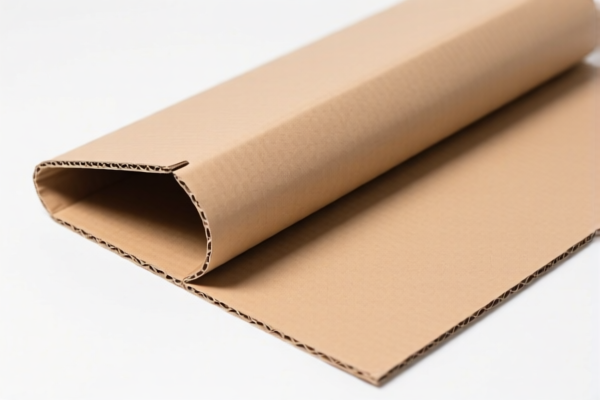
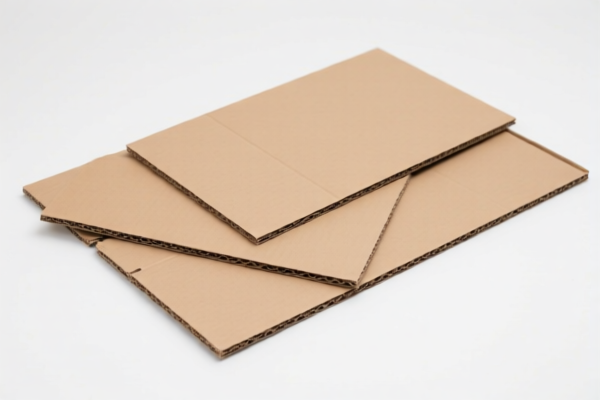
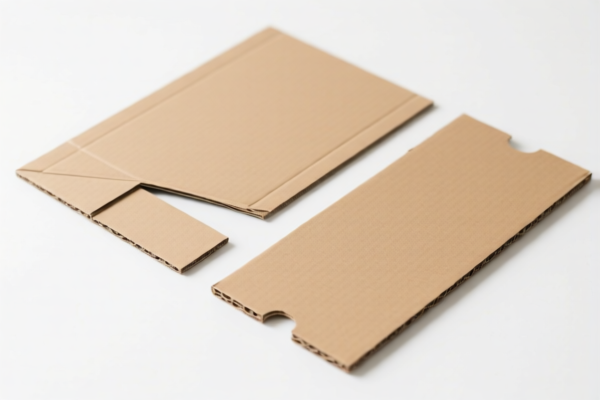
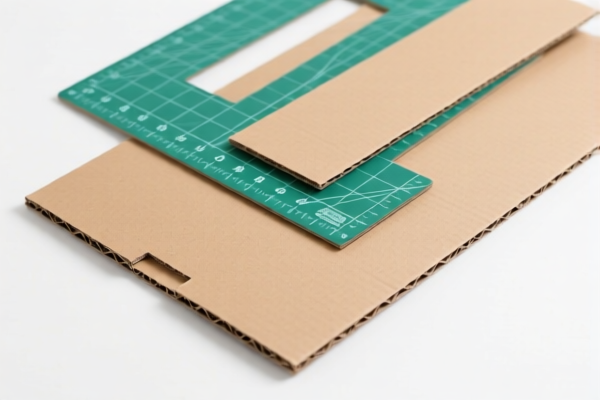
AI分析
📄 Paper & Paperboard Cut to Size or Shape (Packaging & Industrial)
🌐 HS Code Reference & Customs Clearance Guide | 2026 Latest Tariff Analysis | Professional Compliance Strategy
📌 1. Product Definition: What Exactly Is "Cut Paper"?
In international trade, "paper and paperboard cut to size or shape" is not a single unified category. It is classified based on end-use (packaging vs. industrial) and physical structure (corrugated vs. non-corrugated). Misclassification here leads to severe compliance risks due to current US-China trade policies.
⚠️ Key Distinction Point:
- Packaging Use: If used for boxes, folders, sacks, or protective packaging → Fall under Chapter 4819.
- Industrial/Other Use: If used for printing, drawing, or general industrial processing → Fall under Chapter 4823.
- Structure Matters: "Non-corrugated" packaging papers have specific subheadings different from standard boxes.
📦 2. HS Code Classification Details (2026 Tariff Schedule)
Based on the provided data, here are the four specific classifications:
| HS Code | Product Description | Application Scenario | Key Characteristics |
|---|---|---|---|
4823.90.80.00 |
Paper/paperboard cut to size/shape | Other Uses: Industrial paper base, printing paper, general processing | No specific packaging function; used as raw material or intermediate good. |
4823.90.10.00 |
Paper/paperboard cut to size/shape | Other Uses: Forms matching the code definition (e.g., specific industrial cards, labels not in chap. 49) | Consistent with code definition; generic cut paper/paperboard. |
4819.20.00.20 |
Paper/paperboard cut to size/shape | Packaging: Boxes, cartons, cases, cases properties | Rigid folding cartons, shipping boxes, protective casing. |
4819.20.00.40 |
Paper/paperboard cut to size/shape | Packaging: Non-corrugated paper packaging products | Sacks, bags, folders, other non-corrugated flexible or rigid packaging. |
🔍 Critical Reminder:
- Packaging (4819) vs. Industrial (4823): Do not mix these. A box used for shipping is4819. Paper used in a machine to wrap product is often4823unless it becomes part of the retail package.
- Corrugated vs. Non-Corrugated:4819.20covers non-corrugated packaging. Corrugated board has its own specific headings (e.g.,4819.10), which are not in this specific dataset but are common. Ensure your product is truly non-corrugated for4819.20.
💰 3. 2026 Latest Tariff Rate Breakdown (Including Additional Duties & Policy Surcharges)
✅ Applicable Country: United States (US)
✅ Country of Origin: China (CN)
✅ Effective Time: 2025+ (Current Active Rates)
All four HS codes listed below share the same total tariff structure under current Section 301 and IEEPA regulations.
🎯 Total Tax Rate: 35.0%
| Component | Rate | Legal Basis |
|---|---|---|
| Basic MFN Rate | 0.0% | Standard Most-Favored-Nation duty for most paper products. |
| Section 301 Additional Duty | +25.0% | USITC Footnote 9903.88.01 (Retaliatory tariffs on Chinese goods). |
| 122 Clause (IEEPA) Tariff | +10.0% | Executive Order 14117 (Section 122 of the Trade Expansion Act of 1962). |
| TOTAL EFFECTIVE RATE | 35.0% | Sum of 0% + 25% + 10% |
📌 Explanation of Components:
- Base Rate (0%): Paper products generally have low base duties to support domestic manufacturing and recycling.
- Section 301 (25%): This is the "China Tariff" imposed by the Trump administration and maintained by Biden. It applies broadly to Chinese imports, including paper.
- Section 122 (10%): A national security tariff imposed in early 2025 under IEEPA. It applies to all imports from China, regardless of other existing tariffs.
- De Minimis Exemption: ❌ NOT APPLICABLE. These goods do not qualify for the $800 de minimis exemption (Section 321) if they are subject to Section 301 or Section 122 tariffs, or if they violate intellectual property/anti-dumping rules. Full duty must be paid on shipments.
🛠️ 4. Customs Clearance Operational Advice (Practical Pitfall Guide)
✅ 1. Preparation Checklist (Mandatory Documents)
| Document | Required? | Notes |
|---|---|---|
| Commercial Invoice | ✔️ | Must clearly state "Paper/Paperboard Cut to Size/Shape" and specify End Use (Packaging vs. Industrial). |
| Product Photographs | ✔️ | Show the cut shape, edges, and any printing/logos. Crucial for proving it is cut and not just rolled. |
| Material Composition | ✔️ | Specify paper weight (GSM), type (kraft, liner, tissue), and whether it is corrugated or non-corrugated. |
| Certificate of Origin | ✔️ | Essential for verifying Country of Origin (China) to apply correct Section 301/122 rates. |
| Packing List | ✔️ | Detail net/gross weight, number of units, and dimensions. |
✅ 2. Declaration Tips (Key Rules)
🔥 Rule of Thumb:
"Define End-Use Precisely! Packaging = 4819, Industrial = 4823. Wrong Code = Audit Risk."
| Scenario | Correct HS Code | Risk of Wrong Code |
|---|---|---|
| Shipping Cartons (Boxes) | 4819.20.00.20 |
Declaring as 4823 may trigger customs inquiry on "packaging function." |
| Non-Corrugated Paper Bags/Folders | 4819.20.00.40 |
Declaring as 4823 might be accepted if not clearly packaging, but risky. |
| Industrial Die-Cut Paper (Gaskets, Masks) | 4823.90.80.00 |
Declaring as packaging is wrong; customs may downgrade or penalize. |
| Cut Paper Sheets for Printing | 4823.90.10.00 |
Generic code; ensure it doesn't look like a finished product (e.g., booklets) which might fall under Chap. 49. |
✅ 3. Special Cases & Mitigation
| Situation | Recommendation |
|---|---|
| Mixed Shipments | If a shipment contains both packaging (4819) and industrial paper (4823), declare separately. Do not consolidate under one HS code. |
| White-Spotted vs. Printed | Printing does not automatically change HS code from 4823/4819 to Chapter 49 (books/newspapers) unless it constitutes a publication. Simple commercial printing usually stays in 4819/4823. |
| Section 122 Impact | Since Section 122 (10%) applies universally to Chinese imports, no exclusion is possible. Budget for this extra 10% cost regardless of Section 301 exclusions. |
| De Minimis (Section 321) | ❌ Avoid Small Parcel Shipments for commercial goods. CBP is cracking down on paper products shipped via e-commerce platforms to avoid duties. Expect higher inspection rates. |
🌍 5. Global Market Comparison (2026)
| Region | Recommended HS Code | Tariff Rate (China Origin) | Notes |
|---|---|---|---|
| 🇺🇸 USA | 4819.20.00.20 / 4823.90.80.00 etc. |
35% (0% Base + 25% Sec 301 + 10% Sec 122) | High barrier. Cost-plus pricing essential. |
| 🇨🇳 China | Same | Varies (0-10%) | Import duty may be low, but VAT (13%) applies. |
| 🇪🇺 EU | 4819/4823 | ~5-6% (Most Favored Nation) | No Section 301/122 equivalent. Carbon Border Adjustment Mechanism (CBAM) may eventually apply if energy-intensive. |
| 🇲🇽 Mexico | Same | 0-5% | USMCA benefits may not apply to paper products, but lower tariffs than US. |
📌 Conclusion:
- The USA is the most expensive market for Chinese paper products due to the叠加 (stacking) of Section 301 and Section 122 tariffs.
- Margin Compression: With a 35% tariff, exporters must adjust FOB prices or absorb costs.
- Compliance is Key: Incorrect classification (e.g., trying to classify packaging as industrial paper to avoid stricter scrutiny) can lead to fines.
📌 6. Common Mistakes & Pitfalls (Lessons Learned)
❌ Mistake 1: Assuming "Paper" means "Exempt from Section 301."
👉 Fact: Paper products are explicitly listed in Section 301 tariff schedules. They are not exempt.
❌ Mistake 2: Using "De Minimis" for bulk shipments.
👉 Fact: CBP is increasing enforcement on Section 321 shipments for high-risk items. Paper products, especially from China, are under scrutiny.
❌ Mistake 3: Confusing 4819.20 (Packaging) with 4819.10 (Corrugated).
👉 Fact: If your product is corrugated fiberboard, it may belong to 4819.10, which has different tariff rates. Ensure your HS code matches the physical structure.
❌ Mistake 4: Ignoring the Section 122 (10%) tariff.
👉 Fact: Many brokers forget this newer 10% duty. It applies on top of the 25% Section 301 duty. Total is 35%, not 25%.
✅ Correct Declaration Example:
"Paperboard, non-corrugated, cut to size, for use as folding cartons (packaging), Origin: China, HS: 4819.20.00.20"
🎯 7. Conclusion: Professional Declaration, Cost Control, Risk Mitigation
🎯 Key Takeaways:
🔹 "Total Tariff is 35%: 0% Base + 25% Sec 301 + 10% Sec 122."
🔹 "Packaging (4819) vs. Industrial (4823): Define End-Use Clearly."
🔹 "No De Minimis Exemption for Commercial Paper Shipments from China."
📌 Pro Tip:
- For large volume imports, consider HTSUS Exclusions (if any remain for specific paper grades) or apply for Advance Rulings.
- Explore transshipment or assembly in third countries (e.g., Vietnam, Mexico) only if substantial transformation occurs, to mitigate Section 301/122 tariffs. However, be wary of CBP's anti-circumvention laws.
📣 Immediate Action:
📞 Consult a Customs Broker: Verify if your specific paper product has any exclusions.
📊 Calculate Landed Cost: Include the full 35% tariff in your pricing model.
📝 Document End-Use: Clearly state in invoices and packing lists whether the paper is for "Packaging" or "Industrial Use."
✨ Precision in Classification Saves Money!
💼 Your Profit Margin Depends on Accurate Tariff Application!
用户评价
关于 HS 编码归类
协调制度(HS)是由世界海关组织(WCO)制定的国际贸易商品分类标准。全球 200 多个国家采用 HS 系统作为海关关税、贸易统计和进出口监管的基础。
每个 HS 编码遵循以下层级结构:
- 章(2 位)——商品大类(例如:第 84 章:机器和机械设备)
- 品目(4 位)——章内的更具体分类
- 子目(6 位)——国际通用细分,所有 WCO 成员国统一使用
- 本国细分(8-10 位)——各国自行扩展的细分编码,如美国 HTSUS 10 位编码
正确的 HS 编码归类对于顺利通关、准确缴纳关税和遵守贸易法规至关重要。错误归类可能导致海关延误、多缴关税或罚款。
从CN进口到US时,适用的关税税率可能包括:
- 最惠国(MFN)税率——适用于 WTO 成员国的标准关税税率
- 普通税率——适用于无贸易协定国家
- 贸易救济关税——附加关税,如 301 条款(反倾销)、232 条款(国家安全)或反补贴税
本页内容仅供参考。如需正式归类,请咨询当地海关或持牌报关代理。