Parts for Scales and Balances
CN → US| HS编码 | 关税税率 | 原产国 | 目的国 | 文档 |
|---|---|---|---|---|
| 8423909000 | 37.8% | CN | US | 官方文档 |
| 9031909195 | 85.0% | CN | US | 官方文档 |
| 9031905900 | 35.0% | CN | US | 官方文档 |
| 8423901000 | 35.0% | CN | US | 官方文档 |
| 9015900190 | 35.0% | CN | US | 官方文档 |
商品图片
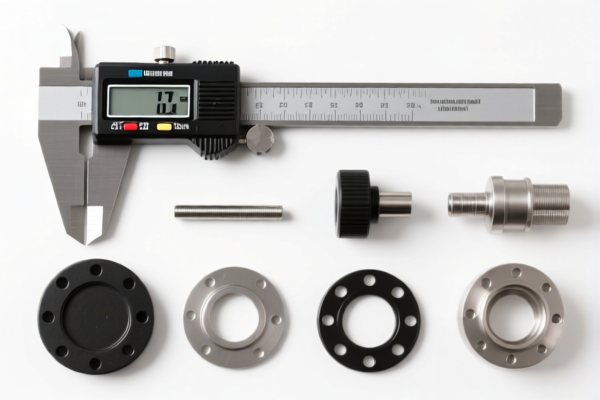
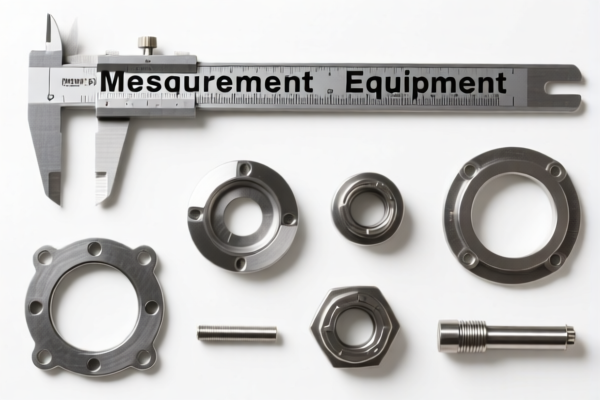
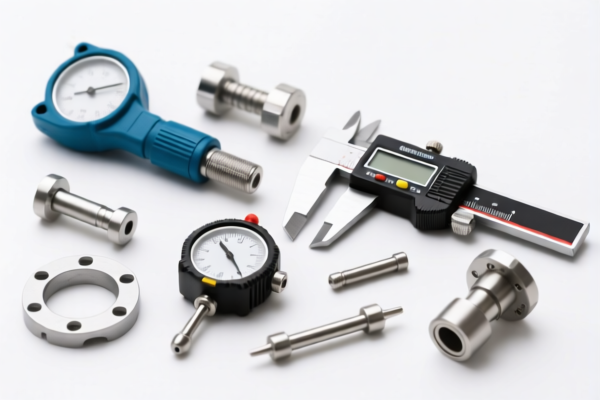
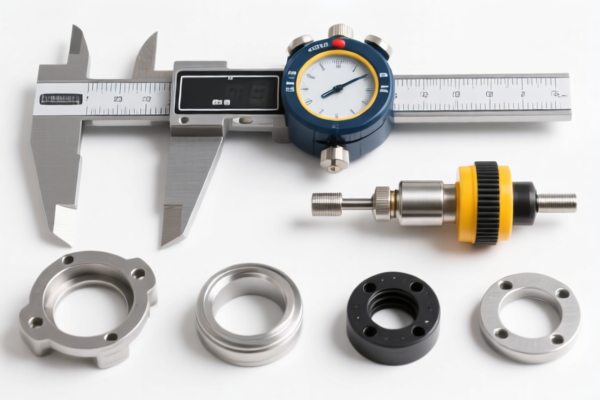
AI分析
⚖️ Parts for Scales and Balances (秤和天平的零件)
🌐 HS Code Classification & Customs Clearance Guide | 2026 Latest Tariff Analysis | Professional Strategy
📌 I. Product Definition: What are "Parts for Scales and Balances"?
In international trade, "Parts for Scales and Balances" are not a single unified category. The correct HS Code depends heavily on the specific function of the part: 1. Mechanical/Commercial Scales Parts: Weighing mechanisms, load cells, and housings for standard scales → Chapter 84. 2. Precision/Industrial Measuring Instruments Parts: Components for analytical balances, laboratory scales, or specialized inspection devices → Chapter 90.
⚠️ Critical Distinction:
- If the part is generic for general weighing (e.g., commercial platform scales) → Look at HS 8423.
- If the part is for precision measurement/inspection (e.g., analytical balances, lab equipment) → Look at HS 9031 or HS 9015.
- Material Conflicts: Some codes impose higher tariffs on Steel, Aluminum, or Copper components (see Tax Details below).
📦 II. HS Code Classification Matrix (2026 Data Reference)
Based on the provided data, here are the valid classifications for "Parts for Scales and Balances":
| HS Code | Summary Description | Key Logic | Tax Rate Range |
|---|---|---|---|
8423.90.90.00 |
Parts of weighing machinery | Matches general weighing equipment parts. No material conflict. | 37.8% |
9031.90.91.95 |
Parts of measuring/inspecting instruments | Belongs to measurement instruments category. ⚠️ High Risk: Steel/Aluminum/Copper parts attract +50% tariff. | Up to 85.0% |
9031.90.59.00 |
Parts of measuring/inspecting instruments | Fits definition of parts/accessories for measuring instruments. No material conflict. | 35.0% |
8423.90.10.00 |
Parts of weighing machinery | Highly matches "weighing machinery parts" definition. | 35.0% |
9015.90.01.90 |
Other measuring instrument parts | Fallback category for measuring instruments. No material conflict. | 35.0% |
🔍 Key Insight:
- HS 8423 is generally for commercial/industrial weighing machines.
- HS 9031/9015 is for precision scientific or inspection instruments.
- Misclassification Risk: Declaring a precision balance part under8423might be rejected; declaring a commercial scale part under9031might trigger higher scrutiny or incorrect tariff bases.
💰 III. 2026 Tariff Breakdown (Detailed Tax Analysis)
✅ Applicable Country: United States (US)
✅ Origin: China (CN)
✅ Effective Date: 2025 onwards
🎯 1. 8423.90.90.00 — Parts of Weighing Machinery (General)
| Item | Detail |
|---|---|
| Base Tariff | 2.8% |
| Section 301 Surcharge | 25.0% |
| IEEPA Surcharge (Section 122) | 10.0% |
| Total Effective Rate | 37.8% |
| Material Surcharge | None specified |
📌 Explanation:
This is the standard classification for general scale parts. The 37.8% rate is composed of the base rate (2.8%) plus the 25% Section 301 duty and 10% IEEPA duty. No additional penalties for material composition.
🎯 2. 9031.90.91.95 — Parts of Measuring Instruments (Precision/Lab)
| Item | Detail |
|---|---|
| Base Tariff | 0.0% |
| Section 301 Surcharge | 25.0% |
| IEEPA Surcharge (Section 122) | 10.0% |
| Steel/Aluminum/Copper Surcharge | +50.0% (Conditional) |
| Total Effective Rate | 35.0% (Standard) to 85.0% (Metal Parts) |
| Material Surcharge | Yes: If made of Steel, Aluminum, or Copper, an additional 50% is applied. |
📌 Critical Warning:
- If your part is made of Steel, Aluminum, or Copper, the total tax jumps to 85.0% (0% + 25% + 10% + 50%).
- This is the highest risk classification in the provided data.
- Example: A load cell made of aluminum alloy would fall into this 85% bracket if classified under9031.90.91.95.
🎯 3. 9031.90.59.00 — Parts of Measuring Instruments (Alternative Precision)
| Item | Detail |
|---|---|
| Base Tariff | 0.0% |
| Section 301 Surcharge | 25.0% |
| IEEPA Surcharge (Section 122) | 10.0% |
| Total Effective Rate | 35.0% |
| Material Surcharge | None specified |
📌 Explanation:
Similar to9031.90.91.95but avoids the 50% material surcharge. This may be used for parts made of non-ferrous, non-aluminum materials (e.g., plastic, glass, ceramic) or where the material surcharge is not applicable.
🎯 4. 8423.90.10.00 — Parts of Weighing Machinery (Specific)
| Item | Detail |
|---|---|
| Base Tariff | 0.0% |
| Section 301 Surcharge | 25.0% |
| IEEPA Surcharge (Section 122) | 10.0% |
| Total Effective Rate | 35.0% |
| Material Surcharge | None specified |
📌 Explanation:
A competitive rate for scale parts. Matches the "weighing machinery" definition. Ideal for commercial scale components that do not fall under the high-risk precision instrument category.
🎯 5. 9015.90.01.90 — Other Measuring Instruments Parts (Fallback)
| Item | Detail |
|---|---|
| Base Tariff | 0.0% |
| Section 301 Surcharge | 25.0% |
| IEEPA Surcharge (Section 122) | 10.0% |
| Total Effective Rate | 35.0% |
| Material Surcharge | None specified |
📌 Explanation:
A "catch-all" for measuring instruments. Use only if the part does not fit9031or8423specifically. Same 35% rate as above.
🛠️ IV. Customs Clearance Practical Advice (Pitfall Avoidance)
✅ 1. Documentation Checklist (Non-Negotiable)
| Document | Required | Purpose |
|---|---|---|
| ✅ Product Specification Sheet | ✔️ | Must specify: Is it for commercial weighing (8423) or precision measurement (9031/9015)? |
| ✅ Material Composition Certificate | ✔️ | Critical for HS 9031.90.91.95. Must prove if parts are Steel/Aluminum/Copper to avoid 85% tax. |
| ✅ Technical Diagrams | ✔️ | Show if the part is integral to a precision instrument or a general scale. |
| ✅ Commercial Invoice | ✔️ | Description must be precise (e.g., "Load Cell for Analytical Balance" vs. "Weighing Scale Part"). |
| ✅ Packing List | ✔️ | Ensure parts are not separated from main equipment if intended as a kit. |
✅ 2. Strategic Classification Tips
🔥 Rule of Thumb:
"Precision Instruments = 9031/9015; General Scales = 8423; Metal Parts = Watch Out!"
| Scenario | Recommended HS Code | Tax Rate | Risk Level |
|---|---|---|---|
| Plastic/Non-Metal Parts for Precision Scales | 9031.90.59.00 |
35.0% | 🟢 Low |
| General Scale Parts (Load Cells, Housings) | 8423.90.10.00 |
35.0% | 🟢 Low |
| Steel/Aluminum/Copper Parts for Precision Scales | 9031.90.91.95 |
85.0% | 🔴 HIGH |
| General Scale Parts (Generic) | 8423.90.90.00 |
37.8% | 🟡 Medium |
💡 Cost-Saving Strategy:
- If your precision scale parts are made of plastic, ceramic, or glass, try to classify under9031.90.59.00(35%) instead of9031.90.91.95(85%) to save 50%.
- If your parts are for commercial scales, prefer8423.90.10.00(35%) over8423.90.90.00(37.8%) if the technical specs allow.
✅ 3. Common Mistakes to Avoid
❌ Mistake 1: Declaring all scale parts under one HS Code.
👉 Consequence: If you declare a steel precision balance part as 8423.90.90.00, customs may reclassify it to 9031.90.91.95 and charge 85% + penalties.
❌ Mistake 2: Ignoring material composition for 9031.90.91.95.
👉 Consequence: Failure to declare Steel/Aluminum/Copper content leads to underpayment. Expect back taxes + interest.
❌ Mistake 3: Confusing "Parts" with "Whole Scales".
👉 Consequence: Whole scales may have different duty rates. Parts are often taxed differently. Always declare as "Parts".
🌍 V. Global Market Comparison (2026)
| Region | Recommended HS Code | Est. Tariff (China Origin) | Notes |
|---|---|---|---|
| 🇺🇸 USA | 8423.90.10.00 / 9031.90.59.00 |
35.0% - 37.8% | Avoid 9031.90.91.95 for metal parts due to 85% rate. |
| 🇨🇳 China | Same HS Codes | Varies (Low/0%) | Domestic consumption has lower tariffs. |
| 🇪🇺 EU | Varies (Often 0-2.5%) | Low | No Section 301/IEEPA surcharges. |
| 🇦🇺 Australia | Varies | Low | No major surcharges for these parts. |
📌 Conclusion:
The US market is the most challenging due to Section 301 and IEEPA surcharges.
- China-origin scale parts face 35-85% tariffs in the US.
- Material composition is the key lever for cost optimization in the9031category.
📌 VI. Final Recommendations for Shippers
- Audit Material Composition: Before shipping to the US, check if any parts are Steel, Aluminum, or Copper. If yes, avoid
9031.90.91.95if possible. - Clarify Function: Determine if the scale is for commercial weighing (8423) or scientific measurement (9031/9015). This dictates the base classification.
- Apply for Advance Ruling: For high-value shipments, request a US CBP Advance Ruling to secure the correct HS Code and avoid 85% surprises.
- Consider Transshipment: If tariffs are prohibitive (85%), evaluate supply chain shifts to countries exempt from Section 301/IEEPA (e.g., Vietnam, Mexico, Thailand) — if feasible.
🎯 Pro Tip:
"For precision scales, choose plastic/glass parts to hit 35%. For general scales, use 8423.90.10.00 for 35%. Avoid metal in 9031.90.91.95 like the plague!"
✨ Precision in Classification, Savings in Taxation!
💼 Consult a customs broker to verify your specific part's material and function.
用户评价
关于 HS 编码归类
协调制度(HS)是由世界海关组织(WCO)制定的国际贸易商品分类标准。全球 200 多个国家采用 HS 系统作为海关关税、贸易统计和进出口监管的基础。
每个 HS 编码遵循以下层级结构:
- 章(2 位)——商品大类(例如:第 84 章:机器和机械设备)
- 品目(4 位)——章内的更具体分类
- 子目(6 位)——国际通用细分,所有 WCO 成员国统一使用
- 本国细分(8-10 位)——各国自行扩展的细分编码,如美国 HTSUS 10 位编码
正确的 HS 编码归类对于顺利通关、准确缴纳关税和遵守贸易法规至关重要。错误归类可能导致海关延误、多缴关税或罚款。
从CN进口到US时,适用的关税税率可能包括:
- 最惠国(MFN)税率——适用于 WTO 成员国的标准关税税率
- 普通税率——适用于无贸易协定国家
- 贸易救济关税——附加关税,如 301 条款(反倾销)、232 条款(国家安全)或反补贴税
本页内容仅供参考。如需正式归类,请咨询当地海关或持牌报关代理。