Parts for Scales and Balances
CN → US| HS Code | Tariff Rate | Origin | Destination | Doc |
|---|---|---|---|---|
| 8423909000 | 37.8% | CN | US | Official Doc |
| 9031909195 | 85.0% | CN | US | Official Doc |
| 9031905900 | 35.0% | CN | US | Official Doc |
| 8423901000 | 35.0% | CN | US | Official Doc |
| 9015900190 | 35.0% | CN | US | Official Doc |
Product Images
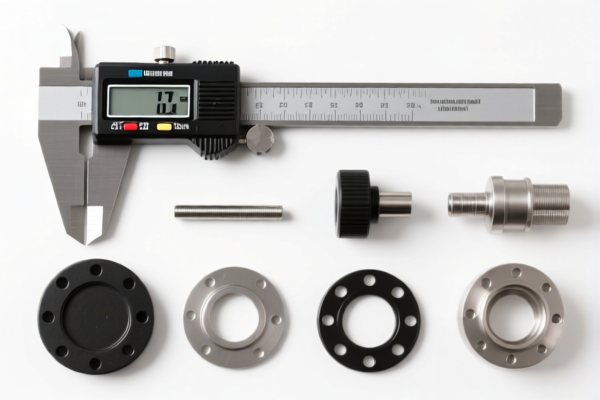
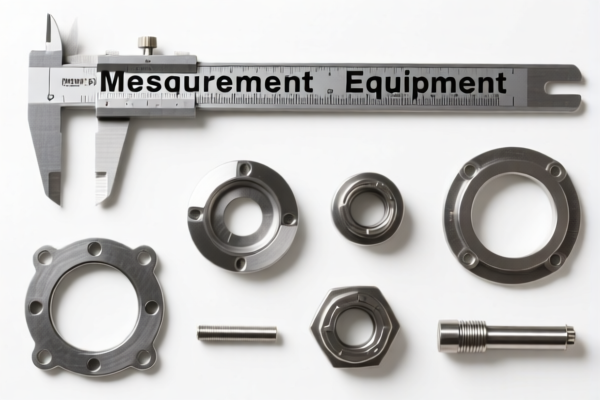
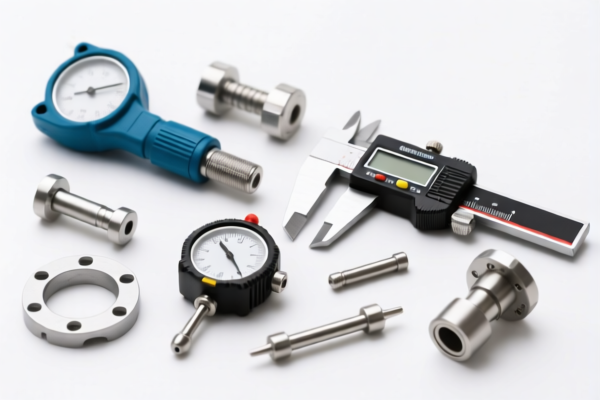
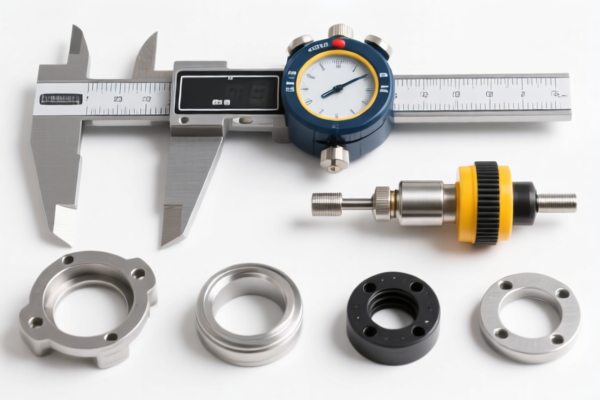
AI Analysis
⚖️ Parts for Scales and Balances (秤和天平的零件)
🌐 HS Code Classification & Customs Clearance Guide | 2026 Latest Tariff Analysis | Professional Strategy
📌 I. Product Definition: What are "Parts for Scales and Balances"?
In international trade, "Parts for Scales and Balances" are not a single unified category. The correct HS Code depends heavily on the specific function of the part: 1. Mechanical/Commercial Scales Parts: Weighing mechanisms, load cells, and housings for standard scales → Chapter 84. 2. Precision/Industrial Measuring Instruments Parts: Components for analytical balances, laboratory scales, or specialized inspection devices → Chapter 90.
⚠️ Critical Distinction:
- If the part is generic for general weighing (e.g., commercial platform scales) → Look at HS 8423.
- If the part is for precision measurement/inspection (e.g., analytical balances, lab equipment) → Look at HS 9031 or HS 9015.
- Material Conflicts: Some codes impose higher tariffs on Steel, Aluminum, or Copper components (see Tax Details below).
📦 II. HS Code Classification Matrix (2026 Data Reference)
Based on the provided data, here are the valid classifications for "Parts for Scales and Balances":
| HS Code | Summary Description | Key Logic | Tax Rate Range |
|---|---|---|---|
8423.90.90.00 |
Parts of weighing machinery | Matches general weighing equipment parts. No material conflict. | 37.8% |
9031.90.91.95 |
Parts of measuring/inspecting instruments | Belongs to measurement instruments category. ⚠️ High Risk: Steel/Aluminum/Copper parts attract +50% tariff. | Up to 85.0% |
9031.90.59.00 |
Parts of measuring/inspecting instruments | Fits definition of parts/accessories for measuring instruments. No material conflict. | 35.0% |
8423.90.10.00 |
Parts of weighing machinery | Highly matches "weighing machinery parts" definition. | 35.0% |
9015.90.01.90 |
Other measuring instrument parts | Fallback category for measuring instruments. No material conflict. | 35.0% |
🔍 Key Insight:
- HS 8423 is generally for commercial/industrial weighing machines.
- HS 9031/9015 is for precision scientific or inspection instruments.
- Misclassification Risk: Declaring a precision balance part under8423might be rejected; declaring a commercial scale part under9031might trigger higher scrutiny or incorrect tariff bases.
💰 III. 2026 Tariff Breakdown (Detailed Tax Analysis)
✅ Applicable Country: United States (US)
✅ Origin: China (CN)
✅ Effective Date: 2025 onwards
🎯 1. 8423.90.90.00 — Parts of Weighing Machinery (General)
| Item | Detail |
|---|---|
| Base Tariff | 2.8% |
| Section 301 Surcharge | 25.0% |
| IEEPA Surcharge (Section 122) | 10.0% |
| Total Effective Rate | 37.8% |
| Material Surcharge | None specified |
📌 Explanation:
This is the standard classification for general scale parts. The 37.8% rate is composed of the base rate (2.8%) plus the 25% Section 301 duty and 10% IEEPA duty. No additional penalties for material composition.
🎯 2. 9031.90.91.95 — Parts of Measuring Instruments (Precision/Lab)
| Item | Detail |
|---|---|
| Base Tariff | 0.0% |
| Section 301 Surcharge | 25.0% |
| IEEPA Surcharge (Section 122) | 10.0% |
| Steel/Aluminum/Copper Surcharge | +50.0% (Conditional) |
| Total Effective Rate | 35.0% (Standard) to 85.0% (Metal Parts) |
| Material Surcharge | Yes: If made of Steel, Aluminum, or Copper, an additional 50% is applied. |
📌 Critical Warning:
- If your part is made of Steel, Aluminum, or Copper, the total tax jumps to 85.0% (0% + 25% + 10% + 50%).
- This is the highest risk classification in the provided data.
- Example: A load cell made of aluminum alloy would fall into this 85% bracket if classified under9031.90.91.95.
🎯 3. 9031.90.59.00 — Parts of Measuring Instruments (Alternative Precision)
| Item | Detail |
|---|---|
| Base Tariff | 0.0% |
| Section 301 Surcharge | 25.0% |
| IEEPA Surcharge (Section 122) | 10.0% |
| Total Effective Rate | 35.0% |
| Material Surcharge | None specified |
📌 Explanation:
Similar to9031.90.91.95but avoids the 50% material surcharge. This may be used for parts made of non-ferrous, non-aluminum materials (e.g., plastic, glass, ceramic) or where the material surcharge is not applicable.
🎯 4. 8423.90.10.00 — Parts of Weighing Machinery (Specific)
| Item | Detail |
|---|---|
| Base Tariff | 0.0% |
| Section 301 Surcharge | 25.0% |
| IEEPA Surcharge (Section 122) | 10.0% |
| Total Effective Rate | 35.0% |
| Material Surcharge | None specified |
📌 Explanation:
A competitive rate for scale parts. Matches the "weighing machinery" definition. Ideal for commercial scale components that do not fall under the high-risk precision instrument category.
🎯 5. 9015.90.01.90 — Other Measuring Instruments Parts (Fallback)
| Item | Detail |
|---|---|
| Base Tariff | 0.0% |
| Section 301 Surcharge | 25.0% |
| IEEPA Surcharge (Section 122) | 10.0% |
| Total Effective Rate | 35.0% |
| Material Surcharge | None specified |
📌 Explanation:
A "catch-all" for measuring instruments. Use only if the part does not fit9031or8423specifically. Same 35% rate as above.
🛠️ IV. Customs Clearance Practical Advice (Pitfall Avoidance)
✅ 1. Documentation Checklist (Non-Negotiable)
| Document | Required | Purpose |
|---|---|---|
| ✅ Product Specification Sheet | ✔️ | Must specify: Is it for commercial weighing (8423) or precision measurement (9031/9015)? |
| ✅ Material Composition Certificate | ✔️ | Critical for HS 9031.90.91.95. Must prove if parts are Steel/Aluminum/Copper to avoid 85% tax. |
| ✅ Technical Diagrams | ✔️ | Show if the part is integral to a precision instrument or a general scale. |
| ✅ Commercial Invoice | ✔️ | Description must be precise (e.g., "Load Cell for Analytical Balance" vs. "Weighing Scale Part"). |
| ✅ Packing List | ✔️ | Ensure parts are not separated from main equipment if intended as a kit. |
✅ 2. Strategic Classification Tips
🔥 Rule of Thumb:
"Precision Instruments = 9031/9015; General Scales = 8423; Metal Parts = Watch Out!"
| Scenario | Recommended HS Code | Tax Rate | Risk Level |
|---|---|---|---|
| Plastic/Non-Metal Parts for Precision Scales | 9031.90.59.00 |
35.0% | 🟢 Low |
| General Scale Parts (Load Cells, Housings) | 8423.90.10.00 |
35.0% | 🟢 Low |
| Steel/Aluminum/Copper Parts for Precision Scales | 9031.90.91.95 |
85.0% | 🔴 HIGH |
| General Scale Parts (Generic) | 8423.90.90.00 |
37.8% | 🟡 Medium |
💡 Cost-Saving Strategy:
- If your precision scale parts are made of plastic, ceramic, or glass, try to classify under9031.90.59.00(35%) instead of9031.90.91.95(85%) to save 50%.
- If your parts are for commercial scales, prefer8423.90.10.00(35%) over8423.90.90.00(37.8%) if the technical specs allow.
✅ 3. Common Mistakes to Avoid
❌ Mistake 1: Declaring all scale parts under one HS Code.
👉 Consequence: If you declare a steel precision balance part as 8423.90.90.00, customs may reclassify it to 9031.90.91.95 and charge 85% + penalties.
❌ Mistake 2: Ignoring material composition for 9031.90.91.95.
👉 Consequence: Failure to declare Steel/Aluminum/Copper content leads to underpayment. Expect back taxes + interest.
❌ Mistake 3: Confusing "Parts" with "Whole Scales".
👉 Consequence: Whole scales may have different duty rates. Parts are often taxed differently. Always declare as "Parts".
🌍 V. Global Market Comparison (2026)
| Region | Recommended HS Code | Est. Tariff (China Origin) | Notes |
|---|---|---|---|
| 🇺🇸 USA | 8423.90.10.00 / 9031.90.59.00 |
35.0% - 37.8% | Avoid 9031.90.91.95 for metal parts due to 85% rate. |
| 🇨🇳 China | Same HS Codes | Varies (Low/0%) | Domestic consumption has lower tariffs. |
| 🇪🇺 EU | Varies (Often 0-2.5%) | Low | No Section 301/IEEPA surcharges. |
| 🇦🇺 Australia | Varies | Low | No major surcharges for these parts. |
📌 Conclusion:
The US market is the most challenging due to Section 301 and IEEPA surcharges.
- China-origin scale parts face 35-85% tariffs in the US.
- Material composition is the key lever for cost optimization in the9031category.
📌 VI. Final Recommendations for Shippers
- Audit Material Composition: Before shipping to the US, check if any parts are Steel, Aluminum, or Copper. If yes, avoid
9031.90.91.95if possible. - Clarify Function: Determine if the scale is for commercial weighing (8423) or scientific measurement (9031/9015). This dictates the base classification.
- Apply for Advance Ruling: For high-value shipments, request a US CBP Advance Ruling to secure the correct HS Code and avoid 85% surprises.
- Consider Transshipment: If tariffs are prohibitive (85%), evaluate supply chain shifts to countries exempt from Section 301/IEEPA (e.g., Vietnam, Mexico, Thailand) — if feasible.
🎯 Pro Tip:
"For precision scales, choose plastic/glass parts to hit 35%. For general scales, use 8423.90.10.00 for 35%. Avoid metal in 9031.90.91.95 like the plague!"
✨ Precision in Classification, Savings in Taxation!
💼 Consult a customs broker to verify your specific part's material and function.
Customer Reviews
About HS Code Classification
The Harmonized System (HS) is an internationally standardized nomenclature developed by the World Customs Organization (WCO) to classify traded products. Over 200 countries use the HS system as the basis for customs tariffs, trade statistics, and import/export regulations.
Each HS code follows a hierarchical structure:
- Chapter (2 digits) — Broad category of goods (e.g., Chapter 84: Machinery and Mechanical Appliances)
- Heading (4 digits) — More specific grouping within the chapter
- Subheading (6 digits) — Internationally standardized breakdown, used by all WCO member countries
- National subdivisions (8-10 digits) — Country-specific extensions for further classification, such as US HTSUS 10-digit codes
Correct HS code classification is essential for smooth customs clearance, accurate duty payment, and compliance with trade regulations. Misclassification can lead to customs delays, overpayment of duties, or penalties.
When importing from CN to US, the applicable tariff rates may include:
- Most-Favored-Nation (MFN) rate — The standard duty rate applied to WTO members
- General rate — Applied to countries without trade agreements
- Trade remedy duties — Additional tariffs such as Section 301 (anti-dumping), Section 232 (national security), or countervailing duties
The information provided on this page is for reference purposes only. For official classification, please consult with your local customs authority or a licensed customs broker.