Patent Laminated Leather
CN → US| HS编码 | 关税税率 | 原产国 | 目的国 | 文档 |
|---|---|---|---|---|
| 4114203000 | 37.3% | CN | US | 官方文档 |
| 4114207000 | 36.6% | CN | US | 官方文档 |
| 3921131500 | 41.5% | CN | US | 官方文档 |
| 5903202000 | 35.0% | CN | US | 官方文档 |
| 3921131950 | 40.3% | CN | US | 官方文档 |
商品图片
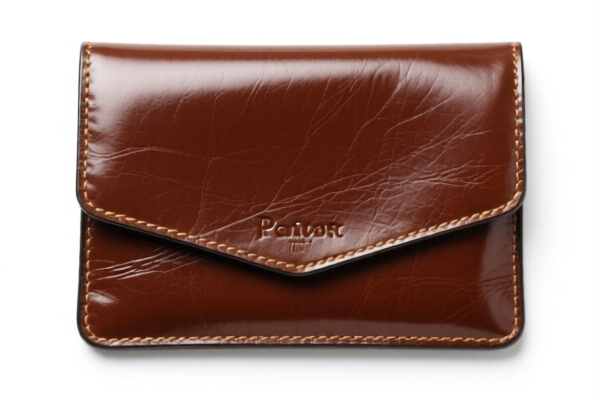
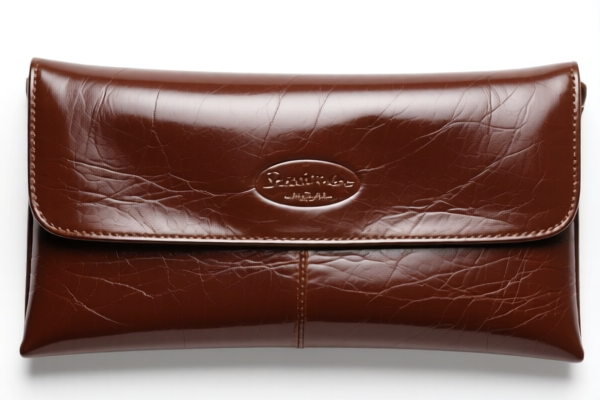
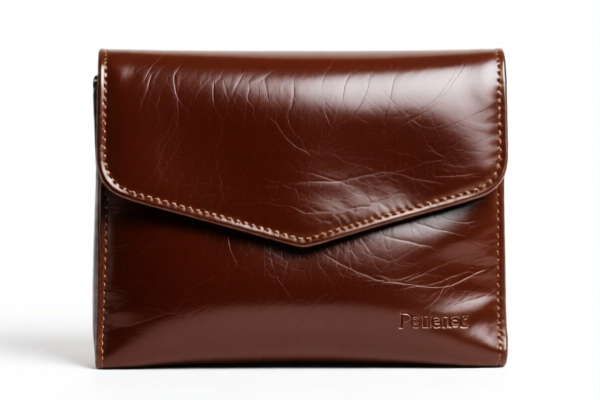

AI分析
🧥 Patent Laminated Leather (PU Patent Leather)
🌐 HS Code Classification & Customs Clearance Guide | 2026 Latest Tariff Analysis | Professional Entry Strategy
📌 I. Product Definition & Material Logic: What is "Patent Laminated Leather"?
Patent Laminated Leather, commonly known as PU Patent Leather, is a synthetic material primarily composed of Polyurethane (PU). It features a glossy, lacquered surface achieved through coating or laminating processes. In international trade, its classification hinges on whether it is viewed as a synthetic leather product, a plastic sheet/film, or a textile material coated with plastic.
⚠️ Key Classification Logic:
- If viewed as leather-like: It falls under Chapter 41 (Synthetic Leather).
- If viewed as a plastic product: It falls under Chapter 39 (Plastics/Polymers).
- If viewed as a textile substrate: It falls under Chapter 59 (Impregnated/Coated Textiles).
- Note: Regardless of the HS Code selected, the product is subject to significant additional tariffs (Section 301 + Section 122) when imported into the US from China.
📦 II. HS Code Classification Details (2026 Latest Tariff Authority)
Below are the five most relevant HS Codes for PU Patent Leather, based on the provided data. Each code reflects a different material logic (Leather vs. Plastic vs. Textile).
| HS Code | Product Description & Logic | Material Form | Key Characteristic |
|---|---|---|---|
4114.20.30.00 |
Synthetic Leather: Patent Leather Classified as synthetic leather; fits the logic of lacquered/coated leather material forms. |
Synthetic Leather | Glossy surface, leather-like texture |
4114.20.70.00 |
Other Patent & Lacquered Leather Fits the category of other lacquered/lacquered-surface leathers. |
Synthetic Leather | Other lacquered finishes |
3921.13.15.00 |
Plastics: Polyurethane Sheets/Films PU is a polyurethane polymer; fits the form of plates, sheets, membranes, or foils. |
Plastic/Polymer | Pure PU sheet/film form |
5903.20.20.00 |
Textiles: Impregnated/Coated Fabric Context of textiles; fits the form of textile fabrics impregnated, coated, or covered. |
Textile + Plastic | Fabric base with PU coating |
3921.13.19.50 |
Plastics: Other Plastic Sheets PU combined with textile materials; fits plastic sheets/films with textile reinforcement. |
Composite Plastic | PU + Textile blend |
🔍 Critical Note:
- All codes above apply to Chinese Origin products imported into the United States.
- The total tax rate is high (35%–41.5%) due to the combination of Base Tariff, Section 301 Tariff (25%), and Section 122 Tariff (10%).
- Choosing the wrong HS Code can lead to misdeclaration, penalties, or delayed customs clearance.
💰 III. 2026 Tariff Rate Breakdown (Detailed Tax Clauses)
✅ Applicable Country: United States (US)
✅ Country of Origin: China (CN)
✅ Effective Time: Current regulations apply (Section 301 & Section 122 remain active)
🎯 1. 4114.20.30.00 — Synthetic Leather: Patent Leather
Logic: PU patent leather is classified as synthetic leather, aligning with the material form of lacquered or coated leather.
| Item | Details |
|---|---|
| Base Tariff | 2.3% |
| Section 301 Tariff | +25.0% |
| Section 122 Tariff | +10.0% |
| Total Tax Rate | 37.3% |
| Calculation | CIF Value × 37.3% |
| Legal Basis | HTSUS 4114.20.30 + USITC Footnotes for China |
📌 Interpretation:
- This is the most direct classification for "Patent Leather" as a leather substitute.
- The 25% Section 301 tariff is the largest component, targeting Chinese synthetic materials.
- The 10% Section 122 tariff further increases the cost for Chinese goods.
🎯 2. 4114.20.70.00 — Other Patent & Lacquered Leather
Logic: PU patent leather falls under the broader category of other lacquered/lacquered-surface leathers.
| Item | Details |
|---|---|
| Base Tariff | 1.6% |
| Section 301 Tariff | +25.0% |
| Section 122 Tariff | +10.0% |
| Total Tax Rate | 36.6% |
| Calculation | CIF Value × 36.6% |
| Legal Basis | HTSUS 4114.20.70 + USITC Footnotes |
📌 Interpretation:
- Slightly lower base tariff (1.6%) than4114.20.30.00, but total rate is still high.
- Suitable for PU patent leathers that do not fit the specific "Patent Leather" subheading but are otherwise lacquered.
🎯 3. 3921.13.15.00 — Plastics: Polyurethane Sheets/Films
Logic: PU (Polyurethane) is a polymer. This code classifies the material as a plastic sheet, film, or foil, regardless of its leather-like appearance.
| Item | Details |
|---|---|
| Base Tariff | 6.5% |
| Section 301 Tariff | +25.0% |
| Section 122 Tariff | +10.0% |
| Total Tax Rate | 41.5% |
| Calculation | CIF Value × 41.5% |
| Legal Basis | HTSUS 3921.13.15 + USITC Footnotes |
📌 Interpretation:
- Highest Total Tax Rate (41.5%).
- Applies when customs authorities view the product purely as a plastic product rather than a leather substitute.
- Use this code only if the product is clearly defined as a PU sheet without textile backing (or if textile backing is ignored for classification).
🎯 4. 5903.20.20.00 — Textiles: Impregnated/Coated Fabric
Logic: In a textile context, PU patent leather is a textile fabric impregnated, coated, or covered with polyurethane.
| Item | Details |
|---|---|
| Base Tariff | 0.0% |
| Section 301 Tariff | +25.0% |
| Section 122 Tariff | +10.0% |
| Total Tax Rate | 35.0% |
| Calculation | CIF Value × 35.0% |
| Legal Basis | HTSUS 5903.20.20 + USITC Footnotes |
📌 Interpretation:
- Lowest Total Tax Rate (35.0%) among all options.
- Applicable if the product has a textile base fabric (e.g., polyester, nylon) coated with PU.
- Risk: Customs may challenge this if the "leather-like" appearance is dominant, potentially reclassifying to Chapter 41 or 39.
🎯 5. 3921.13.19.50 — Plastics: Other Plastic Sheets
Logic: PU combined with textile materials; fits the description of plastic sheets/films with textile reinforcement.
| Item | Details |
|---|---|
| Base Tariff | 5.3% |
| Section 301 Tariff | +25.0% |
| Section 122 Tariff | +10.0% |
| Total Tax Rate | 40.3% |
| Calculation | CIF Value × 40.3% |
| Legal Basis | HTSUS 3921.13.19.50 + USITC Footnotes |
📌 Interpretation:
- A hybrid classification for PU products with textile elements but not primarily classified as textiles.
- Higher rate than textile classification due to higher base tariff (5.3%).
🛠️ IV. Customs Clearance Practical Advice (Pitfall Avoidance Guide)
✅ 1. Documentation Checklist (Mandatory)
| Document | Required? | Notes |
|---|---|---|
| ✅ Product Specification Sheet | ✔️ | Must specify material composition (e.g., "100% PU Coated Polyester"), thickness, and finish (glossy/matte). |
| ✅ Material Composition Report | ✔️ | Third-party lab test confirming PU content and textile substrate (if any). |
| ✅ Commercial Invoice | ✔️ | Clearly state "PU Patent Leather" and HS Code. |
| ✅ Packing List | ✔️ | Detail weights, dimensions, and quantity. |
| ✅ Original Bill of Lading | ✔️ | Standard import requirement. |
| ✅ Country of Origin Certificate | ✔️ | Essential for applying Section 301/122 tariffs. |
✅ 2. Declaration Tips (Key Rules)
🔥 "Material Truth, HS Match, Tariff Minimized!"
| Scenario | Correct Declaration | Wrong Practice |
|---|---|---|
| PU Leather with Textile Base | 5903.20.20.00 (35.0%) |
Declare as 3921.13.15.00 (41.5%) → Overpay Tax |
| Pure PU Film (No Textile) | 3921.13.15.00 (41.5%) |
Declare as 4114.20.30.00 → Misclassification Risk |
| Glossy Synthetic Leather | 4114.20.30.00 (37.3%) |
Declare as generic "Plastic Sheet" → Customs Audit |
| Mixed Composition | Provide Lab Report | Vague description "Synthetic Material" → Delays & Penalties |
✅ 3. Special Considerations
| Situation | Recommendation |
|---|---|
| OEM/Custom PU Leather | Provide customer design specs to prove intent. Avoid generic terms. |
| High-Gloss "Patent" Finish | Emphasize "Patent" in description to support 4114 classification if applicable. |
| Textile-Backed PU | Strongly consider 5903.20.20.00 for lower tariff, but ensure the textile base is significant. |
| Pre-Clearance | Apply for an Advance Ruling from CBP if the classification is uncertain. |
🌍 V. Global Market Comparison (2026)
| Market | Recommended HS Code | Total Tax Rate (CN Origin) | Notes |
|---|---|---|---|
| 🇺🇸 USA | 5903.20.20.00 (Best Rate) |
35.0% | Section 301 (25%) + Section 122 (10%) apply. |
| 🇺🇸 USA | 4114.20.30.00 (Alternative) |
37.3% | If classified strictly as leather. |
| 🇪🇺 EU | 3921.13.15 / 5903.20 | ~0-6% | No Section 301/122. Standard EU duty applies. |
| 🇨🇳 China | 3921.13.15 / 5903.20 | ~0-6% | Import duty into China is low. |
📌 Conclusion:
- The US market imposes the highest burden due to additional tariffs.
-5903.20.20.00(35.0%) offers the lowest total tax rate if the product has a textile base.
- Misclassification can lead to back taxes, fines, and shipment holds.
📌 VI. Common Mistakes & Pitfalls (Blood & Tears Lessons)
❌ Mistake 1: Declaring PU Patent Leather as generic "Plastic Sheet" (3921.13.19) without specifying PU.
👉 Consequence: Customs may reclassify to a higher base tariff code, increasing costs.
❌ Mistake 2: Ignoring Section 122 Tariff (10%).
👉 Consequence: Underpayment of taxes → Penalties & Interest.
❌ Mistake 3: Not providing a material composition report.
👉 Consequence: Customs cannot verify if it is "Textile-Coated" or "Pure Plastic" → Shipment Delayed.
✅ Correct Approach:
"PU Patent Leather, 0.5mm, Glossy Finish, Polyester Backing, Made in China. HS Code: 5903.20.20.00."
🎯 VII. Conclusion: Professional Declaration, Cost Efficiency!
🎯 Remember the Motto:
🔹 "Textile Base? Use 5903 (35%)! Pure PU? Use 3921 (41.5%)! Leather Look? Use 4114 (37%)!"
🔹 "Section 301 + 122 are inevitable for China; choose the right HS Code to minimize base tariff!"
📌 Pro Tip:
If your PU Patent Leather has a significant textile backing, consider 5903.20.20.00 for the lowest tax rate (35.0%). However, ensure your documentation clearly proves the textile composition. For pure PU films, 3921.13.15.00 is the logical choice, despite the higher rate.
📣 Immediate Action:
📞 Consult a licensed customs broker.
📄 Prepare lab reports for material composition.
🚀 Apply for Advance Ruling to secure your HS Code and avoid surprise costs.
✨ Professional Customs Clearance Starts with Precise Classification!
💼 Your Every Dollar Saved is a Dollar Earned!
用户评价
关于 HS 编码归类
协调制度(HS)是由世界海关组织(WCO)制定的国际贸易商品分类标准。全球 200 多个国家采用 HS 系统作为海关关税、贸易统计和进出口监管的基础。
每个 HS 编码遵循以下层级结构:
- 章(2 位)——商品大类(例如:第 84 章:机器和机械设备)
- 品目(4 位)——章内的更具体分类
- 子目(6 位)——国际通用细分,所有 WCO 成员国统一使用
- 本国细分(8-10 位)——各国自行扩展的细分编码,如美国 HTSUS 10 位编码
正确的 HS 编码归类对于顺利通关、准确缴纳关税和遵守贸易法规至关重要。错误归类可能导致海关延误、多缴关税或罚款。
从CN进口到US时,适用的关税税率可能包括:
- 最惠国(MFN)税率——适用于 WTO 成员国的标准关税税率
- 普通税率——适用于无贸易协定国家
- 贸易救济关税——附加关税,如 301 条款(反倾销)、232 条款(国家安全)或反补贴税
本页内容仅供参考。如需正式归类,请咨询当地海关或持牌报关代理。