Patent Laminated Leather
CN → US| HS Code | Tariff Rate | Origin | Destination | Doc |
|---|---|---|---|---|
| 4114203000 | 37.3% | CN | US | Official Doc |
| 4114207000 | 36.6% | CN | US | Official Doc |
| 3921131500 | 41.5% | CN | US | Official Doc |
| 5903202000 | 35.0% | CN | US | Official Doc |
| 3921131950 | 40.3% | CN | US | Official Doc |
Product Images
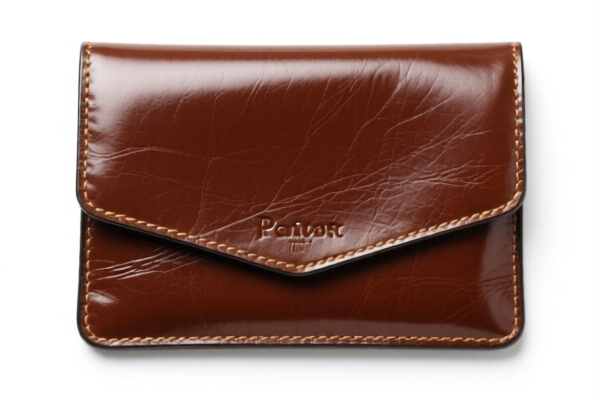
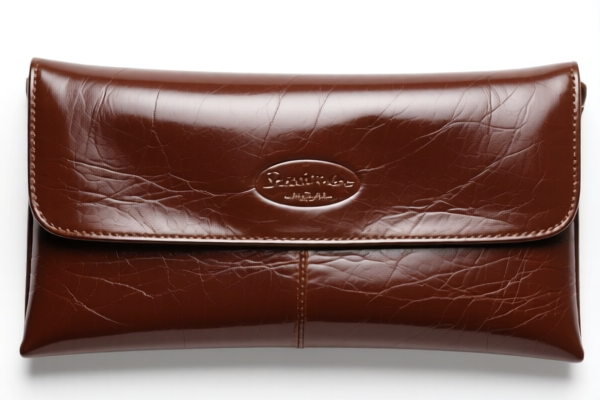
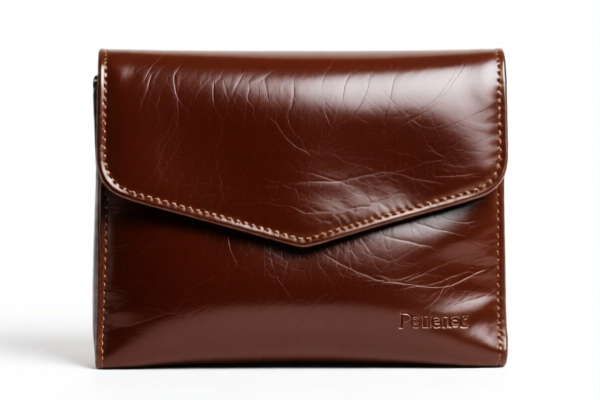

AI Analysis
🧥 Patent Laminated Leather (PU Patent Leather)
🌐 HS Code Classification & Customs Clearance Guide | 2026 Latest Tariff Analysis | Professional Entry Strategy
📌 I. Product Definition & Material Logic: What is "Patent Laminated Leather"?
Patent Laminated Leather, commonly known as PU Patent Leather, is a synthetic material primarily composed of Polyurethane (PU). It features a glossy, lacquered surface achieved through coating or laminating processes. In international trade, its classification hinges on whether it is viewed as a synthetic leather product, a plastic sheet/film, or a textile material coated with plastic.
⚠️ Key Classification Logic:
- If viewed as leather-like: It falls under Chapter 41 (Synthetic Leather).
- If viewed as a plastic product: It falls under Chapter 39 (Plastics/Polymers).
- If viewed as a textile substrate: It falls under Chapter 59 (Impregnated/Coated Textiles).
- Note: Regardless of the HS Code selected, the product is subject to significant additional tariffs (Section 301 + Section 122) when imported into the US from China.
📦 II. HS Code Classification Details (2026 Latest Tariff Authority)
Below are the five most relevant HS Codes for PU Patent Leather, based on the provided data. Each code reflects a different material logic (Leather vs. Plastic vs. Textile).
| HS Code | Product Description & Logic | Material Form | Key Characteristic |
|---|---|---|---|
4114.20.30.00 |
Synthetic Leather: Patent Leather Classified as synthetic leather; fits the logic of lacquered/coated leather material forms. |
Synthetic Leather | Glossy surface, leather-like texture |
4114.20.70.00 |
Other Patent & Lacquered Leather Fits the category of other lacquered/lacquered-surface leathers. |
Synthetic Leather | Other lacquered finishes |
3921.13.15.00 |
Plastics: Polyurethane Sheets/Films PU is a polyurethane polymer; fits the form of plates, sheets, membranes, or foils. |
Plastic/Polymer | Pure PU sheet/film form |
5903.20.20.00 |
Textiles: Impregnated/Coated Fabric Context of textiles; fits the form of textile fabrics impregnated, coated, or covered. |
Textile + Plastic | Fabric base with PU coating |
3921.13.19.50 |
Plastics: Other Plastic Sheets PU combined with textile materials; fits plastic sheets/films with textile reinforcement. |
Composite Plastic | PU + Textile blend |
🔍 Critical Note:
- All codes above apply to Chinese Origin products imported into the United States.
- The total tax rate is high (35%–41.5%) due to the combination of Base Tariff, Section 301 Tariff (25%), and Section 122 Tariff (10%).
- Choosing the wrong HS Code can lead to misdeclaration, penalties, or delayed customs clearance.
💰 III. 2026 Tariff Rate Breakdown (Detailed Tax Clauses)
✅ Applicable Country: United States (US)
✅ Country of Origin: China (CN)
✅ Effective Time: Current regulations apply (Section 301 & Section 122 remain active)
🎯 1. 4114.20.30.00 — Synthetic Leather: Patent Leather
Logic: PU patent leather is classified as synthetic leather, aligning with the material form of lacquered or coated leather.
| Item | Details |
|---|---|
| Base Tariff | 2.3% |
| Section 301 Tariff | +25.0% |
| Section 122 Tariff | +10.0% |
| Total Tax Rate | 37.3% |
| Calculation | CIF Value × 37.3% |
| Legal Basis | HTSUS 4114.20.30 + USITC Footnotes for China |
📌 Interpretation:
- This is the most direct classification for "Patent Leather" as a leather substitute.
- The 25% Section 301 tariff is the largest component, targeting Chinese synthetic materials.
- The 10% Section 122 tariff further increases the cost for Chinese goods.
🎯 2. 4114.20.70.00 — Other Patent & Lacquered Leather
Logic: PU patent leather falls under the broader category of other lacquered/lacquered-surface leathers.
| Item | Details |
|---|---|
| Base Tariff | 1.6% |
| Section 301 Tariff | +25.0% |
| Section 122 Tariff | +10.0% |
| Total Tax Rate | 36.6% |
| Calculation | CIF Value × 36.6% |
| Legal Basis | HTSUS 4114.20.70 + USITC Footnotes |
📌 Interpretation:
- Slightly lower base tariff (1.6%) than4114.20.30.00, but total rate is still high.
- Suitable for PU patent leathers that do not fit the specific "Patent Leather" subheading but are otherwise lacquered.
🎯 3. 3921.13.15.00 — Plastics: Polyurethane Sheets/Films
Logic: PU (Polyurethane) is a polymer. This code classifies the material as a plastic sheet, film, or foil, regardless of its leather-like appearance.
| Item | Details |
|---|---|
| Base Tariff | 6.5% |
| Section 301 Tariff | +25.0% |
| Section 122 Tariff | +10.0% |
| Total Tax Rate | 41.5% |
| Calculation | CIF Value × 41.5% |
| Legal Basis | HTSUS 3921.13.15 + USITC Footnotes |
📌 Interpretation:
- Highest Total Tax Rate (41.5%).
- Applies when customs authorities view the product purely as a plastic product rather than a leather substitute.
- Use this code only if the product is clearly defined as a PU sheet without textile backing (or if textile backing is ignored for classification).
🎯 4. 5903.20.20.00 — Textiles: Impregnated/Coated Fabric
Logic: In a textile context, PU patent leather is a textile fabric impregnated, coated, or covered with polyurethane.
| Item | Details |
|---|---|
| Base Tariff | 0.0% |
| Section 301 Tariff | +25.0% |
| Section 122 Tariff | +10.0% |
| Total Tax Rate | 35.0% |
| Calculation | CIF Value × 35.0% |
| Legal Basis | HTSUS 5903.20.20 + USITC Footnotes |
📌 Interpretation:
- Lowest Total Tax Rate (35.0%) among all options.
- Applicable if the product has a textile base fabric (e.g., polyester, nylon) coated with PU.
- Risk: Customs may challenge this if the "leather-like" appearance is dominant, potentially reclassifying to Chapter 41 or 39.
🎯 5. 3921.13.19.50 — Plastics: Other Plastic Sheets
Logic: PU combined with textile materials; fits the description of plastic sheets/films with textile reinforcement.
| Item | Details |
|---|---|
| Base Tariff | 5.3% |
| Section 301 Tariff | +25.0% |
| Section 122 Tariff | +10.0% |
| Total Tax Rate | 40.3% |
| Calculation | CIF Value × 40.3% |
| Legal Basis | HTSUS 3921.13.19.50 + USITC Footnotes |
📌 Interpretation:
- A hybrid classification for PU products with textile elements but not primarily classified as textiles.
- Higher rate than textile classification due to higher base tariff (5.3%).
🛠️ IV. Customs Clearance Practical Advice (Pitfall Avoidance Guide)
✅ 1. Documentation Checklist (Mandatory)
| Document | Required? | Notes |
|---|---|---|
| ✅ Product Specification Sheet | ✔️ | Must specify material composition (e.g., "100% PU Coated Polyester"), thickness, and finish (glossy/matte). |
| ✅ Material Composition Report | ✔️ | Third-party lab test confirming PU content and textile substrate (if any). |
| ✅ Commercial Invoice | ✔️ | Clearly state "PU Patent Leather" and HS Code. |
| ✅ Packing List | ✔️ | Detail weights, dimensions, and quantity. |
| ✅ Original Bill of Lading | ✔️ | Standard import requirement. |
| ✅ Country of Origin Certificate | ✔️ | Essential for applying Section 301/122 tariffs. |
✅ 2. Declaration Tips (Key Rules)
🔥 "Material Truth, HS Match, Tariff Minimized!"
| Scenario | Correct Declaration | Wrong Practice |
|---|---|---|
| PU Leather with Textile Base | 5903.20.20.00 (35.0%) |
Declare as 3921.13.15.00 (41.5%) → Overpay Tax |
| Pure PU Film (No Textile) | 3921.13.15.00 (41.5%) |
Declare as 4114.20.30.00 → Misclassification Risk |
| Glossy Synthetic Leather | 4114.20.30.00 (37.3%) |
Declare as generic "Plastic Sheet" → Customs Audit |
| Mixed Composition | Provide Lab Report | Vague description "Synthetic Material" → Delays & Penalties |
✅ 3. Special Considerations
| Situation | Recommendation |
|---|---|
| OEM/Custom PU Leather | Provide customer design specs to prove intent. Avoid generic terms. |
| High-Gloss "Patent" Finish | Emphasize "Patent" in description to support 4114 classification if applicable. |
| Textile-Backed PU | Strongly consider 5903.20.20.00 for lower tariff, but ensure the textile base is significant. |
| Pre-Clearance | Apply for an Advance Ruling from CBP if the classification is uncertain. |
🌍 V. Global Market Comparison (2026)
| Market | Recommended HS Code | Total Tax Rate (CN Origin) | Notes |
|---|---|---|---|
| 🇺🇸 USA | 5903.20.20.00 (Best Rate) |
35.0% | Section 301 (25%) + Section 122 (10%) apply. |
| 🇺🇸 USA | 4114.20.30.00 (Alternative) |
37.3% | If classified strictly as leather. |
| 🇪🇺 EU | 3921.13.15 / 5903.20 | ~0-6% | No Section 301/122. Standard EU duty applies. |
| 🇨🇳 China | 3921.13.15 / 5903.20 | ~0-6% | Import duty into China is low. |
📌 Conclusion:
- The US market imposes the highest burden due to additional tariffs.
-5903.20.20.00(35.0%) offers the lowest total tax rate if the product has a textile base.
- Misclassification can lead to back taxes, fines, and shipment holds.
📌 VI. Common Mistakes & Pitfalls (Blood & Tears Lessons)
❌ Mistake 1: Declaring PU Patent Leather as generic "Plastic Sheet" (3921.13.19) without specifying PU.
👉 Consequence: Customs may reclassify to a higher base tariff code, increasing costs.
❌ Mistake 2: Ignoring Section 122 Tariff (10%).
👉 Consequence: Underpayment of taxes → Penalties & Interest.
❌ Mistake 3: Not providing a material composition report.
👉 Consequence: Customs cannot verify if it is "Textile-Coated" or "Pure Plastic" → Shipment Delayed.
✅ Correct Approach:
"PU Patent Leather, 0.5mm, Glossy Finish, Polyester Backing, Made in China. HS Code: 5903.20.20.00."
🎯 VII. Conclusion: Professional Declaration, Cost Efficiency!
🎯 Remember the Motto:
🔹 "Textile Base? Use 5903 (35%)! Pure PU? Use 3921 (41.5%)! Leather Look? Use 4114 (37%)!"
🔹 "Section 301 + 122 are inevitable for China; choose the right HS Code to minimize base tariff!"
📌 Pro Tip:
If your PU Patent Leather has a significant textile backing, consider 5903.20.20.00 for the lowest tax rate (35.0%). However, ensure your documentation clearly proves the textile composition. For pure PU films, 3921.13.15.00 is the logical choice, despite the higher rate.
📣 Immediate Action:
📞 Consult a licensed customs broker.
📄 Prepare lab reports for material composition.
🚀 Apply for Advance Ruling to secure your HS Code and avoid surprise costs.
✨ Professional Customs Clearance Starts with Precise Classification!
💼 Your Every Dollar Saved is a Dollar Earned!
Customer Reviews
About HS Code Classification
The Harmonized System (HS) is an internationally standardized nomenclature developed by the World Customs Organization (WCO) to classify traded products. Over 200 countries use the HS system as the basis for customs tariffs, trade statistics, and import/export regulations.
Each HS code follows a hierarchical structure:
- Chapter (2 digits) — Broad category of goods (e.g., Chapter 84: Machinery and Mechanical Appliances)
- Heading (4 digits) — More specific grouping within the chapter
- Subheading (6 digits) — Internationally standardized breakdown, used by all WCO member countries
- National subdivisions (8-10 digits) — Country-specific extensions for further classification, such as US HTSUS 10-digit codes
Correct HS code classification is essential for smooth customs clearance, accurate duty payment, and compliance with trade regulations. Misclassification can lead to customs delays, overpayment of duties, or penalties.
When importing from CN to US, the applicable tariff rates may include:
- Most-Favored-Nation (MFN) rate — The standard duty rate applied to WTO members
- General rate — Applied to countries without trade agreements
- Trade remedy duties — Additional tariffs such as Section 301 (anti-dumping), Section 232 (national security), or countervailing duties
The information provided on this page is for reference purposes only. For official classification, please consult with your local customs authority or a licensed customs broker.