Patent Leather
CN → US商品图片


AI分析
👜 Patent Leather: The Glossy Icon of Style & Substance
🌐 Global Classification & Customs Guide | 2026 Tariff Analysis | Premium Material Decoding
📌 What is "Patent Leather"? The Definitive Distinction
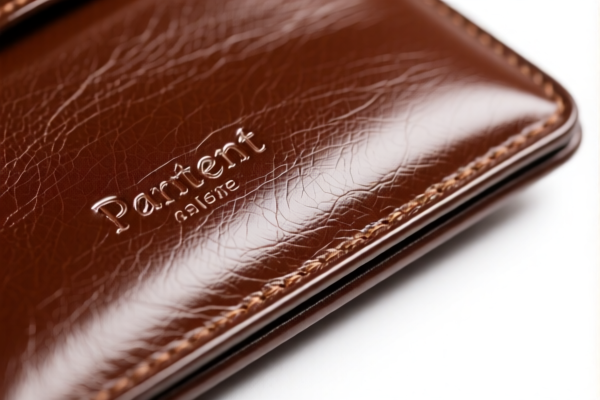
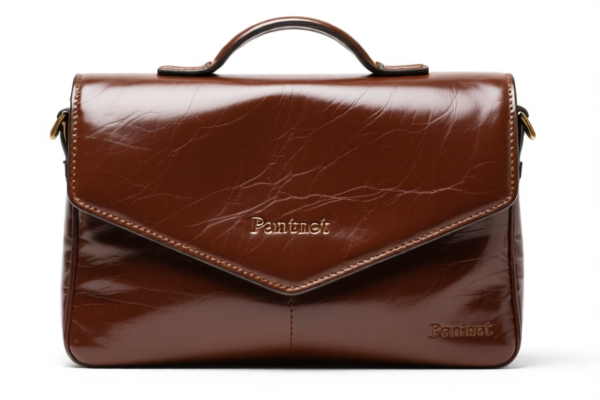
Patent Leather is not a biological leather; it is finished leather (usually cowhide) treated with a high-gloss lacquer or polyurethane coating to achieve a mirror-like shine, water resistance, and durability.
⚠️ Critical Customs Warning:
- Do NOT classify as "Natural Leather" (Chapter 41) unless the coating is superficial.
- If coated heavily with plastic/polymer to create the "patent" effect, it often falls under Chapter 39 (Plastics) or Chapter 42 (Leather Articles) depending on the substrate and manufacturing process.
- HS Code 4205.00 is common for "Leather Goods," but the coating method dictates the final rate.
📦 II. HS Code Classification Matrix (2026 Customs Authority Reference)
| HS Code | Product Description | Substrate Material | Coating Type | Key Application |
|---|---|---|---|---|
| 4205.00.90.00 | Other articles of leather or of composite leather | Natural Leather (Cattle, Sheep) | Lacquer/Polyurethane | Handbags, Wallets, Shoes (Patent Finish) |
| 3926.90.99.00 | Other articles of plastics | Synthetic Leather / PU "Patent" | Thick Plastic Layer | Fake Patent Leather, Costume Accessories |
| 6406.10.00.00 | Uppers and parts thereof (Footwear) | Leather or Synthetic | Patent Finish | Patent Leather Shoes, Boots, Sandals |
| 4202.32.00.00 | Wallets and similar containers | Leather or Plastic | Patent Coating | Patent Leather Wallets, Cardholders |
| 4202.12.00.00 | Trunks, suitcases, vanity cases | Leather or Plastic | Patent Coating | Patent Leather Luggage, Travel Cases |
🔍 Key Distinction:
- Real Patent Leather: Leather base + Lacquer. → Chapter 42.
- Synthetic "Patent": Full Plastic/PU base. → Chapter 39 (Often misclassified as 4205 to avoid duties).
- Footwear: The upper material determines the code, regardless of the gloss (6406 series).
💰 III. 2026 Tariff Rate Deep Dive (US Market Focus)
✅ Country of Origin: China (CN)
✅ Destination: United States (US)
✅ Effective Date: November 10, 2025 (Section 301 & IEEPA)
🎯 Scenario A: Real Patent Leather (HS Code 4205.00.90.00)
Item: Handbag, Wallet, Accessories (Leather Base)
| Item | Content |
|---|---|
| Base MFN Rate | 6.0% – 8.0% (ad valorem) |
| Section 301 (China) Add-on | +25% |
| IEEPA (Emergency Power) Add-on | +10% (if applicable to specific leather categories) |
| Total Effective Duty | ~41% – 43% |
| De Minimis Exemption | ❌ NO (Value > $800 not exempt for China) |
| Legal Reference | HTSUS: 4205.00.90.00 → USITC: 9903.88.01 |
📌 Interpretation:
- Real patent leather items from China face heavy tariffs.
- The "patent" finish does not reduce the leather duty rate; it may even trigger stricter scrutiny for "coating" classification disputes.
🎯 Scenario B: Synthetic "Patent" Leather (HS Code 3926.90.99.00)
Item: PU Handbag, Plastic Wallet
| Item | Content |
|---|---|
| Base MFN Rate | 5.3% – 7.0% (ad valorem) |
| Section 301 (China) Add-on | +25% |
| Total Effective Duty | ~30% – 32% |
| De Minimis Exemption | ❌ NO (If >$800) |
📌 Interpretation:
- Synthetic patent leather is slightly cheaper but still heavily taxed.
- Risk: Customs may re-classify "Synthetic Patent" as "Real Leather" if the material analysis is ambiguous, leading to higher duties (Leather is often taxed higher than Plastic).
🛠️ IV. Customs Clearance Strategy: Pro Tips for Patent Leather
✅ 1. Material Verification is Mandatory
海关 (Customs) officers will test the material.
- Burn Test: Real leather smells like burnt hair; plastic smells like burning rubber.
- Solvent Test: Acetone removes the patent coating but leaves the leather texture (Real). It melts the whole thing (Synthetic).
- Action: Submit a Material Composition Certificate from an independent lab (e.g., SGS, Intertek) confirming "Leather Base: 100% Bovine" or "Synthetic Base: 100% Polyurethane."
✅ 2. Description Precision in Invoice
❌ Wrong: "Plastic Leather Handbag" or "Leather Handbag" (Too vague)
✅ Right: "Womens Patent Leather Handbag, Surface: Lacquer-coated Bovine Leather, Lining: Polyester, HS 4205.00.90.00"
💡 Why? Vague descriptions trigger "Examination" flags, causing delays and potential re-classification by CBP officers.
✅ 3. Footwear vs. Accessories
- Shoes: If the shoe is patent leather, it falls under 6402-6403 series.
- Accessories: If it's a bag or wallet, it falls under 4202-4205.
- Mistake Alert: Do not classify a patent leather shoe as "Leather Handbag" (4205) to save duty. The function dictates the code, not just the material.
🌍 V. Global Market Comparison (2026)
| Market | Recommended HS Code | Tariff Rate (China) | Key Requirement |
|---|---|---|---|
| 🇺🇸 USA | 4205.00.90.00 |
~42% | FCC (if electronics), Labeling (Textile) |
| 🇪🇺 EU | 4205.00.90.00 |
12.5% (General) | CE (Safety), TSCA (Chemicals) |
| 🇨🇦 Canada | 4205.00.90.00 |
10.5% | Canadian Consumer Product Safety Act |
| 🇯🇵 Japan | 4205.00.90.00 |
15.0% | FSC (Forestry), if wooden parts |
| 🇦🇺 Australia | 4205.00.90.00 |
10.0% | RCM (Electrical), Textile Labeling |
📌 Note:
- EU & Canada generally have lower base rates but stricter chemical compliance (REACH in EU) for the lacquer used in patent leather.
- USA has the highest effective duty due to Section 301/IEEPA.
🚨 VI. Common Pitfalls & How to Avoid Them
❌ Pitfall 1: "Fake Patent" Misclassification
👉 Claiming synthetic patent leather as "Natural Leather" (4205) to avoid plastic duties.
👉 Result: CBP re-classification + Penalty + 25% Additional Duty.
❌ Pitfall 2: Ignoring the "Finish" Declaration
👉 Failing to declare the "Lacquer/Polymer" coating in the description.
👉 Result: Customs suspects hidden plastic content; delays + 30% penalty.
❌ Pitfall 3: Confusing Footwear Codes
👉 Classifying patent leather shoes under general leather codes (4205) instead of Footwear (6400).
👉 Result: Wrong duty rate, potential audit.
✅ Golden Rule:
"Material Base + Function + Finish = Correct HS Code"
"Patent = Lacquer + Leather = 4205"
"Patent = Plastic + Plastic = 3926"
🎯 VII. Conclusion: Shine Bright, Clear Smart
Patent leather is a high-value material that attracts both fashion love and customs scrutiny.
🔹 Real Patent Leather: High duty (~42% in US), strict chemical testing.
🔹 Synthetic Patent: Slightly lower duty (~30% in US), but risky if mislabeled.
🚀 Pro Tip:
If you are importing patent leather goods from China, budget for ~40% duty. Consider supply chain shifts to Vietnam, Thailand, or Mexico to leverage FTZ (Free Trade Zone) benefits and avoid Section 301 tariffs.
📌 Final Call to Action:
Prepare your Material Analysis Report NOW!
Define your HS Code with 100% Accuracy!
Let your patent leather shine without the customs glare!
✨ Professional Customs Clearance Starts with Precise Classification!
💼 Every Shine has a Price – Let's Make it Legal and Affordable!
用户评价
关于 HS 编码归类
协调制度(HS)是由世界海关组织(WCO)制定的国际贸易商品分类标准。全球 200 多个国家采用 HS 系统作为海关关税、贸易统计和进出口监管的基础。
每个 HS 编码遵循以下层级结构:
- 章(2 位)——商品大类(例如:第 84 章:机器和机械设备)
- 品目(4 位)——章内的更具体分类
- 子目(6 位)——国际通用细分,所有 WCO 成员国统一使用
- 本国细分(8-10 位)——各国自行扩展的细分编码,如美国 HTSUS 10 位编码
正确的 HS 编码归类对于顺利通关、准确缴纳关税和遵守贸易法规至关重要。错误归类可能导致海关延误、多缴关税或罚款。
从CN进口到US时,适用的关税税率可能包括:
- 最惠国(MFN)税率——适用于 WTO 成员国的标准关税税率
- 普通税率——适用于无贸易协定国家
- 贸易救济关税——附加关税,如 301 条款(反倾销)、232 条款(国家安全)或反补贴税
本页内容仅供参考。如需正式归类,请咨询当地海关或持牌报关代理。