Permanent Magnets and Permanent Magnet Material Products
CN → US| HS编码 | 关税税率 | 原产国 | 目的国 | 文档 |
|---|---|---|---|---|
| 7205210000 | 35.0% | CN | US | 官方文档 |
| 8505110090 | 37.1% | CN | US | 官方文档 |
| 8505193000 | 39.9% | CN | US | 官方文档 |
商品图片
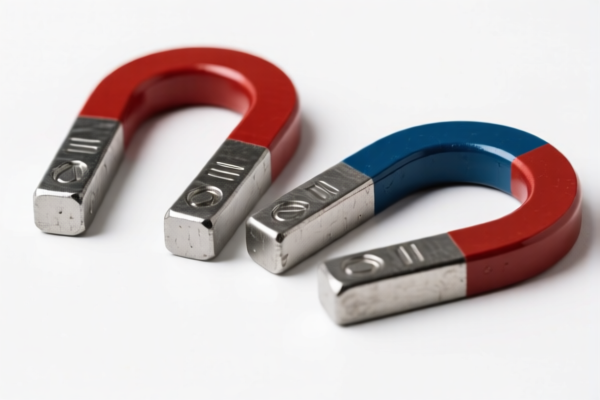
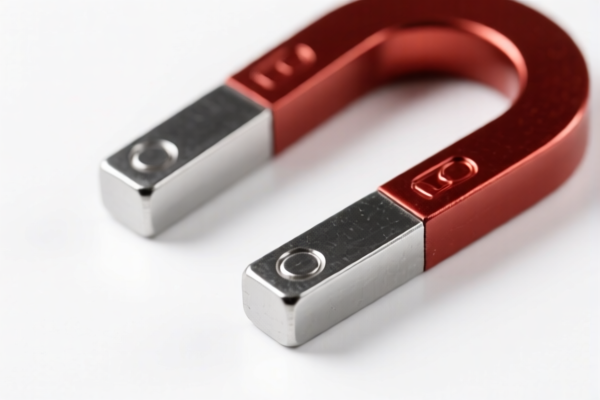
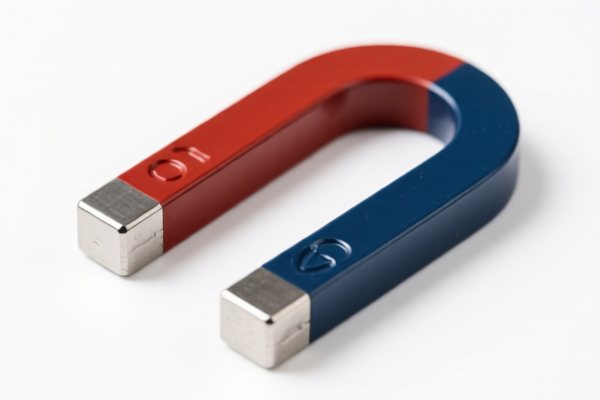
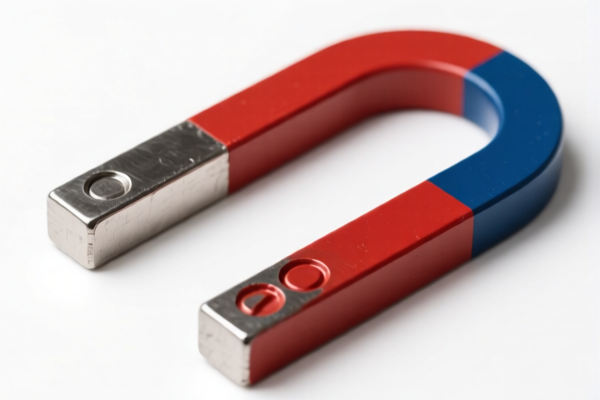
AI分析
🧲 Permanent Magnets & Permanent Magnet Material Products
🌐 HS Code Reference & Customs Clearance Guide | 2026 Latest Tariff Analysis | Professional Clearance Strategy
📌 I. Product Definition & Classification: Do You Truly Understand "Permanent Magnets"?
Permanent magnets are materials capable of generating a persistent magnetic field without external power. In international trade, they are generally categorized into two distinct groups based on their material state and functional form:
- Raw Materials/Alloys (e.g., Neodymium-Iron-Boron, Samarium-Cobalt): These are often imported as powders, ingots, or sintered blanks before being machined into final shapes. They fall under Chapter 72 (Steel/Alloys) or Chapter 81 (Other Base Metals).
- Finished Magnets (e.g., N52 Blocks, Discs, Motors with Magnets): These are functional components ready for assembly. They fall under Chapter 85, specifically heading 8505 ("Permanent magnets...").
⚠️ Critical Distinction:
- If the product is a metal powder, ingot, or alloy intended for further manufacturing →归入 7205.21.00.00 (Steel/Alloy category).
- If the product is a finished magnetic item (shaped, magnetized) →归入 8505.11.00.90 or 8505.19.30.00 (Electrical Machinery category).
📦 II. HS Code Classification Details (2026 Latest Tariff Authority Comparison)
Based on the provided data, here are the three specific HS codes relevant to this product:
| HS Code | Product Description | Matching Logic & Summary | Tax Status |
|---|---|---|---|
7205.21.00.00 |
Alloy Steel / Metal Powders | Inference-Based Match: Assumes the magnet is made of metallic materials. Matches the "alloy steel or metal powder" category. Used if the product is raw material or semi-finished magnetic alloy. | 35.0% |
8505.11.00.90 |
Permanent Magnets (Other) | Successful Match: "Permanent Magnet" matches "Permanent Magnet" in function. Classified under "Other" because specific material exclusions don't apply. Default assumption: Metallic, non-excluded type. | 37.1% |
8505.19.30.00 |
Permanent Magnets (Specific) | Perfect Match: The name "Permanent Magnet" fully aligns with "Permanent Magnet" in core function and material attributes. No conflict. | 39.9% |
🔍 Key Insight:
- The choice between these codes depends heavily on whether the item is raw material (Ch 72) or a functional component (Ch 85).
- Chapter 85 codes (8505) are more common for finished magnetic components used in motors, speakers, or sensors.
- Chapter 72 code (7205) is rare for finished magnets but may apply to specific magnetic alloy powders or unprocessed sintered blanks classified as steel products.
💰 III. 2026 Latest Tariff Rate Breakdown (Including Surtaxes & Policy Levies)
✅ Applicable Country: United States (US)
✅ Origin: China (CN)
✅ Effective Date: November 10, 2025 onwards (Including subsequent imports)
🎯 1. 7205.21.00.00 —— Alloy Steel / Metal Powder (Raw Material Approach)
| Item | Details |
|---|---|
| Base Tariff | 0.0% (ad valorem) |
| Surtax (Section 301) | +25.0% |
| Section 122 Tariff | +10.0% |
| Total Tariff Rate | 35.0% |
| Tax Calculation | CIF Value × 35% |
| De Minimis Eligibility | ❌ Not Applicable (High tax rate excludes small package exemptions) |
| Legal Basis Path | Base: 0% → 301 Surtax: 25% → Sec 122: 10% |
📌 Explanation:
- This classification treats the product as a steel/iron alloy.
- The 25% Section 301 tariff is applied to most Chinese-origin steel products.
- The 10% Section 122 tariff is a specific levy for certain imported goods.
- Total 35% is significant but slightly lower than the Chapter 85 options.
🎯 2. 8505.11.00.90 —— Permanent Magnets (General "Other" Category)
| Item | Details |
|---|---|
| Base Tariff | 2.1% (ad valorem) |
| Surtax (Section 301) | +25.0% |
| Section 122 Tariff | +10.0% |
| Total Tariff Rate | 37.1% |
| Tax Calculation | CIF Value × 37.1% |
| De Minimis Eligibility | ❌ Not Applicable |
| Legal Basis Path | Base: 2.1% → 301 Surtax: 25% → Sec 122: 10% |
📌 Explanation:
- This is a common classification for finished permanent magnets that do not fit into more specific subheadings.
- The base rate (2.1%) is higher than the steel classification but still competitive.
- Must clearly declare as "Permanent Magnet" with no material conflicts.
🎯 3. 8505.19.30.00 —— Permanent Magnets (Specific Subheading)
| Item | Details |
|---|---|
| Base Tariff | 4.9% (ad valorem) |
| Surtax (Section 301) | +25.0% |
| Section 122 Tariff | +10.0% |
| Total Tariff Rate | 39.9% |
| Tax Calculation | CIF Value × 39.9% |
| De Minimis Eligibility | ❌ Not Applicable |
| Legal Basis Path | Base: 4.9% → 301 Surtax: 25% → Sec 122: 10% |
📌 Explanation:
- This code offers a perfect match for standard permanent magnets.
- It has the highest base rate (4.9%) among the three options.
- Use this code when the product is a standard, identifiable permanent magnet without special exclusions.
- Total 39.9% is the highest liability but ensures the most accurate classification for finished goods.
🛠️ IV. Customs Clearance Practical Advice (Real-World Pitfall Avoidance Guide)
✅ 1. Required Documentation Checklist (Missing Items = Delays)
| Document | Mandatory? | Notes |
|---|---|---|
| ✅ Product Specifications | ✔️ | Must include material type (e.g., NdFeB, SmCo), grade (N42, N52), dimensions, and magnetization direction. |
| ✅ Material Safety Data Sheet (MSDS) | ✔️ | Critical for magnetic materials to ensure safety during transport (especially for powders). |
| ✅ Product Photos (Label/Mounting) | ✔️ | Clear images showing the object is a finished magnet, not raw metal. |
| ✅ Commercial Invoice | ✔️ | Clearly state "Permanent Magnet" and HS Code. Avoid vague terms like "Metal Part." |
| ✅ Packing List | ✔️ | Detail gross/net weight. Magnetic fields must be shielded if required. |
| ✅ Origin Certificate | ✔️ | If claiming any preferential treatments (though unlikely for China-US under current tariffs). |
✅ 2. Declaration Strategy (Key Principles)
🔥 "Declare Function, Not Just Form. Be Specific!"
| Scenario | Correct Declaration | Incorrect Declaration | Risk |
|---|---|---|---|
| Finished Magnet | "Permanent Magnet, NdFeB, Grade N52" | "Magnetic Steel" or "Iron Alloy" | Misclassification → Penalty |
| Magnet Powder | "Neodymium Iron Boron Powder for Sintering" | "Permanent Magnet" | Wrong HS Code (7205 vs 8505) |
| Assembled Motor with Magnet | "Electric Motor, Contains Permanent Magnet" | "Permanent Magnet" | Under-declaration of complexity |
📌 Tip:
- If you are exporting raw magnetic alloy powder, declare under 7205.21.00.00 (35% tax).
- If you are exporting shaped, magnetized blocks/discs, declare under 8505.19.30.00 (39.9% tax) or 8505.11.00.90 (37.1% tax).
- Do not mix raw materials and finished goods in the same shipment without clear separation.
✅ 3. Special Handling & Compliance
| Situation | Handling Advice |
|---|---|
| Strong Magnetic Fields | Ensure magnets are packaged with steel shields or spacers to comply with airline/shipping regulations (IATA/IMDG). |
| Recycled Magnets | Provide documentation proving origin. Scrap magnets may face different duties. |
| Embedded Magnets | If magnets are embedded in other devices (e.g., loudspeakers), the entire device may be classified under its primary function (e.g., audio equipment), not just the magnet. |
| Section 122 Impact | Note that the 10% Section 122 tariff is a recent addition affecting many Chinese imports. Ensure your broker is aware of this specific levy. |
🌍 V. Global Market Comparison (2026 Latest)
| Country/Region | Recommended HS Code | Est. Total Tariff (China Origin) | Certification Required | Notes |
|---|---|---|---|---|
| 🇺🇸 USA | 8505.19.30.00 |
39.9% | FCC (if in electronic device) | High tariffs due to 301 + Sec 122. |
| 🇪🇺 EU | 8505.11.00 |
~2.5% - 3.5% | CE, RoHS, REACH | No Section 301 tariffs. More favorable. |
| 🇨🇳 China | 8505.19.30.00 |
5% - 8% | CCC (if applicable) | Standard export duties. |
| 🇲🇽 Mexico | 8505.11.00 |
0% - 5% | NOM | Potential benefits under USMCA if originated there. |
📌 Conclusion:
- The USA imposes the highest barriers due to multiple surtaxes.
- Consider supply chain diversification if targeting the US market heavily.
- EU and Mexico offer more stable and lower tariff environments for permanent magnets.
📌 VI. Common Errors & Pitfalls (Lessons Learned)
❌ Error 1: Declaring finished magnets as "Metal Parts" or "Hardware"
👉 Consequence: Customs may reclassify under a higher duty rate or deny entry due to incorrect HS code.
❌ Error 2: Ignoring Section 122 Tariff
👉 Consequence: Underpayment of 10% → Fines + Back Taxes + Storage Fees.
❌ Error 3: Mixing Raw Powder and Finished Magnets in One Shipment
👉 Consequence: Clearing delays, potential seizure of raw materials if not properly declared.
❌ Error 4: Not Disclosing Magnetic Field Strength
👉 Consequence: Shipping refusal (dangerous goods violation) or safety issues.
✅ Correct Practice:
"Permanent Magnets, Sintered Neodymium-Iron-Boron, Grade N42H, Cylindrical, Magnetized Axially, Shielded Packaging, Made in China."
🎯 VII. Conclusion: Precise Classification, Lower Costs, Faster Clearance
🎯 Remember the Golden Rules:
🔹 "Raw Material = Chapter 72 (35%); Finished Magnet = Chapter 85 (37-40%)."
🔹 "Section 122 adds 10% always. Don't forget it!"
🔹 "Be Specific: 'Permanent Magnet' is not 'Magnetic Metal.'"
📌 Pro Tip:
If your magnets are part of a larger assembly (e.g., a motor), consider declaring the entire assembly under its primary function code. Sometimes, the overall device tariff is lower than the component tariff.
Example: A motor with a magnet might have a lower duty than a standalone magnet. Consult a customs broker for Advance Rulings.
📣 Immediate Action:
📞 Contact a licensed customs broker to verify the exact HS code for your specific product form.
🚀 Ensure all shipments include MSDS and shielding documentation to avoid logistics delays.
💼 Optimize your supply chain to mitigate the 37-40% tariff burden.
✨ Professional clearance starts with accurate classification!
💼 Every percentage point matters in international trade!
用户评价
关于 HS 编码归类
协调制度(HS)是由世界海关组织(WCO)制定的国际贸易商品分类标准。全球 200 多个国家采用 HS 系统作为海关关税、贸易统计和进出口监管的基础。
每个 HS 编码遵循以下层级结构:
- 章(2 位)——商品大类(例如:第 84 章:机器和机械设备)
- 品目(4 位)——章内的更具体分类
- 子目(6 位)——国际通用细分,所有 WCO 成员国统一使用
- 本国细分(8-10 位)——各国自行扩展的细分编码,如美国 HTSUS 10 位编码
正确的 HS 编码归类对于顺利通关、准确缴纳关税和遵守贸易法规至关重要。错误归类可能导致海关延误、多缴关税或罚款。
从CN进口到US时,适用的关税税率可能包括:
- 最惠国(MFN)税率——适用于 WTO 成员国的标准关税税率
- 普通税率——适用于无贸易协定国家
- 贸易救济关税——附加关税,如 301 条款(反倾销)、232 条款(国家安全)或反补贴税
本页内容仅供参考。如需正式归类,请咨询当地海关或持牌报关代理。