Permanent Magnets and Permanent Magnet Material Products
CN → US| HS Code | Tariff Rate | Origin | Destination | Doc |
|---|---|---|---|---|
| 7205210000 | 35.0% | CN | US | Official Doc |
| 8505110090 | 37.1% | CN | US | Official Doc |
| 8505193000 | 39.9% | CN | US | Official Doc |
Product Images
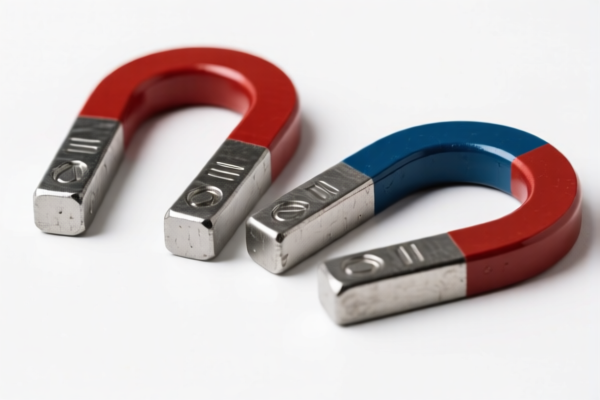
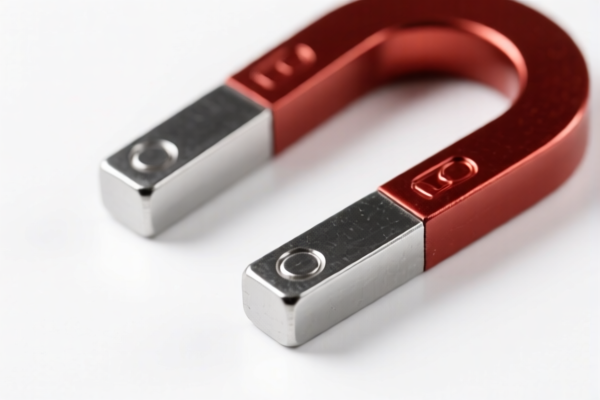
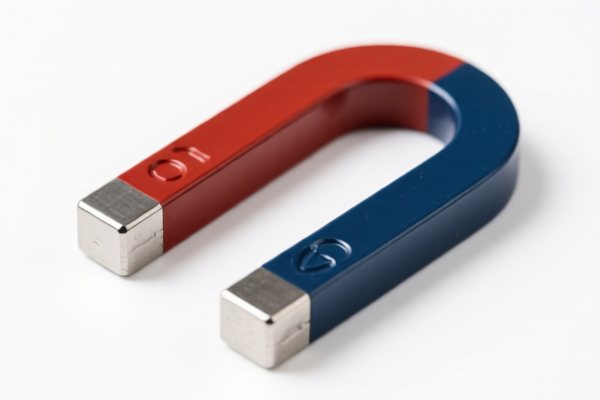
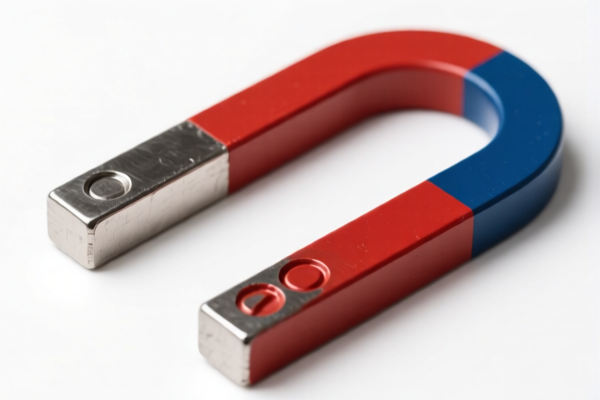
AI Analysis
🧲 Permanent Magnets & Permanent Magnet Material Products
🌐 HS Code Reference & Customs Clearance Guide | 2026 Latest Tariff Analysis | Professional Clearance Strategy
📌 I. Product Definition & Classification: Do You Truly Understand "Permanent Magnets"?
Permanent magnets are materials capable of generating a persistent magnetic field without external power. In international trade, they are generally categorized into two distinct groups based on their material state and functional form:
- Raw Materials/Alloys (e.g., Neodymium-Iron-Boron, Samarium-Cobalt): These are often imported as powders, ingots, or sintered blanks before being machined into final shapes. They fall under Chapter 72 (Steel/Alloys) or Chapter 81 (Other Base Metals).
- Finished Magnets (e.g., N52 Blocks, Discs, Motors with Magnets): These are functional components ready for assembly. They fall under Chapter 85, specifically heading 8505 ("Permanent magnets...").
⚠️ Critical Distinction:
- If the product is a metal powder, ingot, or alloy intended for further manufacturing →归入 7205.21.00.00 (Steel/Alloy category).
- If the product is a finished magnetic item (shaped, magnetized) →归入 8505.11.00.90 or 8505.19.30.00 (Electrical Machinery category).
📦 II. HS Code Classification Details (2026 Latest Tariff Authority Comparison)
Based on the provided data, here are the three specific HS codes relevant to this product:
| HS Code | Product Description | Matching Logic & Summary | Tax Status |
|---|---|---|---|
7205.21.00.00 |
Alloy Steel / Metal Powders | Inference-Based Match: Assumes the magnet is made of metallic materials. Matches the "alloy steel or metal powder" category. Used if the product is raw material or semi-finished magnetic alloy. | 35.0% |
8505.11.00.90 |
Permanent Magnets (Other) | Successful Match: "Permanent Magnet" matches "Permanent Magnet" in function. Classified under "Other" because specific material exclusions don't apply. Default assumption: Metallic, non-excluded type. | 37.1% |
8505.19.30.00 |
Permanent Magnets (Specific) | Perfect Match: The name "Permanent Magnet" fully aligns with "Permanent Magnet" in core function and material attributes. No conflict. | 39.9% |
🔍 Key Insight:
- The choice between these codes depends heavily on whether the item is raw material (Ch 72) or a functional component (Ch 85).
- Chapter 85 codes (8505) are more common for finished magnetic components used in motors, speakers, or sensors.
- Chapter 72 code (7205) is rare for finished magnets but may apply to specific magnetic alloy powders or unprocessed sintered blanks classified as steel products.
💰 III. 2026 Latest Tariff Rate Breakdown (Including Surtaxes & Policy Levies)
✅ Applicable Country: United States (US)
✅ Origin: China (CN)
✅ Effective Date: November 10, 2025 onwards (Including subsequent imports)
🎯 1. 7205.21.00.00 —— Alloy Steel / Metal Powder (Raw Material Approach)
| Item | Details |
|---|---|
| Base Tariff | 0.0% (ad valorem) |
| Surtax (Section 301) | +25.0% |
| Section 122 Tariff | +10.0% |
| Total Tariff Rate | 35.0% |
| Tax Calculation | CIF Value × 35% |
| De Minimis Eligibility | ❌ Not Applicable (High tax rate excludes small package exemptions) |
| Legal Basis Path | Base: 0% → 301 Surtax: 25% → Sec 122: 10% |
📌 Explanation:
- This classification treats the product as a steel/iron alloy.
- The 25% Section 301 tariff is applied to most Chinese-origin steel products.
- The 10% Section 122 tariff is a specific levy for certain imported goods.
- Total 35% is significant but slightly lower than the Chapter 85 options.
🎯 2. 8505.11.00.90 —— Permanent Magnets (General "Other" Category)
| Item | Details |
|---|---|
| Base Tariff | 2.1% (ad valorem) |
| Surtax (Section 301) | +25.0% |
| Section 122 Tariff | +10.0% |
| Total Tariff Rate | 37.1% |
| Tax Calculation | CIF Value × 37.1% |
| De Minimis Eligibility | ❌ Not Applicable |
| Legal Basis Path | Base: 2.1% → 301 Surtax: 25% → Sec 122: 10% |
📌 Explanation:
- This is a common classification for finished permanent magnets that do not fit into more specific subheadings.
- The base rate (2.1%) is higher than the steel classification but still competitive.
- Must clearly declare as "Permanent Magnet" with no material conflicts.
🎯 3. 8505.19.30.00 —— Permanent Magnets (Specific Subheading)
| Item | Details |
|---|---|
| Base Tariff | 4.9% (ad valorem) |
| Surtax (Section 301) | +25.0% |
| Section 122 Tariff | +10.0% |
| Total Tariff Rate | 39.9% |
| Tax Calculation | CIF Value × 39.9% |
| De Minimis Eligibility | ❌ Not Applicable |
| Legal Basis Path | Base: 4.9% → 301 Surtax: 25% → Sec 122: 10% |
📌 Explanation:
- This code offers a perfect match for standard permanent magnets.
- It has the highest base rate (4.9%) among the three options.
- Use this code when the product is a standard, identifiable permanent magnet without special exclusions.
- Total 39.9% is the highest liability but ensures the most accurate classification for finished goods.
🛠️ IV. Customs Clearance Practical Advice (Real-World Pitfall Avoidance Guide)
✅ 1. Required Documentation Checklist (Missing Items = Delays)
| Document | Mandatory? | Notes |
|---|---|---|
| ✅ Product Specifications | ✔️ | Must include material type (e.g., NdFeB, SmCo), grade (N42, N52), dimensions, and magnetization direction. |
| ✅ Material Safety Data Sheet (MSDS) | ✔️ | Critical for magnetic materials to ensure safety during transport (especially for powders). |
| ✅ Product Photos (Label/Mounting) | ✔️ | Clear images showing the object is a finished magnet, not raw metal. |
| ✅ Commercial Invoice | ✔️ | Clearly state "Permanent Magnet" and HS Code. Avoid vague terms like "Metal Part." |
| ✅ Packing List | ✔️ | Detail gross/net weight. Magnetic fields must be shielded if required. |
| ✅ Origin Certificate | ✔️ | If claiming any preferential treatments (though unlikely for China-US under current tariffs). |
✅ 2. Declaration Strategy (Key Principles)
🔥 "Declare Function, Not Just Form. Be Specific!"
| Scenario | Correct Declaration | Incorrect Declaration | Risk |
|---|---|---|---|
| Finished Magnet | "Permanent Magnet, NdFeB, Grade N52" | "Magnetic Steel" or "Iron Alloy" | Misclassification → Penalty |
| Magnet Powder | "Neodymium Iron Boron Powder for Sintering" | "Permanent Magnet" | Wrong HS Code (7205 vs 8505) |
| Assembled Motor with Magnet | "Electric Motor, Contains Permanent Magnet" | "Permanent Magnet" | Under-declaration of complexity |
📌 Tip:
- If you are exporting raw magnetic alloy powder, declare under 7205.21.00.00 (35% tax).
- If you are exporting shaped, magnetized blocks/discs, declare under 8505.19.30.00 (39.9% tax) or 8505.11.00.90 (37.1% tax).
- Do not mix raw materials and finished goods in the same shipment without clear separation.
✅ 3. Special Handling & Compliance
| Situation | Handling Advice |
|---|---|
| Strong Magnetic Fields | Ensure magnets are packaged with steel shields or spacers to comply with airline/shipping regulations (IATA/IMDG). |
| Recycled Magnets | Provide documentation proving origin. Scrap magnets may face different duties. |
| Embedded Magnets | If magnets are embedded in other devices (e.g., loudspeakers), the entire device may be classified under its primary function (e.g., audio equipment), not just the magnet. |
| Section 122 Impact | Note that the 10% Section 122 tariff is a recent addition affecting many Chinese imports. Ensure your broker is aware of this specific levy. |
🌍 V. Global Market Comparison (2026 Latest)
| Country/Region | Recommended HS Code | Est. Total Tariff (China Origin) | Certification Required | Notes |
|---|---|---|---|---|
| 🇺🇸 USA | 8505.19.30.00 |
39.9% | FCC (if in electronic device) | High tariffs due to 301 + Sec 122. |
| 🇪🇺 EU | 8505.11.00 |
~2.5% - 3.5% | CE, RoHS, REACH | No Section 301 tariffs. More favorable. |
| 🇨🇳 China | 8505.19.30.00 |
5% - 8% | CCC (if applicable) | Standard export duties. |
| 🇲🇽 Mexico | 8505.11.00 |
0% - 5% | NOM | Potential benefits under USMCA if originated there. |
📌 Conclusion:
- The USA imposes the highest barriers due to multiple surtaxes.
- Consider supply chain diversification if targeting the US market heavily.
- EU and Mexico offer more stable and lower tariff environments for permanent magnets.
📌 VI. Common Errors & Pitfalls (Lessons Learned)
❌ Error 1: Declaring finished magnets as "Metal Parts" or "Hardware"
👉 Consequence: Customs may reclassify under a higher duty rate or deny entry due to incorrect HS code.
❌ Error 2: Ignoring Section 122 Tariff
👉 Consequence: Underpayment of 10% → Fines + Back Taxes + Storage Fees.
❌ Error 3: Mixing Raw Powder and Finished Magnets in One Shipment
👉 Consequence: Clearing delays, potential seizure of raw materials if not properly declared.
❌ Error 4: Not Disclosing Magnetic Field Strength
👉 Consequence: Shipping refusal (dangerous goods violation) or safety issues.
✅ Correct Practice:
"Permanent Magnets, Sintered Neodymium-Iron-Boron, Grade N42H, Cylindrical, Magnetized Axially, Shielded Packaging, Made in China."
🎯 VII. Conclusion: Precise Classification, Lower Costs, Faster Clearance
🎯 Remember the Golden Rules:
🔹 "Raw Material = Chapter 72 (35%); Finished Magnet = Chapter 85 (37-40%)."
🔹 "Section 122 adds 10% always. Don't forget it!"
🔹 "Be Specific: 'Permanent Magnet' is not 'Magnetic Metal.'"
📌 Pro Tip:
If your magnets are part of a larger assembly (e.g., a motor), consider declaring the entire assembly under its primary function code. Sometimes, the overall device tariff is lower than the component tariff.
Example: A motor with a magnet might have a lower duty than a standalone magnet. Consult a customs broker for Advance Rulings.
📣 Immediate Action:
📞 Contact a licensed customs broker to verify the exact HS code for your specific product form.
🚀 Ensure all shipments include MSDS and shielding documentation to avoid logistics delays.
💼 Optimize your supply chain to mitigate the 37-40% tariff burden.
✨ Professional clearance starts with accurate classification!
💼 Every percentage point matters in international trade!
Customer Reviews
About HS Code Classification
The Harmonized System (HS) is an internationally standardized nomenclature developed by the World Customs Organization (WCO) to classify traded products. Over 200 countries use the HS system as the basis for customs tariffs, trade statistics, and import/export regulations.
Each HS code follows a hierarchical structure:
- Chapter (2 digits) — Broad category of goods (e.g., Chapter 84: Machinery and Mechanical Appliances)
- Heading (4 digits) — More specific grouping within the chapter
- Subheading (6 digits) — Internationally standardized breakdown, used by all WCO member countries
- National subdivisions (8-10 digits) — Country-specific extensions for further classification, such as US HTSUS 10-digit codes
Correct HS code classification is essential for smooth customs clearance, accurate duty payment, and compliance with trade regulations. Misclassification can lead to customs delays, overpayment of duties, or penalties.
When importing from CN to US, the applicable tariff rates may include:
- Most-Favored-Nation (MFN) rate — The standard duty rate applied to WTO members
- General rate — Applied to countries without trade agreements
- Trade remedy duties — Additional tariffs such as Section 301 (anti-dumping), Section 232 (national security), or countervailing duties
The information provided on this page is for reference purposes only. For official classification, please consult with your local customs authority or a licensed customs broker.