Photosensitive Paper Raw Material
CN → US| HS编码 | 关税税率 | 原产国 | 目的国 | 文档 |
|---|---|---|---|---|
| 3703103060 | 38.7% | CN | US | 官方文档 |
| 4816900100 | 35.0% | CN | US | 官方文档 |
| 3703103090 | 38.7% | CN | US | 官方文档 |
| 4816200000 | 35.0% | CN | US | 官方文档 |
| 4823908680 | 35.0% | CN | US | 官方文档 |
商品图片
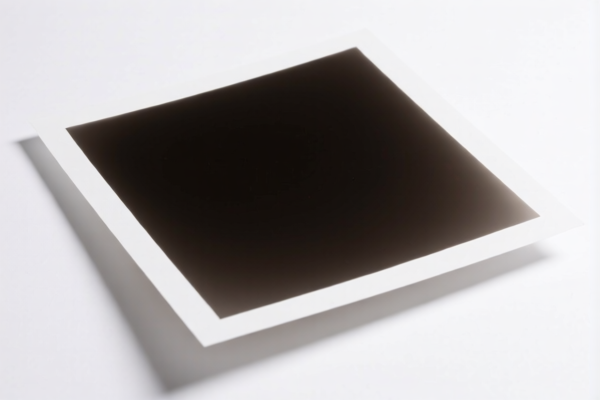
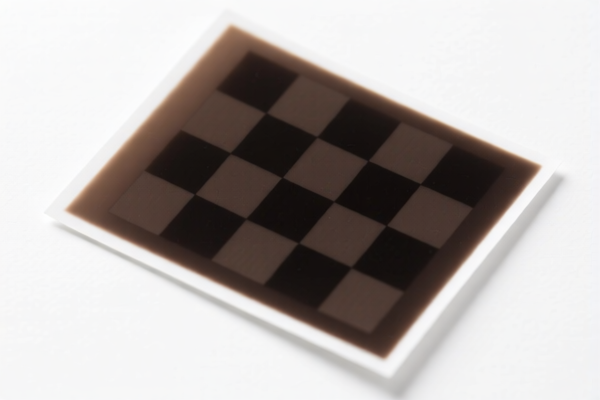
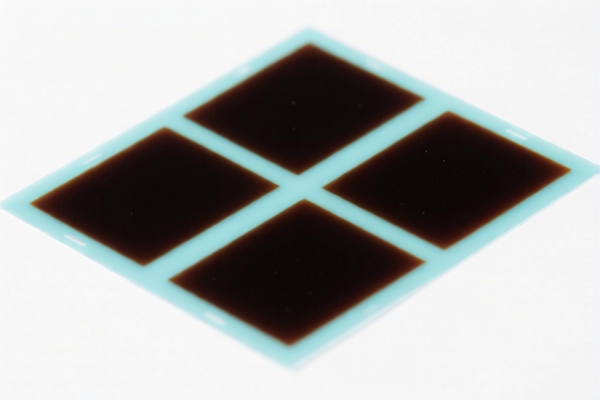
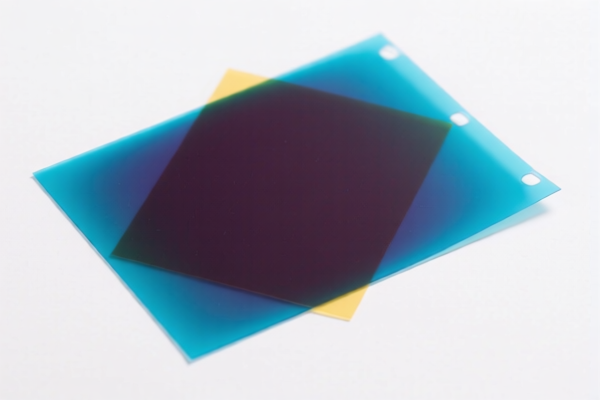
AI分析
📸 Photosensitive Paper Raw Material (Silver Halide Light-Sensitive Material)
🌐 HS Code Reference & Customs Clearance Guide | 2026 Latest Tariff Analysis | Professional Clearance Strategy
📌 I. Product Definition & Classification: What is "Photosensitive Paper" in Trade?
Photosensitive paper, often referred to as silver halide photographic paper, is a specialized paper product coated with light-sensitive emulsions (typically silver halides). It is the core raw material for traditional photographic printing, industrial X-ray films, and precision imaging.
In international trade, its classification depends on whether it is classified strictly as a photographic material (based on chemical function) or as a paper product (based on physical form). The following analysis details the five potential HS Code classifications provided in the data, explaining the logic behind each.
⚠️ Key Classification Logic:
- Functional Classification (Ch. 37): Focuses on the silver halide emulsion and light-sensitive nature. Treated as photographic material.
- Material Classification (Ch. 48): Focuses on the paper substrate. Treated as copy paper, transfer paper, or other paper goods.
📦 II. HS Code Classification Details (Based on Provided Data)
| HS Code | Classification Logic & Summary | Total Tax Rate | Tax Breakdown Details |
|---|---|---|---|
3703.10.30.60 |
Functional (Silver Halide) Meets characteristics of light-sensitive/halide silver papers. Classified under light-sensitive paper category. |
38.7% | Base: 3.7% Additional (301): 25.0% Section 122: 10% |
4816.90.01.00 |
Material (Paper Form) Considered paper material, fitting attributes of carbonless copy paper, transfer paper, etc. |
35.0% | Base: 0.0% Additional (301): 25.0% Section 122: 10% |
3703.10.30.90 |
Functional (Default Silver Halide) Consistent with photosensitive material properties; defaults to halide silver paper material classification. |
38.7% | Base: 3.7% Additional (301): 25.0% Section 122: 10% |
4816.20.00.00 |
Material (Copy/Transfer) Fits attributes of paper for copying, transferring, and image processing. |
35.0% | Base: 0.0% Additional (301): 25.0% Section 122: 10% |
4823.90.86.80 |
Material (Paper Base) Explicitly includes paper material; fits paper product classification logic. |
35.0% | Base: 0.0% Additional (301): 25.0% Section 122: 10% |
🔍 Critical Distinction:
- Chapter 37 Codes (3703...): Higher base tax (3.7%) but recognized as specialized photographic material. Total rate: 38.7%.
- Chapter 48 Codes (4816...,4823...): Zero base tax (0.0%) but recognized as general paper/copy paper. Total rate: 35.0%.
- Note: All codes include Section 301 Additional Tariff (25%) and Section 122 Tariff (10%), likely due to US-China trade policies.
💰 III. Detailed Tariff Structure & Policy Explanation
✅ Applicable Jurisdiction: United States (US)
✅ Origin: Likely China (CN) inferred from Section 122 & 301 context
✅ Tax Components:
🎯 1. The "38.7%" Scenario (HS Codes: 3703.10.30.60 / 3703.10.30.90)
| Item | Content |
|---|---|
| Base MFN Rate | 3.7% (Standard for photographic papers) |
| Section 301 Tariff | +25% (USITC Footnote 9903.88.01 / Trade Remedy) |
| Section 122 Tariff | +10% (Specific Section 122 Policy for certain Chinese goods) |
| Total Effective Rate | 38.7% |
| Calculation | CIF Value × 38.7% |
| De Minimis Exemption | ❌ Not Applicable (High risk of audit) |
📌 Explanation:
- The 3.7% base rate reflects the specialized nature of photographic materials under Harmonized System Heading 3703.
- The 25% and 10% surcharges are punitive/additional tariffs imposed on imports from China. They apply cumulatively.
🎯 2. The "35.0%" Scenario (HS Codes: 4816.90.01.00, 4816.20.00.00, 4823.90.86.80)
| Item | Content |
|---|---|
| Base MFN Rate | 0.0% (Standard for many copy/transfer papers) |
| Section 301 Tariff | +25% |
| Section 122 Tariff | +10% |
| Total Effective Rate | 35.0% |
| Calculation | CIF Value × 35.0% |
| De Minimis Exemption | ❌ Not Applicable |
📌 Explanation:
- By classifying as paper (Chapter 48), the importer saves the 3.7% base duty.
- However, the 35.0% total rate still represents a significant cost, driven entirely by the additional tariffs.
- Risk: Customs may challenge this if the emulsion is the primary value driver, potentially forcing a reclassification to Ch. 37 (38.7%) plus penalties.
🛠️ IV. Customs Clearance Practical Advice
✅ 1. Documentation Checklist (Must-Have)
| Document | Required? | Purpose |
|---|---|---|
| Product Specification Sheet | ✔️ | Must detail: Base paper type, emulsion layer thickness, sensitivity (e.g., UV, Visible), and chemical composition. |
| Photo of Label/Packaging | ✔️ | Clear view of HS code suggestion, batch number, and "Light Sensitive" warnings. |
| Commercial Invoice | ✔️ | Must accurately describe goods: "Silver Halide Coated Paper, 4816/3703". Avoid vague terms like "Raw Material." |
| Certificate of Origin | ✔️ | To verify country of origin for Section 301/122 applicability. |
| Safety Data Sheet (SDS) | ✔️ | Essential for chemical emulsions containing silver halides and developing agents. |
✅ 2. Classification Strategy & "Golden Rules"
🔥 "Function over Form"
Customs often prioritizes principal character. If the silver halide emulsion is essential for the product's function, Chapter 37 is legally stronger. If it is merely paper with a slight coating, Chapter 48 may be defensible but riskier.
| Scenario | Recommended HS Code | Tax Rate | Risk Level |
|---|---|---|---|
| High-end Photographic Paper (High emulsion value) | 3703.10.30.60 / 3703.10.30.90 |
38.7% | 🟢 Low (Legally accurate) |
| Low-coating Copy/Transfer Paper | 4816.20.00.00 / 4816.90.01.00 |
35.0% | 🟡 Medium (Requires strong justification) |
| Generic Paper Base with Emulsion | 4823.90.86.80 |
35.0% | 🔴 High (Likely challenged) |
✅ 3. Special Handling Tips
- Avoid "Raw Material" Ambiguity: Do not simply declare "Photosensitive Raw Material." Specify: "Silver Halide Light-Sensitive Paper" or "Photographic Copy Paper."
- Section 122 Compliance: Ensure all Section 122 requirements are met. These tariffs are specific and often require precise product matching in the USITC database.
- Valuation: Declared value must include the cost of the emulsion. Under-declaring to save on the 3.7% base tax (for Ch. 37) or 0% (for Ch. 48) will trigger audits.
🌍 V. Global Market Comparison (Contextual)
| Region | Likely HS Code | Base Tariff | Notes |
|---|---|---|---|
| 🇺🇸 USA | 3703.10.30 or 4816.20 |
3.7% or 0.0% | Heavy Add-ons: +35% (301 + 122) makes total 35-38.7%. |
| 🇨🇳 China | 3703.10.30 |
~5-10% | Lower overall cost; no Section 301/122. |
| 🇪🇺 EU | 3703.10.30 |
0% (Often 0% for photographic paper) | No aggressive additive tariffs. |
| 🇬🇧 UK | 3703.10.30 |
0-5% | Post-Brexit rules may vary slightly but generally favorable for Ch. 37. |
📌 Key Takeaway: The US market is the most expensive for this product due to layered tariffs. Importers must carefully weigh the 3.7% savings (by choosing Ch. 48) against the compliance risk.
📌 VI. Common Errors & Pitfalls (Lessons Learned)
❌ Error 1: Classifying as "Paper" (4816) when the product is clearly photographic.
👉 Consequence: Customs may reclassify to 3703, assess the 3.7% back-duties, plus penalties and interest.
❌ Error 2: Ignoring Section 122.
👉 Consequence: Even with a correct HS code, failure to apply the 10% Section 122 tariff leads to seizure or fines.
❌ Error 3: Vague Description "Photo Paper".
👉 Consequence: CBP may classify it under the highest duty rate or require a formal ruling (delaying clearance by weeks).
✅ Correct Practice:
"Silver Halide Light-Sensitive Paper, 100gsm, Glossy Finish, for Photographic Printing. HS Code: 3703.10.30.60."
🎯 VII. Conclusion: Professional Clearance Strategy
🎯 Strategic Advice:
1. For High-Value Emulsion: Stick to 3703.10.30.60/90 (38.7%). It is the most legally defensible classification.
2. For Low-Cost/High-Volume Paper: Consider 4816.90.01.00 or 4816.20.00.00 (35.0%) only if you can prove the paper substrate is the essential character.
3. Cost Optimization: The 3.0% difference (38.7% vs 35.0%) is small. Do not risk shipment delays for a marginal saving. Accuracy is paramount.
📌 Pro Tip:
If importing in large volumes, consider applying for a Binding Ruling from CBP. This locks in your HS code and tax rate, providing certainty against future audits.
📣 Immediate Action:
📞 Contact a licensed customs broker.
📄 Prepare detailed product specs highlighting the emulsion vs. paper ratio.
🚀 Clear your photosensitive paper with confidence!
✨ Precision Classification = Predictable Costs
💼 Every percentage point counts in high-tariff markets!
用户评价
关于 HS 编码归类
协调制度(HS)是由世界海关组织(WCO)制定的国际贸易商品分类标准。全球 200 多个国家采用 HS 系统作为海关关税、贸易统计和进出口监管的基础。
每个 HS 编码遵循以下层级结构:
- 章(2 位)——商品大类(例如:第 84 章:机器和机械设备)
- 品目(4 位)——章内的更具体分类
- 子目(6 位)——国际通用细分,所有 WCO 成员国统一使用
- 本国细分(8-10 位)——各国自行扩展的细分编码,如美国 HTSUS 10 位编码
正确的 HS 编码归类对于顺利通关、准确缴纳关税和遵守贸易法规至关重要。错误归类可能导致海关延误、多缴关税或罚款。
从CN进口到US时,适用的关税税率可能包括:
- 最惠国(MFN)税率——适用于 WTO 成员国的标准关税税率
- 普通税率——适用于无贸易协定国家
- 贸易救济关税——附加关税,如 301 条款(反倾销)、232 条款(国家安全)或反补贴税
本页内容仅供参考。如需正式归类,请咨询当地海关或持牌报关代理。