Photosensitive Paper Raw Material
CN → US| HS Code | Tariff Rate | Origin | Destination | Doc |
|---|---|---|---|---|
| 3703103060 | 38.7% | CN | US | Official Doc |
| 4816900100 | 35.0% | CN | US | Official Doc |
| 3703103090 | 38.7% | CN | US | Official Doc |
| 4816200000 | 35.0% | CN | US | Official Doc |
| 4823908680 | 35.0% | CN | US | Official Doc |
Product Images
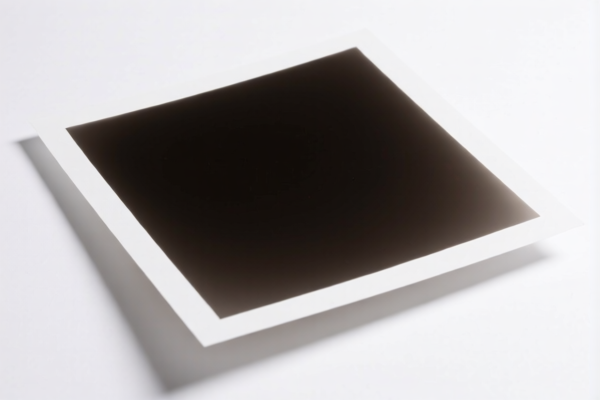
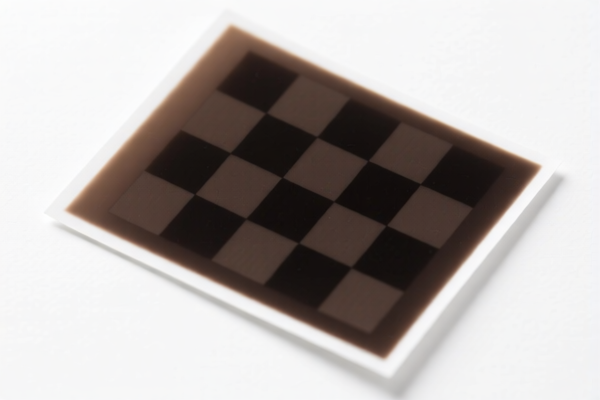
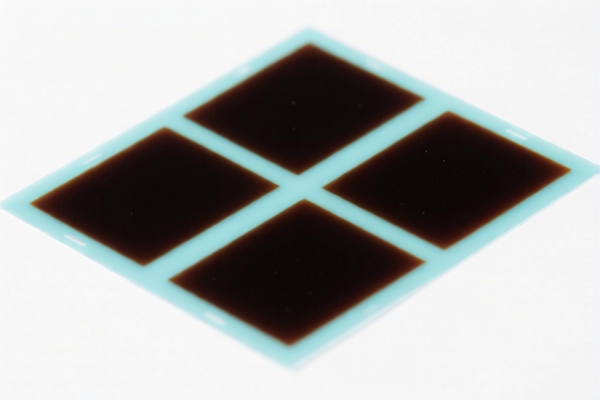
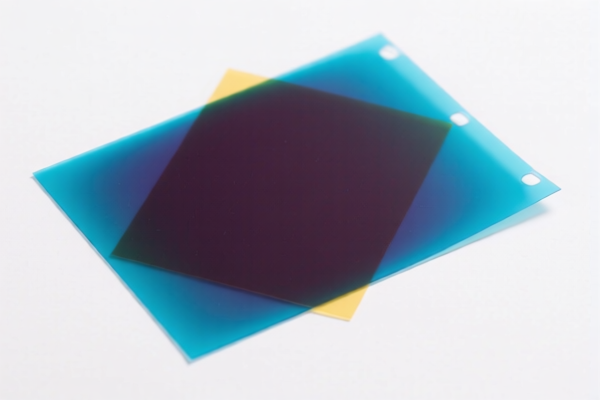
AI Analysis
📸 Photosensitive Paper Raw Material (Silver Halide Light-Sensitive Material)
🌐 HS Code Reference & Customs Clearance Guide | 2026 Latest Tariff Analysis | Professional Clearance Strategy
📌 I. Product Definition & Classification: What is "Photosensitive Paper" in Trade?
Photosensitive paper, often referred to as silver halide photographic paper, is a specialized paper product coated with light-sensitive emulsions (typically silver halides). It is the core raw material for traditional photographic printing, industrial X-ray films, and precision imaging.
In international trade, its classification depends on whether it is classified strictly as a photographic material (based on chemical function) or as a paper product (based on physical form). The following analysis details the five potential HS Code classifications provided in the data, explaining the logic behind each.
⚠️ Key Classification Logic:
- Functional Classification (Ch. 37): Focuses on the silver halide emulsion and light-sensitive nature. Treated as photographic material.
- Material Classification (Ch. 48): Focuses on the paper substrate. Treated as copy paper, transfer paper, or other paper goods.
📦 II. HS Code Classification Details (Based on Provided Data)
| HS Code | Classification Logic & Summary | Total Tax Rate | Tax Breakdown Details |
|---|---|---|---|
3703.10.30.60 |
Functional (Silver Halide) Meets characteristics of light-sensitive/halide silver papers. Classified under light-sensitive paper category. |
38.7% | Base: 3.7% Additional (301): 25.0% Section 122: 10% |
4816.90.01.00 |
Material (Paper Form) Considered paper material, fitting attributes of carbonless copy paper, transfer paper, etc. |
35.0% | Base: 0.0% Additional (301): 25.0% Section 122: 10% |
3703.10.30.90 |
Functional (Default Silver Halide) Consistent with photosensitive material properties; defaults to halide silver paper material classification. |
38.7% | Base: 3.7% Additional (301): 25.0% Section 122: 10% |
4816.20.00.00 |
Material (Copy/Transfer) Fits attributes of paper for copying, transferring, and image processing. |
35.0% | Base: 0.0% Additional (301): 25.0% Section 122: 10% |
4823.90.86.80 |
Material (Paper Base) Explicitly includes paper material; fits paper product classification logic. |
35.0% | Base: 0.0% Additional (301): 25.0% Section 122: 10% |
🔍 Critical Distinction:
- Chapter 37 Codes (3703...): Higher base tax (3.7%) but recognized as specialized photographic material. Total rate: 38.7%.
- Chapter 48 Codes (4816...,4823...): Zero base tax (0.0%) but recognized as general paper/copy paper. Total rate: 35.0%.
- Note: All codes include Section 301 Additional Tariff (25%) and Section 122 Tariff (10%), likely due to US-China trade policies.
💰 III. Detailed Tariff Structure & Policy Explanation
✅ Applicable Jurisdiction: United States (US)
✅ Origin: Likely China (CN) inferred from Section 122 & 301 context
✅ Tax Components:
🎯 1. The "38.7%" Scenario (HS Codes: 3703.10.30.60 / 3703.10.30.90)
| Item | Content |
|---|---|
| Base MFN Rate | 3.7% (Standard for photographic papers) |
| Section 301 Tariff | +25% (USITC Footnote 9903.88.01 / Trade Remedy) |
| Section 122 Tariff | +10% (Specific Section 122 Policy for certain Chinese goods) |
| Total Effective Rate | 38.7% |
| Calculation | CIF Value × 38.7% |
| De Minimis Exemption | ❌ Not Applicable (High risk of audit) |
📌 Explanation:
- The 3.7% base rate reflects the specialized nature of photographic materials under Harmonized System Heading 3703.
- The 25% and 10% surcharges are punitive/additional tariffs imposed on imports from China. They apply cumulatively.
🎯 2. The "35.0%" Scenario (HS Codes: 4816.90.01.00, 4816.20.00.00, 4823.90.86.80)
| Item | Content |
|---|---|
| Base MFN Rate | 0.0% (Standard for many copy/transfer papers) |
| Section 301 Tariff | +25% |
| Section 122 Tariff | +10% |
| Total Effective Rate | 35.0% |
| Calculation | CIF Value × 35.0% |
| De Minimis Exemption | ❌ Not Applicable |
📌 Explanation:
- By classifying as paper (Chapter 48), the importer saves the 3.7% base duty.
- However, the 35.0% total rate still represents a significant cost, driven entirely by the additional tariffs.
- Risk: Customs may challenge this if the emulsion is the primary value driver, potentially forcing a reclassification to Ch. 37 (38.7%) plus penalties.
🛠️ IV. Customs Clearance Practical Advice
✅ 1. Documentation Checklist (Must-Have)
| Document | Required? | Purpose |
|---|---|---|
| Product Specification Sheet | ✔️ | Must detail: Base paper type, emulsion layer thickness, sensitivity (e.g., UV, Visible), and chemical composition. |
| Photo of Label/Packaging | ✔️ | Clear view of HS code suggestion, batch number, and "Light Sensitive" warnings. |
| Commercial Invoice | ✔️ | Must accurately describe goods: "Silver Halide Coated Paper, 4816/3703". Avoid vague terms like "Raw Material." |
| Certificate of Origin | ✔️ | To verify country of origin for Section 301/122 applicability. |
| Safety Data Sheet (SDS) | ✔️ | Essential for chemical emulsions containing silver halides and developing agents. |
✅ 2. Classification Strategy & "Golden Rules"
🔥 "Function over Form"
Customs often prioritizes principal character. If the silver halide emulsion is essential for the product's function, Chapter 37 is legally stronger. If it is merely paper with a slight coating, Chapter 48 may be defensible but riskier.
| Scenario | Recommended HS Code | Tax Rate | Risk Level |
|---|---|---|---|
| High-end Photographic Paper (High emulsion value) | 3703.10.30.60 / 3703.10.30.90 |
38.7% | 🟢 Low (Legally accurate) |
| Low-coating Copy/Transfer Paper | 4816.20.00.00 / 4816.90.01.00 |
35.0% | 🟡 Medium (Requires strong justification) |
| Generic Paper Base with Emulsion | 4823.90.86.80 |
35.0% | 🔴 High (Likely challenged) |
✅ 3. Special Handling Tips
- Avoid "Raw Material" Ambiguity: Do not simply declare "Photosensitive Raw Material." Specify: "Silver Halide Light-Sensitive Paper" or "Photographic Copy Paper."
- Section 122 Compliance: Ensure all Section 122 requirements are met. These tariffs are specific and often require precise product matching in the USITC database.
- Valuation: Declared value must include the cost of the emulsion. Under-declaring to save on the 3.7% base tax (for Ch. 37) or 0% (for Ch. 48) will trigger audits.
🌍 V. Global Market Comparison (Contextual)
| Region | Likely HS Code | Base Tariff | Notes |
|---|---|---|---|
| 🇺🇸 USA | 3703.10.30 or 4816.20 |
3.7% or 0.0% | Heavy Add-ons: +35% (301 + 122) makes total 35-38.7%. |
| 🇨🇳 China | 3703.10.30 |
~5-10% | Lower overall cost; no Section 301/122. |
| 🇪🇺 EU | 3703.10.30 |
0% (Often 0% for photographic paper) | No aggressive additive tariffs. |
| 🇬🇧 UK | 3703.10.30 |
0-5% | Post-Brexit rules may vary slightly but generally favorable for Ch. 37. |
📌 Key Takeaway: The US market is the most expensive for this product due to layered tariffs. Importers must carefully weigh the 3.7% savings (by choosing Ch. 48) against the compliance risk.
📌 VI. Common Errors & Pitfalls (Lessons Learned)
❌ Error 1: Classifying as "Paper" (4816) when the product is clearly photographic.
👉 Consequence: Customs may reclassify to 3703, assess the 3.7% back-duties, plus penalties and interest.
❌ Error 2: Ignoring Section 122.
👉 Consequence: Even with a correct HS code, failure to apply the 10% Section 122 tariff leads to seizure or fines.
❌ Error 3: Vague Description "Photo Paper".
👉 Consequence: CBP may classify it under the highest duty rate or require a formal ruling (delaying clearance by weeks).
✅ Correct Practice:
"Silver Halide Light-Sensitive Paper, 100gsm, Glossy Finish, for Photographic Printing. HS Code: 3703.10.30.60."
🎯 VII. Conclusion: Professional Clearance Strategy
🎯 Strategic Advice:
1. For High-Value Emulsion: Stick to 3703.10.30.60/90 (38.7%). It is the most legally defensible classification.
2. For Low-Cost/High-Volume Paper: Consider 4816.90.01.00 or 4816.20.00.00 (35.0%) only if you can prove the paper substrate is the essential character.
3. Cost Optimization: The 3.0% difference (38.7% vs 35.0%) is small. Do not risk shipment delays for a marginal saving. Accuracy is paramount.
📌 Pro Tip:
If importing in large volumes, consider applying for a Binding Ruling from CBP. This locks in your HS code and tax rate, providing certainty against future audits.
📣 Immediate Action:
📞 Contact a licensed customs broker.
📄 Prepare detailed product specs highlighting the emulsion vs. paper ratio.
🚀 Clear your photosensitive paper with confidence!
✨ Precision Classification = Predictable Costs
💼 Every percentage point counts in high-tariff markets!
Customer Reviews
About HS Code Classification
The Harmonized System (HS) is an internationally standardized nomenclature developed by the World Customs Organization (WCO) to classify traded products. Over 200 countries use the HS system as the basis for customs tariffs, trade statistics, and import/export regulations.
Each HS code follows a hierarchical structure:
- Chapter (2 digits) — Broad category of goods (e.g., Chapter 84: Machinery and Mechanical Appliances)
- Heading (4 digits) — More specific grouping within the chapter
- Subheading (6 digits) — Internationally standardized breakdown, used by all WCO member countries
- National subdivisions (8-10 digits) — Country-specific extensions for further classification, such as US HTSUS 10-digit codes
Correct HS code classification is essential for smooth customs clearance, accurate duty payment, and compliance with trade regulations. Misclassification can lead to customs delays, overpayment of duties, or penalties.
When importing from CN to US, the applicable tariff rates may include:
- Most-Favored-Nation (MFN) rate — The standard duty rate applied to WTO members
- General rate — Applied to countries without trade agreements
- Trade remedy duties — Additional tariffs such as Section 301 (anti-dumping), Section 232 (national security), or countervailing duties
The information provided on this page is for reference purposes only. For official classification, please consult with your local customs authority or a licensed customs broker.