Pine Logs with Cross Section 15 cm or More
CN → US| HS编码 | 关税税率 | 原产国 | 目的国 | 文档 |
|---|---|---|---|---|
| 4403210125 | 35.0% | CN | US | 官方文档 |
| 4403210130 | 35.0% | CN | US | 官方文档 |
| 4401110000 | 35.0% | CN | US | 官方文档 |
| 4403210165 | 35.0% | CN | US | 官方文档 |
| 4407110053 | 35.0% | CN | US | 官方文档 |
商品图片
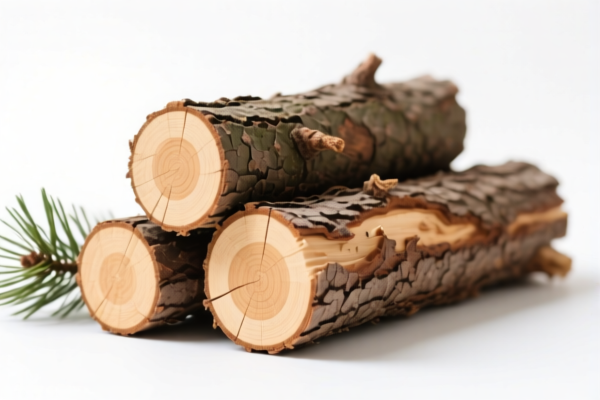
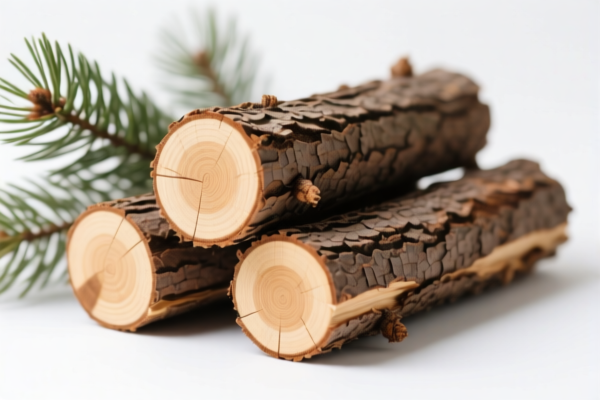
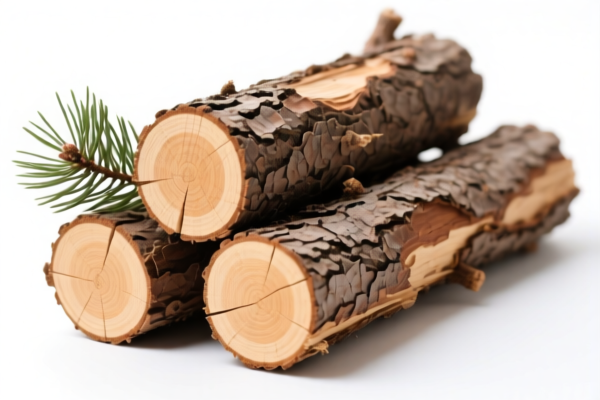
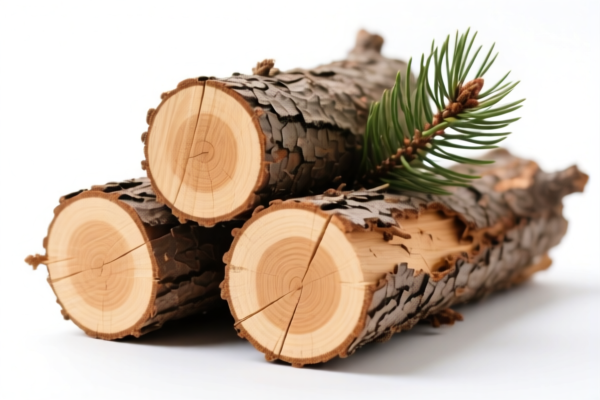
AI分析
🌲 Pine Logs with Cross Section 15 cm or More
🌐 HS Code Reference & Customs Clearance Guide | 2024/2025 Tariff Analysis | Professional Clearance Strategy
📌 I. Product Definition and Classification: Do You Truly Understand "Pine Logs"?
Pine Logs, specifically defined in this context as raw timber from pine trees (Pinus species), are a critical raw material for construction, furniture, and paper industries. In international trade, they are strictly regulated under Chapter 44 (Wood and articles of wood).
Key Distinctions:
* Solid Wood Logs vs. Fuel Wood: Logs with a cross-section of 15cm or more are typically classified as solid wood products (4403) rather than fuel wood (4401), unless specifically processed or designated as such.
* Unworked vs. Processed: These logs are "unworked," meaning they have not been sawn, planed, or chemically treated beyond basic preservation.
⚠️ Critical Distinction Point:
- If the log is unprocessed pine timber with a minimum cross-section of 15cm → Classify under 4403 (Wood freshly felled, whether or not stripped of bark or sapwood).
- If the log is declared as fuel wood (often irregular sizes, smaller diameters, or specific chipped forms) → Classify under 4401 (Wood in the form of fuel).
- Note: Even if declared as fuel, if it meets the physical description of pine logs ≥15cm, customs may reclassify it based on physical evidence.
📦 II. HS Code Classification Details (Latest Tariff Authority Match)
Based on the provided <DATA>, the following HS Codes apply to "Pine Logs with Cross Section 15 cm or More":
| HS Code | Product Description | Specific Criteria | Tax Rate Detail |
|---|---|---|---|
4403.21.01.25 |
Pine Logs, min cross-section 15cm | Solid wood, pine species, ≥15cm diameter | 35.0% (Base 0% + Section 301 25% + Section 122 10%) |
4403.21.01.30 |
Pine Logs, min cross-section 15cm | Solid wood, pine species, ≥15cm diameter | 35.0% (Base 0% + Section 301 25% + Section 122 10%) |
4401.11.00.00 |
Pine Logs, defined as coniferous fuel wood | Fuel wood definition, coniferous (pine) | 35.0% (Base 0% + Section 301 25% + Section 122 10%) |
4403.21.01.65 |
Pine Logs, diameter ≥15cm | Solid wood, pine, ≥15cm diameter | 35.0% (Base 0% + Section 301 25% + Section 122 10%) |
4407.11.00.53 |
Coniferous Pine Logs, unworked, diameter ≥15cm | Unprocessed pine, ≥15cm | 35.0% (Base 0% + Section 301 25% + Section 122 10%) |
🔍 Important Note:
- All listed HS Codes in the source data carry a Total Tax Rate of 35.0%.
- There is no variation in the final tax burden among these specific pine log classifications in this dataset.
- The primary difference lies in the legal description (Solid Wood4403vs. Fuel Wood4401), which affects phytosanitary requirements and import licenses, not just the tariff rate.
💰 III. 2024/2025 Tariff Rate Breakdown (Detailed Policy Analysis)
✅ Applicable Country: United States (US)
✅ Origin: China (CN) (Implied by Section 122 and Section 301 references)
✅ Effective Date: Current enforcement period
🎯 Tariff Structure Analysis
| Component | Rate | Legal Basis | Explanation |
|---|---|---|---|
| Base Duty | 0.0% | HTSUS General Rate | Most pine logs from eligible countries enjoy 0% base duty. |
| Section 301 Duty | +25.0% | USITC Footnote 9903.88.01 (China) | Additional tariff imposed on Chinese-origin goods under Trade Act of 1974, Section 301. |
| Section 122 Duty | +10.0% | Section 122 of the Trade Act of 1974 | Special tariff provision often applied to specific wood products to protect domestic timber industries. |
| Total Tax Rate | 35.0% | Sum | 0% + 25% + 10% = 35% |
📌 Explanation:
- The 25% Section 301 tariff is non-negotiable for Chinese-origin pine logs.
- The 10% Section 122 tariff is a specific provision for wood products.
- Combined Burden: Importers must budget for a 35% ad valorem tax on the CIF (Cost, Insurance, Freight) value.
- De Minimis Exemption: ❌ NOT APPLICABLE. Shipments valued under $800 (Section 321) do not qualify for exemption when Section 301 or Section 122 duties apply. Full duty is payable.
🛠️ IV. Customs Clearance Practical Advice (Expert Pitfall Avoidance)
✅ 1. Required Documentation Checklist (Non-Negotiable)
| Document | Mandatory? | Description |
|---|---|---|
| ✅ Phytosanitary Certificate | ✔️ YES | Issued by the country of origin's plant protection agency. Essential for pine logs to prove freedom from pests (e.g., Emerald Ash Borer, Pine Beetle). |
| ✅ Commercial Invoice | ✔️ YES | Must clearly state: "Pine Logs," "HS Code," "Origin: [Country]," "Diameter: ≥15cm," "Volume: [CBM]." |
| ✅ Packing List | ✔️ YES | Detailed list of logs, including diameter measurements and volume per package. |
| ✅ Bill of Lading (B/L) | ✔️ YES | Standard shipping document. |
| ✅ Timber Harvest License | ✔️ YES | Proof of legal harvesting in the country of origin (required under Lacey Act if US-bound). |
| ✅ ISPM 15 Marking | ❌ N/A | Usually for wood packaging, not the logs themselves, but logs may require heat treatment certification. |
✅ 2. Declaration Strategy (Key Mantra)
🔥 "Declare Nature, Declare Size, Declare Origin!"
| Scenario | Correct Declaration | Wrong Practice |
|---|---|---|
| Solid Pine Logs (Construction/Furniture) | HS 4403.xxxx |
Declare as 4401 (Fuel) to avoid scrutiny → High Risk of Penalty |
| Fuel Wood Logs | HS 4401.11 |
Declare as 4403 (Solid Wood) → May trigger unnecessary phytosanitary delays or misclassification fines |
| Mixed Diameter Logs | Specify "Min. Cross Section 15cm" | Vague description like "Wood Logs" → Customs Rejection |
| Treated Logs | State "Heat Treated" + HT Symbol | Claim "Untreated" if treated → Violation of Phytosanitary Rules |
✅ 3. Special Considerations
| Issue | Handling Advice |
|---|---|
| Phytosanitary Inspection | Pine logs are high-risk for invasive species. Expect physical inspection by USDA APHIS. Ensure logs are clean, free of bark (if required), and accompanied by valid certificates. |
| Section 122 Impact | Verify if your specific pine species is covered. If not, the 10% may not apply, but based on <DATA>, it is included. Always confirm with a customs broker. |
| Origin Marking | Clearly mark "Made in [Country]" on packaging or logs. Mislabeling origin can trigger fraud investigations. |
🌍 V. Global Market Comparison (Contextual)
| Country/Region | Recommended HS Code | Base Tariff | Additional Duties (China Origin) | Total Est. Tariff |
|---|---|---|---|---|
| 🇺🇸 USA | 4403.21.01.xx |
0% | +25% (Sec 301) + 10% (Sec 122) | 35.0% |
| 🇨🇳 China | 4403.21.01.xx |
0% - 5% | None | ~0-5% |
| 🇪🇺 EU | 4403.21.00 |
0% | None | 0% |
| 🇬🇧 UK | 4403.21.00 |
0% | None | 0% |
| 🇦🇺 Australia | 4403.21.00 |
5% | None | 5% |
📌 Conclusion:
- The US is the most expensive market for Chinese pine logs due to Section 301 and Section 122 tariffs.
- EU and UK are tariff-free for many pine products, but have strict EUDR (European Union Deforestation Regulation) compliance requirements.
- Australia requires rigorous biosecurity checks despite low tariffs.
📌 VI. Common Mistakes & Pitfalls (Lessons Learned)
❌ Mistake 1: Declaring Pine Logs as "Fuel Wood" (4401) to avoid Section 301 scrutiny.
👉 Consequence: USDA APHIS will inspect for pests. If logs are suitable for sawing (≥15cm), customs may reclassify to 4403 and penalize for misdeclaration. Duty remains 35% anyway!
❌ Mistake 2: Omitting Phytosanitary Certificate.
👉 Consequence: Immediate Hold. Logs will be destroyed or re-exported at your cost. Total Loss.
❌ Mistake 3: Ignoring Section 122 Tariff.
👉 Consequence: Underpayment of duties. CBP will assess back duties + interest + penalties. Financial Liability.
❌ Mistake 4: Vague Description ("Wood Logs").
👉 Consequence: Customs will request clarification, causing delays of 2-4 weeks. Supply Chain Disruption.
✅ Correct Approach:
"Pine Logs, Pinus spp., Unworked, Min. Diameter 15cm, Heat Treated, Origin: [Country], HS Code: 4403.21.01.25, Value: $XX,XXX"
🎯 VII. Conclusion: Professional Clearance, Cost Efficiency
🎯 Remember the Mantra:
🔹 "Logs ≥15cm = 4403 (or 4401 if Fuel), Tax = 35% (China Origin)."
🔹 "Phytosanitary Certificate is Life or Death for Pine Logs."
🔹 "Never Split Declaration, Always Declare Volume and Origin."
📌 Pro Tip:
If your pine logs are not from China (e.g., from Russia, Canada, or New Zealand), the 25% Section 301 tax does NOT apply. However, Section 122 may still apply depending on the specific HTSUS entry. Always verify origin-based tariffs!
📣 Immediate Action:
📞 Consult a Licensed Customs Broker + Secure Phytosanitary Certificate + Verify HS Code 4403.21.01.xx
🚀 Ensure Smooth Clearance, Avoid Port Delays, Protect Margins!
✨ Professional Clearance Starts with Accurate Classification!
💼 Your Cost Savings Are Worth the Precision!
用户评价
关于 HS 编码归类
协调制度(HS)是由世界海关组织(WCO)制定的国际贸易商品分类标准。全球 200 多个国家采用 HS 系统作为海关关税、贸易统计和进出口监管的基础。
每个 HS 编码遵循以下层级结构:
- 章(2 位)——商品大类(例如:第 84 章:机器和机械设备)
- 品目(4 位)——章内的更具体分类
- 子目(6 位)——国际通用细分,所有 WCO 成员国统一使用
- 本国细分(8-10 位)——各国自行扩展的细分编码,如美国 HTSUS 10 位编码
正确的 HS 编码归类对于顺利通关、准确缴纳关税和遵守贸易法规至关重要。错误归类可能导致海关延误、多缴关税或罚款。
从CN进口到US时,适用的关税税率可能包括:
- 最惠国(MFN)税率——适用于 WTO 成员国的标准关税税率
- 普通税率——适用于无贸易协定国家
- 贸易救济关税——附加关税,如 301 条款(反倾销)、232 条款(国家安全)或反补贴税
本页内容仅供参考。如需正式归类,请咨询当地海关或持牌报关代理。