Pine Wood (Anti corrosion Coating)
CN → US| HS编码 | 关税税率 | 原产国 | 目的国 | 文档 |
|---|---|---|---|---|
| 4407110002 | 35.0% | CN | US | 官方文档 |
| 4409104010 | 35.0% | CN | US | 官方文档 |
| 4409104090 | 35.0% | CN | US | 官方文档 |
| 3209100000 | 40.1% | CN | US | 官方文档 |
| 3209900000 | 40.9% | CN | US | 官方文档 |
商品图片
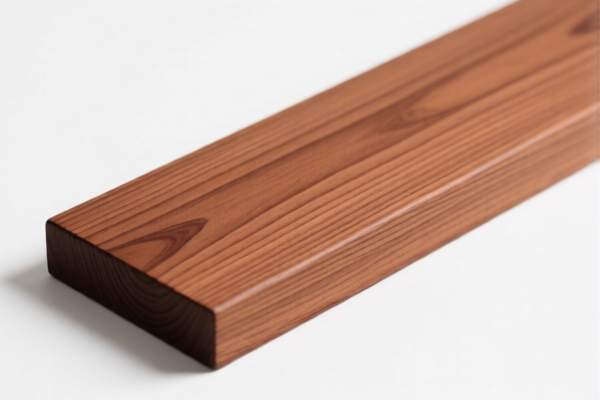
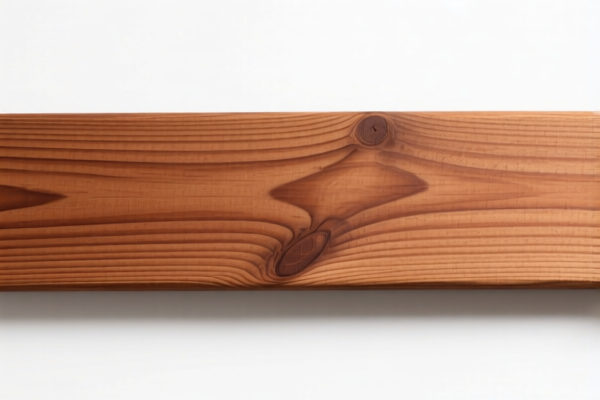
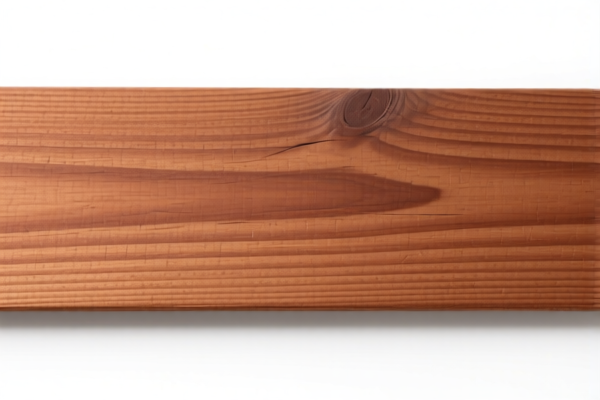
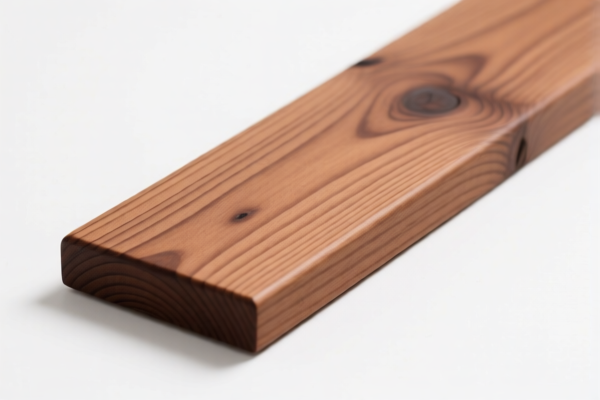
AI分析
🌲 Pine Wood & Anti-Corrosion Coating (US Import Guide 2026)
🌐 HS Code Reference & Customs Clearance Guide | 2026 Latest Tariff Analysis | Professional Strategy for US Imports
📌 I. Product Definition & Classification: Do You Really Know What You Are Importing?
In international trade, "Pine Wood" and "Anti-Corrosion Coating" are often bundled or confused, but they fall into distinctly different regulatory buckets with significant tariff implications. The distinction hinges on the state of processing:
-
Processed Wood Products (44xx Series):
- Preserved Pine Wood (4407.11.00.02): Pine wood that has undergone chemical treatment (e.g., pressure-treated) to resist rot, insects, or decay. This is a semi-finished timber product.
- Milled Pine Wood (4409.10.xxxx): Pine wood shaped along its length (e.g., tongue-and-groove, flooring, moldings). Whether treated or untreated, if it is milled, it falls here.
-
Chemical Products (32xx Series):
- Wood Preservative Paints/Coatings (3209.10.00.00 / 3209.90.00.00): Liquids, pastes, or gels applied to wood. These are classified based on their binding medium (aqueous vs. non-aqueous/organic solvent) and function (paint vs. varnish).
⚠️ Key Distinction Point:
- If the product is solid timber with preservatives impregnated → HS 4407 or 4409.
- If the product is a liquid/bucket applied to wood → HS 3209.
- Do not mix the two in a single line item if they are physically distinct goods (wood vs. paint).
📦 II. HS Code Classification Details (2026 Latest Tariff Authority Cross-Reference)
| HS Code | Product Description | Applicable Scenario | Physical State |
|---|---|---|---|
4407.11.00.02 |
Pine wood, sawn or chipped lengthwise, preserved | Pressure-treated lumber, fencing posts, outdoor decking wood | ✅ Solid (Treated) |
4409.10.40.10 |
Pine wood, continuous lengthwise shaped (e.g., flooring, moldings) | Tongue-and-groove pine, skirting boards, interior paneling | ✅ Solid (Milled) |
4409.10.40.90 |
Other pine wood, continuous lengthwise shaped | Other milled pine profiles not specified above | ✅ Solid (Milled) |
3209.10.00.00 |
Paints and varnishes based on water media | Water-based wood preservatives, eco-friendly stains | ✅ Liquid (Water-based) |
3209.90.00.00 |
Paints and varnishes based on non-aqueous media | Oil-based wood preservatives, solvent-based coatings | ✅ Liquid (Solvent-based) |
🔍 Important Note:
- HS 4407 vs. 4409:4407is generally for sawn/plain wood, while4409is for shaped wood (profiled). If your pine wood has grooves, tongues, or rounded edges, it moves from4407to4409. - HS 3209 Subcategories: The key difference between.10and.90is the solvent. Water-based is often preferred for environmental compliance, but the tariff structure for US imports (Section 301 + 122) applies similarly to both.
💰 III. 2026 Latest Tariff Rate Breakdown (Including Surcharge & Policy Add-ons)
✅ Applicable Country: United States (US)
✅ Country of Origin: China (CN)
✅ Effective Time: 2025-11-10 onwards (including subsequent imports)
🎯 1. 4407.11.00.02 — Pine Wood, Preserved
| Item | Content |
|---|---|
| Base Duty Rate | 0.0% (Ad Valorem) |
| Section 301 Surcharge | +25.0% (USITC Footnote) |
| Section 122 Surcharge | +10.0% (IEEPA Targeted Measures) |
| Total Effective Rate | 35.0% |
| Tax Calculation | CIF Value × 35% |
| De Minimis Eligibility | ❌ Not Eligible (Section 301/122 goods are excluded from $800 exemption) |
| Legal Path | USITC:4407.11.00.02 → FOOTNOTE:301 → IEEPA:122 |
📌 Explanation:
- "Base Duty 0%": Standard MFN duty for sawn wood is low/zero. - "Section 301 (+25%)": Applies to all Chinese-origin wood products subject to trade tensions. - "Section 122 (+10%)": A specific additional tariff layer targeting certain Chinese imports, effective from late 2025. - Total 35%: This is a high-cost category. Importers must factor this into landed cost immediately.
🎯 2. 4409.10.40.10 & 4409.10.40.90 — Milled Pine Wood
| Item | Content |
|---|---|
| Base Duty Rate | 0.0% (Ad Valorem) |
| Section 301 Surcharge | +25.0% |
| Section 122 Surcharge | +10.0% |
| Total Effective Rate | 35.0% |
| Tax Calculation | CIF Value × 35% |
| De Minimis Eligibility | ❌ Not Eligible |
| Legal Path | USITC:4409.10.xxxx → FOOTNOTE:301 → IEEPA:122 |
📌 Note:
- Milled wood faces the same 35% total rate as preserved wood. - Classification between40.10and40.90depends on specific shape details, but the tax impact is identical.
🎯 3. 3209.10.00.00 — Wood Preservative (Water-Based)
| Item | Content |
|---|---|
| Base Duty Rate | 5.1% (Ad Valorem) |
| Section 301 Surcharge | +25.0% |
| Section 122 Surcharge | +10.0% |
| Total Effective Rate | 40.1% |
| Tax Calculation | CIF Value × 40.1% |
| De Minimis Eligibility | ❌ Not Eligible |
| Legal Path | USITC:3209.10.00.00 → FOOTNOTE:301 → IEEPA:122 |
📌 Explanation:
- Chemicals often have a higher base duty than raw timber. - The 40.1% rate is higher than wood products, making chemical imports costlier.
🎯 4. 3209.90.00.00 — Wood Preservative (Non-Aqueous/Solvent-Based)
| Item | Content |
|---|---|
| Base Duty Rate | 5.9% (Ad Valorem) |
| Section 301 Surcharge | +25.0% |
| Section 122 Surcharge | +10.0% |
| Total Effective Rate | 40.9% |
| Tax Calculation | CIF Value × 40.9% |
| De Minimis Eligibility | ❌ Not Eligible |
| Legal Path | USITC:3209.90.00.00 → FOOTNOTE:301 → IEEPA:122 |
📌 Note:
- Solvent-based coatings often incur a slightly higher base duty (5.9% vs 5.1%) due to chemical composition nuances. - Total 40.9% is the highest rate in this dataset.
🛠️ IV. Customs Clearance Practical Advice (Real-World Pitfall Guide)
✅ 1. Documentation Checklist (Mandatory)
| Document | Required? | Description |
|---|---|---|
| ✅ Commercial Invoice | ✔️ | Must clearly separate Wood (HS 44xx) from Paint (HS 32xx) if shipped together. |
| ✅ Packing List | ✔️ | Detail volumes/weights separately for wood and liquid coatings. |
| ✅ MSDS (Material Safety Data Sheet) | ✔️ | Critical for HS 3209. Customs and CBP require this to verify chemical composition and classify correctly. |
| ✅ Fumigation Certificate | ✔️ | Required for wood products (HS 44xx) to prevent pest introduction (ISPM 15 compliance). |
| ✅ Preservation Treatment Report | ✔️ | For 4407.11.00.02, prove the type of preservative used (e.g., ACQ, CCA) to confirm HS 4407 eligibility. |
| ✅ Certificate of Origin | ✔️ | Essential to confirm CN origin for Section 301/122 assessment. |
✅ 2. Declaration Tips (Key Mnemonic)
🔥 "Wood is Solid, Paint is Liquid; Separate Lines, Avoid Audit Risk!"
| Scenario | Correct Declaration | Wrong Practice |
|---|---|---|
| Treated Lumber | 4407.11.00.02 "Pine Wood, Pressure Treated" |
Misdeclare as "Building Material" or generic "Wood" |
| Flooring/Moldings | 4409.10.40.10 "Pine Wood, Tongue & Groove" |
Misdeclare as 4407 (Plain Sawn) |
| Water-Based Preservative | 3209.10.00.00 "Water-Based Wood Coating" |
Misdeclare as 3208 (Plastic-based) |
| Solvent-Based Preservative | 3209.90.00.00 "Oil-Based Wood Preservative" |
Misdeclare as 3209.10 (Water-based) |
⚠️ Critical Warning:
- If you mix wood and paint in one container, declare them on separate line items. Do not lump them under one HS code. - Ensure the MSDS matches the chemical description in the invoice for3209items. Mismatches trigger lab testing and delays.
✅ 3. Special Situation Handling
| Situation | Handling Advice |
|---|---|
| Wood + Paint in One Shipment | Split Declaration: Line 1: Wood (HS 44xx), Line 2: Paint (HS 32xx). This allows for different valuation and duty calculation. |
| Pre-treated Wood Boards | Use 4407.11.00.02. Provide proof of treatment to avoid being classified as raw wood (which may face additional phytosanitary scrutiny). |
| Small Sample Shipments (<$800) | ❌ NO De Minimis: Due to Section 301 and 122, all Chinese-origin wood and paint goods are excluded from the $800 informal entry exemption. They must go through formal entry. |
| Eco-Friendly Water-Based Paints | While 3209.10 has a slightly lower base duty, the total 40.1% is still very high. No significant duty advantage over oil-based. |
🌍 V. Global Market Clearance Comparison (2026 Latest)
| Country/Region | Recommended HS Code | Duty (China Origin) | Certification Requirements | Notes |
|---|---|---|---|---|
| 🇺🇸 USA | 4407.11.00.02 / 3209.10.00.00 |
35.0% - 40.9% | USDA (for wood), EPA (for paint) | Highest cost market due to Section 301 + 122. |
| 🇨🇳 China | 4407.11.00.02 / 3209.10.00.00 |
5% - 10% | None (Export) | Low duty for export, but US import duty dominates cost. |
| 🇪🇺 EU | 4407.11.00 / 3209 |
0% - 4% | REACH (for paint), FSC (optional) | No Section 301/122 equivalent, but strict environmental rules for chemicals. |
| 🇨🇦 Canada | 4407.11.00 / 3209 |
0% - 5% | CFIA (for wood) | CUSMA benefits may apply if processed in NA, but Chinese origin still attracts some tariffs. |
| 🇬🇧 UK | 4407.11.00 / 3209 |
0% - 5% | UK REACH | Post-Brexit rules align closely with EU but require separate registration. |
📌 Conclusion:
- The US market is uniquely punitive for Chinese wood and chemical products in 2026. - The 35-41% effective tariff rate significantly erodes margins. - No free trade agreement offsets these specific Section 301/122 duties for Chinese-origin goods.
📌 VI. Common Errors & Pitfall Guide (Lessons Learned)
❌ Error 1: Shipping treated wood without a Fumigation Certificate.
👉 Consequence: US Customs and Border Protection (CBP) and USDA will seize or destroy the shipment.
❌ Error 2: Mixing wood and paint on one HS code line.
👉 Consequence: Incorrect duty calculation (e.g., paying wood duty on paint or vice versa). This triggers audits and penalties.
❌ Error 3: Ignoring the Section 122 (10%) surcharge.
👉 Consequence: Underestimating landed cost by 10%. Many importers only budget for Section 301 (25%).
❌ Error 4: Declaring solvent-based paint as water-based (3209.90 vs 3209.10).
👉 Consequence: Base duty error (5.9% vs 5.1%). While small, it indicates inaccurate documentation, leading to CBP scrutiny.
✅ Correct Practice:
"Item 1: Pine Lumber, Pressure Treated, HS 4407.11.00.02, CIF $10,000"
Item 2: Water-Based Wood Preservative, 5 Gal, HS 3209.10.00.00, CIF $500"
🎯 VII. Conclusion: Professional Declaration, Save Costs, Reduce Risk
🎯 Remember the Mnemonic:
🔹 "Wood 35, Paint 40, Section 301 + 122 are the truth!"
🔹 "Separate lines for wood and paint, avoid audits and maintain peace!"📌 Pro Tip:
If you are importing large volumes, consider: 1. Supplier Diversification: Sourcing wood/coatings from non-China origins (e.g., Vietnam, Thailand) to potentially avoid Section 301/122 duties. 2. Advance Rulings: Apply for a CBP Binding Ruling before shipment to confirm HS codes and duty liability. 3. Bonded Warehouses: Use bonded facilities to delay duty payment until goods are sold domestically.
📣 Immediate Action:
📞 Consult a licensed US Customs Broker.
📄 Provide MSDS for all chemical items.
📄 Provide Fumigation Certificates for all wood items.
🚀 Ensure your landed cost model includes 35-41% duty for Chinese-origin goods.
✨ Professional Clearance Starts with Precise Classification!
💼 Every Percent Counts in High-Tariff Markets!
用户评价
关于 HS 编码归类
协调制度(HS)是由世界海关组织(WCO)制定的国际贸易商品分类标准。全球 200 多个国家采用 HS 系统作为海关关税、贸易统计和进出口监管的基础。
每个 HS 编码遵循以下层级结构:
- 章(2 位)——商品大类(例如:第 84 章:机器和机械设备)
- 品目(4 位)——章内的更具体分类
- 子目(6 位)——国际通用细分,所有 WCO 成员国统一使用
- 本国细分(8-10 位)——各国自行扩展的细分编码,如美国 HTSUS 10 位编码
正确的 HS 编码归类对于顺利通关、准确缴纳关税和遵守贸易法规至关重要。错误归类可能导致海关延误、多缴关税或罚款。
从CN进口到US时,适用的关税税率可能包括:
- 最惠国(MFN)税率——适用于 WTO 成员国的标准关税税率
- 普通税率——适用于无贸易协定国家
- 贸易救济关税——附加关税,如 301 条款(反倾销)、232 条款(国家安全)或反补贴税
本页内容仅供参考。如需正式归类,请咨询当地海关或持牌报关代理。