Pine Wood (Anti corrosion Coating)
CN → US| HS Code | Tariff Rate | Origin | Destination | Doc |
|---|---|---|---|---|
| 4407110002 | 35.0% | CN | US | Official Doc |
| 4409104010 | 35.0% | CN | US | Official Doc |
| 4409104090 | 35.0% | CN | US | Official Doc |
| 3209100000 | 40.1% | CN | US | Official Doc |
| 3209900000 | 40.9% | CN | US | Official Doc |
Product Images
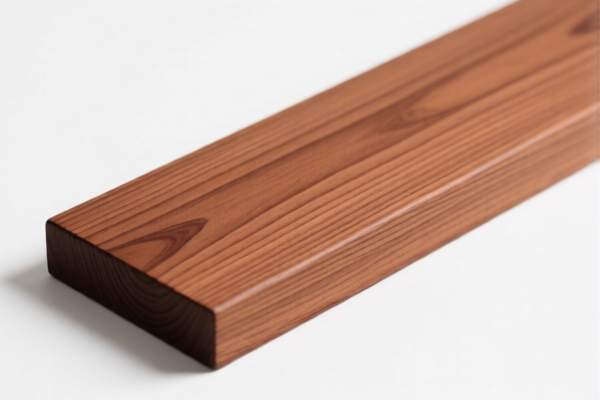
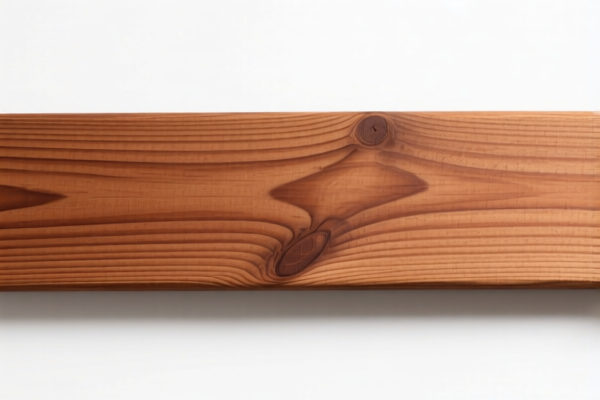
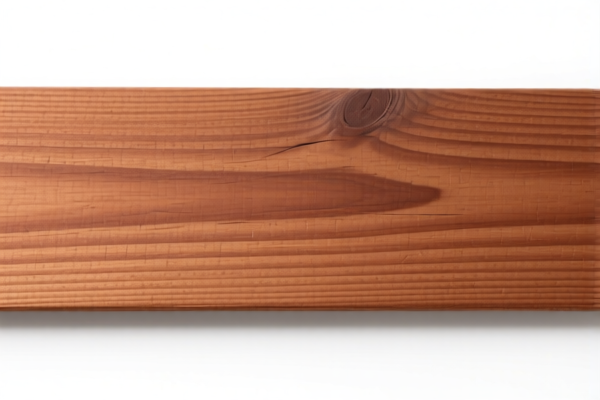
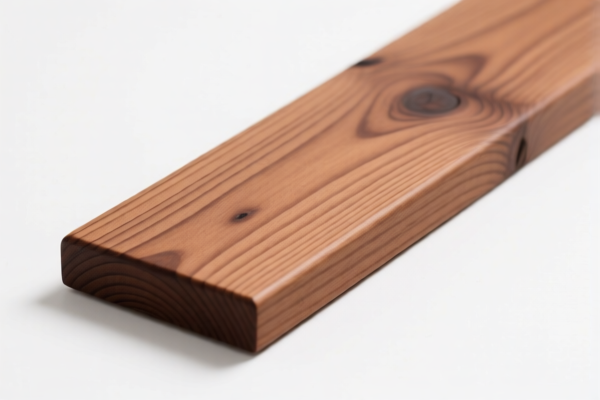
AI Analysis
🌲 Pine Wood & Anti-Corrosion Coating (US Import Guide 2026)
🌐 HS Code Reference & Customs Clearance Guide | 2026 Latest Tariff Analysis | Professional Strategy for US Imports
📌 I. Product Definition & Classification: Do You Really Know What You Are Importing?
In international trade, "Pine Wood" and "Anti-Corrosion Coating" are often bundled or confused, but they fall into distinctly different regulatory buckets with significant tariff implications. The distinction hinges on the state of processing:
-
Processed Wood Products (44xx Series):
- Preserved Pine Wood (4407.11.00.02): Pine wood that has undergone chemical treatment (e.g., pressure-treated) to resist rot, insects, or decay. This is a semi-finished timber product.
- Milled Pine Wood (4409.10.xxxx): Pine wood shaped along its length (e.g., tongue-and-groove, flooring, moldings). Whether treated or untreated, if it is milled, it falls here.
-
Chemical Products (32xx Series):
- Wood Preservative Paints/Coatings (3209.10.00.00 / 3209.90.00.00): Liquids, pastes, or gels applied to wood. These are classified based on their binding medium (aqueous vs. non-aqueous/organic solvent) and function (paint vs. varnish).
⚠️ Key Distinction Point:
- If the product is solid timber with preservatives impregnated → HS 4407 or 4409.
- If the product is a liquid/bucket applied to wood → HS 3209.
- Do not mix the two in a single line item if they are physically distinct goods (wood vs. paint).
📦 II. HS Code Classification Details (2026 Latest Tariff Authority Cross-Reference)
| HS Code | Product Description | Applicable Scenario | Physical State |
|---|---|---|---|
4407.11.00.02 |
Pine wood, sawn or chipped lengthwise, preserved | Pressure-treated lumber, fencing posts, outdoor decking wood | ✅ Solid (Treated) |
4409.10.40.10 |
Pine wood, continuous lengthwise shaped (e.g., flooring, moldings) | Tongue-and-groove pine, skirting boards, interior paneling | ✅ Solid (Milled) |
4409.10.40.90 |
Other pine wood, continuous lengthwise shaped | Other milled pine profiles not specified above | ✅ Solid (Milled) |
3209.10.00.00 |
Paints and varnishes based on water media | Water-based wood preservatives, eco-friendly stains | ✅ Liquid (Water-based) |
3209.90.00.00 |
Paints and varnishes based on non-aqueous media | Oil-based wood preservatives, solvent-based coatings | ✅ Liquid (Solvent-based) |
🔍 Important Note:
- HS 4407 vs. 4409:4407is generally for sawn/plain wood, while4409is for shaped wood (profiled). If your pine wood has grooves, tongues, or rounded edges, it moves from4407to4409. - HS 3209 Subcategories: The key difference between.10and.90is the solvent. Water-based is often preferred for environmental compliance, but the tariff structure for US imports (Section 301 + 122) applies similarly to both.
💰 III. 2026 Latest Tariff Rate Breakdown (Including Surcharge & Policy Add-ons)
✅ Applicable Country: United States (US)
✅ Country of Origin: China (CN)
✅ Effective Time: 2025-11-10 onwards (including subsequent imports)
🎯 1. 4407.11.00.02 — Pine Wood, Preserved
| Item | Content |
|---|---|
| Base Duty Rate | 0.0% (Ad Valorem) |
| Section 301 Surcharge | +25.0% (USITC Footnote) |
| Section 122 Surcharge | +10.0% (IEEPA Targeted Measures) |
| Total Effective Rate | 35.0% |
| Tax Calculation | CIF Value × 35% |
| De Minimis Eligibility | ❌ Not Eligible (Section 301/122 goods are excluded from $800 exemption) |
| Legal Path | USITC:4407.11.00.02 → FOOTNOTE:301 → IEEPA:122 |
📌 Explanation:
- "Base Duty 0%": Standard MFN duty for sawn wood is low/zero. - "Section 301 (+25%)": Applies to all Chinese-origin wood products subject to trade tensions. - "Section 122 (+10%)": A specific additional tariff layer targeting certain Chinese imports, effective from late 2025. - Total 35%: This is a high-cost category. Importers must factor this into landed cost immediately.
🎯 2. 4409.10.40.10 & 4409.10.40.90 — Milled Pine Wood
| Item | Content |
|---|---|
| Base Duty Rate | 0.0% (Ad Valorem) |
| Section 301 Surcharge | +25.0% |
| Section 122 Surcharge | +10.0% |
| Total Effective Rate | 35.0% |
| Tax Calculation | CIF Value × 35% |
| De Minimis Eligibility | ❌ Not Eligible |
| Legal Path | USITC:4409.10.xxxx → FOOTNOTE:301 → IEEPA:122 |
📌 Note:
- Milled wood faces the same 35% total rate as preserved wood. - Classification between40.10and40.90depends on specific shape details, but the tax impact is identical.
🎯 3. 3209.10.00.00 — Wood Preservative (Water-Based)
| Item | Content |
|---|---|
| Base Duty Rate | 5.1% (Ad Valorem) |
| Section 301 Surcharge | +25.0% |
| Section 122 Surcharge | +10.0% |
| Total Effective Rate | 40.1% |
| Tax Calculation | CIF Value × 40.1% |
| De Minimis Eligibility | ❌ Not Eligible |
| Legal Path | USITC:3209.10.00.00 → FOOTNOTE:301 → IEEPA:122 |
📌 Explanation:
- Chemicals often have a higher base duty than raw timber. - The 40.1% rate is higher than wood products, making chemical imports costlier.
🎯 4. 3209.90.00.00 — Wood Preservative (Non-Aqueous/Solvent-Based)
| Item | Content |
|---|---|
| Base Duty Rate | 5.9% (Ad Valorem) |
| Section 301 Surcharge | +25.0% |
| Section 122 Surcharge | +10.0% |
| Total Effective Rate | 40.9% |
| Tax Calculation | CIF Value × 40.9% |
| De Minimis Eligibility | ❌ Not Eligible |
| Legal Path | USITC:3209.90.00.00 → FOOTNOTE:301 → IEEPA:122 |
📌 Note:
- Solvent-based coatings often incur a slightly higher base duty (5.9% vs 5.1%) due to chemical composition nuances. - Total 40.9% is the highest rate in this dataset.
🛠️ IV. Customs Clearance Practical Advice (Real-World Pitfall Guide)
✅ 1. Documentation Checklist (Mandatory)
| Document | Required? | Description |
|---|---|---|
| ✅ Commercial Invoice | ✔️ | Must clearly separate Wood (HS 44xx) from Paint (HS 32xx) if shipped together. |
| ✅ Packing List | ✔️ | Detail volumes/weights separately for wood and liquid coatings. |
| ✅ MSDS (Material Safety Data Sheet) | ✔️ | Critical for HS 3209. Customs and CBP require this to verify chemical composition and classify correctly. |
| ✅ Fumigation Certificate | ✔️ | Required for wood products (HS 44xx) to prevent pest introduction (ISPM 15 compliance). |
| ✅ Preservation Treatment Report | ✔️ | For 4407.11.00.02, prove the type of preservative used (e.g., ACQ, CCA) to confirm HS 4407 eligibility. |
| ✅ Certificate of Origin | ✔️ | Essential to confirm CN origin for Section 301/122 assessment. |
✅ 2. Declaration Tips (Key Mnemonic)
🔥 "Wood is Solid, Paint is Liquid; Separate Lines, Avoid Audit Risk!"
| Scenario | Correct Declaration | Wrong Practice |
|---|---|---|
| Treated Lumber | 4407.11.00.02 "Pine Wood, Pressure Treated" |
Misdeclare as "Building Material" or generic "Wood" |
| Flooring/Moldings | 4409.10.40.10 "Pine Wood, Tongue & Groove" |
Misdeclare as 4407 (Plain Sawn) |
| Water-Based Preservative | 3209.10.00.00 "Water-Based Wood Coating" |
Misdeclare as 3208 (Plastic-based) |
| Solvent-Based Preservative | 3209.90.00.00 "Oil-Based Wood Preservative" |
Misdeclare as 3209.10 (Water-based) |
⚠️ Critical Warning:
- If you mix wood and paint in one container, declare them on separate line items. Do not lump them under one HS code. - Ensure the MSDS matches the chemical description in the invoice for3209items. Mismatches trigger lab testing and delays.
✅ 3. Special Situation Handling
| Situation | Handling Advice |
|---|---|
| Wood + Paint in One Shipment | Split Declaration: Line 1: Wood (HS 44xx), Line 2: Paint (HS 32xx). This allows for different valuation and duty calculation. |
| Pre-treated Wood Boards | Use 4407.11.00.02. Provide proof of treatment to avoid being classified as raw wood (which may face additional phytosanitary scrutiny). |
| Small Sample Shipments (<$800) | ❌ NO De Minimis: Due to Section 301 and 122, all Chinese-origin wood and paint goods are excluded from the $800 informal entry exemption. They must go through formal entry. |
| Eco-Friendly Water-Based Paints | While 3209.10 has a slightly lower base duty, the total 40.1% is still very high. No significant duty advantage over oil-based. |
🌍 V. Global Market Clearance Comparison (2026 Latest)
| Country/Region | Recommended HS Code | Duty (China Origin) | Certification Requirements | Notes |
|---|---|---|---|---|
| 🇺🇸 USA | 4407.11.00.02 / 3209.10.00.00 |
35.0% - 40.9% | USDA (for wood), EPA (for paint) | Highest cost market due to Section 301 + 122. |
| 🇨🇳 China | 4407.11.00.02 / 3209.10.00.00 |
5% - 10% | None (Export) | Low duty for export, but US import duty dominates cost. |
| 🇪🇺 EU | 4407.11.00 / 3209 |
0% - 4% | REACH (for paint), FSC (optional) | No Section 301/122 equivalent, but strict environmental rules for chemicals. |
| 🇨🇦 Canada | 4407.11.00 / 3209 |
0% - 5% | CFIA (for wood) | CUSMA benefits may apply if processed in NA, but Chinese origin still attracts some tariffs. |
| 🇬🇧 UK | 4407.11.00 / 3209 |
0% - 5% | UK REACH | Post-Brexit rules align closely with EU but require separate registration. |
📌 Conclusion:
- The US market is uniquely punitive for Chinese wood and chemical products in 2026. - The 35-41% effective tariff rate significantly erodes margins. - No free trade agreement offsets these specific Section 301/122 duties for Chinese-origin goods.
📌 VI. Common Errors & Pitfall Guide (Lessons Learned)
❌ Error 1: Shipping treated wood without a Fumigation Certificate.
👉 Consequence: US Customs and Border Protection (CBP) and USDA will seize or destroy the shipment.
❌ Error 2: Mixing wood and paint on one HS code line.
👉 Consequence: Incorrect duty calculation (e.g., paying wood duty on paint or vice versa). This triggers audits and penalties.
❌ Error 3: Ignoring the Section 122 (10%) surcharge.
👉 Consequence: Underestimating landed cost by 10%. Many importers only budget for Section 301 (25%).
❌ Error 4: Declaring solvent-based paint as water-based (3209.90 vs 3209.10).
👉 Consequence: Base duty error (5.9% vs 5.1%). While small, it indicates inaccurate documentation, leading to CBP scrutiny.
✅ Correct Practice:
"Item 1: Pine Lumber, Pressure Treated, HS 4407.11.00.02, CIF $10,000"
Item 2: Water-Based Wood Preservative, 5 Gal, HS 3209.10.00.00, CIF $500"
🎯 VII. Conclusion: Professional Declaration, Save Costs, Reduce Risk
🎯 Remember the Mnemonic:
🔹 "Wood 35, Paint 40, Section 301 + 122 are the truth!"
🔹 "Separate lines for wood and paint, avoid audits and maintain peace!"📌 Pro Tip:
If you are importing large volumes, consider: 1. Supplier Diversification: Sourcing wood/coatings from non-China origins (e.g., Vietnam, Thailand) to potentially avoid Section 301/122 duties. 2. Advance Rulings: Apply for a CBP Binding Ruling before shipment to confirm HS codes and duty liability. 3. Bonded Warehouses: Use bonded facilities to delay duty payment until goods are sold domestically.
📣 Immediate Action:
📞 Consult a licensed US Customs Broker.
📄 Provide MSDS for all chemical items.
📄 Provide Fumigation Certificates for all wood items.
🚀 Ensure your landed cost model includes 35-41% duty for Chinese-origin goods.
✨ Professional Clearance Starts with Precise Classification!
💼 Every Percent Counts in High-Tariff Markets!
Customer Reviews
About HS Code Classification
The Harmonized System (HS) is an internationally standardized nomenclature developed by the World Customs Organization (WCO) to classify traded products. Over 200 countries use the HS system as the basis for customs tariffs, trade statistics, and import/export regulations.
Each HS code follows a hierarchical structure:
- Chapter (2 digits) — Broad category of goods (e.g., Chapter 84: Machinery and Mechanical Appliances)
- Heading (4 digits) — More specific grouping within the chapter
- Subheading (6 digits) — Internationally standardized breakdown, used by all WCO member countries
- National subdivisions (8-10 digits) — Country-specific extensions for further classification, such as US HTSUS 10-digit codes
Correct HS code classification is essential for smooth customs clearance, accurate duty payment, and compliance with trade regulations. Misclassification can lead to customs delays, overpayment of duties, or penalties.
When importing from CN to US, the applicable tariff rates may include:
- Most-Favored-Nation (MFN) rate — The standard duty rate applied to WTO members
- General rate — Applied to countries without trade agreements
- Trade remedy duties — Additional tariffs such as Section 301 (anti-dumping), Section 232 (national security), or countervailing duties
The information provided on this page is for reference purposes only. For official classification, please consult with your local customs authority or a licensed customs broker.