Pipe
CN → US| HS编码 | 关税税率 | 原产国 | 目的国 | 文档 |
|---|---|---|---|---|
| 7305111060 | 10.0% | CN | US | 官方文档 |
| 3917210000 | 38.1% | CN | US | 官方文档 |
| 7304598010 | 35.0% | CN | US | 官方文档 |
| 7305111030 | 10.0% | CN | US | 官方文档 |
| 3917290090 | 38.1% | CN | US | 官方文档 |
| 7304490060 | 35.0% | CN | US | 官方文档 |
商品图片
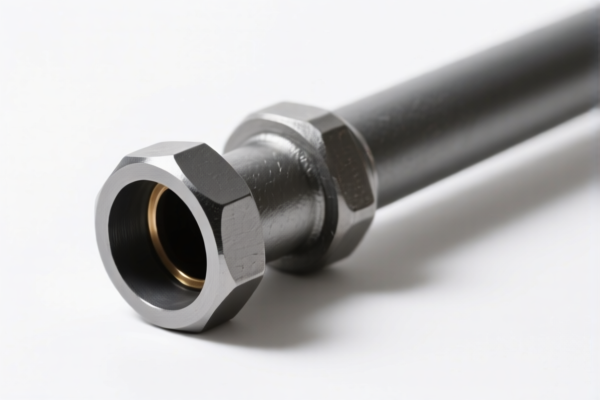
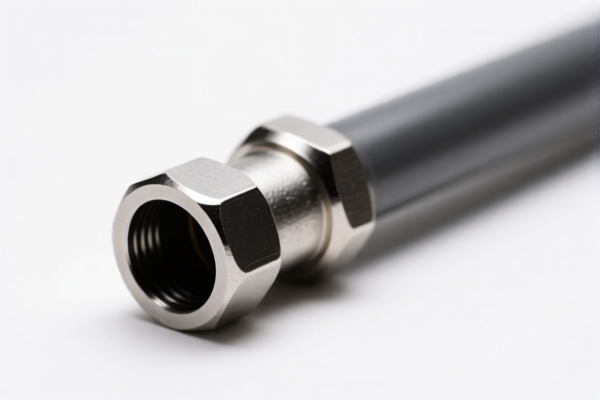
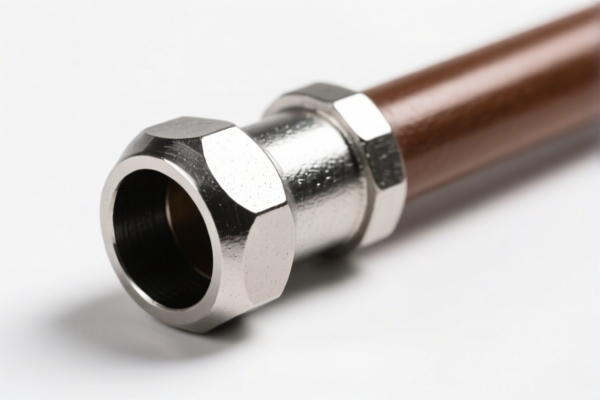
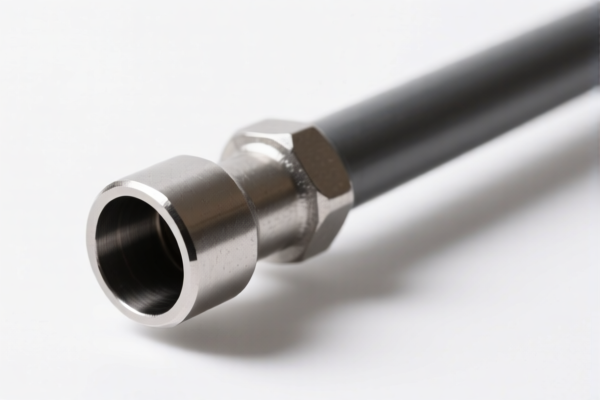
AI分析
🛢️ Pipe (Tubing, Conduit & Hoses)
🌐 HS Code Reference & Customs Clearance Guide | 2026 Latest Tariff Analysis | Professional Clearance Strategy
📌 Part I: Product Definition & Classification: Do You Really Understand "Pipe"?
Pipes are critical infrastructure components used in oil/gas transmission, industrial plumbing, construction, and fluid transport. In international trade, they are strictly differentiated by material, application, and structure:
- Steel/Pipe & Tube for Oil/Gas: Seamless or welded pipes specifically designed for high-pressure transmission of petroleum or natural gas.
- Plastic Pipes: Rigid or flexible conduits made from polymers (PVC, PE, PP) for drainage, irrigation, or low-pressure fluid transport.
- Other Metal Tubes: Stainless steel, iron, or non-oil/gas specific steel tubes for general mechanical or structural use.
⚠️ Key Distinction Points:
- If made of steel/iron and specified for oil/gas pipelines → Often falls under 7305.11 or 7304.59 (see HS details below).
- If made of plastic → Falls under 3917.
- If made of stainless steel but not for oil/gas → Falls under 7304.49 or general steel tube headings.
📦 Part II: HS Code Classification Details (2026 Latest Tariff Authority Mapping)
The following HS Codes are derived from the product "Pipe" based on material and specific use cases.
| HS Code | Product Description | Application Scenario | Material |
|---|---|---|---|
7305.11.10.60 |
Steel pipes for oil or gas pipelines, with matching morphology, no obvious material conflict | High-pressure oil/gas transmission lines, offshore platforms | Steel (Iron/Carbon Steel) |
7305.11.10.30 |
Pipes for oil or gas pipelines, morphology and usage match | Standard onshore/offshore oil & gas trunk lines | Steel (Iron/Carbon Steel) |
7304.59.80.10 |
Metal pipes, rods, and hollow profiles, morphology consistent | General industrial steel tubes, structural hollow sections | Steel/Iron (Non-stainless) |
7304.49.00.60 |
Stainless steel pipes, morphology consistent, inferred based on fallback category | Food processing, pharmaceutical, or marine stainless piping | Stainless Steel |
3917.21.00.00 |
Plastic pipes, morphology consistent, no obvious material conflict | Rigid PVC pipes for drainage, water supply, or construction | Plastic (Rigid) |
3917.29.00.90 |
Plastic material pipelines, morphology and material inference consistent | Flexible plastic hoses, PE pipes for irrigation or gas distribution | Plastic (Flexible/Other) |
🔍 Key Reminder:
- Oil/Gas Steel Pipes (7305) are distinct from general Steel Tubes (7304). Misclassification can lead to severe penalties.
- Plastic Pipes (3917) are taxed heavily due to trade policies; ensure material composition is clear.
💰 Part III: 2026 Latest Tariff Rate Breakdown (Including Additional Duties & Policy Surcharges)
✅ Applicable Country: United States (US)
✅ Origin: China (CN)
✅ Effective Time: Current 2026 Trade Policy (Including Section 301 & IEEPA Surcharges)
🎯 1. 7305.11.10.60 & 7305.11.10.30 —— Steel Pipes for Oil or Gas
| Item | Content |
|---|---|
| Base Duty Rate | 0.0% (Ad Valorem) |
| USITC Surcharge (Section 301) | +25.0% (From USITC Footnote 9903.88.01) |
| IEEPA Surcharge | +10.0% (Against Chinese/HK products, effective from Nov 10, 2025) |
| Total Tax Rate | 35.0% |
| Tax Calculation | CIF Value × 35.0% |
| De Minimis Eligibility | ❌ Not Eligible (deny_de_minimis) |
| Legal Basis Path | IEEPA:9903.01.25 → IEEPA:9903.01.24 → USITC:7305.11.10.xx → FOOTNOTE:9903.88.01 |
📌 Explanation:
- Although the base duty is 0%, the 25% Section 301 tariff and 10% IEEPA tariff apply.
- Total Cost Impact: 35%. This is a high-cost category due to trade tensions.
🎯 2. 7304.59.80.10 & 7304.49.00.60 —— Other Metal Pipes (Steel & Stainless)
| Item | Content |
|---|---|
| Base Duty Rate | 0.0% (Ad Valorem) |
| USITC Surcharge (Section 301) | +25.0% |
| IEEPA Surcharge | +10.0% |
| Total Tax Rate | 35.0% |
| Tax Calculation | CIF Value × 35.0% |
| De Minimis Eligibility | ❌ Not Eligible (deny_de_minimis) |
| Legal Basis Path | IEEPA:9903.01.25 → IEEPA:9903.01.24 → USITC:7304.xx.xx.xx → FOOTNOTE:9903.88.01 |
📌 Note:
- Applies to carbon steel (7304.59) and stainless steel (7304.49) pipes not specifically classified as oil/gas transmission lines.
- Total Rate: 35%. Stainless steel does not receive a lower surcharge rate under current Chinese origin rules.
🎯 3. 3917.21.00.00 & 3917.29.00.90 —— Plastic Pipes
| Item | Content |
|---|---|
| Base Duty Rate | 3.1% (Ad Valorem) |
| USITC Surcharge (Section 301) | +25.0% |
| IEEPA Surcharge | +10.0% |
| Total Tax Rate | 38.1% |
| Tax Calculation | CIF Value × 38.1% |
| De Minimis Eligibility | ❌ Not Eligible (deny_de_minimis) |
| Legal Basis Path | IEEPA:9901.25 → IEEPA:9903.01.24 → USITC:3917.xx.xx.xx → FOOTNOTE:9903.88.01 |
📌 Note:
- Plastic pipes have a higher base duty (3.1%) compared to steel pipes (0%).
- Total Rate: 38.1%. This is the highest tax rate among the listed pipe categories.
- Applies to both rigid (3917.21) and flexible/other (3917.29) plastic pipes.
🛠️ Part IV: Customs Clearance Practical Advice (Battle-Tested Pitfall Avoidance Guide)
✅ 1. Required Documentation Checklist (Missing Any = Delay)
| Document | Mandatory? | Explanation |
|---|---|---|
| ✅ Product Specification Sheet | ✔️ | Must specify material (Steel/Plastic/Stainless), diameter, wall thickness, and pressure rating. |
| ✅ Application Declaration | ✔️ | Explicitly state: "For Oil/Gas Pipeline" OR "General Industrial Use". Mislabeling leads to wrong HS. |
| ✅ Product Photos (With Labels) | ✔️ | Clear images of the pipe end, marking (e.g., API 5L), and any tags. |
| ✅ Commercial Invoice | ✔️ | Must match packing list and bill of lading. Describe as "Steel Pipe" or "Plastic Conduit". |
| ✅ Packing List | ✔️ | Detail dimensions and weight per bundle. |
| ✅ Country of Origin Certificate | ✔️ | Essential for surcharge application. If not China, may qualify for lower rates. |
✅ 2. Declaration Tips (Critical Mnemonics)
🔥 “Material First, Use Second, Tax Follows the Truth!”
| Scenario | Correct Declaration | Wrong Practice |
|---|---|---|
| Steel Pipe for Oil/Gas | 7305.11.10.xx |
Declare as "General Steel Tube" → Risk of audit for under-declaration. |
| Stainless Steel Pipe | 7304.49.00.60 |
Declare as "Carbon Steel" → Misclassification penalty. |
| Plastic Pipe (PVC/PE) | 3917.21.00.00 or 3917.29.00.90 |
Declare as "Metal Pipe" → Immediate rejection and fines. |
| Mixed Container (Steel + Plastic) | Split Line Items | Declare as "Mixed Pipes" → Customs will seize and reclassify at highest rate. |
✅ 3. Special Case Handling
| Situation | Handling Advice |
|---|---|
| API 5L Certified Steel Pipe | Must declare as 7305.11.10.xx (Oil/Gas). Provides clear evidence for the 0% base rate. |
| Plastic Pipes with Metal Reinforcement | Classified as Plastic (3917) if plastic is the essential character. If steel is primary, may be 7304. Consult classifier. |
| Samples (Under $800) | ❌ No De Minimis. Even if value is low, pipes from China are subject to full tariffs. |
| Used Pipes | May be subject to Section 232 or additional scrutiny. Declare as "Used" or "Recycled" if applicable. |
🌍 Part V: Global Market Comparison (2026 Latest)
| Country/Region | Recommended HS Code | Tariff (China Origin) | Certification | Notes |
|---|---|---|---|---|
| 🇺🇸 USA | 7305.11.10.xx / 3917.xx.xx.xx |
35.0% - 38.1% | N/A (No special certs required for duty) | High tariffs due to Section 301 & IEEPA. |
| 🇨🇳 China | 7305.11.10.xx / 3917.xx.xx.xx |
0.0% - 3.1% | None | Low base duties. No surcharges for export from CN. |
| 🇪🇺 EU | 7304.49.00.60 / 3917.xx.xx.xx |
0.0% - 2.7% | CE (if applicable) | No Section 301. Competitive pricing. |
| 🇦🇺 Australia | 7304.49.00.60 / 3917.xx.xx.xx |
5.0% | RCM | Moderate duty. |
| 🇯🇵 Japan | 7304.49.00.60 / 3917.xx.xx.xx |
0.0% - 3.8% | PSE (for plastics) | Low barriers. |
📌 Conclusion:
- The US is the most expensive market for Chinese-origin pipes due to 35-38% total tariffs.
- Plastic pipes (3917) are taxed higher (38.1%) than steel pipes (35.0%) in the US.
- Consider supply chain diversification (e.g., Vietnam, India) to mitigate IEEPA surcharges.
📌 Part VI: Common Mistakes & Pitfall Guide (Blood-Tears Lessons)
❌ Mistake 1: Declaring "Steel Pipe" without specifying "Oil/Gas" vs. "General"
👉 Consequence: If it's for oil/gas but declared as general, you may face under-declaration penalties. If general but declared as oil/gas, you might avoid some scrutiny but risk audit.
Fix: Use exact HS Code mapping: 7305.11 for Oil/Gas, 7304 for others.
❌ Mistake 2: Assuming "Plastic Pipe" is cheaper than Steel
👉 Consequence: 38.1% Tax for plastic vs. 35.0% for steel in the US. Plastic is 3.1% more expensive due to base duty.
Fix: Recalculate landed cost including duties.
❌ Mistake 3: Splitting a single shipment into multiple "De Minimis" parcels
👉 Consequence: 100% Seizure and potential blacklisting. CBP is highly aggressive on "de minimis abuse" for Chinese pipes.
Fix: Declare correctly. Use formal entry.
❌ Mistake 4: Not specifying Material in Description
👉 Consequence: Customs will classify at highest possible rate (often "Other") and demand samples.
Fix: Always include "Material: Stainless Steel/Carbon Steel/PVC" in description.
✅ Correct Declaration Example:
"Steel Pipe, Seamless, API 5L, Carbon Steel, 12" OD, for Oil & Gas Transmission, Made in China"
HS Code:7305.11.10.60
Total Duty: 35.0%
🎯 Part VII: Conclusion: Precision Classification Saves Money!
🎯 Remember the Mantra:
🔹 "Oil/Gas Steel = 7305 (35%)"
🔹 "General Steel/Stainless = 7304 (35%)"
🔹 "Plastic Pipes = 3917 (38.1%)"
🔹 "China Origin = Heavy Surcharges (35-38%)"
🔹 "No De Minimis for Pipes from China!"
📌 Pro Tip:
If your pipes are originating from Vietnam, Malaysia, or India, you may avoid IEEPA surcharges, reducing the total tax to 25% (Section 301 only).
Recommendation:
📞 Contact a Licensed Customs Broker for an Advance Ruling if your pipe usage is ambiguous.
🚀 Optimize Landed Cost by selecting the correct HS Code to avoid re-classification penalties.
✨ Professional Clearance Starts with Accurate Classification!
💼 Every Percent Saved in Tariff is Pure Profit!
用户评价
关于 HS 编码归类
协调制度(HS)是由世界海关组织(WCO)制定的国际贸易商品分类标准。全球 200 多个国家采用 HS 系统作为海关关税、贸易统计和进出口监管的基础。
每个 HS 编码遵循以下层级结构:
- 章(2 位)——商品大类(例如:第 84 章:机器和机械设备)
- 品目(4 位)——章内的更具体分类
- 子目(6 位)——国际通用细分,所有 WCO 成员国统一使用
- 本国细分(8-10 位)——各国自行扩展的细分编码,如美国 HTSUS 10 位编码
正确的 HS 编码归类对于顺利通关、准确缴纳关税和遵守贸易法规至关重要。错误归类可能导致海关延误、多缴关税或罚款。
从CN进口到US时,适用的关税税率可能包括:
- 最惠国(MFN)税率——适用于 WTO 成员国的标准关税税率
- 普通税率——适用于无贸易协定国家
- 贸易救济关税——附加关税,如 301 条款(反倾销)、232 条款(国家安全)或反补贴税
本页内容仅供参考。如需正式归类,请咨询当地海关或持牌报关代理。