Pipe
CN → US| HS Code | Tariff Rate | Origin | Destination | Doc |
|---|---|---|---|---|
| 7305111060 | 10.0% | CN | US | Official Doc |
| 3917210000 | 38.1% | CN | US | Official Doc |
| 7304598010 | 35.0% | CN | US | Official Doc |
| 7305111030 | 10.0% | CN | US | Official Doc |
| 3917290090 | 38.1% | CN | US | Official Doc |
| 7304490060 | 35.0% | CN | US | Official Doc |
Product Images
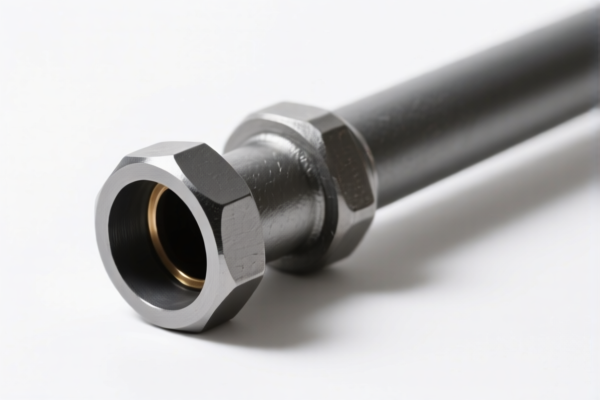
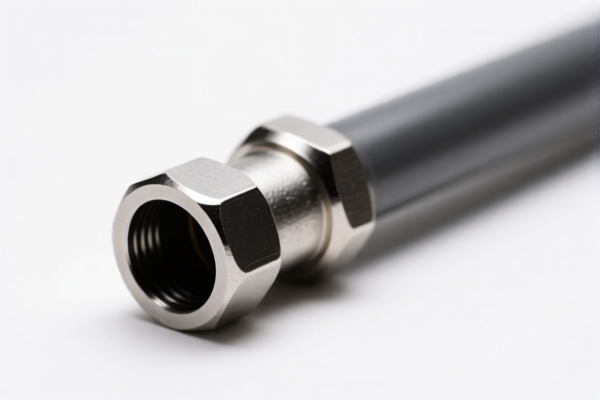
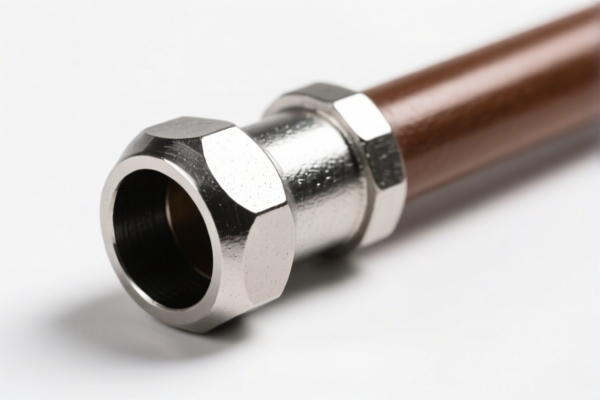
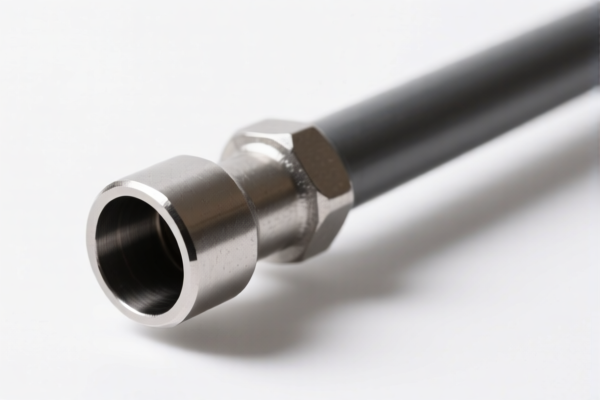
AI Analysis
🛢️ Pipe (Tubing, Conduit & Hoses)
🌐 HS Code Reference & Customs Clearance Guide | 2026 Latest Tariff Analysis | Professional Clearance Strategy
📌 Part I: Product Definition & Classification: Do You Really Understand "Pipe"?
Pipes are critical infrastructure components used in oil/gas transmission, industrial plumbing, construction, and fluid transport. In international trade, they are strictly differentiated by material, application, and structure:
- Steel/Pipe & Tube for Oil/Gas: Seamless or welded pipes specifically designed for high-pressure transmission of petroleum or natural gas.
- Plastic Pipes: Rigid or flexible conduits made from polymers (PVC, PE, PP) for drainage, irrigation, or low-pressure fluid transport.
- Other Metal Tubes: Stainless steel, iron, or non-oil/gas specific steel tubes for general mechanical or structural use.
⚠️ Key Distinction Points:
- If made of steel/iron and specified for oil/gas pipelines → Often falls under 7305.11 or 7304.59 (see HS details below).
- If made of plastic → Falls under 3917.
- If made of stainless steel but not for oil/gas → Falls under 7304.49 or general steel tube headings.
📦 Part II: HS Code Classification Details (2026 Latest Tariff Authority Mapping)
The following HS Codes are derived from the product "Pipe" based on material and specific use cases.
| HS Code | Product Description | Application Scenario | Material |
|---|---|---|---|
7305.11.10.60 |
Steel pipes for oil or gas pipelines, with matching morphology, no obvious material conflict | High-pressure oil/gas transmission lines, offshore platforms | Steel (Iron/Carbon Steel) |
7305.11.10.30 |
Pipes for oil or gas pipelines, morphology and usage match | Standard onshore/offshore oil & gas trunk lines | Steel (Iron/Carbon Steel) |
7304.59.80.10 |
Metal pipes, rods, and hollow profiles, morphology consistent | General industrial steel tubes, structural hollow sections | Steel/Iron (Non-stainless) |
7304.49.00.60 |
Stainless steel pipes, morphology consistent, inferred based on fallback category | Food processing, pharmaceutical, or marine stainless piping | Stainless Steel |
3917.21.00.00 |
Plastic pipes, morphology consistent, no obvious material conflict | Rigid PVC pipes for drainage, water supply, or construction | Plastic (Rigid) |
3917.29.00.90 |
Plastic material pipelines, morphology and material inference consistent | Flexible plastic hoses, PE pipes for irrigation or gas distribution | Plastic (Flexible/Other) |
🔍 Key Reminder:
- Oil/Gas Steel Pipes (7305) are distinct from general Steel Tubes (7304). Misclassification can lead to severe penalties.
- Plastic Pipes (3917) are taxed heavily due to trade policies; ensure material composition is clear.
💰 Part III: 2026 Latest Tariff Rate Breakdown (Including Additional Duties & Policy Surcharges)
✅ Applicable Country: United States (US)
✅ Origin: China (CN)
✅ Effective Time: Current 2026 Trade Policy (Including Section 301 & IEEPA Surcharges)
🎯 1. 7305.11.10.60 & 7305.11.10.30 —— Steel Pipes for Oil or Gas
| Item | Content |
|---|---|
| Base Duty Rate | 0.0% (Ad Valorem) |
| USITC Surcharge (Section 301) | +25.0% (From USITC Footnote 9903.88.01) |
| IEEPA Surcharge | +10.0% (Against Chinese/HK products, effective from Nov 10, 2025) |
| Total Tax Rate | 35.0% |
| Tax Calculation | CIF Value × 35.0% |
| De Minimis Eligibility | ❌ Not Eligible (deny_de_minimis) |
| Legal Basis Path | IEEPA:9903.01.25 → IEEPA:9903.01.24 → USITC:7305.11.10.xx → FOOTNOTE:9903.88.01 |
📌 Explanation:
- Although the base duty is 0%, the 25% Section 301 tariff and 10% IEEPA tariff apply.
- Total Cost Impact: 35%. This is a high-cost category due to trade tensions.
🎯 2. 7304.59.80.10 & 7304.49.00.60 —— Other Metal Pipes (Steel & Stainless)
| Item | Content |
|---|---|
| Base Duty Rate | 0.0% (Ad Valorem) |
| USITC Surcharge (Section 301) | +25.0% |
| IEEPA Surcharge | +10.0% |
| Total Tax Rate | 35.0% |
| Tax Calculation | CIF Value × 35.0% |
| De Minimis Eligibility | ❌ Not Eligible (deny_de_minimis) |
| Legal Basis Path | IEEPA:9903.01.25 → IEEPA:9903.01.24 → USITC:7304.xx.xx.xx → FOOTNOTE:9903.88.01 |
📌 Note:
- Applies to carbon steel (7304.59) and stainless steel (7304.49) pipes not specifically classified as oil/gas transmission lines.
- Total Rate: 35%. Stainless steel does not receive a lower surcharge rate under current Chinese origin rules.
🎯 3. 3917.21.00.00 & 3917.29.00.90 —— Plastic Pipes
| Item | Content |
|---|---|
| Base Duty Rate | 3.1% (Ad Valorem) |
| USITC Surcharge (Section 301) | +25.0% |
| IEEPA Surcharge | +10.0% |
| Total Tax Rate | 38.1% |
| Tax Calculation | CIF Value × 38.1% |
| De Minimis Eligibility | ❌ Not Eligible (deny_de_minimis) |
| Legal Basis Path | IEEPA:9901.25 → IEEPA:9903.01.24 → USITC:3917.xx.xx.xx → FOOTNOTE:9903.88.01 |
📌 Note:
- Plastic pipes have a higher base duty (3.1%) compared to steel pipes (0%).
- Total Rate: 38.1%. This is the highest tax rate among the listed pipe categories.
- Applies to both rigid (3917.21) and flexible/other (3917.29) plastic pipes.
🛠️ Part IV: Customs Clearance Practical Advice (Battle-Tested Pitfall Avoidance Guide)
✅ 1. Required Documentation Checklist (Missing Any = Delay)
| Document | Mandatory? | Explanation |
|---|---|---|
| ✅ Product Specification Sheet | ✔️ | Must specify material (Steel/Plastic/Stainless), diameter, wall thickness, and pressure rating. |
| ✅ Application Declaration | ✔️ | Explicitly state: "For Oil/Gas Pipeline" OR "General Industrial Use". Mislabeling leads to wrong HS. |
| ✅ Product Photos (With Labels) | ✔️ | Clear images of the pipe end, marking (e.g., API 5L), and any tags. |
| ✅ Commercial Invoice | ✔️ | Must match packing list and bill of lading. Describe as "Steel Pipe" or "Plastic Conduit". |
| ✅ Packing List | ✔️ | Detail dimensions and weight per bundle. |
| ✅ Country of Origin Certificate | ✔️ | Essential for surcharge application. If not China, may qualify for lower rates. |
✅ 2. Declaration Tips (Critical Mnemonics)
🔥 “Material First, Use Second, Tax Follows the Truth!”
| Scenario | Correct Declaration | Wrong Practice |
|---|---|---|
| Steel Pipe for Oil/Gas | 7305.11.10.xx |
Declare as "General Steel Tube" → Risk of audit for under-declaration. |
| Stainless Steel Pipe | 7304.49.00.60 |
Declare as "Carbon Steel" → Misclassification penalty. |
| Plastic Pipe (PVC/PE) | 3917.21.00.00 or 3917.29.00.90 |
Declare as "Metal Pipe" → Immediate rejection and fines. |
| Mixed Container (Steel + Plastic) | Split Line Items | Declare as "Mixed Pipes" → Customs will seize and reclassify at highest rate. |
✅ 3. Special Case Handling
| Situation | Handling Advice |
|---|---|
| API 5L Certified Steel Pipe | Must declare as 7305.11.10.xx (Oil/Gas). Provides clear evidence for the 0% base rate. |
| Plastic Pipes with Metal Reinforcement | Classified as Plastic (3917) if plastic is the essential character. If steel is primary, may be 7304. Consult classifier. |
| Samples (Under $800) | ❌ No De Minimis. Even if value is low, pipes from China are subject to full tariffs. |
| Used Pipes | May be subject to Section 232 or additional scrutiny. Declare as "Used" or "Recycled" if applicable. |
🌍 Part V: Global Market Comparison (2026 Latest)
| Country/Region | Recommended HS Code | Tariff (China Origin) | Certification | Notes |
|---|---|---|---|---|
| 🇺🇸 USA | 7305.11.10.xx / 3917.xx.xx.xx |
35.0% - 38.1% | N/A (No special certs required for duty) | High tariffs due to Section 301 & IEEPA. |
| 🇨🇳 China | 7305.11.10.xx / 3917.xx.xx.xx |
0.0% - 3.1% | None | Low base duties. No surcharges for export from CN. |
| 🇪🇺 EU | 7304.49.00.60 / 3917.xx.xx.xx |
0.0% - 2.7% | CE (if applicable) | No Section 301. Competitive pricing. |
| 🇦🇺 Australia | 7304.49.00.60 / 3917.xx.xx.xx |
5.0% | RCM | Moderate duty. |
| 🇯🇵 Japan | 7304.49.00.60 / 3917.xx.xx.xx |
0.0% - 3.8% | PSE (for plastics) | Low barriers. |
📌 Conclusion:
- The US is the most expensive market for Chinese-origin pipes due to 35-38% total tariffs.
- Plastic pipes (3917) are taxed higher (38.1%) than steel pipes (35.0%) in the US.
- Consider supply chain diversification (e.g., Vietnam, India) to mitigate IEEPA surcharges.
📌 Part VI: Common Mistakes & Pitfall Guide (Blood-Tears Lessons)
❌ Mistake 1: Declaring "Steel Pipe" without specifying "Oil/Gas" vs. "General"
👉 Consequence: If it's for oil/gas but declared as general, you may face under-declaration penalties. If general but declared as oil/gas, you might avoid some scrutiny but risk audit.
Fix: Use exact HS Code mapping: 7305.11 for Oil/Gas, 7304 for others.
❌ Mistake 2: Assuming "Plastic Pipe" is cheaper than Steel
👉 Consequence: 38.1% Tax for plastic vs. 35.0% for steel in the US. Plastic is 3.1% more expensive due to base duty.
Fix: Recalculate landed cost including duties.
❌ Mistake 3: Splitting a single shipment into multiple "De Minimis" parcels
👉 Consequence: 100% Seizure and potential blacklisting. CBP is highly aggressive on "de minimis abuse" for Chinese pipes.
Fix: Declare correctly. Use formal entry.
❌ Mistake 4: Not specifying Material in Description
👉 Consequence: Customs will classify at highest possible rate (often "Other") and demand samples.
Fix: Always include "Material: Stainless Steel/Carbon Steel/PVC" in description.
✅ Correct Declaration Example:
"Steel Pipe, Seamless, API 5L, Carbon Steel, 12" OD, for Oil & Gas Transmission, Made in China"
HS Code:7305.11.10.60
Total Duty: 35.0%
🎯 Part VII: Conclusion: Precision Classification Saves Money!
🎯 Remember the Mantra:
🔹 "Oil/Gas Steel = 7305 (35%)"
🔹 "General Steel/Stainless = 7304 (35%)"
🔹 "Plastic Pipes = 3917 (38.1%)"
🔹 "China Origin = Heavy Surcharges (35-38%)"
🔹 "No De Minimis for Pipes from China!"
📌 Pro Tip:
If your pipes are originating from Vietnam, Malaysia, or India, you may avoid IEEPA surcharges, reducing the total tax to 25% (Section 301 only).
Recommendation:
📞 Contact a Licensed Customs Broker for an Advance Ruling if your pipe usage is ambiguous.
🚀 Optimize Landed Cost by selecting the correct HS Code to avoid re-classification penalties.
✨ Professional Clearance Starts with Accurate Classification!
💼 Every Percent Saved in Tariff is Pure Profit!
Customer Reviews
About HS Code Classification
The Harmonized System (HS) is an internationally standardized nomenclature developed by the World Customs Organization (WCO) to classify traded products. Over 200 countries use the HS system as the basis for customs tariffs, trade statistics, and import/export regulations.
Each HS code follows a hierarchical structure:
- Chapter (2 digits) — Broad category of goods (e.g., Chapter 84: Machinery and Mechanical Appliances)
- Heading (4 digits) — More specific grouping within the chapter
- Subheading (6 digits) — Internationally standardized breakdown, used by all WCO member countries
- National subdivisions (8-10 digits) — Country-specific extensions for further classification, such as US HTSUS 10-digit codes
Correct HS code classification is essential for smooth customs clearance, accurate duty payment, and compliance with trade regulations. Misclassification can lead to customs delays, overpayment of duties, or penalties.
When importing from CN to US, the applicable tariff rates may include:
- Most-Favored-Nation (MFN) rate — The standard duty rate applied to WTO members
- General rate — Applied to countries without trade agreements
- Trade remedy duties — Additional tariffs such as Section 301 (anti-dumping), Section 232 (national security), or countervailing duties
The information provided on this page is for reference purposes only. For official classification, please consult with your local customs authority or a licensed customs broker.